
In recent years, the line between pet ownership and parenthood has blurred—especially in how we dress our companions. With social media flooded with photos of dogs in tiny onesies and cats wrapped in baby blankets, a curious trend has emerged: people using actual baby clothes for their pets. While some see it as harmless creativity, others question safety, fit, and long-term implications. This phenomenon isn’t just about fashion—it reflects deeper cultural shifts in how we view animals, family, and consumer behavior.
The Rise of the “Furbaby” Mentality
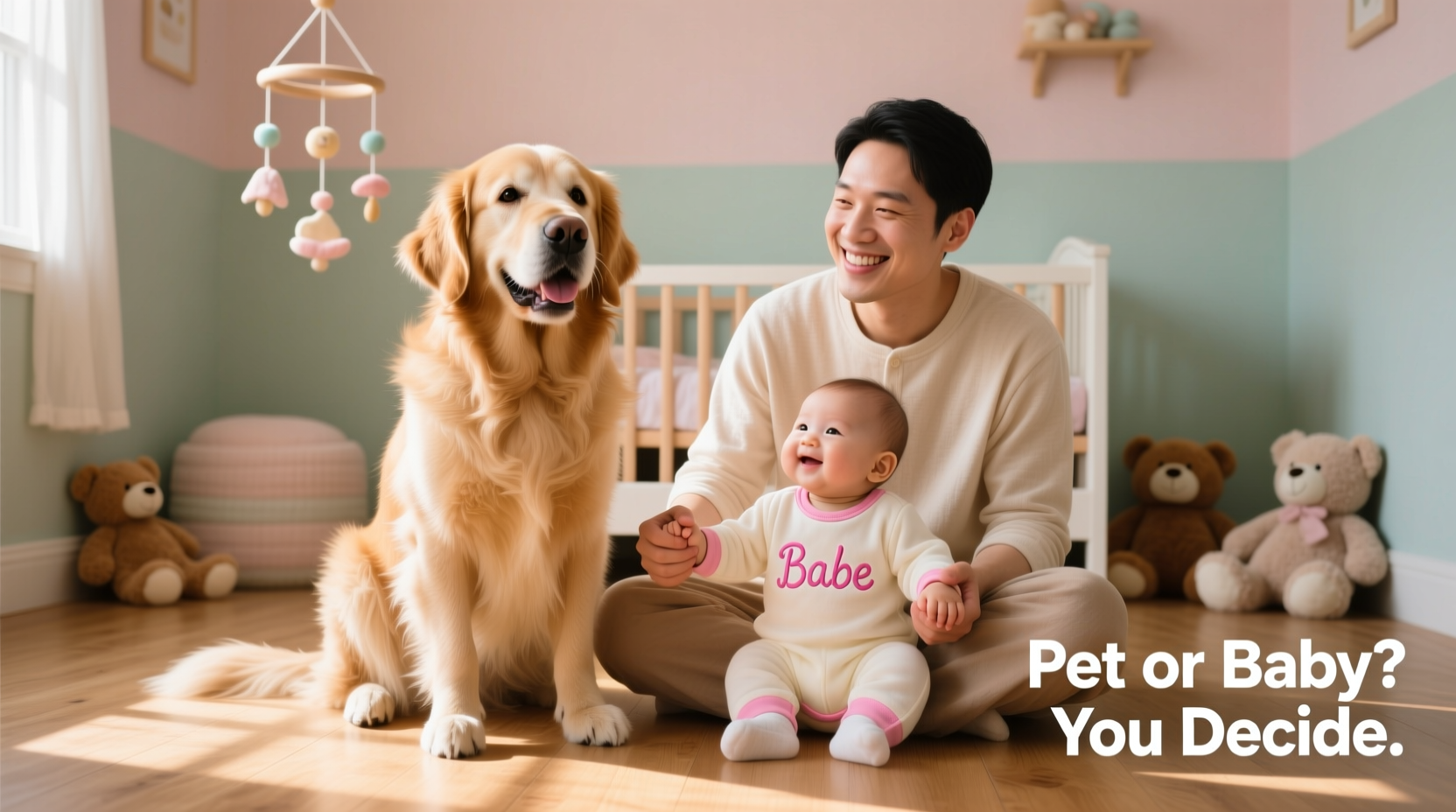
The term “furbaby” is no longer just slang; it’s a lifestyle. A 2023 survey by the American Pet Products Association revealed that over 67% of pet owners consider their pets part of the immediate family. This emotional shift has fueled an explosion in human-like care practices—from birthday cakes to custom wardrobes. As a result, pet clothing sales have surged, with the global market projected to exceed $7 billion by 2027.
Yet, not all pet owners opt for commercially made pet apparel. Many turn to baby clothes—onesies, footed pajamas, and even hats—because they’re readily available, affordable, and often cuter than standard pet outfits. Online communities on platforms like Reddit and Instagram showcase pets dressed head-to-toe in infant wear, sparking both admiration and concern.
Tip: If borrowing from the baby drawer, always supervise your pet closely—loose snaps, small buttons, or stretchy elastics can become choking hazards.Functional Differences: Pet Clothing vs Baby Clothes
While baby and pet clothes may look similar at first glance, their design purposes differ significantly. Understanding these distinctions helps explain why interchangeability can be problematic.
| Feature | Baby Clothes | Pet Clothes |
|---|---|---|
| Fabric Sensitivity | Soft, hypoallergenic (designed for sensitive skin) | Varies widely; may include durable or water-resistant materials |
| Mobility Design | Allows crawling, sitting, reaching | Accommodates four-legged gait, tail movement, and squatting |
| Closure Systems | Snaps, zippers, Velcro at shoulders or legs | Neck and belly straps, adjustable buckles, leash ports |
| Durability | Moderate; not built for chewing or outdoor exposure | Often reinforced stitching, chew-resistant fabrics |
| Wash Frequency | Daily changes common | Less frequent, but dependent on activity level |
Baby clothes prioritize comfort and gentle contact, while pet clothing must withstand scratching, chewing, outdoor elements, and bathroom breaks. Using infant garments on pets may compromise both safety and functionality.
Real-World Example: The Case of Luna the French Bulldog
Luna, a two-year-old French Bulldog from Portland, gained local fame after her owner, Sarah Nguyen, began posting photos of her in vintage baby overalls and floral sleepers. What started as a fun photo series quickly turned into a cautionary tale when Luna chewed off a plastic snap from a secondhand onesie and required emergency surgery to remove it from her intestines.
“I thought since it was soft and cute, it was safe,” Nguyen admitted in a follow-up interview. “But I didn’t realize how easily parts could detach or how uncomfortable the leg holes were for her hips.” After recovery, Nguyen switched to properly fitted pet apparel with breakaway features and breathable mesh lining. Her experience underscores a growing issue: aesthetic appeal often overrides practical judgment.
“Just because something fits doesn’t mean it’s appropriate. Pets don’t communicate discomfort the way children do—they suffer silently until it becomes a medical issue.” — Dr. Rebecca Lin, DVM, Veterinary Behavior Specialist
When Interchangeability Works (and When It Doesn’t)
There are limited scenarios where using baby clothes for pets can be safe and effective—but only under strict conditions.
✅ Situations Where It Might Be Acceptable
- Short-term photo shoots: For controlled, supervised sessions lasting less than 15 minutes.
- Very small pets: Chihuahuas, toy poodles, or dwarf rabbits may fit better in preemie-sized clothing.
- Cold-weather layering: Infant thermal shirts used underneath proper pet coats for added warmth.
❌ High-Risk Scenarios to Avoid
- Leaving pets unattended in baby clothes.
- Using garments with loose embellishments, buttons, or ribbons.
- Replacing functional pet gear (like raincoats or harnesses) with baby items.
- Dressing active or anxious pets who may chew or scratch at fabric.
Step-by-Step Guide: Safely Styling Your Pet Without Baby Clothes
If you want to dress your pet stylishly and safely, follow this vet-approved process:
- Measure your pet: Use a soft tape measure to record neck, chest (widest point), back length (base of neck to base of tail), and leg openings.
- Select species-specific clothing: Choose brands that design for animal anatomy, such as Ruffwear, Puppia, or Wild One.
- Check material safety: Opt for breathable cotton, fleece, or moisture-wicking fabrics. Avoid rough seams or non-stretch trims.
- Test for mobility: Put the garment on and observe your pet for 5–10 minutes. Watch for signs of stress, overheating, or restricted movement.
- Limit wear time: Never leave clothing on for more than a few hours at a time, especially indoors.
- Wash regularly: Use pet-safe detergent to prevent skin irritation from accumulated dirt and oils.
Expert Insight: The Psychology Behind Dressing Pets Like Babies
The motivation to dress pets in baby clothes goes beyond aesthetics. According to Dr. Elena Torres, a clinical psychologist specializing in human-animal bonds, it reflects a form of emotional projection.
“When people delay parenthood or live child-free lives, pets often fill the nurturing role. Dressing them in baby clothes activates caregiving behaviors that feel meaningful and bonding. But it’s crucial to balance emotional satisfaction with the animal’s physical well-being.” — Dr. Elena Torres, PhD, Human-Animal Interaction Research Lab
This insight suggests that while the practice stems from love, it can unintentionally prioritize human emotions over animal needs.
FAQ
Can I use newborn clothes for my small dog?
You can—with caution. Preemie or newborn sizes (0–3 months) may fit toy breeds, but ensure there are no loose parts, the fabric is non-irritating, and the pet remains mobile. Never allow unsupervised wear.
Why shouldn’t I use baby pajamas for my cat?
Baby pajamas often have enclosed feet and tight leg openings, which restrict a cat’s natural grooming and elimination posture. Cats may also panic if they can’t feel the ground properly under their paws, leading to stress or escape attempts.
Are there health benefits to pet clothing?
Yes—for certain pets. Senior animals, thin-coated breeds (like Greyhounds), or those with medical conditions (such as arthritis or allergies) benefit from temperature-regulating clothing. However, these should be veterinary-recommended and properly fitted.
Final Thoughts: Style Should Never Override Safety
The blending of pet and baby clothing is a symptom of a broader cultural shift—one where pets are cherished as family. While this deepens compassion and care, it also demands responsibility. Just because baby clothes are soft, adorable, and conveniently sized doesn’t make them suitable substitutes for pet-specific apparel.
Every pet deserves clothing that respects their biology, behavior, and comfort. Whether you’re drawn to the trend for humor, sentiment, or fashion, always ask: Is this for my pet’s benefit—or mine?
💬 Have you tried using baby clothes on your pet? Share your story or lessons learned in the comments—your experience could help others make safer choices.








