Leaving your pet at home while you work or travel has always come with a mix of guilt and uncertainty. Did they eat? Are they barking nonstop? Are they lonely? In recent years, pet cameras with treat-tossing features have emerged as a high-tech solution—promising peace of mind, remote interaction, and even behavioral reinforcement. But behind the sleek design and smartphone integration lies a growing debate: are these devices genuinely helpful tools for pet owners, or are they overpriced gadgets masking emotional comfort as functionality?
The answer isn’t binary. For some households, a pet camera with treat tosser delivers measurable value. For others, it’s an underused novelty. To understand where your situation might fall, it’s essential to look beyond marketing claims and examine real-world use cases, practical benefits, and common pitfalls.
How Pet Cameras with Treat Tossers Work
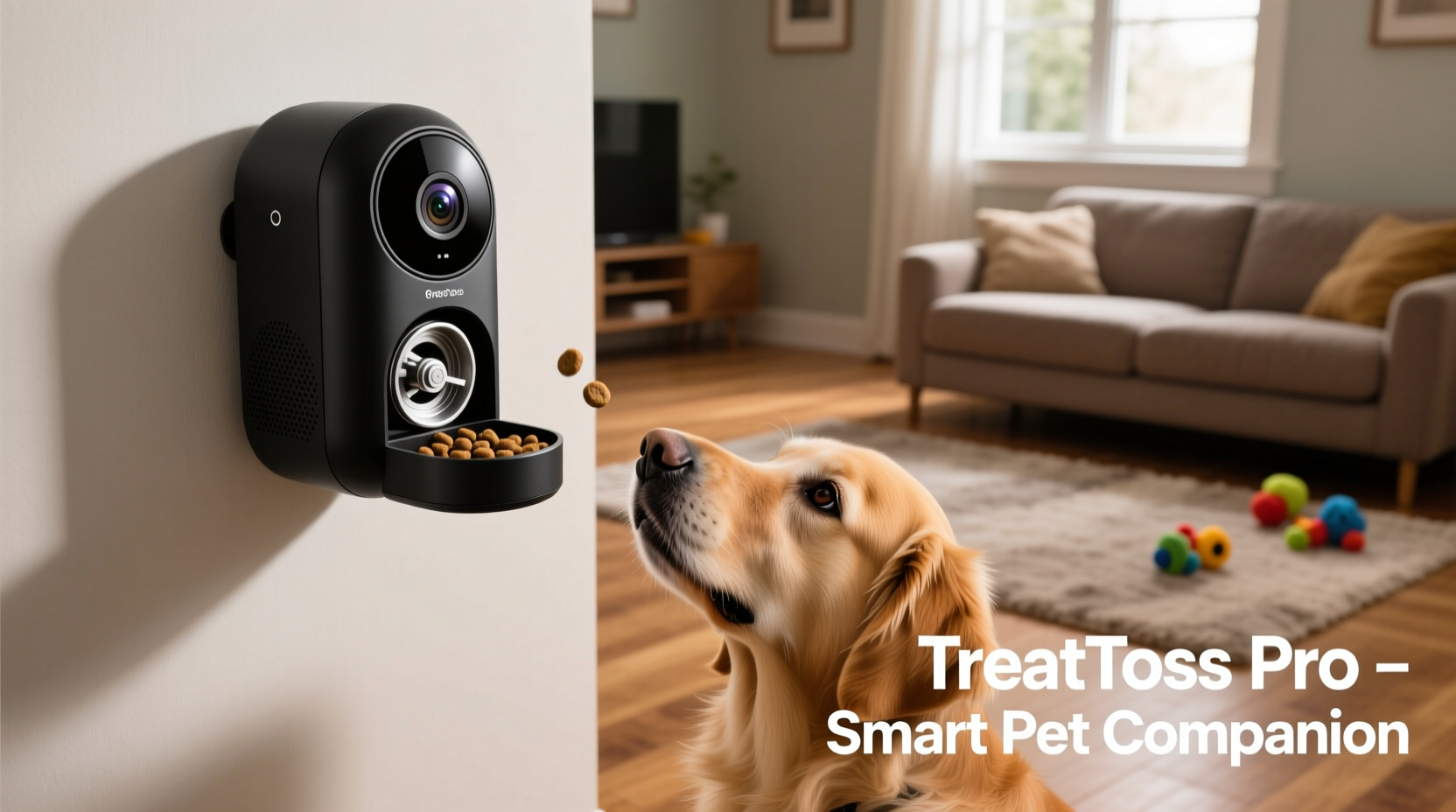
At their core, these devices combine three primary functions: live video streaming, two-way audio communication, and automated treat dispensing—all controllable via a smartphone app. Most models connect to Wi-Fi, allowing users to check in on their pets from anywhere. High-definition cameras often include night vision, motion detection alerts, and pan-tilt-zoom (PTZ) capabilities for better viewing angles.
The treat-tossing mechanism varies by brand. Some dispense one treat per command, using a rotating tray or gravity-fed chute. Others allow scheduling treats at specific times. The idea is simple: see your pet, talk to them through the built-in speaker, and reward good behavior—or simply say “I miss you” with a snack.
Popular brands like Furbo, Petcube, and WOPET dominate the market, each offering slightly different designs and feature sets. While prices range from $100 to $250, ongoing costs may include subscription services for cloud recording or advanced AI-powered behavior analysis.
Real Benefits: When These Devices Add Value
Despite skepticism, there are clear scenarios where a pet camera with treat tosser proves beneficial—not just emotionally, but practically.
- Reducing separation anxiety: For dogs prone to stress when left alone, hearing their owner's voice and receiving a treat can provide reassurance. A study published in *Applied Animal Behaviour Science* found that auditory cues from familiar humans reduced vocalization and destructive behaviors in anxious dogs.
- Positive reinforcement training: Remote treat delivery allows owners to reward calm behavior on the spot. If your dog lies quietly instead of barking during a storm, you can immediately reinforce that behavior—even if you're miles away.
- Monitoring health and habits: Unexpected changes in appetite, energy levels, or mobility can be early signs of illness. Real-time video helps catch these shifts sooner than waiting until you return home.
- Deterrent for destructive behavior: Some models include bark detection alerts or even emit high-frequency sounds to discourage nuisance barking. While not a substitute for training, this feedback loop can interrupt problematic patterns.
“Remote interaction tools aren’t replacements for proper enrichment or training, but they can serve as valuable supplements—especially for pets adjusting to new routines.” — Dr. Lydia Chen, DVM, Certified Veterinary Behaviorist
Tips for Maximizing Effectiveness
Tip: Use the treat tosser sparingly and strategically. Overuse can lead to weight gain and diminish the psychological impact of rewards. Tip: Position the camera at your pet’s eye level and ensure lighting is adequate. Poor visibility defeats the purpose of monitoring.The Gimmick Factor: Limitations and Misconceptions
While the benefits are real for some, many users discover that the novelty wears off quickly. Several factors contribute to the perception of these devices as gimmicks:
Limited Behavioral Impact
Hearing your voice and getting a treat occasionally doesn’t address the root causes of anxiety or boredom. Pets need physical exercise, mental stimulation, and consistent routines. A treat tossed remotely every few hours won't replace a midday walk or interactive play session.
Tech Reliability Issues
Connectivity problems, delayed video feeds, misfired treat launches, or mechanical jams are common complaints. One user reported their device launching treats into the wall due to calibration errors—leaving the pet confused and the floor sticky.
Inappropriate for All Pets
Cats may ignore the device entirely. Senior pets or those with dental issues might struggle with standard treats. Multi-pet households risk treat hoarding or aggression if only one animal receives food remotely.
Emotional Substitution Trap
There’s a danger of mistaking digital interaction for actual companionship. Owners may feel less guilty about long absences because they “checked in” or “gave a treat,” potentially delaying necessary lifestyle adjustments like hiring a dog walker or adopting a second pet for company.
Who Should Consider Buying One?
Not every pet owner needs this technology. However, certain profiles benefit more than others:
| User Profile | Likely Benefit | Potential Drawback |
|---|---|---|
| Dog owners with mild separation anxiety cases | Can reduce stress through timely interaction | Not effective for severe anxiety without professional intervention |
| People working from home intermittently | Easy way to engage pet during short breaks | Risk of over-rewarding attention-seeking behavior |
| Frequent travelers checking in on pets | Peace of mind and ability to interact briefly | Time zone differences may limit usability |
| Multi-cat households with dominant feeders | Minimal; likely to cause competition | Treats may be stolen before target pet gets them |
| Elderly pets needing routine checks | Monitor mobility, eating, and hydration | May require caregiver setup and maintenance |
Step-by-Step Guide to Evaluating If You Need One
Before investing in a pet camera with treat tosser, follow this decision-making process:
- Assess your pet’s daily needs: Do they get enough physical activity and mental stimulation? If not, prioritize walks, puzzle toys, or daycare before tech solutions.
- Identify specific goals: Are you trying to reduce barking? Monitor recovery after surgery? Reinforce quiet behavior? Clear objectives help determine if the device fits your needs.
- Test low-cost alternatives: Try leaving recorded voice messages or timed treat puzzles. If these work, a high-end camera may be unnecessary.
- Research models thoroughly: Read user reviews focusing on reliability, ease of cleaning, and customer support. Look for devices with solid warranties.
- Set up a trial period: If possible, borrow or rent a unit for a week. Observe how your pet responds and whether you actually use the features consistently.
- Monitor long-term usage: Track how often you interact with the device over 30 days. If usage drops below 2–3 times per week, it may not be worth the investment.
Mini Case Study: The Johnson Family’s Experience
The Johnsons adopted a rescue dog named Milo, who exhibited moderate separation anxiety. He would pace near the door and chew shoes when left alone. After consulting a trainer, they decided to try a Furbo camera as part of a broader plan that included crate training and gradual desensitization.
Initially, the device was invaluable. Sarah, who worked remotely, used it to soothe Milo during stressful moments—like thunderstorms—and rewarded him for lying calmly in his bed. Within six weeks, his pacing decreased significantly.
However, after three months, usage dropped. The family realized that while the camera helped during transition periods, Milo’s improvement came mostly from structured routines and increased morning exercise. They now use the camera primarily for occasional check-ins, not daily interactions.
Their takeaway: the treat-tossing camera was a useful bridge, not a permanent solution.
Checklist: Is a Treat-Tossing Pet Camera Right for You?
- ✅ My pet shows signs of mild stress when I'm away
- ✅ I want to monitor my pet’s behavior or health remotely
- ✅ I’m willing to integrate this into a broader care plan (not rely on it alone)
- ✅ My internet connection is stable and secure
- ✅ I can commit time to set up, clean, and maintain the device weekly
- ✅ I understand the limitations and won’t expect miracles
If you answered “no” to two or more of these, reconsider your purchase. There are often simpler, more effective ways to support your pet’s well-being.
FAQ
Can a pet camera with treat tosser stop excessive barking?
It can help interrupt barking through sound alerts or voice commands, but it won’t resolve the underlying cause—such as boredom, fear, or territorial behavior. Consistent training and environmental management are required for lasting results.
Are these devices safe for cats?
Generally yes, but effectiveness varies. Some cats are intrigued; most ignore them. Avoid using hard treats that could damage teeth. Also, ensure the device is placed securely so curious cats don’t knock it over.
Do I need a subscription to use basic features?
Most devices offer live viewing, two-way talk, and manual treat tossing without a subscription. However, cloud recording, person detection, and extended video history usually require a monthly fee ranging from $3 to $8.
Conclusion: Tool or Gimmick? It Depends on How You Use It
A pet camera with treat tosser isn’t inherently a gimmick—but it can become one if treated as a standalone fix for complex behavioral or emotional needs. Its true value emerges when integrated thoughtfully into a holistic approach to pet care. Used wisely, it offers meaningful connection, timely reinforcement, and valuable insights into your pet’s world. Used poorly, it becomes an expensive paperweight collecting dust and guilt.
Technology should enhance responsibility, not replace it. If you’re considering this device, ask yourself: am I solving a real problem, or just easing my own conscience? The answer will guide whether this gadget becomes a useful tool—or just another unopened box on the shelf.
🚀 Ready to make an informed decision? Evaluate your pet’s actual needs, test alternatives, and choose based on function—not just features. Share your experience or questions in the comments to help others navigate this modern pet parenting dilemma.








