If your cat spends most of the day napping in sunbeams and only stirs when food appears, you're not alone. Lazy cats are often low-maintenance companions—but their feeding habits can still pose challenges. Should you invest in a simple pet bowl with a mat to contain mess, or go high-tech with an automatic feeder? The answer depends on your lifestyle, your cat’s behavior, and what you’re really trying to solve.
Many owners assume automatic feeders are the “smart” choice, but for a cat that eats infrequently or slowly, a basic setup might be just as effective—and far more affordable. Let’s break down both options with practical insights, real-world scenarios, and expert-backed guidance to help you make a decision that’s actually worth your money.
Understanding Your Lazy Cat’s Needs
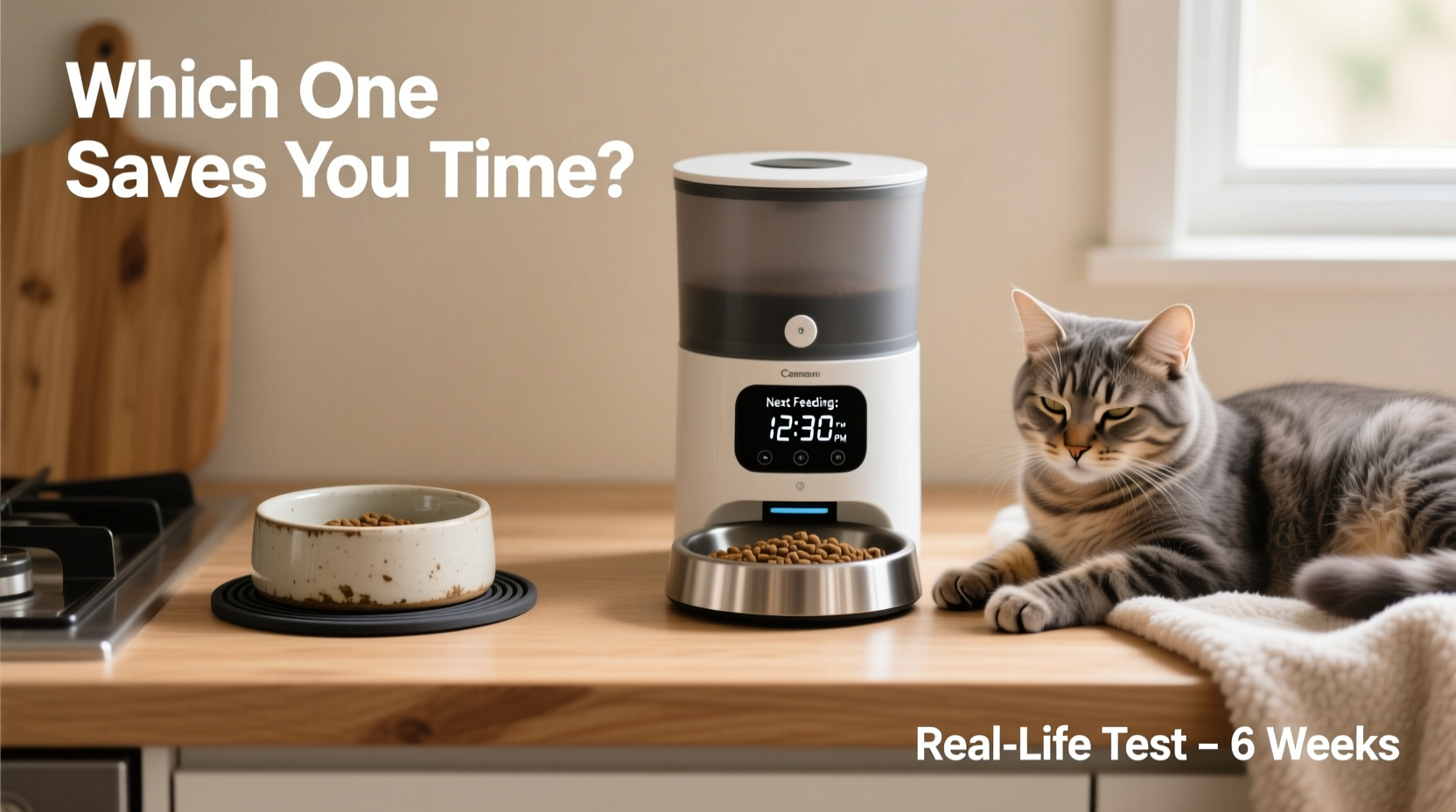
Cats labeled as “lazy” are often simply well-adjusted, confident animals who don’t feel the need to constantly patrol or hunt. In domestic settings, this translates to long naps, predictable routines, and sometimes, irregular eating patterns. These cats may graze throughout the day rather than eat set meals, making portion control and meal timing less urgent.
The key question isn’t whether your cat is lazy—it’s whether their current feeding routine supports their health. Overfeeding, inconsistent schedules, and messy eating areas can lead to weight gain, digestive issues, or behavioral problems like food guarding.
Tip: Observe your cat’s eating pattern for three days before deciding on a feeding system. Note how often they eat, how much, and if they leave food behind.Pet Bowl with Mat: Simplicity That Works
A pet bowl with a mat is one of the most straightforward solutions for managing your cat’s meals. It typically includes a non-slip base for the bowl and a waterproof mat underneath to catch spills, crumbs, and water droplets.
This setup excels in environments where the cat eats on a consistent schedule or grazes moderately. It’s ideal for owners who prefer hands-on involvement in feeding and want to maintain visual control over their pet’s intake.
High-quality mats are made from silicone or rubber, are easy to wipe clean, and prevent bowls from sliding—especially important for cats who push or paw at their dishes. Some models even include raised edges to trap liquids before they spread across the floor.
Pros of a Bowl-and-Mat System
- Inexpensive (typically $15–$30)
- Easy to clean and maintain
- No batteries, power cords, or technical failures
- Encourages owner interaction during feeding
- Reduces mess without complexity
Cons of a Bowl-and-Mat System
- No portion control unless manually managed
- Requires daily refilling and monitoring
- Not suitable for unattended feeding during travel
- Limited benefit for cats who eat normally and cleanly
Automatic Feeder: High-Tech Convenience or Overkill?
Automatic feeders dispense pre-measured amounts of dry food at scheduled times. Most models allow programming for 2–6 meals per day, include portion controls, and some even offer voice recording features to call your cat to eat.
These devices shine when you have an unpredictable schedule, travel frequently, or manage multiple pets with different feeding needs. For a lazy cat that tends to overeat when food is freely available, timed portions can help maintain a healthy weight.
However, not all automatic feeders are created equal. Lower-end models may jam, misfire, or lack durability. Premium units with stainless steel bowls, battery backups, and app connectivity can cost upwards of $100.
“Timed feeding can regulate metabolism and prevent obesity in sedentary cats—but only if the portions are appropriate.” — Dr. Lena Torres, Feline Nutrition Specialist
When an Automatic Feeder Makes Sense
- You work long or irregular hours
- Your cat has been diagnosed with obesity or diabetes
- You have multiple pets that need separate feeding schedules
- You travel occasionally and need reliable unattended feeding
When It Might Be Overkill
- Your cat eats once or twice a day and doesn’t overconsume
- You’re home most of the time and feed manually without issue
- Your cat is hesitant around mechanical noises or moving parts
- You only want it to reduce mess (a mat handles this better)
Comparison Table: Bowl with Mat vs. Automatic Feeder
| Feature | Bowl with Mat | Automatic Feeder |
|---|---|---|
| Cost | $10–$30 | $50–$150+ |
| Mess Prevention | Excellent (catches spills) | Fair (can spill during dispensing) |
| Portion Control | Manual only | Programmable |
| Schedule Flexibility | None | High (multiple meals/day) |
| Maintenance | Wipe clean daily | Regular cleaning to prevent jams |
| Best For | Homebodies, clean eaters, budget-conscious owners | Busy owners, multi-pet homes, portion-sensitive cats |
Real Example: Two Cats, Two Solutions
Sarah adopted a senior cat named Milo, known for his love of napping and slow grazing. He eats small amounts six times a day but never finishes a full bowl. Initially, Sarah bought a $120 automatic feeder to “help” him eat on time. But Milo ignored the scheduled meals, only eating when he felt like it. The feeder led to stale kibble and frustration.
After switching to a stainless steel bowl with a silicone mat, Sarah noticed fewer messes and no wasted food. She fills the bowl once in the morning, and Milo nibbles throughout the day. The mat catches stray kibble, and cleanup takes seconds.
In contrast, her friend James uses a dual-compartment automatic feeder for his two cats—one dominant, one shy. The feeder ensures the shy cat gets her share without competition. For James, the investment was essential.
The takeaway? Context matters more than technology.
Step-by-Step: Choosing the Right Option for Your Cat
- Track your cat’s eating habits for 3–5 days. Record when they eat, how much, and if they leave food.
- Evaluate your schedule. Are you gone for long stretches? Do you feed at consistent times?
- Assess mess level. Is spilled kibble or water a daily problem?
- Determine health needs. Does your cat need portion control or scheduled meals for medical reasons?
- Set a budget. Decide how much you’re willing to spend for convenience vs. simplicity.
- Test one solution. Start with the cheaper option (bowl and mat) and upgrade only if needed.
Checklist: What to Consider Before Buying
- ✅ Does my cat overeat when food is always available?
- ✅ Am I often away during normal feeding times?
- ✅ Is food mess a persistent cleaning issue?
- ✅ Do I have multiple pets with different needs?
- ✅ Is my cat skittish around noise or movement?
- ✅ Can I commit to daily manual feeding?
FAQ
Can I use wet food in an automatic feeder?
Most automatic feeders are designed for dry kibble only. Wet food spoils quickly and can clog mechanisms. Some premium models offer refrigerated compartments, but these are rare and expensive. For wet food, manual feeding is safer and more hygienic.
Will a bowl mat stop my cat from knocking over the dish?
A non-slip mat significantly reduces sliding and tipping, especially when paired with a weighted or anti-tip bowl. While no system is foolproof, a good mat prevents 80% of common spills caused by pawing or pushing.
Do automatic feeders work for lazy cats?
Only if the cat approaches the feeder when food is dispensed. Some lazy cats won’t move for food unless it’s placed right in front of them. Test your cat’s responsiveness before investing.
Final Verdict: What’s Actually Worth the Money?
For most owners of lazy cats, a pet bowl with a mat is the smarter, more practical investment. It solves the most common problem—mess—without introducing unnecessary complexity or cost. If your cat eats steadily, doesn’t overindulge, and you’re home regularly, there’s little added value in automation.
An automatic feeder becomes worth the money only when specific needs arise: strict portion control, scheduling for absent owners, or managing multiple pets. Even then, reliability and ease of cleaning should outweigh flashy features like Wi-Fi or voice commands.
Don’t confuse innovation with necessity. A $25 silicone mat can outperform a $100 gadget if your goal is cleanliness and simplicity. Prioritize function over features, and always let your cat’s behavior—not marketing claims—guide your decision.
💬 Have a lazy cat? Share your feeding setup and what works (or doesn’t) for you. Your experience could help another pet owner avoid a costly mistake!








