
Dog toys have evolved from simple rubber bones into a multi-million-dollar industry filled with novelty, branding, and humor. In recent years, parody dog toys—those modeled after pop culture items like tiny wine bottles labeled “Mom Juice” or squeaky avocados stamped with “Millennial.”—have flooded pet stores and social media feeds. They’re undeniably entertaining for humans, but the real question remains: Do dogs actually care if their toys are funny?
The answer isn’t as straightforward as it seems. While dogs don’t appreciate satire or irony, the design elements that make a toy “funny” to us—bright colors, unique shapes, unexpected sounds—can sometimes align with what captures a dog’s attention. Understanding the difference between human amusement and canine functionality is key to choosing toys that are both safe and engaging.
The Rise of Parody Dog Toys
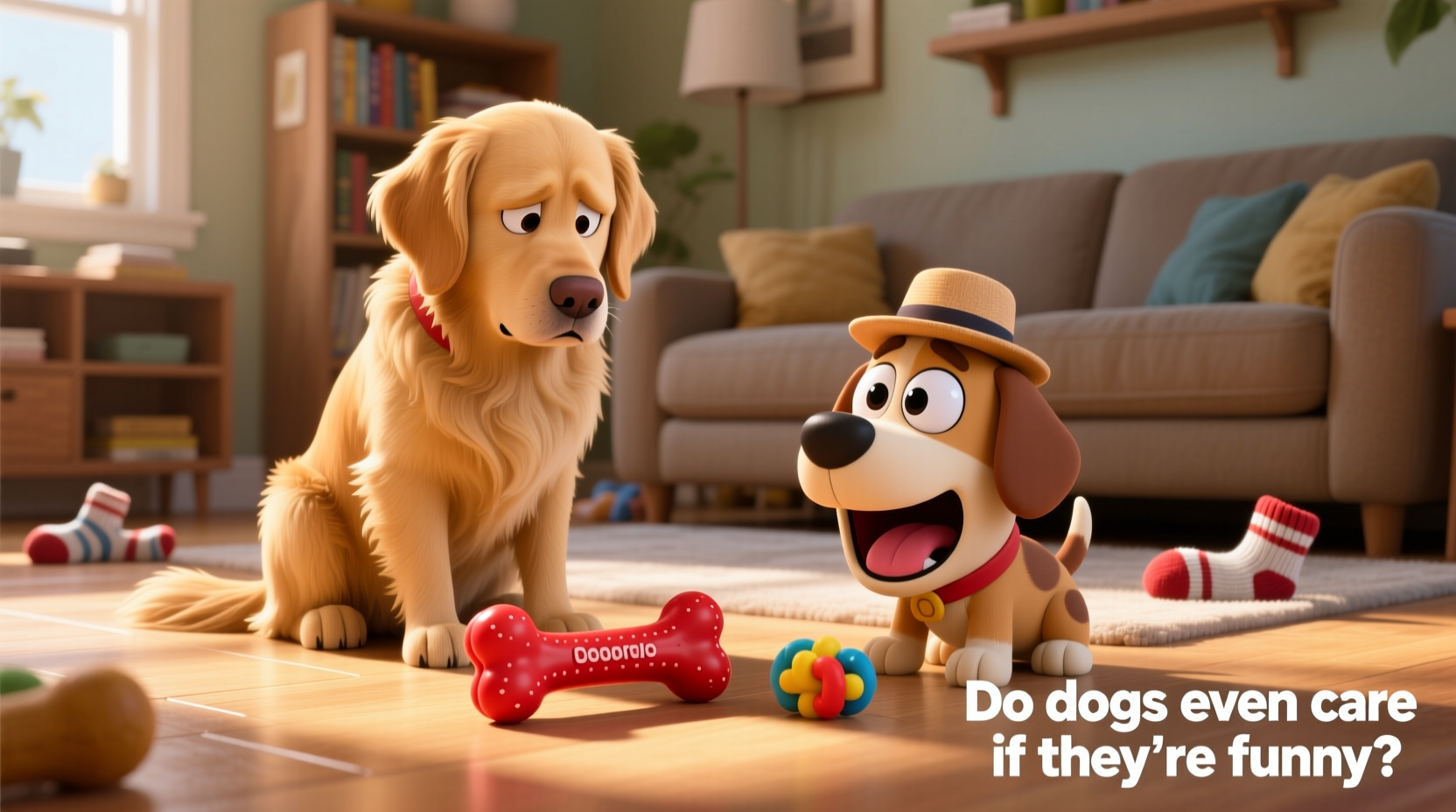
Parody dog toys emerged alongside the pet humanization trend. As more owners treat their pets like family members, they seek products that reflect their own lifestyle and sense of humor. A squeaky taco shaped like a fast-food menu item might make a person laugh, prompting an Instagram post and a quick purchase. These toys often go viral because of their aesthetic appeal and relatability to modern pet parenting culture.
However, their popularity doesn't always correlate with practicality. Many parody toys prioritize visual novelty over durability, sound variety, or texture—factors that matter far more to dogs than whether a chewable object looks like a miniature cappuccino cup.
Tip: Just because a toy is trending online doesn’t mean it’s suitable for your dog’s play style or chewing strength.What Dogs Actually Care About in Toys
Dogs interact with toys based on instinct, sensory input, and learned behavior. Their preferences are driven by factors such as texture, sound, size, movement, and scent—not comedic value. Here’s what truly engages most dogs:
- Squeakers: Mimic prey sounds, triggering chase and kill instincts.
- Texture: Soft plush for cuddling, tough rubber for aggressive chewers.
- Movement: Erratic bounce or roll patterns stimulate predatory drive.
- Scent: Some dogs prefer toys infused with bacon or other food smells.
- Size & Shape: Must be appropriate for the dog’s mouth and play style (e.g., toss, tug, or chew).
A study conducted by the University of Bristol’s School of Veterinary Sciences found that dogs showed no preference between a standard rubber ball and a novelty-shaped toy when both had identical bounce and texture. Engagement increased only when auditory or tactile stimulation was enhanced—regardless of appearance.
“Dogs respond to function, not fashion. A squeak is exciting; a pun is meaningless.” — Dr. Lena Torres, Canine Behavior Researcher, Animal Cognition Lab
Comparing Parody vs Traditional Dog Toys
To better understand how these two categories stack up, here's a side-by-side comparison based on key performance criteria:
| Feature | Parody Toys | Traditional Toys |
|---|---|---|
| Design Purpose | Entertain owners; market-driven humor | Stimulate natural behaviors; promote exercise |
| Durability | Often low—plush materials, weak seams | Generally high—rubber, nylon, reinforced stitching |
| Engagement Level | Variable—depends on added features (squeak, crinkle) | Consistently high—engineered for interaction |
| Safety | Riskier—small parts, toxic inks, stuffing | Better regulated—non-toxic, tested materials |
| Price | Higher due to branding and novelty | More affordable, bulk options available |
| Lifespan | Short—often destroyed within days | Long—some last months or years |
This table reveals a critical insight: while parody toys may win on shelf appeal, traditional toys consistently outperform them in areas that affect actual dog use and well-being.
Real-World Example: The Case of Max the Terrier
Consider Max, a 3-year-old Jack Russell Terrier known for his intense chewing habits. His owner, Sarah, bought him a popular parody toy: a plush “avocado toast” with a squeaker inside. It arrived beautifully packaged and made for a great photo op. Within 20 minutes, Max had torn open the seam, removed the squeaker, and scattered synthetic fiber across the living room.
Frustrated but determined, Sarah switched to a classic Kong Classic toy. She stuffed it with peanut butter and froze it overnight. Max spent nearly 45 minutes working to extract the treat, remained calm afterward, and showed no interest in destructive chewing that evening.
The contrast wasn’t about humor—it was about purpose. One toy entertained Sarah for a day. The other engaged Max mentally and physically for weeks, becoming a staple in his routine.
How to Choose the Right Toy: A Practical Checklist
Whether you're drawn to novelty or stick to classics, use this checklist to ensure your dog gets the most out of their toys:
- ✅ Match the toy to your dog’s size and chewing strength
- ✅ Look for non-toxic materials and secure construction
- ✅ Prioritize interactive features (squeakers, treat compartments, bounciness)
- ✅ Avoid small parts that can be swallowed
- ✅ Rotate toys weekly to maintain interest
- ✅ Supervise playtime, especially with plush or novelty items
- ✅ Discard any toy with frayed edges or exposed filling
When Parody Toys Can Work (And When They Shouldn’t)
That said, parody toys aren’t inherently bad. Some incorporate durable materials and functional elements, blending humor with usability. For example, a rubber toy shaped like a cocktail but designed with erratic bounce and ridges for teeth cleaning can be both fun for the owner and stimulating for the dog.
The issue arises when form completely overrides function. If a toy is made primarily for social media shares and lacks structural integrity, it becomes a liability rather than a plaything. Additionally, some parody designs include printed slogans using inks that haven’t been tested for pet safety—posing potential health risks if ingested.
The best approach? Treat parody toys like occasional treats. They can add variety and fun to your dog’s collection, but shouldn’t replace core toys designed for mental stimulation, dental health, or physical exercise.
FAQ
Can dogs get bored with traditional toys?
Yes, but boredom usually stems from lack of variety or challenge, not appearance. Rotating toys, introducing puzzle feeders, or adding scents (like a drop of broth) can renew interest in older favorites.
Are parody toys safe for puppies?
Use caution. Puppies explore the world with their mouths and are more likely to swallow pieces. Stick to soft, durable, and washable toys labeled specifically for teething or puppy use—even if they’re not “funny.”
Do dogs prefer certain colors?
Dogs see the world differently than humans. They distinguish blue, yellow, and gray best. A bright yellow banana-shaped toy may stand out more than a red one, regardless of its comedic intent.
Final Thoughts: Fun for Us, Function for Them
Dogs don’t care if their toys are funny—but we do. And there’s nothing wrong with wanting joy from our pet purchases. Humor connects us to our pets in emotional ways, reinforcing the bond we share. The danger lies in letting human-centric design override canine needs.
The most effective dog toys serve a purpose: satisfying instincts, encouraging healthy behavior, and keeping dogs safe. Whether it’s a $3 rubber disc or a $20 unicorn latte plush, the true test is how your dog interacts with it—not how many likes it gets online.
So go ahead and buy that silly toy if it makes you smile. Just don’t expect your dog to laugh. Instead, pair it with proven, functional options that support their physical and mental well-being. Balance entertainment with responsibility, and both you and your dog will benefit.
💬 Have a favorite dog toy that surprised you with how much your pet loved it—funny or not? Share your story in the comments and help others find toys that delight dogs, not just their owners!








