
Rabbit owners often become alarmed when they notice a change in their pet’s urine color—especially when it turns orange. While this can be unsettling, orange urine in rabbits is not always a sign of serious illness. In fact, it’s frequently a normal variation influenced by diet, hydration, and metabolism. However, persistent or abnormal discoloration may point to underlying health issues that require prompt attention. Understanding the difference between harmless pigmentation and potential medical problems is essential for responsible rabbit care.
Why Rabbit Urine Changes Color
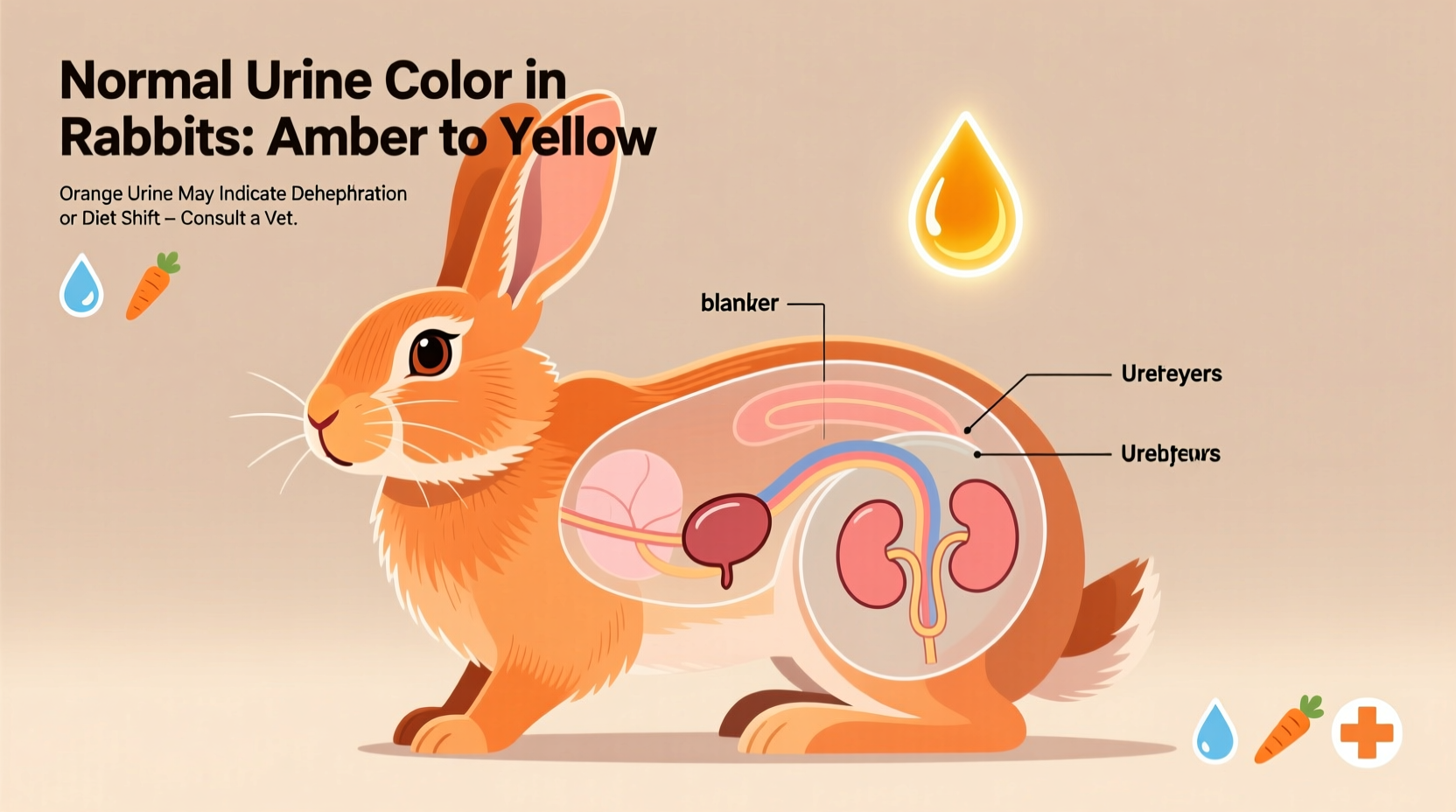
Rabbits naturally produce urine that varies in color more than most mammals. Their urinary system processes plant-based diets rich in calcium and pigments, which directly affect urine appearance. The kidneys excrete excess calcium through the urine—a process called hypercalciuria—which can give urine a cloudy or chalky look. Additionally, certain foods contain compounds that alter urine color without indicating disease.
Common colors include:
- Clear yellow to golden: Normal and healthy
- Cloudy white or milky: High calcium levels; common in adult rabbits
- Orange or brownish-orange: Often due to dietary pigments or dehydration
- Red or pink: Can be mistaken for blood; sometimes caused by plant pigments (e.g., from carrots or beets)
- Dark red or rust-colored with sediment: May indicate hematuria (blood in urine) or bladder sludge
The key is observing patterns: Is the color change temporary? Does it correlate with new foods? Are there behavioral changes?
Tip: Use white litter trays to easily monitor urine color and consistency over time.Dietary Causes of Orange Rabbit Pee
One of the most frequent reasons for orange-tinted urine is diet. Rabbits consuming large amounts of foods high in beta-carotene or plant pigments often pass colored urine. These pigments are metabolized and excreted, temporarily altering urine hue.
Foods known to cause orange or reddish urine include:
- Carrots and carrot tops
- Parsnips
- Beet greens (not necessarily beets themselves)
- Spinach and kale (in excess)
- Commercial pellets with artificial coloring (rare but possible)
This type of discoloration is typically harmless and resolves within 24–48 hours after removing the food source. No treatment is needed unless other symptoms develop.
“Pigment-induced urine color changes are common in herbivores like rabbits. It’s crucial not to jump to conclusions without evaluating clinical signs.” — Dr. Laura Bennett, Exotic Veterinarian & Small Mammal Specialist
When Orange Urine Signals a Health Problem
While diet is the usual culprit, orange urine can occasionally reflect medical conditions, especially if accompanied by other symptoms. Key warning signs include:
- Straining to urinate
- Frequent small urinations or dribbling
- Lethargy or decreased appetite
- Blood clots or thick sediment in urine
- Strong ammonia-like odor
- Soiled fur around the genital area
Potential medical causes include:
- Bladder sludge or urolithiasis: Calcium carbonate buildup in the urinary tract leading to gritty deposits. Can cause irritation and secondary infection.
- Urinary tract infections (UTIs): More common in older or immunocompromised rabbits. May present with cloudy, foul-smelling, or discolored urine.
- Kidney disease: Impaired filtration can lead to pigment concentration or blood leakage into urine.
- Dehydration: Concentrated urine appears darker and may take on an orange or amber tint.
If orange urine persists beyond two days after dietary review, or if your rabbit shows discomfort, veterinary evaluation is strongly recommended.
Step-by-Step: Responding to Orange Rabbit Urine
Follow this timeline to assess whether intervention is needed:
- Day 1 – Observe and record: Note the exact color, frequency, and volume of urination. Check for straining or vocalization during elimination.
- Review recent diet: Identify any new vegetables, treats, or pellet changes introduced in the past 48 hours.
- Switch to plain hay and water: Temporarily eliminate colorful veggies. Provide unlimited timothy hay and fresh water.
- Monitor for 24–48 hours: If urine returns to normal yellow, the cause was likely dietary.
- Seek vet care if: Discoloration continues, behavior changes, or physical symptoms appear.
Do’s and Don’ts of Managing Rabbit Urine Concerns
| Do’s | Don’ts |
|---|---|
| Use a white litter box to monitor urine color accurately | Assume all red/orange urine is blood |
| Ensure constant access to fresh water | Withhold food or water “to see what happens” |
| Track changes in litter habits daily | Administer human medications or antibiotics without veterinary guidance |
| Schedule annual wellness exams with an exotic vet | Ignore persistent cloudiness or grit in urine |
| Feed a balanced diet: 80% hay, 15% greens, 5% pellets/treats | Overfeed calcium-rich greens like spinach or kale |
Real-Life Example: Bella the Lop Rabbit
Bella, a 3-year-old Holland Lop, began producing dark orange urine over a weekend. Her owner, concerned about internal bleeding, scheduled an urgent vet visit. Upon examination, Bella was bright, eating well, and showed no signs of pain. The veterinarian reviewed her diet and discovered she had been given a large portion of cooked carrots and parsley daily for the past three days as a “treat boost.”
No diagnostic tests were immediately necessary. The vet advised discontinuing the carrots and parsley and switching back to her regular hay-based diet. Within 36 hours, Bella’s urine returned to a pale yellow. This case highlights how dietary factors alone can cause dramatic visual changes without pathology.
Tip: Introduce new foods gradually—one new item every 3–5 days—to identify triggers for digestive or urinary changes.Frequently Asked Questions
Is orange rabbit pee always a sign of illness?
No. Orange urine is often caused by dietary pigments from foods like carrots or leafy greens. If your rabbit is active, eating normally, and shows no discomfort, the discoloration is likely benign and temporary.
How can I tell if my rabbit has a urinary tract infection?
Signs of UTI include frequent attempts to urinate with little output, crying during urination, blood in the urine, lethargy, and reduced appetite. A vet can confirm diagnosis through urine culture and physical exam.
Should I test my rabbit’s urine at home?
Home dipstick tests exist but are difficult to interpret accurately in rabbits due to their unique urinary chemistry. False positives for blood are common. Always consult a veterinarian before drawing conclusions from home testing.
Preventive Care Checklist
Maintain long-term urinary health with these proactive steps:
- ✅ Feed unlimited grass hay (timothy, orchard, meadow)
- ✅ Limit high-calcium vegetables (kale, spinach, chard)
- ✅ Provide fresh water daily (change bowls twice a day)
- ✅ Clean litter boxes daily to prevent bacterial growth
- ✅ Weigh your rabbit monthly to catch weight loss early
- ✅ Schedule biannual checkups with an exotic-savvy vet
- ✅ Monitor urine color weekly using a light-colored tray
Conclusion: Stay Calm, Stay Observant
Seeing orange rabbit pee can trigger concern—but in most cases, it’s a normal response to diet rather than a medical emergency. The real skill lies in distinguishing routine variation from genuine warning signs. By understanding the role of nutrition, hydration, and rabbit physiology, you can make informed decisions without unnecessary stress.
Your rabbit relies on you to notice subtle shifts in behavior and bodily functions. When in doubt, err on the side of caution and consult a qualified veterinarian. With attentive care, most urinary issues can be prevented or managed effectively before they escalate.
💬 Have you experienced unusual urine color in your rabbit? Share your story or questions below—your experience could help another pet owner stay calm and informed.








