
For pet owners seeking a wholesome, protein-rich diet that supports canine health without compromising on digestibility, the Kirkland Signature Salmon and Sweet Potato formula stands out among commercial dry dog foods. Marketed under Costco’s private label, this grain-free recipe has gained popularity not only for its affordability but also for its focus on limited ingredients, high animal protein content, and inclusion of nutrient-dense complex carbohydrates. With rising concerns about artificial additives, low-quality fillers, and allergens in mass-market pet foods, many are turning to formulations like this one—crafted to mimic ancestral canine diets while remaining accessible and practical for everyday feeding.
This article examines the nutritional profile, ingredient quality, and functional benefits of the Kirkland Signature Natural Dog Food with deboned salmon as the primary ingredient and sweet potatoes as the main carbohydrate source. It explores why this formulation is particularly beneficial for dogs with sensitivities, how it compares to other leading brands, and what pet parents should consider when incorporating it into long-term feeding plans. Whether you're evaluating premium kibble options or managing dietary restrictions in your dog, understanding the science behind this formula empowers informed decision-making.
Definition & Overview
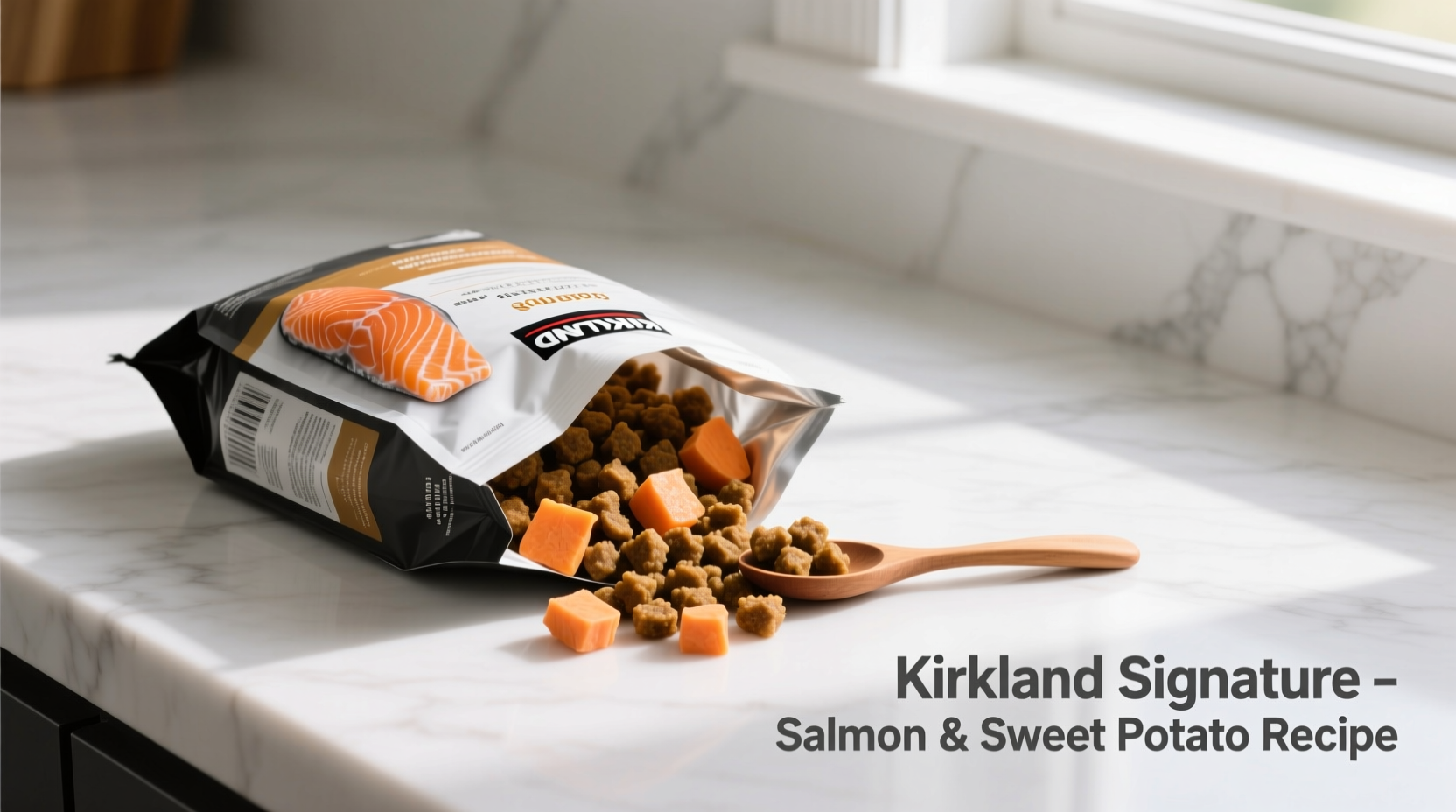
The Kirkland Signature Salmon and Sweet Potato Dry Dog Food is a commercially available kibble produced by Diamond Pet Foods for Costco Wholesale Corporation. It falls within the category of natural, grain-free canine diets designed to provide balanced nutrition using real meat as the first ingredient and easily digestible plant-based energy sources. The formula excludes corn, wheat, soy, and artificial preservatives, aligning with current trends toward minimalist, biologically appropriate pet nutrition.
Salmon serves as the primary protein source, offering a rich supply of omega-3 fatty acids, essential amino acids, and highly bioavailable nutrients. Sweet potatoes replace traditional grains as the principal carbohydrate, delivering slow-release energy, dietary fiber, and key vitamins such as A, C, and B6. This combination supports skin and coat health, joint function, immune response, and gastrointestinal stability—particularly important for breeds prone to food intolerances or inflammatory conditions.
The product is formulated to meet the nutritional levels established by the AAFCO (Association of American Feed Control Officials) Dog Food Nutrient Profiles for all life stages, meaning it can be fed to puppies, adults, and senior dogs alike. However, due to its moderate calorie density and protein level, it's often best suited for adult maintenance or active dogs rather than rapidly growing large-breed puppies who may require more precise calcium-to-phosphorus ratios.
Key Characteristics
| Characteristic | Description |
|---|---|
| Primary Protein Source | Deboned salmon (first ingredient) |
| Carbohydrate Base | Sweet potatoes, peas, potatoes |
| Grain-Free | Yes – no corn, wheat, or soy |
| Fat Content | Approximately 15% (from salmon, fish meal, canola oil) |
| Protein Level | 25% minimum crude protein |
| Fiber Content | 4% minimum – supports digestive regularity |
| Omega Fatty Acids | Rich in omega-3 (EPA/DHA from salmon) and omega-6 |
| Additives | Includes probiotics, glucosamine, chondroitin, taurine |
| Preservation Method | Mixed tocopherols (natural vitamin E), no BHA/BHT |
| Life Stage Suitability | All life stages, though ideal for adult maintenance |
Practical Usage: How to Use This Dog Food Effectively
Introducing any new dog food requires careful transition to prevent gastrointestinal upset. For optimal results with the Kirkland salmon and sweet potato formula, follow a gradual 7-day switch protocol:
- Days 1–2: Mix 25% new food with 75% old food.
- Days 3–4: Use a 50/50 blend of both foods.
- Days 5–6: Increase to 75% new food, 25% original.
- Day 7: Feed 100% Kirkland salmon and sweet potato formula.
Dogs with known food sensitivities—especially to chicken, beef, or dairy—often respond well to salmon-based diets because fish is considered a novel protein. Since this formula avoids common allergens like corn and soy, it may reduce symptoms such as chronic itching, ear infections, gas, or loose stools linked to dietary triggers.
Portion control remains critical. While the food is nutritionally dense, overfeeding can lead to weight gain, especially in less active or spayed/neutered dogs. Refer to the feeding chart on the bag based on your dog’s weight, age, and activity level. As a general guideline:
- A 20 lb (9 kg) dog typically needs about 1 to 1¼ cups per day.
- A 50 lb (23 kg) dog may require 2¼ to 2¾ cups daily, split into two meals.
- Active working or sporting dogs may need up to 30% more depending on exertion.
TIP: Soak kibble in warm water for 10 minutes before serving if your dog has dental issues or prefers softer textures. This also increases hydration, which supports kidney function and urinary tract health.
This formula works well as a standalone diet but can also serve as a base for homemade supplementation. Some owners enhance meals with cooked pumpkin (for fiber), plain Greek yogurt (probiotics), or a teaspoon of fish oil (extra omega-3s). Avoid adding table scraps high in fat or salt, as these can disrupt the nutritional balance.
Variants & Types
Kirkland offers multiple formulas under its Signature line, each tailored to different dietary needs and preferences. Understanding these variants helps determine whether the salmon and sweet potato version is the best fit for your pet.
Available Kirkland Dog Food Variants:
- Salmon & Sweet Potato (Grain-Free): Ideal for dogs with grain sensitivities or those benefiting from higher omega-3 intake.
- Chicken, Lamb & Rice (With Grains): Contains whole grains like brown rice and barley; suitable for dogs without grain allergies and needing gentler digestion support.
- Whitefish & Potato (Veterinary Formula – Low Residue): A limited-ingredient diet often recommended post-surgery or during GI recovery.
- Puppy Formula (Chicken-Based): Higher in protein and fat to support growth, with DHA for brain development.
The salmon and sweet potato variant occupies a middle ground—offering the benefits of a grain-free, limited-ingredient profile without being overly restrictive. Unlike veterinary-exclusive hydrolyzed protein diets, it uses whole-food ingredients, making it appropriate for preventive nutrition rather than acute medical treatment.
When comparing across types, note that the grain-free versions tend to use legumes (peas, lentils) more heavily as binders and protein extenders. While generally safe, some studies have raised questions about potential links between certain grain-free diets and dilated cardiomyopathy (DCM) in genetically predisposed breeds (e.g., Doberman Pinschers, Golden Retrievers). Though causation has not been proven, the FDA continues to investigate diets high in legumes and potatoes. Consult your veterinarian if your dog belongs to a breed at risk for heart disease.
Comparison with Similar Ingredients
Many premium dog food brands offer salmon and sweet potato recipes. Comparing Kirkland’s formulation against competitors reveals notable differences in cost, sourcing, and nutrient composition.
| Brand | Price per Pound | First Ingredient | Protein % | Notable Features |
|---|---|---|---|---|
| Kirkland Salmon & Sweet Potato | $1.80–$2.10 | Deboned salmon | 25% | Affordable, includes glucosamine, probiotics, taurine |
| Wellness Simple Salmon & Potato | $3.50–$4.00 | Salmon | 27% | Single-source protein, fewer ingredients, vet-recommended |
| Nature's Variety Instinct Salmon Grain-Free | $4.20–$4.70 | Salmon | 37% | Raw-coated kibble, higher protein, freeze-dried pieces included |
| Blue Buffalo Basics Salmon & Potato | $3.00–$3.40 | Salmon | 24% | Limited ingredient, LifeSource Bits added |
Kirkland holds a distinct advantage in price-to-nutrition ratio. At nearly half the cost of many “boutique” brands, it delivers comparable or superior levels of functional additives like glucosamine and chondroitin—nutrients vital for joint health in aging or active dogs. Its inclusion of taurine supports cardiac function, an important consideration given recent concerns about diet-related DCM.
However, unlike some higher-end brands, Kirkland does not feature raw elements, freeze-dried components, or named organ meats. It also contains pea protein, which some holistic nutritionists caution against in excess due to anti-nutrient content and potential renal load. Still, for budget-conscious families wanting reliable, science-backed nutrition without sacrificing core quality markers, Kirkland remains a strong contender.
Practical Tips & FAQs
Is Kirkland salmon and sweet potato dog food good for dogs with allergies?
Yes. Because it uses salmon—a novel protein for most dogs—and omits common allergens like chicken, beef, corn, wheat, and soy—it is frequently used as part of an elimination diet to identify food sensitivities. However, true allergy diagnosis requires veterinary guidance and strict dietary trials lasting 8–12 weeks.
Can I feed this to my puppy?
Technically yes, since it meets AAFCO standards for all life stages. However, puppies—especially large or giant breeds—benefit from formulas specifically calibrated for growth, with controlled calcium levels and higher DHA content. Consider switching to a dedicated puppy formula until maturity, then transitioning to this adult-friendly blend.
How should I store this dog food?
Store in a cool, dry place away from sunlight. Once opened, keep the bag sealed tightly or transfer contents to an airtight container to preserve freshness and prevent oxidation of fats. Do not store in humid areas like garages or basements where mold can develop. Shelf life is approximately 12–14 months unopened; use within 6–8 weeks after opening for optimal nutrient retention.
Does this food contain taurine?
Yes. Taurine is listed among the added nutrients. While dogs can synthesize taurine from sulfur-containing amino acids (cysteine and methionine), some breeds—particularly Cocker Spaniels and Newfoundlands—may benefit from direct supplementation, especially on lamb or fish-based diets where precursor availability varies.
What are the signs my dog isn’t tolerating this food?
Monitor for persistent vomiting, diarrhea, excessive flatulence, greasy coats, lethargy, or increased scratching. These could indicate intolerance or poor digestibility. Rule out other causes such as parasites or underlying illness before concluding it’s the food. If problems persist beyond two weeks on a consistent diet, consult your veterinarian.
Is there a recall history for this product?
As of 2024, the Kirkland salmon and sweet potato formula has not been subject to a major recall. However, Diamond Pet Foods—the manufacturer—has had past recalls related to salmonella contamination in other lines (not this specific formula). Always check the lot number and expiration date, and register your purchase with the brand for recall alerts.
PRO TIP: Rotate proteins every few months to broaden your dog’s nutrient exposure and reduce the risk of developing sensitivities. For example, alternate between the salmon formula and a lamb or duck-based food every 3–4 months, ensuring smooth transitions each time.
“A consistent, high-quality diet forms the foundation of lifelong canine wellness. When clients ask about affordable yet nutritious options, I often point them to the Kirkland salmon and sweet potato formula—it checks most boxes: real meat first, no artificial junk, joint support, and a fair price.” — Dr. Elena Rodriguez, DVM, Canine Nutrition Specialist
Summary & Key Takeaways
The Nutritious Kirkland Salmon and Sweet Potato Dog Food Option represents a compelling choice for pet owners prioritizing ingredient quality, digestibility, and value. Built around deboned salmon and complex carbohydrates like sweet potatoes, it provides sustained energy, promotes healthy skin and coat, and supports joint and heart function through targeted supplementation.
Its grain-free, limited-ingredient profile makes it especially useful for dogs with food sensitivities, while its affordability allows long-term use without financial strain. Though not a raw or ultra-premium product, it outperforms many higher-priced alternatives in terms of functional nutrient inclusions such as glucosamine, chondroitin, probiotics, and taurine.
Critical considerations include proper transition protocols, portion management, and awareness of ongoing discussions around legume-heavy grain-free diets and cardiac health. Always assess your individual dog’s breed, age, activity level, and medical history when selecting a food.
In summary:
- ✔ High-quality animal protein from salmon enhances muscle maintenance and immune function.
- ✔ Sweet potatoes offer digestible energy and antioxidants without relying on grains.
- ✔ Free of corn, wheat, soy, and artificial preservatives—ideal for sensitive systems.
- ✔ Includes joint-supporting compounds and taurine for comprehensive wellness.
- ✔ Offers exceptional value compared to similarly formulated premium brands.
Final Thought: Nutrition is preventive medicine. Choosing a thoughtfully crafted kibble like Kirkland’s salmon and sweet potato formula isn't just about feeding—it's about investing in your dog’s vitality, longevity, and quality of life. Pair it with regular vet checkups, clean water, and daily exercise for optimal outcomes.









