For modern travelers in search of respite from the pace of urban life, the Nutmeg Inn stands as a quiet beacon of comfort, authenticity, and thoughtful design. Nestled in a tranquil region—perhaps among rolling hills, dense woodlands, or near a historic village—the inn offers more than just a place to rest; it provides an immersive experience rooted in local culture, seasonal cuisine, and intimate hospitality. Unlike generic chain accommodations, the Nutmeg Inn embodies the ethos of slow travel: encouraging guests to linger, connect, and rediscover the pleasure of simplicity. Whether you're embarking on a solo journey, a romantic escape, or a reflective sabbatical, this retreat redefines what it means to truly arrive.
Definition & Overview
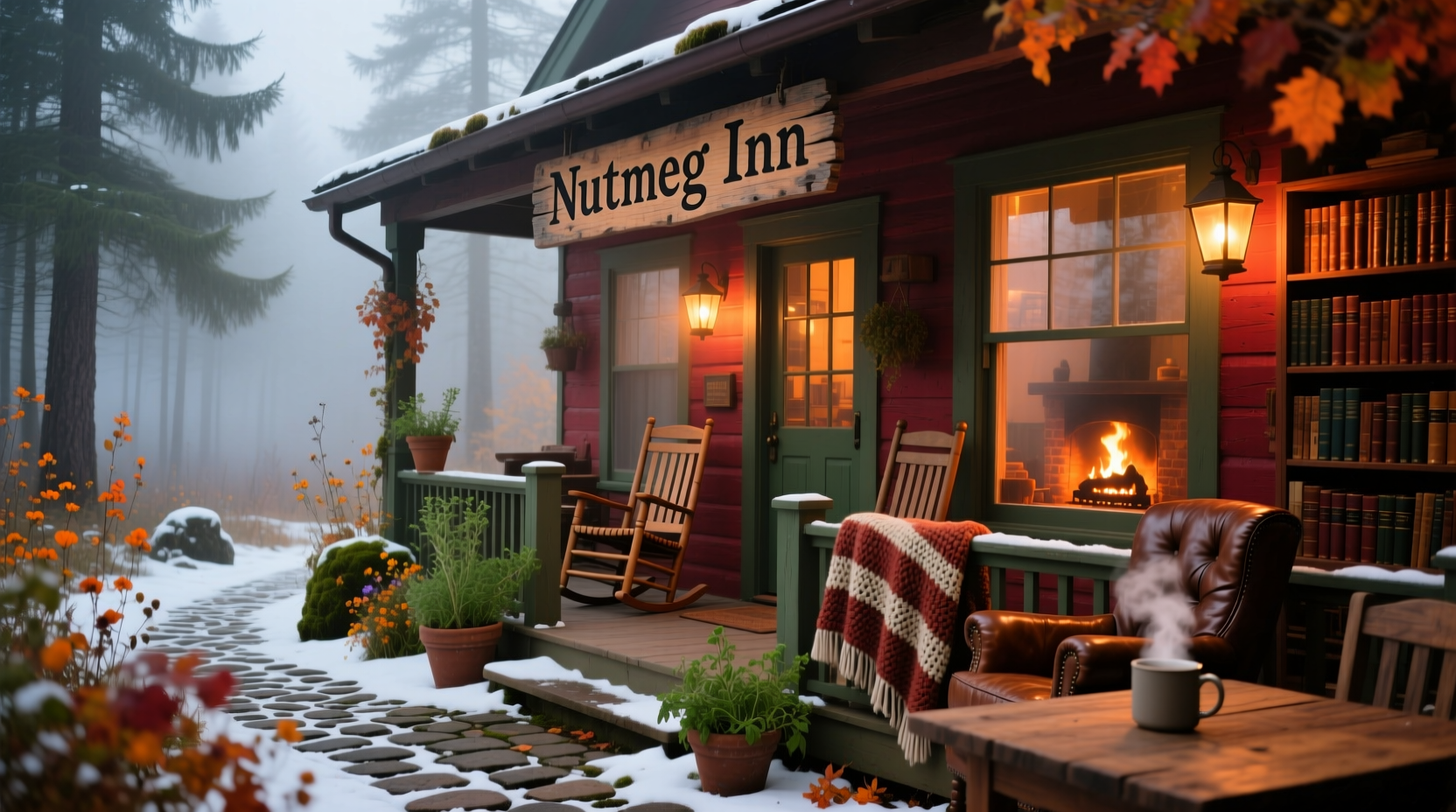
The term \"Nutmeg Inn\" does not refer to a globally standardized hotel brand but rather evokes a class of boutique, independently operated lodgings that prioritize atmosphere, craftsmanship, and regional character. While some may be formally named “Nutmeg Inn,” others adopt the spirit it represents: warmth, spice, and subtle richness—much like the nutmeg seed itself, which symbolizes comfort and depth in culinary traditions worldwide.
Typically located in rural or semi-rural settings, these inns are often housed in restored historic buildings—a converted farmhouse, a 19th-century manor, or a repurposed carriage house—where original architectural details meet curated modern comforts. The name suggests both familiarity and intrigue: nutmeg is a spice associated with home cooking, holiday baking, and Old World apothecaries, while “Inn” implies conviviality, shelter, and storytelling. Together, they form a metaphor for refuge with soul.
What distinguishes the Nutmeg Inn concept from other boutique stays is its emphasis on sensory harmony. From the scent of cinnamon and toasted nuts in the common areas to handmade quilts and locally sourced breakfasts, every detail is designed to create continuity between environment, nourishment, and emotional well-being. It’s not merely about lodging—it’s about cultivating presence.
Key Characteristics
| Feature | Description |
|---|---|
| Ambiance | Warm, rustic-chic interiors with natural materials (wood, stone, linen), soft lighting, and curated vintage accents. |
| Location | Often in countryside, mountain, or lakeside regions; accessible yet secluded enough to offer peace. |
| Guest Experience | Personalized service, limited room count (usually under 15), opportunities for guest-host interaction. |
| Culinary Focus | Breakfast-centric dining using seasonal, local ingredients—often featuring baked goods, preserves, and herbal teas. |
| Sustainability | Emphasis on eco-conscious practices: composting, reusable amenities, energy efficiency, and support for local artisans. |
| Noise Level | Low; sound insulation, quiet hours, and absence of large groups or events ensure restful stays. |
| Stay Duration | Ideal for 2–5 night visits; encourages immersion over transit. |
Practical Usage: How to Experience the Nutmeg Inn Ethos
While the physical Nutmeg Inn may exist in specific locations—such as New England, the Pacific Northwest, or parts of Europe—the *idea* of such a retreat can be accessed and appreciated by any traveler who seeks intentionality in their journeys. To fully benefit from this type of accommodation, consider the following practical approaches:
- Plan Around Seasonality: Visit during shoulder seasons—late autumn or early spring—when crowds are thinner and the landscape offers unique textures: frost-kissed fields, budding trees, or mist-covered trails. These times amplify the coziness of the stay.
- Engage With the Host: Many inns are run by hosts who double as local historians, gardeners, or amateur chefs. Ask about favorite walking paths, nearby farms, or family recipes used in breakfast preparation. This personal connection deepens the experience.
- Participate in Daily Rituals: At most Nutmeg-style inns, morning coffee is left out at dawn, fresh eggs might be available from backyard chickens, and evening turndown includes a small treat—perhaps spiced shortbread or a tisane sachet. Embrace these rhythms as part of your reset.
- Limit Digital Distractions: Wi-Fi is usually available but intentionally modest. Use this as an invitation to read, journal, sketch, or simply sit by the fire without stimulation. Some rooms even lack televisions entirely.
- Explore Local Food Systems: Purchase honey from a roadside stand, visit a Saturday farmers’ market, or dine at a family-run tavern serving regional specialties. The flavors around the inn often mirror those served within it.
Pro Tip: Book directly through the inn’s official website rather than third-party platforms. You’ll often receive added perks—a welcome drink, flexible check-in, or a handwritten note—and support the business more directly.
Variants & Types of Nutmeg-Style Inns
Though the core philosophy remains consistent, variations of the Nutmeg Inn model emerge based on geography, architecture, and ownership. Understanding these types helps travelers align their expectations and choose the best fit:
- The Heritage Restoration: An inn housed in a meticulously renovated historic property, where period features (original wainscoting, clawfoot tubs, transom windows) are preserved. Common in New England and the Mid-Atlantic U.S., these emphasize architectural storytelling.
- The Farmstead Lodge: Located on working land, guests may see sheep grazing, help collect eggs, or tour vegetable gardens. Breakfast ingredients come straight from the soil. Found in Vermont, Oregon, and upstate New York.
- The Artist’s Retreat: Run by painters, potters, or writers, these inns display original artwork, host occasional workshops, and provide creative spaces for guests. Often include easels, writing desks, or music rooms.
- The Wellness-Focused Inn: Incorporates elements like yoga decks, forest bathing trails, herbal steam showers, and plant-based menus. May partner with local healers for massage or meditation sessions.
- The Culinary Destination: Where the kitchen is central. Guests might attend cooking demos, take part in cheese tastings, or enjoy multi-course dinners paired with regional wines. Think Tuscany meets Hudson Valley.
| Type | Best For | When to Choose |
|---|---|---|
| Heritage Restoration | History lovers, photography enthusiasts | You want to feel immersed in another era |
| Farmstead Lodge | Families, nature seekers, foodies | You value transparency in sourcing and animal interactions |
| Artist’s Retreat | Creatives, solo travelers, couples | You’re seeking inspiration or a project-focused getaway |
| Wellness-Focused Inn | Stress relief, mental reset, health goals | Post-burnout recovery or pre-life transition |
| Culinary Destination | Food lovers, oenophiles, date trips | You view eating as a cultural exploration |
Comparison with Similar Accommodations
The Nutmeg Inn shares traits with other niche lodging categories, but key distinctions set it apart:
| Inn Type | Differences from Nutmeg Inn |
|---|---|
| Bed and Breakfast (B&B) | Many B&Bs are functional but lack thematic cohesion. The Nutmeg Inn goes further by curating a full aesthetic and experiential narrative—not just a room and breakfast. |
| Luxury Hotel | Hotels prioritize scale, amenities (pools, spas, room service), and uniformity. Nutmeg Inns favor intimacy, imperfection, and human touch over polish and predictability. |
| Airbnb/Private Rental | Rentals offer privacy but often lack engagement. Nutmeg Inns facilitate connection—with hosts, locals, and fellow guests—without sacrificing solitude when desired. |
| Hostel | Hostels emphasize economy and socializing among strangers. Nutmeg Inns focus on comfort, dignity, and quiet reflection, appealing to older demographics or those avoiding communal living. |
| Eco-Lodge | While both value sustainability, eco-lodges often emphasize off-grid systems and adventure access. Nutmeg Inns lean into domestic comfort and cultural rootedness rather than extreme environmentalism. |
“The best small inns don’t just house you—they recalibrate you. They remind you how good it feels to wake without an alarm, eat with intention, and speak to someone face-to-face.” — Clara Nguyen, travel essayist and author of *Still Points: Essays on Slowness and Place*
Practical Tips & FAQs
What should I pack for a stay at a Nutmeg Inn?
Bring layers—indoor temperatures may fluctuate due to old radiators or radiant heat. Include comfortable walking shoes, a book, a notebook, and a camera. Avoid loud electronics or flashy luggage; blend with the understated tone of the space.
Are children allowed?
Some Nutmeg Inns welcome families, especially farm-based ones, but many cater to adults seeking tranquility. Always check policies before booking. If traveling with kids, look for properties advertising “family suites” or “child-friendly activities.”
Is parking available?
Yes, nearly all such inns offer free on-site parking. Given their rural locations, having a car is typically essential unless the inn provides shuttle services to nearby towns.
How far in advance should I book?
Due to limited capacity, popular Nutmeg Inns often book up 3–6 months ahead, especially during peak foliage, harvest festivals, or holiday weekends. For summer or fall stays, reserve by April or May.
Can dietary restrictions be accommodated?
Most inns gladly adjust breakfast menus for allergies or preferences (gluten-free, vegan, dairy-free). Notify the host at booking or via email a few days prior. Because meals are prepared in small batches, customization is easier than in large hotels.
Do these inns have event spaces?
Some do—intimate weddings, elopements, vow renewals, and small retreats are commonly hosted. However, noise-sensitive areas may restrict amplified sound or large gatherings after 8 PM.
Are pets permitted?
Policies vary. Some inns allow well-behaved dogs for an additional fee, often requiring them to stay off furniture and be leashed outdoors. Others maintain a strict no-pet policy to preserve cleanliness and peace for all guests.
Checklist Before Booking:
- Confirm cancellation policy
- Ask about check-in flexibility
- Inquire about cell signal/Wi-Fi strength
- Verify breakfast timing and menu options
- Check accessibility if needed (stairs, railings, bathroom layout)
- Review recent guest comments mentioning ambiance and host responsiveness
Summary & Key Takeaways
The Nutmeg Inn represents a growing movement in travel: one that values quality over quantity, depth over distraction, and presence over productivity. It is not defined solely by its name or location, but by its commitment to creating meaningful pauses in our lives. By blending architectural charm, culinary care, and human-scale hospitality, it offers travelers a rare commodity—time to breathe.
Whether you encounter a literal Nutmeg Inn tucked into a New England valley or embody its principles in your choice of retreat, the takeaway remains the same: the most memorable journeys are not measured in miles, but in moments of stillness, flavor, and genuine connection. When planning your next escape, consider not just where you’ll sleep—but how you’ll feel upon waking.
Ready to find your own Nutmeg Inn? Start by searching independent travel networks like Of Places, Mr & Mrs Smith, or Tablet Hotels, filtering for “boutique inns,” “country houses,” or “lifestyle lodges.” Read guest narratives, not just ratings, to sense the soul of the place.









