Bladder infections, a common form of urinary tract infection (UTI), affect millions of people annually, particularly women. While antibiotics remain the standard medical treatment, growing interest in natural alternatives has spotlighted garlic as a potential supportive remedy. Known for centuries for its potent medicinal properties, garlic contains bioactive compounds that exhibit strong antimicrobial, anti-inflammatory, and immune-boosting effects—qualities that may help combat the bacteria responsible for bladder infections, primarily Escherichia coli. This article explores the science behind garlic’s therapeutic potential, practical ways to incorporate it into a wellness regimen, and important considerations for safe and effective use.
Definition & Overview
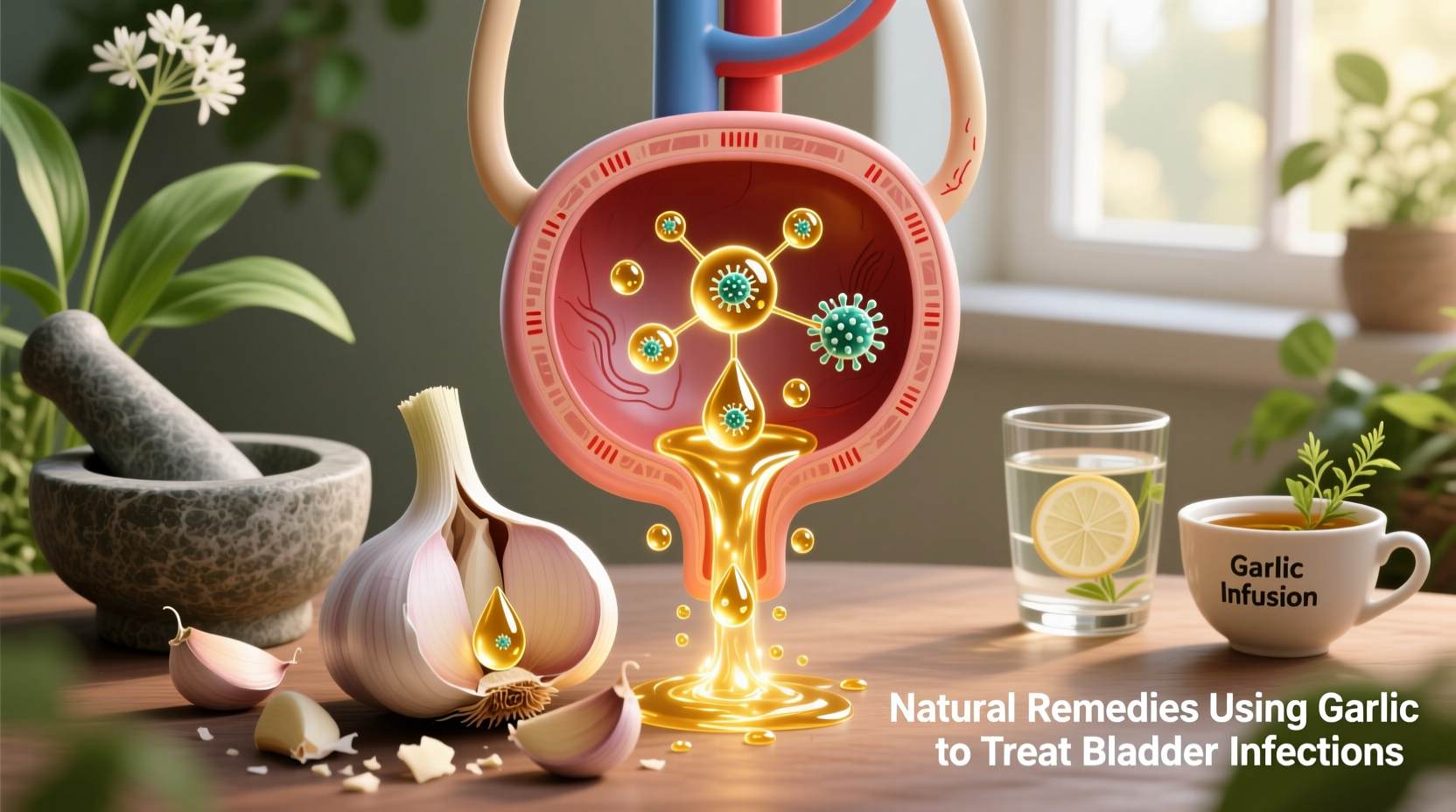
Garlic (Allium sativum) is a bulbous plant belonging to the Amaryllidaceae family, closely related to onions, leeks, and chives. Native to Central Asia, it has been cultivated for over 5,000 years and holds a revered place in both culinary and medicinal traditions across cultures—from ancient Egypt and traditional Chinese medicine to Ayurveda and European herbalism. Beyond its pungent flavor and aroma, garlic is prized for its rich concentration of sulfur-containing compounds, particularly allicin, which forms when raw garlic is crushed or chopped. These compounds are largely responsible for garlic’s broad-spectrum biological activities, including antibacterial, antifungal, antiviral, and antioxidant effects.
In the context of bladder health, garlic’s value lies in its ability to inhibit bacterial growth, reduce inflammation in the urinary tract, and enhance the body’s natural defenses. Although not a replacement for prescribed antibiotics in acute or severe infections, garlic may serve as a complementary strategy during early symptoms or for individuals seeking preventive support.
Key Characteristics of Garlic
Understanding garlic’s composition and behavior is essential to leveraging its benefits effectively. Below is a breakdown of its core attributes:
| Characteristic | Description |
|---|---|
| Flavor Profile | Sharp, pungent, slightly spicy when raw; milder, sweeter when cooked. |
| Aroma | Strong, sulfurous, distinctive—diminishes with cooking but lingers on breath and skin. |
| Active Compound | Allicin (formed from alliin via alliinase enzyme upon tissue damage); also contains ajoene, diallyl sulfides, and S-allyl cysteine. |
| Antimicrobial Strength | Effective against gram-negative and gram-positive bacteria, including antibiotic-resistant strains. |
| Culinary Function | Flavor base, preservative, digestive aid, immune modulator. |
| Shelf Life | Whole bulbs: 3–6 months in cool, dry, dark conditions; peeled cloves: 7–10 days refrigerated; minced: 1–2 days unless frozen or preserved in oil (with caution). |
| Bioavailability | Allicin is unstable and degrades quickly; best absorbed when raw garlic is freshly crushed and consumed within minutes. |
How Garlic Fights Bladder Infections
The primary cause of bladder infections is bacterial colonization, most commonly by E. coli, which ascends from the gastrointestinal tract into the urethra and bladder. Garlic combats this through several mechanisms:
- Direct Antimicrobial Action: Allicin disrupts bacterial cell membranes and inhibits key enzymes necessary for microbial survival. Studies have shown garlic extract to be effective against uropathogenic E. coli strains, even those resistant to conventional antibiotics.
- Anti-Biofilm Properties: Some bacteria form protective biofilms that shield them from antibiotics. Ajoene, another compound in garlic, has demonstrated the ability to interfere with biofilm formation, making pathogens more vulnerable.
- Immune System Support: Garlic enhances macrophage activity, increases natural killer cell function, and modulates cytokine production, helping the body mount a more efficient response to infection.
- Diuretic Effect: Mild diuretic properties may promote increased urine flow, aiding in the mechanical flushing of bacteria from the urinary tract.
“Garlic’s broad-spectrum antimicrobial activity, especially against UTI-causing pathogens, makes it one of the most promising natural agents for integrative urinary health strategies.” — Dr. Elena Torres, Integrative Microbiologist, Journal of Herbal Medicine (2022)
Practical Usage: How to Use Garlic for Bladder Infection Support
To harness garlic’s therapeutic potential, timing, preparation, and consistency matter. The goal is to maximize the availability of active compounds while minimizing gastrointestinal irritation. Below are evidence-informed methods suitable for home use:
1. Raw Crushed Garlic (Most Potent)
Raw garlic delivers the highest concentration of allicin. For bladder infection support:
- Peel one medium clove of fresh garlic.
- Cut or crush it thoroughly using a knife or press.
- Let it sit exposed to air for 5–10 minutes to allow full conversion of alliin to allicin.
- Consume with a small amount of honey, olive oil, or yogurt to buffer stomach acidity.
- Take once or twice daily, preferably on an empty stomach or 30 minutes before meals.
Tip: If the taste or burn is too intense, swallow the crushed garlic with water like a pill—but do not chew. Avoid encapsulated raw garlic supplements unless standardized for allicin release.
2. Garlic Tea (Softer Alternative)
A gentler method that still provides beneficial compounds:
- Add 1–2 crushed cloves to a cup of hot (not boiling) water.
- Cover and steep for 10–15 minutes.
- Strain and add lemon juice and raw honey for flavor and added antibacterial synergy.
- Drink 1–2 times per day during early signs of infection.
3. Garlic-Infused Broths and Soups
Incorporate 3–4 crushed or finely minced cloves into vegetable, chicken, or bone broth. Simmer gently for at least 20 minutes to extract flavors and some active components. While cooking reduces allicin, other stable sulfur compounds like diallyl disulfide remain active and contribute to immune and antimicrobial effects.
4. Fermented Garlic (Enhanced Bioavailability)
Fermenting garlic in vinegar or brine (as in traditional black garlic or lacto-fermented preparations) increases antioxidant levels and produces new bioactive molecules. Black garlic, aged under controlled heat and humidity, develops S-allyl cysteine, a stable compound with high absorption and anti-inflammatory properties. One to two cloves daily can support long-term urinary tract resilience.
5. Garlic Supplements (For Consistency)
For those unable to tolerate raw garlic, odorless aged garlic extract (AGE) supplements offer a reliable alternative. Look for products standardized to S-allyl cysteine (typically 1.2 mg per 600 mg dose). Enteric-coated allicin-release capsules may also be effective if sourced from reputable brands. Dose: follow manufacturer guidelines, usually 600–1,200 mg daily in divided doses.
Important Note: Do not rely solely on supplements during an active infection without consulting a healthcare provider. Natural remedies should complement—not replace—professional diagnosis and treatment.
Variants & Types of Garlic
Different forms of garlic vary in potency, convenience, and application. Choosing the right type depends on your goals—acute symptom relief, prevention, or general wellness.
| Type | Best For | Notes |
|---|---|---|
| Raw Fresh Garlic | Immediate antimicrobial action | Highest allicin yield when crushed and consumed promptly. |
| Cooked Garlic | Daily dietary inclusion, mild support | Loses ~60% of allicin; retains other beneficial organosulfur compounds. |
| Black Garlic | Long-term immune and anti-inflammatory support | Sweet, molasses-like flavor; no pungency; excellent for regular intake. |
| Garlic Powder | Convenience in cooking | Low allicin unless specifically formulated; inconsistent potency. |
| Aged Garlic Extract (Liquid or Capsule) | Daily supplementation, odor control | Rich in S-allyl cysteine; supports circulation and immunity. |
| Oil-Infused Garlic (Homemade) | Cooking, topical use (not recommended for UTI) | Risk of botulism if improperly stored; avoid long-term room temperature storage. |
Comparison with Other Natural UTI Remedies
Garlic is often compared to other popular natural approaches for bladder health. Understanding differences helps tailor an effective strategy.
| Remedy | Mechanism | Advantages Over Garlic | Limitations vs. Garlic |
|---|---|---|---|
| Cranberry | Prevents bacterial adhesion to bladder wall | Well-studied for prevention; palatable juice form | No direct killing effect; less effective during active infection |
| D-Mannose | Blocks E. coli binding sites | Fast-acting, minimal side effects, targeted action | Narrow spectrum; ineffective against non-E. coli pathogens |
| Uva Ursi (Bearberry) | Antiseptic and astringent effect on urinary tract | Strong urinary-specific action | Not for long-term use; contraindicated in pregnancy and liver conditions |
| Garlic | Broad antimicrobial, immune-enhancing, anti-biofilm | Multi-targeted; effective against diverse pathogens including resistant strains | GI irritation possible; strong odor; not urinary-specific |
While cranberry and D-mannose excel at preventing bacterial attachment, garlic offers a broader offensive strategy by actively killing microbes and supporting systemic immunity. Combining garlic with D-mannose or cranberry may provide synergistic benefits—preventing adhesion while simultaneously reducing bacterial load.
Practical Tips & FAQs
Can garlic cure a bladder infection on its own?
Garlic should not be considered a standalone cure for diagnosed or severe bladder infections. While it exhibits strong antibacterial properties, untreated UTIs can progress to kidney infections. Always seek medical evaluation. Garlic may be used alongside antibiotics or for mild, early-stage symptoms under professional guidance.
How much garlic should I take for a bladder infection?
A typical supportive dose is 1–2 raw cloves per day, crushed and allowed to activate. For supplements, 600–1,200 mg of aged garlic extract or enteric-coated allicin formulations daily is common. Do not exceed 5 grams of raw garlic daily to avoid gastrointestinal upset.
Are there side effects of using garlic medicinally?
Yes. Excessive intake may cause heartburn, nausea, diarrhea, or allergic reactions. Garlic has blood-thinning properties; caution is advised for those on anticoagulants (e.g., warfarin). Discontinue use at least one week before surgery. Topical application to sensitive areas (e.g., genital region) is not recommended and may cause burns.
Can I use garlic if I’m pregnant or breastfeeding?
Dietary amounts of garlic are generally safe during pregnancy and lactation. However, high-dose medicinal use is not recommended due to limited safety data and potential uterine stimulation. Consult your healthcare provider before using garlic therapeutically.
How long does it take for garlic to work on a UTI?
If effective, improvements in symptoms such as urgency or burning may be noticed within 24–48 hours when combined with hydration and rest. However, absence of improvement after 48 hours warrants medical attention.
Does cooking destroy garlic’s healing properties?
Cooking significantly reduces allicin, the most potent antimicrobial compound. However, other sulfur compounds like diallyl sulfide and ajoene remain stable and retain partial activity. Light steaming or adding crushed raw garlic to hot (not boiling) dishes preserves more benefits than prolonged frying.
What pairs well with garlic for urinary health?
Combine garlic with:
- Plenty of water – flushes bacteria from the bladder.
- Vitamin C – acidifies urine, creating an inhospitable environment for bacteria.
- Probiotics – maintain healthy urogenital flora, especially Lactobacillus strains.
- D-mannose – prevents bacterial adhesion.
Checklist for Natural Bladder Support:
- Stay hydrated (2–3 liters of water daily)
- Include 1–2 raw garlic cloves per day (crushed, rested, consumed)
- Take D-mannose (1–2 grams twice daily)
- Consume vitamin C-rich foods (bell peppers, citrus, broccoli)
- Urinate frequently and fully
- Avoid sugar, alcohol, and irritants like caffeine
- Monitor symptoms and seek care if fever, back pain, or vomiting occur
Summary & Key Takeaways
Garlic is a powerful natural agent with documented antimicrobial and immune-modulating properties that can play a supportive role in managing and preventing bladder infections. Its active compounds, especially allicin and ajoene, directly inhibit uropathogenic bacteria and disrupt biofilm formation, offering advantages over purely preventive remedies like cranberry.
For best results, consume freshly crushed raw garlic to maximize allicin production, or use high-quality aged garlic extract supplements. Combine garlic with hydration, D-mannose, and probiotics for a comprehensive approach. While garlic is not a substitute for antibiotics in confirmed infections, it can enhance recovery and reduce recurrence risk when used wisely.
As with any natural therapy, individual responses vary. Monitor your body’s reaction, respect dosage limits, and consult a healthcare provider—especially if symptoms persist beyond 48 hours, recur frequently, or are accompanied by fever or flank pain. Integrating garlic into a proactive urinary health routine reflects the wisdom of combining traditional knowledge with modern understanding for holistic well-being.









