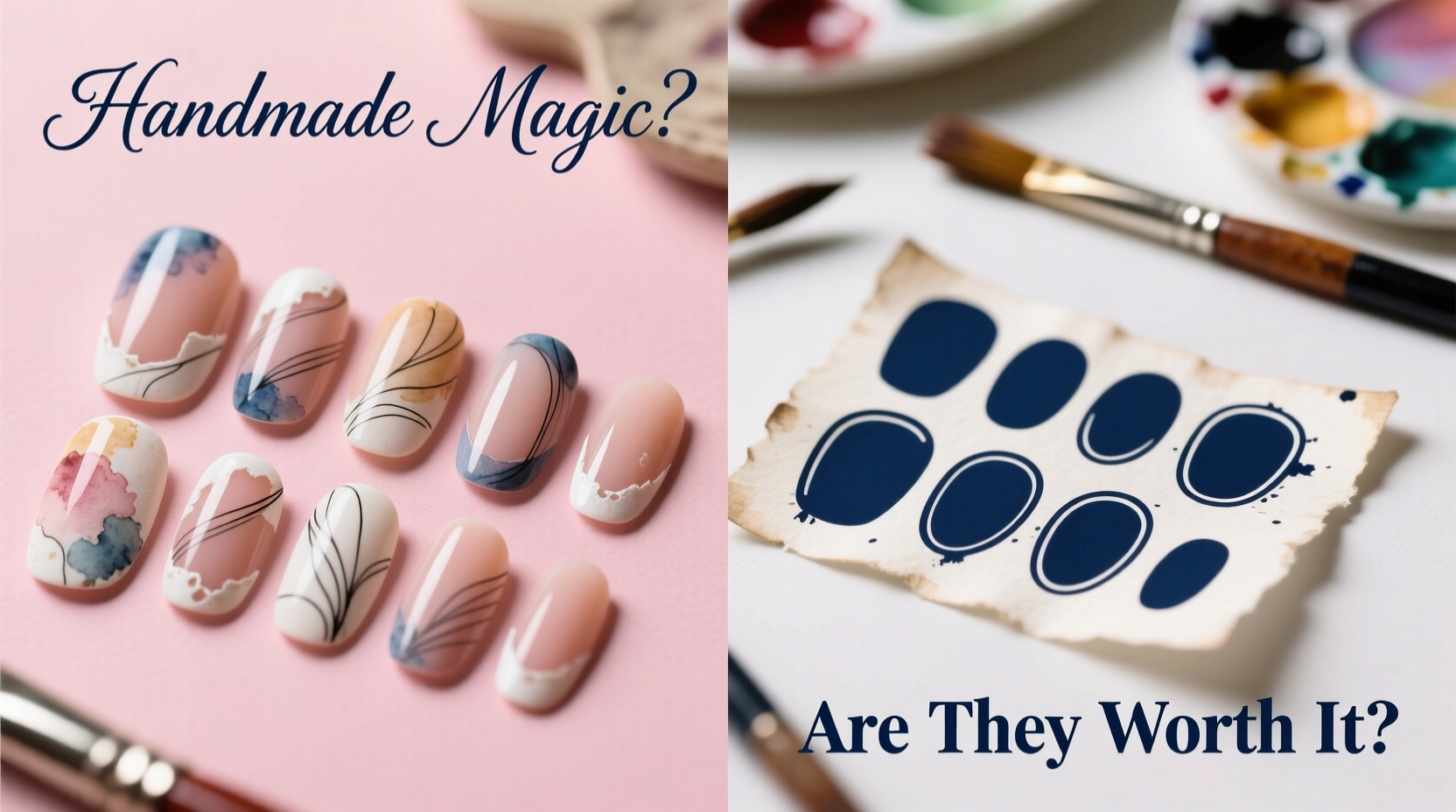
At-home nail art has exploded in popularity, with countless tools promising salon-quality results without the price tag. Among the most debated options are nail stickers and stencils—both marketed as quick fixes for intricate designs. But what about the traditional approach: painting freehand? With social media flooded with flawless DIY manicures, it’s natural to wonder: are handmade nail designs truly worth the time and effort? Or do stickers and stencils offer a smarter, more accessible alternative?
The answer isn’t black and white. Each method comes with trade-offs in precision, creativity, longevity, and personal satisfaction. Understanding these differences can help you choose the right tool for your lifestyle, skill level, and aesthetic goals.
Understanding the Basics: What Each Method Offers
Before diving into comparisons, it's essential to understand how each technique works and who it serves best.
- Nail Stickers: Pre-designed decals applied over a base coat. They come in sheets or individual transfers and require no artistic skill.
- Nail Stencils: Thin metal or plastic templates placed on the nail to guide polish application. They allow for crisp lines and repeatable patterns but still require some hand control.
- Handmade (Freehand) Nail Art: Painting directly onto the nail using fine brushes, dotting tools, or striping tape. This method demands practice but offers full creative freedom.
While stickers promise instant results and stencils aim for professional-looking edges, handmade designs emphasize individuality and craftsmanship. The real question is whether that craftsmanship translates into tangible benefits—or just extra work.
Tip: Always apply a base coat before using stickers or stencils to protect your nails and improve adhesion.Comparing Performance: A Side-by-Side Breakdown
| Feature | Nail Stickers | Nail Stencils | Handmade Designs |
|---|---|---|---|
| Time Required | 5–10 minutes | 15–25 minutes | 30–60+ minutes |
| Skill Level | Beginner | Intermediate | Advanced |
| Design Flexibility | Low (pre-made only) | Moderate (limited by stencil shapes) | High (unlimited creativity) |
| Durability | Medium (peeling at edges) | High (if applied carefully) | High (with proper sealing) |
| Cost per Use | Low (bulk packs available) | Medium (reusable but limited patterns) | Higher (tools and quality polishes needed) |
| Customization | None | Limited | Full control over colors, shapes, placement |
This table reveals a clear hierarchy: convenience favors stickers, precision leans toward stencils, and creative potential belongs firmly to handmade art. Your choice should align not just with your current skill, but with what you value in the process—speed, perfection, or personal expression.
The Hidden Costs of Convenience
Nail stickers may seem like the ultimate shortcut, but they come with limitations that aren’t always obvious. Many users report issues with lifting at the cuticle or sides, especially if the sticker doesn’t conform perfectly to the nail’s curve. Once a corner starts peeling, moisture gets underneath, leading to faster chipping and potential staining.
Additionally, stickers often cover only part of the nail, requiring careful blending with underlying polish. Mismatched base colors or uneven edges can make the design look amateurish rather than polished. And because designs are pre-printed, there’s no room for adjustments—no resizing, recoloring, or repositioning once applied.
“Stickers are great for beginners, but they rarely last beyond five days without touch-ups. For long-term wear, hand-painted details sealed properly outperform them every time.” — Lila Nguyen, Professional Nail Artist & Educator
Stencils fare better in durability but demand patience. Misalignment, smudging during removal, or excess polish bleeding under the template can ruin an otherwise clean look. Success depends heavily on steady hands and high-viscosity polish. Even then, achieving symmetry across ten nails takes multiple attempts.
Why Handmade Nail Art Might Be Worth the Hype
Despite the learning curve, many enthusiasts swear by handmade designs—not just for the outcome, but for the experience. There’s a meditative quality to carefully placing tiny dots, drawing delicate florals, or layering gradients with a brush. Over time, this builds muscle memory and confidence that no sticker can replicate.
More importantly, handmade art allows for true self-expression. Want a galaxy-themed ring finger with hidden initials? A minimalist mountain range that matches your hiking boots? Only freehand painting gives you that level of narrative control. It turns nails into a personal canvas, not just a fashion accessory.
A growing trend among influencers is “imperfect” nail art—intentionally asymmetrical, slightly uneven designs that celebrate individuality over flawlessness. This movement challenges the idea that beauty requires machine-like precision, making room for human touch and storytelling.
Step-by-Step: Building Confidence in Freehand Nail Art
- Start with simple tools: A thin liner brush, dotting tool, and two contrasting polishes are enough for basic designs.
- Practice on a nail wheel or paper first: Sketch patterns before applying to nails to reduce pressure.
- Use a steady surface: Rest your elbow and pinky finger to minimize shaking.
- Work one nail at a time: Focus on repetition—five identical dots are easier than one perfect rose.
- Seal thoroughly: Apply a high-quality top coat, wrapping the tip to prevent chipping.
- Allow drying time: Rushing leads to smudges. Wait 10 minutes between layers.
Progress doesn’t happen overnight. Most artists recommend dedicating 15 minutes twice a week to practice. Within a month, basic shapes become second nature.
Tip: Clean your brushes immediately after use with acetone-free remover to preserve bristle shape.Real-World Example: From Frustration to Mastery
Sophie, a 28-year-old graphic designer from Portland, spent months relying on nail stickers for her weekly Instagram posts. “I loved the look, but I was frustrated by how often they bubbled or didn’t fit my wide nail beds,” she said. After watching a few YouTube tutorials, she bought a $12 nail art set and started practicing simple hearts and stripes.
Her first attempts were messy. “I smeared polish everywhere and wasted so much time fixing mistakes.” But within six weeks, she was creating custom abstract designs inspired by her artwork. “Now people ask if I go to a salon. The best part? I feel proud of what I made with my own hands.”
Sophie now uses stickers only for special occasions—like holiday themes she doesn’t have time to paint. For everyday wear, handmade nails have become a form of creative release.
Frequently Asked Questions
Can I combine stickers and handmade art?
Absolutely. Many professionals use stickers as a base layer (e.g., glitter tips or French edge guides) and add freehand details on top. This hybrid approach saves time while boosting uniqueness.
Are stencils reusable?
Yes, most metal stencils are durable and can be cleaned with nail polish remover for repeated use. However, adhesive edges may degrade over time, affecting alignment.
Do handmade nails chip faster?
Not necessarily. Chipping depends more on application technique and top coat quality than the design method. A well-sealed handmade manicure can last 7–10 days—just like any other.
Final Verdict: Is the Hype Justified?
Nail stickers and stencils serve valuable roles—they lower the barrier to entry and deliver fast, consistent results. For busy individuals or those new to nail art, they’re practical solutions. But they can’t replicate the emotional reward and creative ownership of handmade designs.
The hype around handmade nail art isn’t just about aesthetics; it’s about agency. It’s choosing to invest time in a craft that reflects your mood, style, and growth. Like baking bread instead of buying it, or writing a letter by hand—there’s inherent value in the act itself.
If your goal is efficiency, stick with stickers. If you want precision with some flexibility, try stencils. But if you crave authenticity, joy in creation, and truly unique results, handmade nail art is absolutely worth the effort.
🚀 Ready to create your first freehand design? Start small—paint a single accent nail this weekend. Share your progress online and tag it #FirstStrokeChallenge. You might just surprise yourself.








