Nail ridges—vertical or horizontal lines that run across or down the surface of the fingernails—are more common than many realize. While often harmless, they can sometimes signal underlying health issues or reflect lifestyle habits. Understanding what causes nail ridges, how to manage them, and when to seek medical advice is essential for maintaining both nail health and overall wellness. This guide explores the science behind nail ridges, offers evidence-based treatment strategies, and helps you interpret what these subtle signs might reveal about your body.
Understanding Nail Ridges: Types and Characteristics
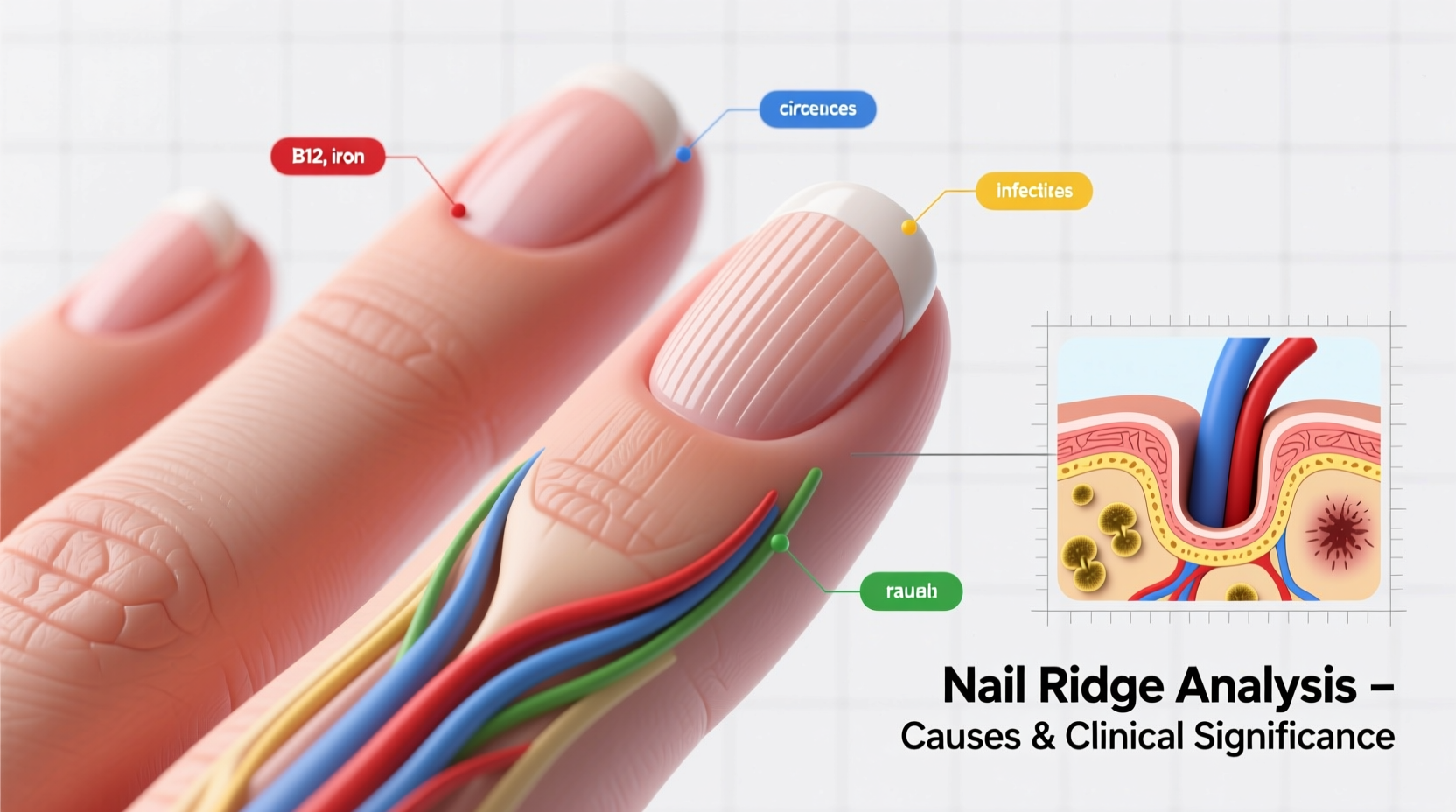
Nail ridges are broadly categorized into two types: vertical and horizontal. Each has distinct features and potential implications.
- Vertical ridges run from the cuticle to the tip of the nail. These are typically benign and become more common with age. They may appear as slight elevations or deep grooves and often affect multiple nails.
- Horizontal ridges, also known as Beau’s lines, traverse the nail bed side-to-side. Unlike vertical ridges, these often point to a disruption in nail growth due to illness, trauma, or nutritional deficiency.
The texture and color of the ridges matter too. Smooth vertical lines are usually age-related, while discolored, jagged, or thickened ridges may require closer evaluation. In some cases, ridges accompany other symptoms like brittleness, splitting, or changes in nail shape—clues that warrant further investigation.
Tip: Use a soft nail file in one direction to smooth minor ridges without weakening the nail structure.Common Causes of Nail Ridges
Nail appearance reflects both internal health and external influences. The following factors contribute most frequently to ridge formation:
Aging
As we age, cell turnover slows, including in the nail matrix—the tissue beneath the cuticle responsible for nail growth. This slowdown leads to uneven nail plate formation, resulting in vertical ridges. These are generally harmless and considered a normal part of aging.
Nutritional Deficiencies
Lack of key nutrients can impair keratin production and nail integrity. Deficiencies linked to ridges include:
- Vitamin B7 (biotin)
- Vitamin B12
- Iron (especially in cases of anemia)
- Zinc
- Fatty acids (omega-3s)
Trauma or Repetitive Stress
Frequent typing, aggressive manicures, or habitual nail picking can damage the nail matrix. Even repetitive tapping on hard surfaces may lead to microtrauma that manifests as ridges over time.
Medical Conditions
Certain systemic diseases present nail changes as early signs. Conditions associated with ridges include:
- Psoriasis: Often causes pitting, discoloration, and irregular ridges.
- Thyroid disorders: Both hyper- and hypothyroidism can disrupt nail growth cycles.
- Diabetes: Poor circulation and nerve damage may affect nail health.
- Lichen planus: An inflammatory condition that can scar the nail matrix.
“Nails are a window to systemic health. Unexplained changes—especially sudden or asymmetrical ones—deserve clinical attention.” — Dr. Alicia Nguyen, Dermatologist and Nail Specialist
When Horizontal Ridges Signal Health Issues
Beau’s lines—deep horizontal grooves—are not typical wear-and-tear marks. They form when nail growth temporarily halts due to stress on the body. Causes include:
- Severe infections (e.g., pneumonia, high fever)
- Major surgery or trauma
- Chemotherapy
- Uncontrolled diabetes
- Peripheral vascular disease
The location of the line on the nail can help estimate when the triggering event occurred. Since fingernails grow about 3 mm per month, a Beau’s line near the middle of the nail likely indicates an issue from roughly two to three months prior.
Mini Case Study: Recognizing a Hidden Illness
Sarah, a 42-year-old teacher, noticed deep horizontal ridges forming on all her fingernails within weeks. She initially dismissed them as stress-related but later recalled being hospitalized with a severe viral infection six weeks earlier. Her dermatologist confirmed the ridges were Beau’s lines caused by the fever-induced pause in nail growth. No treatment was needed, but the case highlighted how nails can record past health events.
Evidence-Based Treatments and Care Strategies
While not all nail ridges can be eliminated, their appearance can often be improved with proper care and targeted interventions.
Dietary Adjustments
Supporting nail health starts from within. Focus on foods rich in biotin, protein, and healthy fats:
- Eggs, nuts, and seeds (biotin and zinc)
- Fatty fish (omega-3s)
- Leafy greens (iron and folate)
- Lean meats and legumes (protein and B12)
Supplements like biotin (2.5–5 mg daily) have shown modest improvements in nail thickness and resilience in clinical studies, though results vary.
Topical Care and Nail Protection
Maintaining moisture and minimizing damage are key. Consider the following routine:
- Apply a urea- or lactic acid-based cuticle cream daily to hydrate the nail bed.
- Use a ridge-filling base coat before polish to create a smoother appearance.
- Wear gloves during household cleaning or dishwashing to prevent chemical exposure.
- Avoid gel or acrylic enhancements if nails are already weakened.
| Treatment Approach | Effectiveness | Time to See Results |
|---|---|---|
| Biotin supplementation | Moderate (studies show ~25% improvement in nail thickness) | 3–6 months |
| Ridge filler base coat | High (cosmetic improvement only) | Immediate |
| Hydration with nail oils | Good (reduces brittleness) | 2–4 weeks |
| Treating underlying condition (e.g., thyroid) | High (if cause is addressed) | Varies (weeks to months) |
Do’s and Don’ts for Managing Nail Ridges
To protect your nails and minimize ridge development, follow this practical checklist:
Checklist: Healthy Nail Habits- ✅ Do keep nails moisturized with natural oils (jojoba, almond).
- ✅ Do trim and file nails regularly using a fine-grit file.
- ✅ Do eat a balanced diet rich in protein and vitamins.
- ✅ Do wear gloves when using detergents or cleaners.
- ❌ Don’t use metal tools to push back cuticles aggressively.
- ❌ Don’t peel off nail polish—this strips layers from the nail.
- ❌ Don’t ignore sudden changes in multiple nails.
FAQ: Common Questions About Nail Ridges
Are vertical nail ridges a sign of cancer?
No, vertical ridges are rarely linked to cancer. However, a dark streak (melanonychia) under the nail, especially if it widens or affects only one nail, should be evaluated to rule out subungual melanoma.
Can I prevent nail ridges as I age?
You can't completely prevent age-related ridges, but maintaining good hydration, nutrition, and protection can reduce their severity. Regular gentle filing and moisturizing help maintain a smoother appearance.
Should I see a doctor for nail ridges?
Consult a healthcare provider if ridges are accompanied by pain, discoloration, thickening, or sudden onset across multiple nails. Also seek advice if you suspect an underlying condition like psoriasis or thyroid disease.
Conclusion: Listen to What Your Nails Are Telling You
Nail ridges are more than just cosmetic concerns—they’re potential indicators of how your body is functioning. While aging and minor wear often explain vertical lines, horizontal ridges or sudden changes deserve attention. With thoughtful care, proper nutrition, and awareness of your overall health, you can support strong, resilient nails throughout life.
💬 Your nails tell a story. Are you listening? Share your experiences or questions in the comments—your insight might help someone else recognize an important health clue.








