
A muffled sensation in the ear—often described as hearing sounds through cotton or underwater—is a common complaint that can range from mildly annoying to deeply disruptive. It may affect one or both ears and can develop suddenly or gradually. While many causes are temporary and easily treatable, others signal underlying conditions requiring medical evaluation. Understanding what’s behind the muffled feeling allows for timely intervention and prevents complications like permanent hearing loss or chronic infections.
Common Causes of Muffled Ears
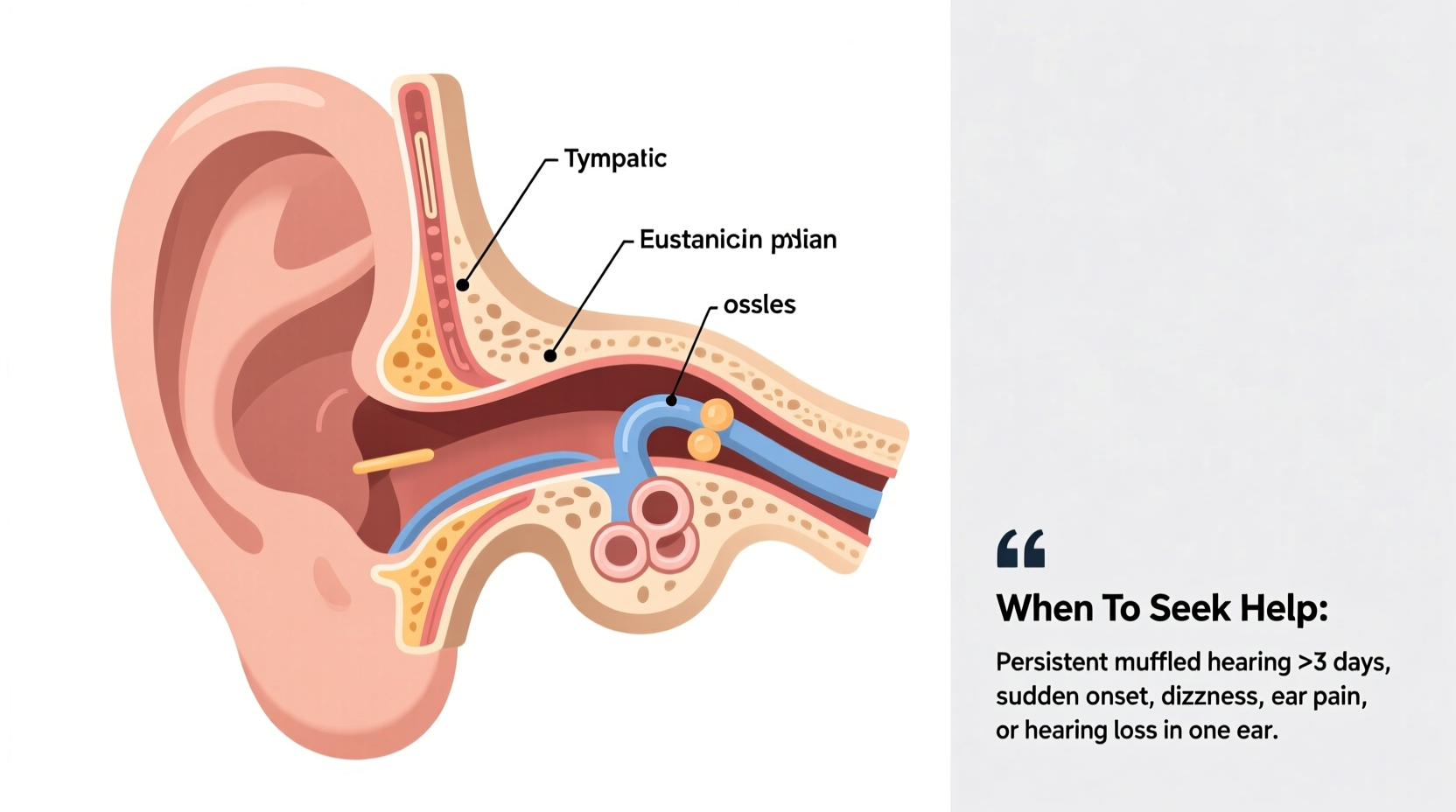
Muffled hearing occurs when sound transmission to the inner ear is obstructed or altered. The root cause often lies in the outer or middle ear, though neurological factors can also contribute. Below are the most frequent culprits:
- Earwax buildup (cerumen impaction): One of the leading causes. Excess wax blocks the ear canal, dampening sound waves.
- Otitis media (middle ear infection): Fluid accumulation behind the eardrum due to bacterial or viral infection, common in children but not rare in adults.
- Eustachian tube dysfunction: The tube connecting the middle ear to the throat fails to regulate pressure properly, often after colds, allergies, or air travel.
- Barotrauma: Pressure imbalance from diving, flying, or rapid altitude changes damages delicate ear structures.
- Allergies and sinus congestion: Inflammation and mucus block the Eustachian tube, mimicking ear fullness.
- Swimmer’s ear (otitis externa): Infection of the outer ear canal, typically from trapped moisture, causing swelling and pain.
- Perforated eardrum: A tear in the eardrum alters sound conduction and may follow loud explosions, trauma, or untreated infections.
- Acoustic neuroma or other growths: Rare benign tumors on the auditory nerve can gradually impair hearing.
- Noise-induced hearing loss: Prolonged exposure to loud sounds damages sensory cells, resulting in dull or distorted hearing.
Treatment Options Based on Cause
Effective treatment depends entirely on identifying the underlying issue. Self-care may suffice for minor cases, but professional diagnosis ensures safety and long-term recovery.
Earwax Impaction
Softening agents like mineral oil, baby oil, or over-the-counter drops (e.g., carbamide peroxide) can loosen wax. After 2–3 days, gentle irrigation with warm water using a bulb syringe may help. For stubborn blockages, a healthcare provider can perform safe microsuction or manual removal.
Eustachian Tube Dysfunction
Decongestants, antihistamines, or nasal steroid sprays reduce inflammation. Simple techniques like yawning, swallowing, or the Valsalva maneuver (gently blowing while pinching the nose) can equalize pressure. If chronic, balloon dilation procedures may be considered.
Infections (Otitis Media or Externa)
Bacterial infections require prescription antibiotic ear drops or oral antibiotics. Pain relievers like ibuprofen ease discomfort. Swimmer’s ear demands keeping the ear dry and avoiding swimming until healed.
Barotrauma
Mild cases resolve with time and repeated attempts at pressure equalization. Severe cases involving bleeding or persistent pain need ENT evaluation. Steroids may be prescribed to reduce inflammation.
Perforated Eardrum
Most small tears heal within weeks without surgery. Doctors advise strict ear dryness and avoidance of pressure changes. Large perforations may require tympanoplasty—a surgical repair procedure.
“Persistent muffled hearing should never be ignored. Even seemingly minor symptoms can indicate structural issues that worsen without care.” — Dr. Lena Torres, Otolaryngologist, Massachusetts Eye and Ear
When to Seek Medical Help: Warning Signs
While occasional ear fullness may resolve independently, certain red flags demand prompt attention:
- Hearing loss lasting more than 72 hours
- Severe ear pain or discharge (pus or blood)
- Dizziness, vertigo, or balance problems
- Facial weakness or numbness
- Sudden onset of muffled hearing without obvious cause
- Symptoms recurring frequently despite home care
Delaying evaluation in such cases risks complications like mastoiditis (bone infection), cholesteatoma (abnormal skin growth), or sensorineural hearing loss. Individuals with diabetes or weakened immune systems face higher risks from outer ear infections and must seek care early.
Diagnostic Process
An ear, nose, and throat (ENT) specialist will use an otoscope to inspect the ear canal and eardrum. Additional tests may include:
- Tympanometry: Measures eardrum movement and middle ear pressure.
- Audiometry: Evaluates hearing sensitivity across frequencies.
- Imaging (CT or MRI): Used if tumors, fractures, or deep infections are suspected.
Prevention and Daily Care Strategies
Protecting ear health involves consistent habits and awareness of risk factors. Prevention reduces the likelihood of recurrent muffled hearing episodes.
| Do | Avoid |
|---|---|
| Use soft cloths to clean outer ears only | Insert cotton swabs, bobby pins, or fingers into the ear canal |
| Dry ears thoroughly after swimming or showering | Wear tight-fitting earbuds for extended periods |
| Manage allergies with appropriate medication | Ignore persistent congestion or pressure |
| Use earplugs during swimming or loud events | Expose ears to prolonged loud noise without protection |
| Chew gum during flights to aid pressure equalization | Blow nose forcefully when congested |
Real-Life Example: Recovery from Chronic Eustachian Tube Dysfunction
Sarah, a 34-year-old flight attendant, began experiencing muffled hearing and ear fullness after a series of back-to-back international flights. Over-the-counter decongestants offered brief relief, but symptoms returned each time she flew. After three months of fluctuating hearing and increasing anxiety about her job, she consulted an ENT. Testing revealed chronic Eustachian tube dysfunction exacerbated by undiagnosed seasonal allergies. With a regimen of nasal steroids, antihistamines, and pressure-equalizing exercises, Sarah regained normal hearing within six weeks. Her doctor also recommended preventive use of decongestants before flights and ongoing allergy management.
Step-by-Step Guide to Immediate Home Care
If you notice muffled hearing, follow this sequence to assess and address the issue safely:
- Assess recent triggers: Did you fly, swim, have a cold, or expose your ears to loud noise?
- Check for pain, discharge, or dizziness: These suggest infection or injury.
- Try gentle pressure equalization: Yawn, swallow, or perform the Valsalva maneuver (pinch nose, close mouth, gently blow).
- Apply warmth: A heating pad on low setting over the affected ear may relieve discomfort from congestion.
- Use OTC remedies cautiously: Decongestant sprays (no more than 3 days) or ear drops for wax, if appropriate.
- Wait 48–72 hours: Monitor for improvement. If no change or worsening, contact a healthcare provider.
Frequently Asked Questions
Can stress cause muffled ears?
Stress doesn’t directly cause muffled hearing, but it can exacerbate conditions like Eustachian tube dysfunction or tinnitus. Muscle tension in the jaw and neck may also refer sensations to the ear. Managing stress through relaxation techniques may indirectly improve symptoms.
Is muffled hearing a sign of high blood pressure?
Not typically. However, some people with hypertension report pulsatile tinnitus (hearing their heartbeat), which may be mistaken for ear fullness. Persistent ear symptoms should still be evaluated, especially in those with cardiovascular risk factors.
How long does muffled hearing last after an ear infection?
Fluid may remain in the middle ear for weeks after an infection clears, prolonging muffled hearing. Most cases resolve within 1–2 months. If hearing doesn’t return, see a doctor to rule out persistent effusion or structural damage.
Conclusion: Take Action Before It Gets Worse
Muffled ears are more than just a nuisance—they’re a signal from your body that something is off. Whether it’s simple wax buildup or a deeper issue like chronic dysfunction or infection, timely response makes all the difference. Most causes are treatable, especially when caught early. Don’t normalize persistent symptoms or rely solely on home remedies when professional insight could prevent long-term consequences. Prioritize your hearing health with informed care, preventive habits, and prompt medical consultation when needed.
💬 Have you experienced muffled ears? Share your story or tips below. Your experience might help someone find relief faster.








