For individuals with thin or sparse eyebrows, achieving a naturally full look can feel like an ongoing challenge. Daily makeup application helps, but many seek longer-lasting solutions that offer both definition and realism. Two of the most popular semi-permanent treatments—microblading and eyebrow lamination—have gained widespread attention for transforming thin brows. But when it comes to achieving a truly natural appearance, how do they compare?
The choice between microblading and eyebrow lamination isn’t just about aesthetics—it involves skin type, brow condition, lifestyle, and maintenance preferences. Understanding the differences in technique, outcome, and longevity is essential for making an informed decision that aligns with your beauty goals.
Understanding Microblading: The Art of Hair-Like Strokes
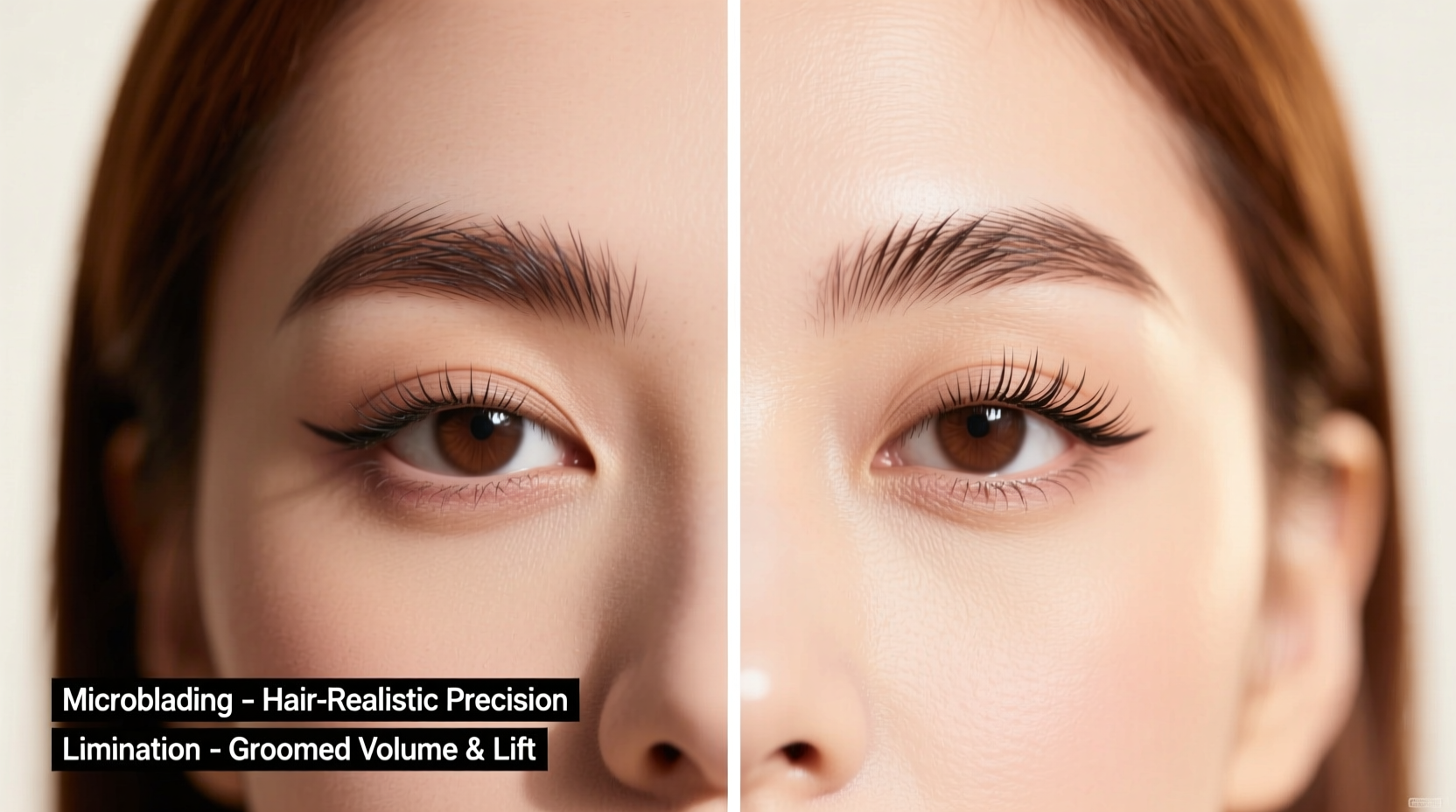
Microblading is a form of cosmetic tattooing that uses a handheld tool with fine needles to deposit pigment into the upper layers of the skin. Unlike traditional tattoos, microblading targets the epidermis rather than the dermis, resulting in a softer, more temporary effect. The primary goal is to mimic individual hair strokes, creating the illusion of fuller, more defined brows.
This technique is especially effective for those with very sparse or patchy brows because it allows the artist to draw in missing hairs one by one. The result is highly customizable, with pigment color matched precisely to the client’s natural brow shade and skin tone. When done well, microbladed brows blend seamlessly with existing hairs, producing a soft, powdered yet realistic finish.
However, microblading requires multiple sessions. An initial appointment is followed by a touch-up 6–8 weeks later to refine shape and ensure even pigment retention. The final results typically last 12 to 18 months, depending on skin type, sun exposure, and aftercare.
Tip: Avoid water, sweat, and direct sun exposure for at least 10 days post-microblading to maximize pigment retention.What Is Eyebrow Lamination? The Non-Invasive Shaping Solution
Eyebrow lamination is a non-invasive, chemical-based treatment that reshapes and tames brow hairs using a perming solution. It works by temporarily breaking the disulfide bonds in the hair, allowing them to be brushed into a desired direction—usually upward and outward—before being set with a neutralizing agent. The result is a bold, fluffy, “laminate” effect where hairs appear thicker and more uniformly aligned.
Unlike microblading, lamination doesn’t add pigment or simulate new hairs. Instead, it enhances what you already have. For people with thin brows who still possess visible hairs—even if they’re wispy or unruly—lamination can create volume through strategic redirection. The treatment often includes tinting to darken existing hairs, further enhancing fullness and definition.
Lamination is ideal for those seeking a low-maintenance, makeup-free look with immediate results. There's no downtime, and the effects typically last 6 to 8 weeks. Because it’s non-invasive, it suits sensitive skin types and those hesitant about semi-permanent procedures.
“Lamination gives structure without altering the skin. It’s perfect for clients who want polished brows every morning without lifting a pencil.” — Lena Torres, Licensed Aesthetician & Brow Specialist
Comparing Natural Appearance: Which Treatment Wins for Thin Brows?
The central question—does microblading or lamination look more natural on thin brows—depends heavily on the individual’s starting point and expectations.
Microblading excels when there are few to no existing hairs. By drawing hyper-realistic strokes, it fills gaps that would otherwise remain empty. The precision allows for subtle gradients and shadowing, mimicking the way real brow hairs grow in varying directions and densities. For someone with almost no brow hair due to over-plucking or medical conditions, microblading offers the closest thing to a natural-looking restoration.
Lamination, on the other hand, enhances rather than replaces. If your brows are thin but not completely absent, lamination lifts and repositions existing hairs, giving the illusion of density. Combined with tinting, it can produce a soft, feathery look that appears effortless. However, if you have minimal hair coverage, lamination may highlight emptiness rather than conceal it.
In terms of realism, microblading generally provides a more lifelike simulation of actual hair growth. Lamination delivers a groomed, styled aesthetic—more akin to a perfectly brushed brow gel look—rather than replicating individual strands.
When Each Option Looks Most Natural
- Choose microblading if: You have little to no natural brow hair, desire long-term results, and want hair-like precision.
- Choose lamination if: You have some existing hairs (even fine ones), prefer a temporary fix, and love the laminated, fluffy brow trend.
Detailed Comparison: Technique, Results, and Maintenance
| Feature | Microblading | Eyebrow Lamination |
|---|---|---|
| Technique | Semi-permanent pigment implanted via manual blade | Chemical restructuring of hair direction + optional tint |
| Natural Look Potential | Very high – mimics real hair strokes | Moderate to high – depends on existing hair volume |
| Duration | 12–18 months | 6–8 weeks |
| Pain Level | Mild to moderate (numbing cream used) | None (non-invasive) |
| Downtime | 7–10 days (scabbing, peeling) | None |
| Best For | Thin/absent brows, long-term solution | Thin but present brows, temporary enhancement |
| Skin Type Suitability | Normal to dry skin (oily skin may cause fading) | All skin types, including oily and sensitive |
| Aftercare | Avoid moisture, sun, and picking; use healing balm | Keep dry for 24 hours; use conditioning serums |
Real-World Example: Sarah’s Journey to Fuller-Looking Brows
Sarah, a 34-year-old teacher, had nearly invisible brows due to years of over-tweezing in her teens. She avoided makeup daily but felt self-conscious without definition. After researching options, she consulted two different brow specialists—one specializing in microblading, the other in lamination.
The lamination specialist explained that while tinting could darken her faint hairs and brushing them up might give some lift, the lack of substantial hair meant the result would emphasize emptiness rather than fullness. In contrast, the microblading artist proposed creating a custom brow shape with fine, directional strokes that followed her natural arch.
Sarah opted for microblading. After her first session and follow-up touch-up, she reported feeling “like herself again.” Coworkers noticed her brows looked “neat” but assumed she’d simply gotten better at filling them in. The realism was so convincing that even close friends didn’t suspect a semi-permanent procedure.
Two years later, she returned for a refresh as the pigment faded slightly—a testament to the lasting impact of the treatment.
Step-by-Step Guide: Choosing the Right Treatment for Your Thin Brows
Deciding between microblading and lamination shouldn’t be rushed. Follow this process to make a confident choice:
- Assess Your Natural Brow Hair: Stand in natural light and examine how much hair you actually have. Can you see individual strands, even if sparse? Or is the area mostly bare?
- Determine Your Desired Outcome: Do you want a permanent-looking change that lasts months, or a temporary boost that resets every few weeks?
- Consider Your Lifestyle: Do you sweat heavily, wear sunscreen daily, or spend time in the sun? These factors affect microblading longevity.
- Consult a Professional: Book a consultation with a licensed technician experienced in both treatments. Bring photos of brows you admire.
- Review Before-and-After Portfolios: Ask to see real examples of their work on clients with thin brows—not just thick, ideal candidates.
- Test Sensitivity: If considering microblading, ask about patch testing for allergic reactions to pigments.
- Plan for Maintenance: Factor in cost and time for touch-ups (microblading) or repeat sessions (lamination).
Expert Tips for Maximizing Natural Results
No matter which treatment you choose, the final outcome hinges on skill, preparation, and aftercare. Here are key recommendations from top brow artists:
- Color Matching Is Crucial: Pigment that’s too dark or too cool-toned will look unnatural. Insist on a swatch test before microblading.
- Shape Should Complement Facial Features: Avoid trendy shapes that don’t suit your face. A skilled artist will map your brows based on symmetry and bone structure.
- Use Conditioning Oils Post-Lamination: To prevent dryness and breakage, apply castor or argan oil nightly after the first 48 hours.
- Wait Before Applying Makeup: After microblading, wait at least 10 days before applying any products to the area. After lamination, avoid water and makeup for 24 hours.
- Avoid Retinoids and Acids Near Brows: These can accelerate pigment fading in microbladed areas and irritate treated skin.
Frequently Asked Questions
Can I combine microblading and lamination?
Yes, but not simultaneously. Some clients opt for microblading first to build structure, then use lamination occasionally for added volume and grooming. However, lamination should only be performed once microbladed brows are fully healed (after 6–8 weeks). Always inform your technician about prior treatments.
Which treatment hurts more?
Microblading involves mild discomfort due to needle penetration, though numbing cream minimizes pain for most. Lamination is entirely painless—clients typically describe it as a slight tingling sensation during processing. Pain tolerance varies, but lamination is significantly gentler.
Is microblading worth it for very thin brows?
For many, yes. Microblading is specifically designed for cases of extreme sparsity. It creates the illusion of hair where none exists, offering a level of definition that makeup or lamination cannot achieve alone. Just ensure you choose an experienced, certified technician to avoid unnatural or blocky results.
Final Thoughts: Prioritize Realism Over Trendiness
When comparing microblading and eyebrow lamination for thin brows, the answer to “which looks more natural?” leans decisively toward microblading—if the goal is authentic hair replication. Lamination enhances what’s already there, delivering a polished, fluffy look that’s stylish but less anatomically accurate.
Your decision should reflect not just current trends, but your personal needs: the state of your natural brows, your comfort with semi-permanent procedures, and how much daily effort you’re willing to invest. Both treatments have merit, but for those seeking a seamless, undetectable transformation, microblading remains the gold standard.
Ultimately, the most natural-looking brows are those tailored to your unique facial harmony and executed by a skilled professional. Take your time, do your research, and prioritize quality over convenience.
🚀 Ready to transform your thin brows? Book a consultation with a certified brow specialist today and take the first step toward waking up with flawless, natural-looking arches.








