When it comes to kids’ outdoor toys, few things spark joy quite like a bubble machine. Among the most recognizable is the Mickey Mouse-themed bubble blower from Disney. With its iconic character design and cheerful music, it’s a favorite at birthday parties and backyard gatherings. But how does it truly stack up against non-Disney cartoon bubble machines from brands like Play-Doh, Little Tikes, or even generic Amazon labels? Is the Disney premium justified by performance, or is it just branding magic? Let’s take a detailed look.
Design and Aesthetic Appeal
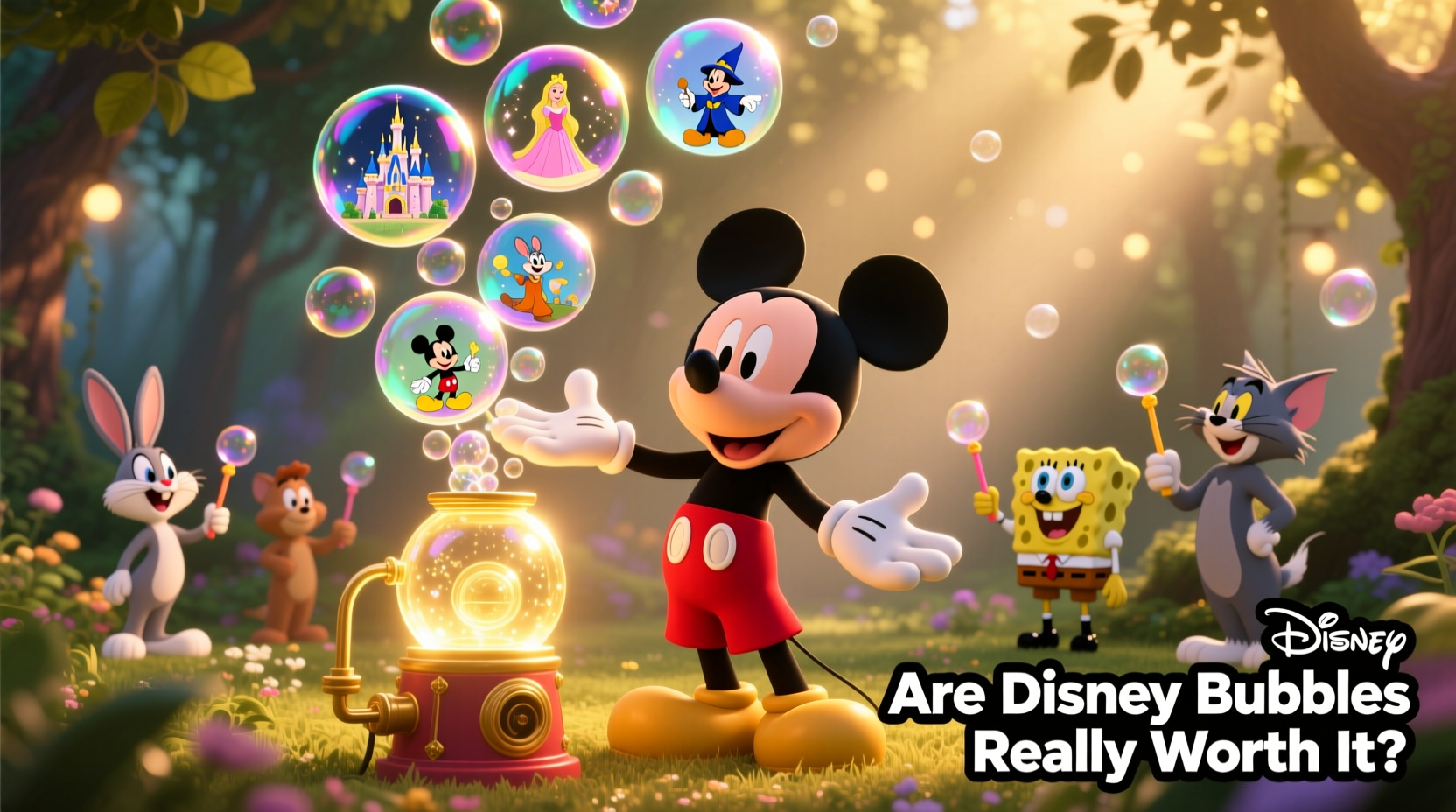
The first thing parents notice about the Mickey bubble machine is its visual charm. It features Mickey in his classic red shorts and yellow shoes, complete with sound effects and theme music from the Disney franchise. The unit lights up and moves as it blows bubbles, creating an engaging sensory experience for young children.
In contrast, many competing cartoon bubble machines feature popular characters from Nickelodeon, PBS Kids, or generic animated figures. While some are colorful and fun, they often lack the cohesive brand storytelling that Disney delivers. However, several third-party models now offer similar motion, light, and sound features—sometimes even more vibrant—without the licensing cost.
Tip: For younger kids (ages 2–5), character recognition can significantly boost engagement—Mickey may hold an edge here due to universal familiarity.Performance: Bubble Output and Runtime
Beyond looks, what matters most is how well the machine performs. Key metrics include bubble output per minute, solution efficiency, motor durability, and battery life.
The Mickey bubble machine typically produces around 100–150 bubbles per minute. It uses a rotating wand system powered by two AA batteries (some models require six), with average runtime of 15–20 minutes of continuous use before needing a break to prevent overheating.
Many comparable cartoon machines from brands like Play-Doh’s “Bubble Pop” line or Kidoozie’s “Rainbow Spinner” generate 180–220 bubbles per minute and include adjustable fan speeds. Some also come with larger solution reservoirs, reducing refill frequency.
“Output volume and consistency matter more than character appeal when keeping kids entertained.” — Dr. Lisa Tran, Early Childhood Toy Safety Researcher, National Institute of Play
Comparison Table: Disney vs. Competitors
| Feature | Mickey Bubble Machine (Disney) | Play-Doh Bubble Pop | Kidoozie Rainbow Spinner | Generic Amazon Brand |
|---|---|---|---|---|
| Bubble Output | ~120/min | ~200/min | ~220/min | ~100/min |
| Battery Type | 2–6 AA | 4 AA | 4 C | 4 AA |
| Runtime | 15–20 min | 30+ min | 45+ min | 10–15 min |
| Solution Capacity | 4 oz | 6 oz | 8 oz | 3 oz |
| Lights & Sounds | Yes (Mickey theme) | Yes (colorful beeps) | No | Occasionally |
| Price (MSRP) | $29.99 | $24.99 | $26.99 | $12.99 |
| Durability Rating (User Avg.) | ★★★☆☆ | ★★★★☆ | ★★★★★ | ★★☆☆☆ |
As the table shows, while Disney wins on brand appeal, it falls short in runtime and bubble output compared to mid-tier competitors. Only the lowest-cost generic models underperform in durability and solution capacity.
Safety and Solution Quality
All reputable bubble machines use non-toxic, child-safe solutions. The Mickey bubble machine uses a proprietary Disney-branded solution, which is tear-free and meets ASTM F963 safety standards. However, it’s not refillable with all third-party liquids—some users report clogging when using off-brand solutions.
Competitors like Kidoozie and Play-Doh explicitly design their units to accept any standard bubble solution, offering greater flexibility. Additionally, some third-party machines have removable wands for easy cleaning, reducing mold buildup—a common issue in humid environments.
Tip: Always empty leftover solution after use and allow the machine to dry completely to extend lifespan and prevent bacterial growth.Real-World Example: A Backyard Birthday Test
Jamie Reynolds, a parent of two in Austin, TX, tested three bubble machines during her 4-year-old’s birthday party: the Mickey bubble blower, a Play-Doh model, and a no-name Amazon unit. She filled each with the same homemade bubble solution (water, dish soap, and glycerin) to ensure consistency.
The Mickey machine was the initial hit—her daughter squealed with delight at the music and lights. However, within 12 minutes, the motor began to slow and eventually stalled. The Play-Doh model ran continuously for over 35 minutes and produced a denser stream of bubbles. The generic unit failed after 10 minutes due to a clogged wand.
“The kids loved Mickey at first,” Jamie said, “but once it stopped working, they completely ignored it. The Play-Doh one kept going and actually held their attention longer.”
Cost vs. Value: Is the Disney Premium Worth It?
The Mickey bubble machine retails for nearly $30—about double the price of many functional alternatives. That premium covers branding, sound integration, and character design, but not superior mechanics. For families who prioritize entertainment value and emotional connection, the Disney experience may justify the cost.
However, if your goal is sustained playtime, durability, and refill flexibility, non-Disney options deliver better long-term value. Many parents report replacing the Mickey unit within one season due to motor burnout or leaking reservoirs, whereas sturdier models last two to three summers with basic care.
Checklist: Choosing the Right Bubble Machine
- ✅ Assess your child’s attachment to specific characters
- ✅ Compare bubble output and runtime specs
- ✅ Check whether it accepts third-party bubble solution
- ✅ Look for removable parts for easy cleaning
- ✅ Read user reviews focusing on durability and motor life
- ✅ Consider battery type and replacement cost
- ✅ Evaluate noise level—some sound features may be too loud indoors
Frequently Asked Questions
Can I use homemade bubble solution in the Mickey bubble machine?
Disney advises against it. While some parents report success with diluted dish soap mixes, thicker homemade solutions can clog the internal pump. Use only Disney-approved liquid or verified compatible brands to avoid damage.
Are there quieter versions of cartoon bubble machines?
Most character-based models include music or sound effects. If noise is a concern, consider non-branded or educational models (like those from VTech or Learning Resources) that focus on function over audio stimulation.
How do I clean a bubble machine properly?
Disassemble the wand and reservoir (if possible), rinse with warm water, and let air dry overnight. Never submerge the motor base. For persistent residue, use a 50/50 vinegar-water solution sparingly, then rinse thoroughly.
Final Verdict: When Disney Wins—and When It Doesn’t
The Mickey bubble machine excels in emotional appeal. For a child who adores Mickey Mouse, the combination of music, motion, and familiar imagery creates a magical moment. As a gift for a themed party or holiday, it’s hard to beat the instant excitement it generates.
But as a long-term toy, it doesn’t outperform its peers. In fact, several non-Disney models offer better engineering, longer runtimes, and easier maintenance at lower prices. The premium you pay for Disney isn’t for performance—it’s for the brand experience.
If you’re buying for lasting play value, go with a proven performer like Kidoozie or Play-Doh. If you’re aiming for that wide-eyed “wow” reaction on a special day, the Mickey bubble machine still holds its charm.
💬 Have you tried both Disney and non-Disney bubble machines? Share your experience below—your insights could help another parent make the right choice!








