Walking your dog should be a peaceful ritual—a shared moment of connection, exercise, and routine. Yet for many pet owners, the simple act of attaching a leash can trigger anxiety, resistance, or even minor accidents. A poorly secured clip, sudden movements, or an ill-fitting harness can turn a calm morning into chaos. Mastering the technique of safely snapping and attaching a dog leash isn’t just about convenience; it’s about safety, trust, and setting the tone for a positive walking experience.
Dogs are sensitive to their handler’s energy. If you fumble, rush, or appear uncertain, your dog may mirror that unease. Conversely, a confident, smooth process builds reassurance. Whether you're caring for a nervous rescue, a strong puller, or a playful puppy, refining your leash-attachment technique can make all the difference.
The Right Equipment: Foundation of Safety
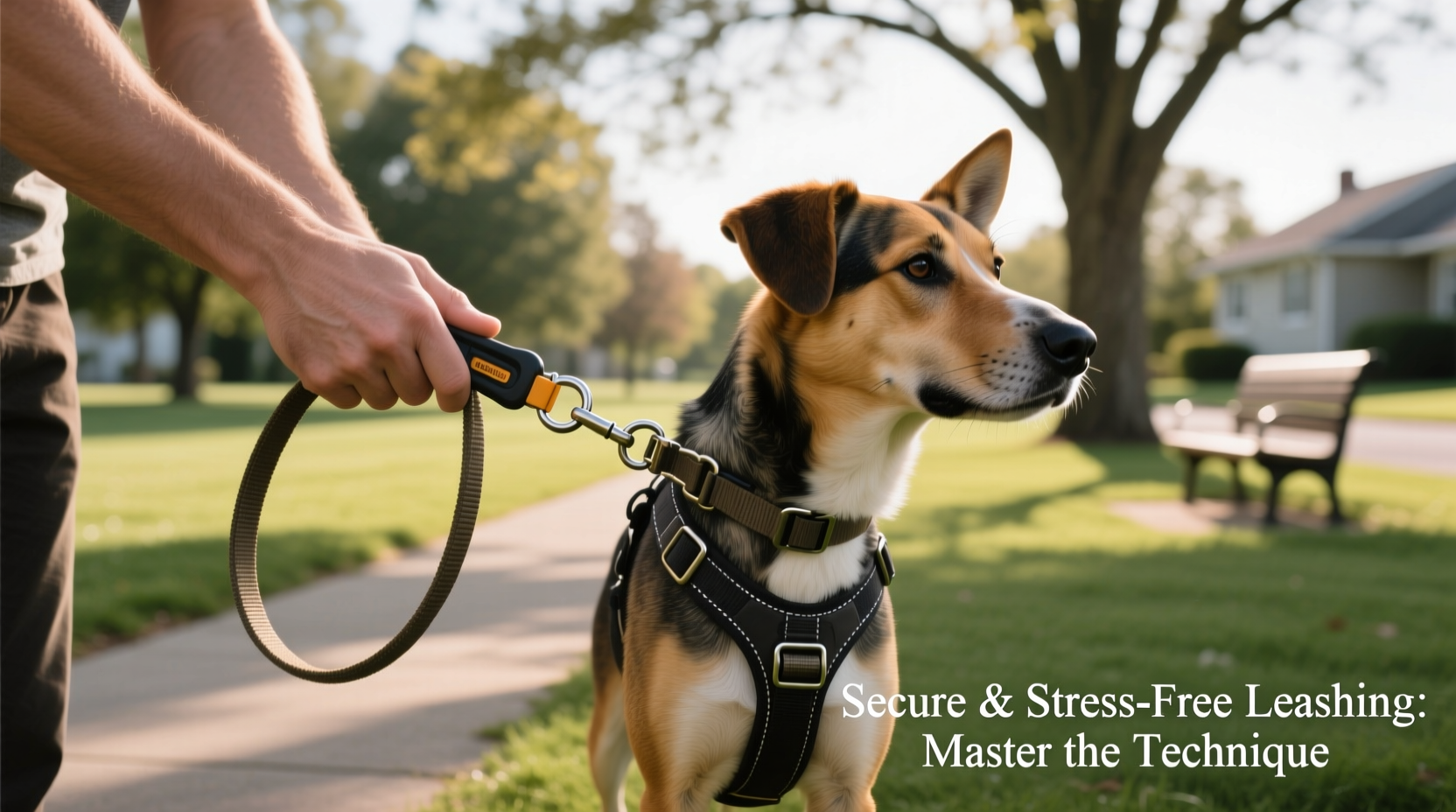
Before mastering the motion, ensure you’re using the right tools. Not all leashes and collars function the same way, and mismatched gear can compromise both comfort and security.
- Flat Collars: Ideal for well-trained dogs who don’t pull. Attach the leash to the D-ring at the back of the neck.
- Harnesses: Recommended for puppies, brachycephalic breeds (like Pugs), or dogs prone to pulling. Front-clip harnesses gently redirect movement, reducing strain on the trachea.
- Leash Types: Standard 4–6 foot nylon leashes offer control. Retractable leashes should be used cautiously and never clipped directly to a harness unless designed for it.
Step-by-Step Guide: How to Safely Snap and Attach a Leash
The goal is efficiency without force. Follow this sequence to create a seamless, stress-free transition from indoors to outdoors.
- Prepare in Advance: Have the leash and collar or harness ready. Avoid searching drawers while your dog waits, bouncing with anticipation.
- Calm Your Dog First: Ask your dog to sit or stand calmly. Use a cue like “Wait” or “Ready?” to signal the process is beginning.
- Secure the Collar or Harness: If not already on, fasten the collar snugly (two fingers should fit beneath) or guide limbs through the harness gently. Never yank or rush.
- Hold the Leash Properly: Grip the handle firmly, allowing minimal slack. Wrap excess length around your hand if needed, but avoid tight loops that could injure you during a sudden pull.
- Position Yourself: Stand beside or slightly behind your dog’s shoulder. This gives you control and reduces the chance of being pulled off balance.
- Snap the Clip Smoothly: Open the spring-loaded clasp with your thumb, align it over the D-ring, and release. You should hear a distinct click. Gently tug to test security.
- Double-Check the Connection: Ensure the metal clasp fully closed and the D-ring isn’t twisted. Verify no fur is caught in the buckle.
- Release the Cue: Only once everything is secure, give your walking command—“Let’s go,” “Walk,” or whatever phrase you use consistently.
Why Timing Matters
Attaching the leash too early—while your dog is jumping or barking—reinforces excitement. Wait until four paws are on the floor and attention is on you. This small pause teaches impulse control and sets a cooperative tone.
Common Mistakes and How to Avoid Them
Even experienced handlers make errors that compromise safety or comfort. Awareness is the first step toward correction.
| Mistake | Why It’s Risky | How to Fix It |
|---|---|---|
| Snapping the leash while the dog is moving | Increases chance of misalignment, pinched skin, or failed attachment | Wait for stillness. Use a “stay” cue if necessary. |
| Using excessive force on the clip | Can damage the D-ring or traumatize the dog | Align carefully. Let the spring mechanism do the work. |
| Attaching to the front ring of a back-clip harness | May cause chafing or restrict natural gait | Confirm correct attachment point per manufacturer instructions. |
| Allowing leash slack after clipping | Dog may bolt before you’re ready | Keep slight tension until you begin walking. |
Real Example: Transforming a Reactive Walker
Consider Max, a two-year-old German Shepherd adopted from a shelter. He lunged at the door every time his owner reached for the leash, barking and spinning in frustration. Attempts to clip him often ended in near-tangles or accidental tugs on his neck.
His handler introduced structure: she began preparing the leash five minutes before the walk, then asked Max to sit by the door. She attached the front-clip harness while he remained seated, rewarding stillness with quiet praise. The leash was clipped only after eye contact was made. Within two weeks, Max waited calmly, tail relaxed, anticipating the cue to move forward.
This shift didn’t come from new equipment alone—it came from consistent, patient execution of a safe attachment routine. The leash became a signal of cooperation, not chaos.
Expert Insight: What Professionals Recommend
Trainers emphasize that the moments before a walk are critical for behavioral shaping. Rushing through preparation undermines training done on the path itself.
“Leash attachment is not a mechanical task—it’s part of the communication process. Dogs learn whether they’re expected to be calm or chaotic based on how we behave in those seconds.” — Dr. Laura Simmons, Certified Canine Behavior Consultant
She recommends practicing the attachment sequence during low-stimulus times, such as midday, to reinforce calmness without the pressure of an impending outing.
Tip: Practice “fake walks”—go through the motions of clipping the leash but don’t open the door. This reduces fixation on exiting and helps your dog stay balanced.Checklist: Pre-Walk Leash Safety Routine
Use this checklist daily to ensure consistency and safety:
- ✅ Inspect leash and collar/harness for damage
- ✅ Confirm dog is wearing proper ID tags
- ✅ Ask dog to sit or stand calmly
- ✅ Position yourself beside the dog’s shoulder
- ✅ Open clasp fully and align with D-ring
- ✅ Listen for the click and test connection with a gentle pull
- ✅ Check for twisted straps or trapped fur
- ✅ Maintain light tension until walk begins
Frequently Asked Questions
What should I do if my dog pulls away when I reach for the leash?
This behavior often stems from overexcitement or past negative associations. Start by desensitizing your dog to the leash—let them see it without going for a walk. Reward calm behavior when the leash appears. Gradually reintroduce clipping during quiet moments, offering treats immediately after.
Is it safer to attach the leash to a collar or a harness?
For most dogs, especially those who pull, a harness is safer. It distributes pressure across the chest rather than the neck, reducing risk of tracheal injury or spinal strain. Small breeds and dogs with respiratory conditions benefit significantly from harness use.
My dog’s leash clip won’t close properly. Should I replace it?
Yes. A malfunctioning clasp is a serious hazard. Even if it seems to hold under light pressure, sudden jerks or lunges can cause failure. Replace worn clips immediately and consider switching to a high-quality, double-locking carabiner-style clasp for added security.
Conclusion: Turning Routine Into Ritual
Safely snapping and attaching a dog leash may seem trivial, but its impact is profound. When executed with care, it becomes a moment of connection—an unspoken agreement between you and your dog that today’s walk will be grounded in mutual respect and safety. Over time, this consistency builds confidence, reduces anxiety, and transforms routine into ritual.
Start today: slow down, pay attention to detail, and treat each attachment as an opportunity to reinforce good habits. Your dog is watching more closely than you think.
💬 Have a tip that made leash attachment easier for you and your dog? Share your experience in the comments—your insight could help another pet owner find peace on their next walk.








