Excessive shedding is one of the most common challenges pet owners face—especially during seasonal changes. While brushing is essential, not all tools are created equal. The Furminator deshedding tool has gained widespread recognition for its ability to remove loose undercoat hair efficiently without damaging the topcoat. However, improper use can lead to skin irritation or reduced effectiveness. This guide provides a comprehensive, practical approach to using the Furminator correctly, maximizing its benefits while ensuring your pet’s comfort and coat health.
Understanding the Furminator: How It Works
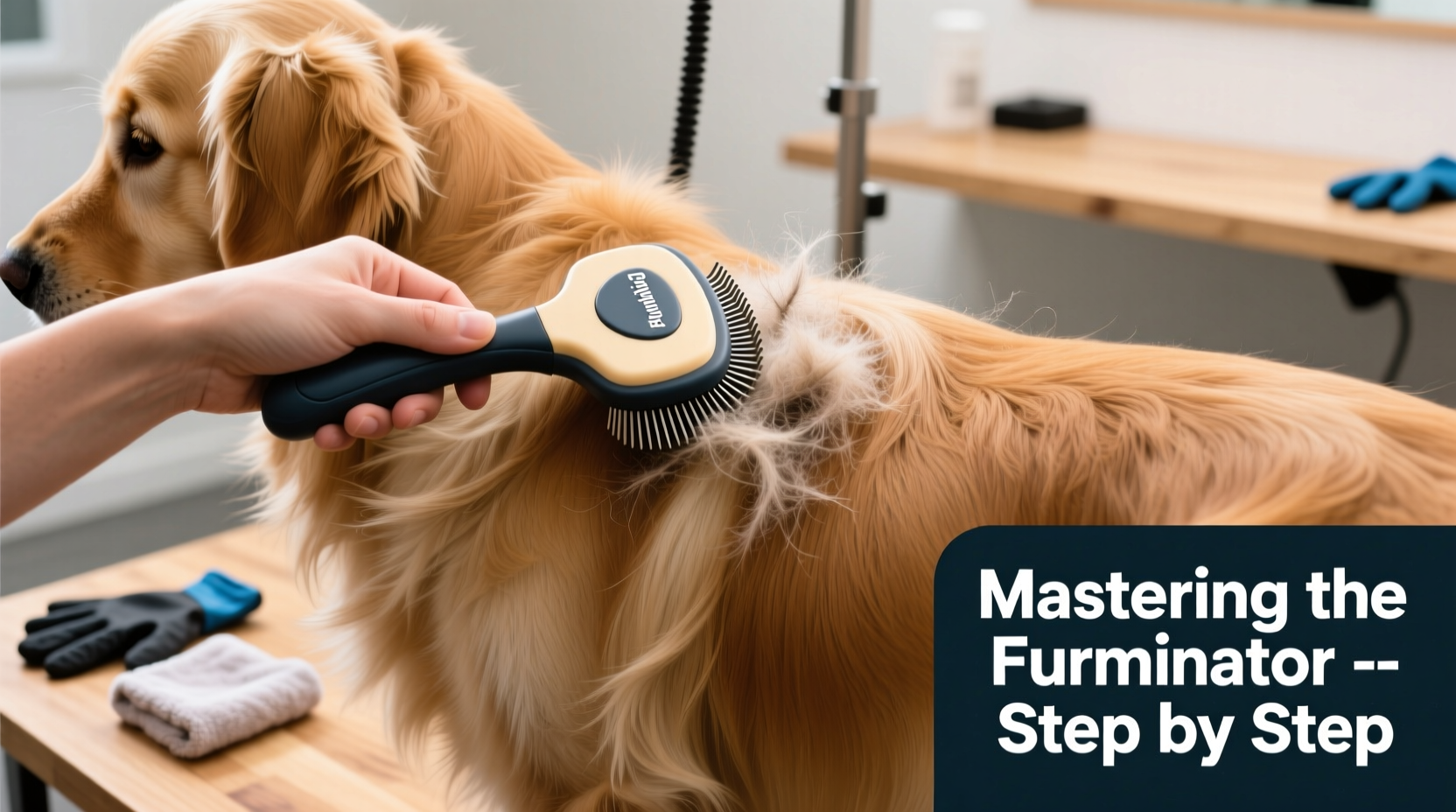
The Furminator is engineered with a stainless steel edge featuring precisely spaced, fine teeth that penetrate through the topcoat to reach the dense undercoat. Unlike standard brushes that only address surface hair, the Furminator targets the root cause of shedding: loose undercoat hairs ready to fall out. By removing these hairs before they shed naturally, the tool can reduce shedding by up to 90%, according to the manufacturer’s claims supported by anecdotal evidence from veterinarians and groomers.
It's available in various sizes and models tailored to different coat types—short, long, curly, or double-coated breeds such as Huskies, Golden Retrievers, and Persians. Choosing the correct model is critical; using a large dog version on a small cat, for example, may cause discomfort or injury.
“Proper deshedding tools like the Furminator, when used correctly, can significantly improve coat condition and reduce allergens in the home.” — Dr. Laura Bennett, DVM, Veterinary Dermatology Specialist
Step-by-Step Guide to Using the Furminator Effectively
To get the best results and ensure your pet remains calm and comfortable, follow this structured routine:
- Prepare Your Pet: Begin with a relaxed animal. Grooming should never be forced. Offer treats or gentle petting to create a positive association. Avoid grooming immediately after exercise or meals.
- Brush Out Tangles First: Use a slicker brush or comb to detangle matted areas. The Furminator should never be used on matted fur—it can pull painfully and worsen tangles.
- Select the Right Tool: Match the Furminator size and model to your pet’s breed, coat length, and body size. Smaller versions exist for cats and toy breeds.
- Work in Sections: Start at the neck and move toward the tail, following the direction of hair growth. Use short, overlapping strokes about 2–3 inches long.
- Apply Light Pressure: Let the tool do the work. Pressing too hard can irritate the skin. You should feel slight resistance as loose undercoat is lifted.
- Lift and Release Hairs: After every few strokes, activate the FURejector button to clear collected hair from the blade. This maintains efficiency and prevents clogging.
- Focus on High-Shed Areas: Pay extra attention to the back, flank, and hindquarters—common zones for undercoat buildup.
- Finish with a Soft Brush: Follow up with a soft bristle or rubber grooming mitt to smooth the coat and remove any remaining loose hairs.
- Reward Your Pet: Always end the session positively with praise, affection, or a treat.
Dos and Don’ts When Using the Furminator
| Do | Don't |
|---|---|
| Use on dry, clean coats only | Use on wet or damp fur |
| Groom once weekly during peak shedding seasons | Use daily or multiple times per week regularly |
| Clean the tool after each use | Leave hair trapped in the blade |
| Check for skin irritation post-use | Use on broken skin, rashes, or open wounds |
| Store in a dry place to prevent rust | Submerge the entire tool in water |
Real-Life Example: Managing Shedding in a Siberian Husky
Sarah, a pet owner in Minnesota, struggled with her two-year-old Siberian Husky, Luna, shedding excessively each spring. Despite daily brushing with a regular comb, hair covered furniture and clogged air filters. After consulting her groomer, Sarah purchased a Furminator designed for long-haired dogs. She began weekly grooming sessions following the proper technique: detangling first, then using light strokes along the back and sides. Within three weeks, she noticed a dramatic reduction in household shedding. Vacuuming frequency dropped from daily to twice a week, and Luna seemed more comfortable, especially during outdoor activity. Sarah now uses the Furminator seasonally—every 5 to 7 days during spring and fall—and less frequently in winter and summer.
Maintaining the Tool and Your Pet’s Skin Health
The longevity of your Furminator depends on consistent maintenance. After each use, wipe the blade with a dry cloth and occasionally use a soft brush to remove embedded debris. For deeper cleaning, lightly dampen a cloth with rubbing alcohol and gently wipe the metal surface—never soak it. Store in a cool, dry place away from humidity.
Your pet’s skin health is equally important. Overuse of the Furminator can strip natural oils and lead to dryness or micro-abrasions. Watch for signs of redness, flakiness, or excessive scratching after grooming. If observed, discontinue use for a few days and consider applying a vet-approved moisturizing spray. Never use the tool on puppies under six months old or pets with dermatological conditions unless cleared by a veterinarian.
Tip: Pair Furminator sessions with omega-3 fatty acid supplements to support coat health from within, reducing brittle hair and improving shine.Frequently Asked Questions
Can I use the Furminator on my cat?
Yes, but only with a model specifically designed for cats. Feline skin is thinner and more sensitive than dogs’, so using a dog-sized tool can cause injury. Introduce the tool gradually and limit sessions to 5–10 minutes.
How often should I use the Furminator?
For most pets, once a week during heavy shedding seasons (spring and fall) is sufficient. In non-shedding periods, reduce to once every 2–3 weeks. Breeds with continuous shedding, like Labradors, may benefit from bi-weekly use year-round.
Does the Furminator replace regular brushing?
No. The Furminator is a deshedding tool, not a substitute for daily maintenance brushing. Continue using a slicker brush or comb between Furminator sessions to prevent mats and distribute skin oils.
Conclusion: Transform Your Grooming Routine
Mastering the Furminator deshedding tool goes beyond simply owning the product—it requires understanding your pet’s coat type, using proper technique, and maintaining consistency. When applied correctly, this tool becomes a powerful ally in managing shedding, enhancing coat quality, and strengthening the bond between you and your pet. Grooming should be a calming ritual, not a chore. With patience, the right approach, and attention to detail, you can keep your pet looking and feeling their best throughout the year.
💬 Have a Furminator success story or tip? Share your experience in the comments to help fellow pet owners achieve healthier, shinier coats with confidence.








