
Grooming is more than just aesthetics—it’s essential to a dog’s health, comfort, and well-being. For professional groomers and pet owners alike, mastering the dog grooming loop is fundamental to delivering consistent, high-quality care. The grooming loop refers to the complete sequence of tasks performed during a grooming session, from intake to final inspection. When executed correctly, it ensures efficiency, safety, and a positive experience for both dog and handler. This guide breaks down each phase of the loop, offering practical insights and expert-backed techniques to elevate your grooming practice.
Understanding the Dog Grooming Loop
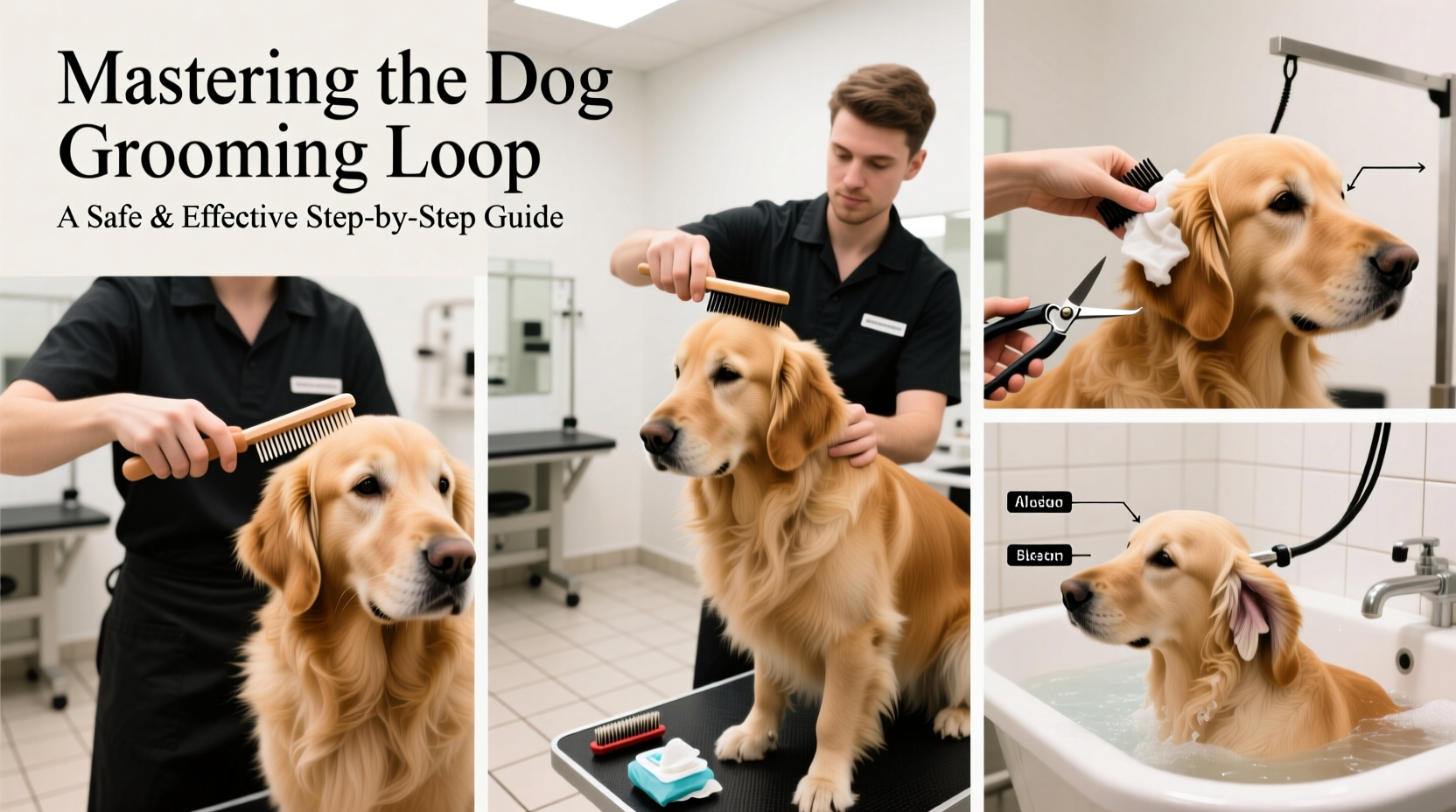
The grooming loop isn’t a single action but a structured workflow designed to maintain hygiene, detect health issues early, and prevent stress or injury. It begins the moment a dog enters the grooming space and ends only after a thorough post-groom evaluation. Skipping or rushing any step can compromise results and increase risk. A well-executed loop builds trust with pets and clients, reduces handling time, and minimizes behavioral incidents.
The core stages include: pre-groom assessment, bathing and drying, brushing and detangling, clipping and trimming, and final inspection. Each stage relies on the previous one—neglecting ear cleaning before bathing, for example, can trap moisture and lead to infections.
“Consistency in the grooming loop isn’t about speed—it’s about predictability and safety. Dogs thrive on routine, and so do professionals.” — Dr. Lena Torres, Certified Canine Care Specialist
Step-by-Step Guide to the Complete Grooming Loop
Follow this detailed timeline to ensure every grooming session is thorough and secure.
- Intake & Pre-Groom Assessment (5–10 minutes)
Greet the dog calmly. Check for skin irritations, matting, lumps, or signs of parasites. Review client notes for medical conditions, behavior concerns, or special instructions. Use this time to build rapport through gentle handling. - Nail Trimming & Ear Cleaning (8–12 minutes)
Trim nails first to reduce scratching risk during bathing. Use a guillotine or scissor-style clipper, avoiding the quick. Clean ears with a vet-approved solution and cotton ball—never insert anything into the ear canal. - Pre-Bath Brushing (10–15 minutes)
Remove loose hair and tangles using appropriate tools: slicker brushes for curly coats, undercoat rakes for double-coated breeds. Focus on high-friction areas like behind the ears, under the legs, and around the tail. - Bathing (15–20 minutes)
Wet the coat thoroughly with lukewarm water. Apply shampoo suited to the dog’s skin type—oatmeal for sensitive skin, medicated for dermatitis. Massage gently, ensuring full coverage without getting water in ears or eyes. Rinse completely; leftover residue causes itching. - Drying (20–30 minutes)
Towel-dry first, then use a stand dryer or cage dryer depending on temperament. Keep airflow warm but not hot. Comb through the coat periodically to prevent matting as it dries. Never leave a dog unattended with a dryer. - Post-Dry Brushing & Detangling (10–15 minutes)
Recheck for missed mats. Use a metal comb or dematting tool carefully. For severely matted dogs, consider clipping instead of pulling, which can cause pain and skin damage. - Clipping & Styling (20–40 minutes)
Begin with larger clippers for body work, switching to smaller blades for face, feet, and sanitary areas. Always move against hair growth for even cuts. Use guards to maintain consistent length. Pause if the dog shows signs of stress. - Final Inspection & Touch-Ups (5–10 minutes)
Examine symmetry, cleanliness, and comfort. Check paw pads for stray hairs, clean eye corners, and ensure no nicks or burns occurred. Verify all client requests were met.
Essential Tools and Safety Practices
Using the right equipment enhances precision and reduces strain. Below is a comparison of common grooming tools and their ideal applications.
| Tool | Best For | Avoid With |
|---|---|---|
| Slicker Brush | Curls, waves, prone-to-mat coats (Poodles, Shih Tzus) | Short, smooth coats (Boxers, Beagles) |
| Undercoat Rake | Double-coated breeds (Huskies, Golden Retrievers) | Silky or single-layer coats |
| Blade #10 | Sanitary trims, face work, sensitive areas | Large body clipping (too slow) |
| Blade #4F | Full-body shave-downs, summer cuts | Puppies or thin-skinned seniors |
| High-Velocity Dryer | Fluffing, fast drying, lifting coat for easier brushing | Fearful or noise-sensitive dogs |
Safety extends beyond tools. Always keep emergency supplies on hand: styptic powder for nail bleeds, a first-aid kit, and a fire extinguisher near electrical equipment. Ensure all cords are secured and out of reach to prevent chewing or tripping hazards.
Common Mistakes and How to Avoid Them
- Rushing the process: Skimping on brushing leads to hidden mats that tighten when wet, increasing discomfort during clipping.
- Using dull blades: Dull clippers tug at fur, causing irritation. Clean and oil blades after every use and replace them regularly.
- Ignoring body language: Lip licking, yawning, or whale eye (exposed whites) signal stress. Take breaks or adjust your approach.
- Over-drying: High heat close to the skin can burn. Maintain a safe distance (12–18 inches) and monitor skin color.
- Poor restraint: Over-handling agitated dogs escalates fear. Use supportive techniques like belly bands or non-slip surfaces instead of force.
Real-World Example: Transforming a Fearful Grooming Experience
Milo, a 3-year-old Bichon Frise, arrived at a suburban grooming salon with a history of biting during sessions. Previous groomers had sedated him, worsening his anxiety. The new groomer applied a modified grooming loop focused on desensitization.
Instead of starting with a bath, she spent the first visit simply brushing and rewarding calm behavior. On the second visit, she introduced water with a damp sponge, praising Milo throughout. By the third session, he allowed a full rinse and blow-dry. Within five weeks, Milo completed a full grooming cycle without distress.
This case illustrates how adhering to the loop—with flexibility for emotional needs—can transform resistance into cooperation. The key was consistency, patience, and respecting Milo’s pace while maintaining structure.
Checklist: Key Steps Before Every Grooming Session
Use this checklist to ensure nothing is overlooked:
- ✅ Confirm appointment details and special requests
- ✅ Inspect tools for sharpness, cleanliness, and function
- ✅ Prepare drying area with non-slip mat and proper ventilation
- ✅ Check water temperature and test dryer heat level
- ✅ Review dog’s medical and behavioral history
- ✅ Calmly greet the dog and assess mood and physical condition
- ✅ Secure collar or harness before mounting table
Frequently Asked Questions
How often should a dog go through the full grooming loop?
Most breeds benefit from a full grooming session every 4 to 6 weeks. Dogs with fast-growing or high-maintenance coats (like Poodles or Maltese) may need it every 4 weeks. Short-haired breeds can go up to 8 weeks, though regular brushing at home is still recommended.
Can I skip the pre-bath brushing if the dog looks clean?
No. Surface cleanliness doesn’t reveal underlying matting. Bathing a matted coat causes mats to tighten and swell, making them painful to remove. Always brush before wetting the coat.
What should I do if a dog becomes aggressive during grooming?
Safely stop the procedure. Assess whether pain, fear, or poor socialization is the cause. Communicate with the owner and consider referring to a veterinary behaviorist. In some cases, mild sedation under veterinary guidance may be necessary—but never as a routine substitute for proper technique.
Conclusion: Elevate Your Grooming Practice Today
Mastering the dog grooming loop is not about perfection on the first try—it’s about building a repeatable, thoughtful process that prioritizes safety, hygiene, and compassion. Whether you're a seasoned groomer or a dedicated pet parent, refining each step of the loop leads to better outcomes and stronger relationships with the animals in your care. Consistent attention to detail transforms grooming from a chore into a craft.
💬 Ready to improve your grooming routine? Start by auditing your next session against this guide. Share your experiences or questions below—your insights could help others master the loop too.








