
For cat owners, managing litter box hygiene is one of the most persistent challenges. While traditional scooping can be time-consuming and messy, sifting cat litter boxes offer a smarter, more efficient alternative. These innovative designs separate waste from clean litter with minimal effort, reducing daily cleanup time and improving odor control. However, to truly benefit from a sifter-style litter box, proper use and maintenance are essential. This guide dives into best practices, common mistakes, and science-backed strategies to help you master the sifting litter box—keeping your home fresher and your feline friend comfortable.
How Sifting Litter Boxes Work: The Basics
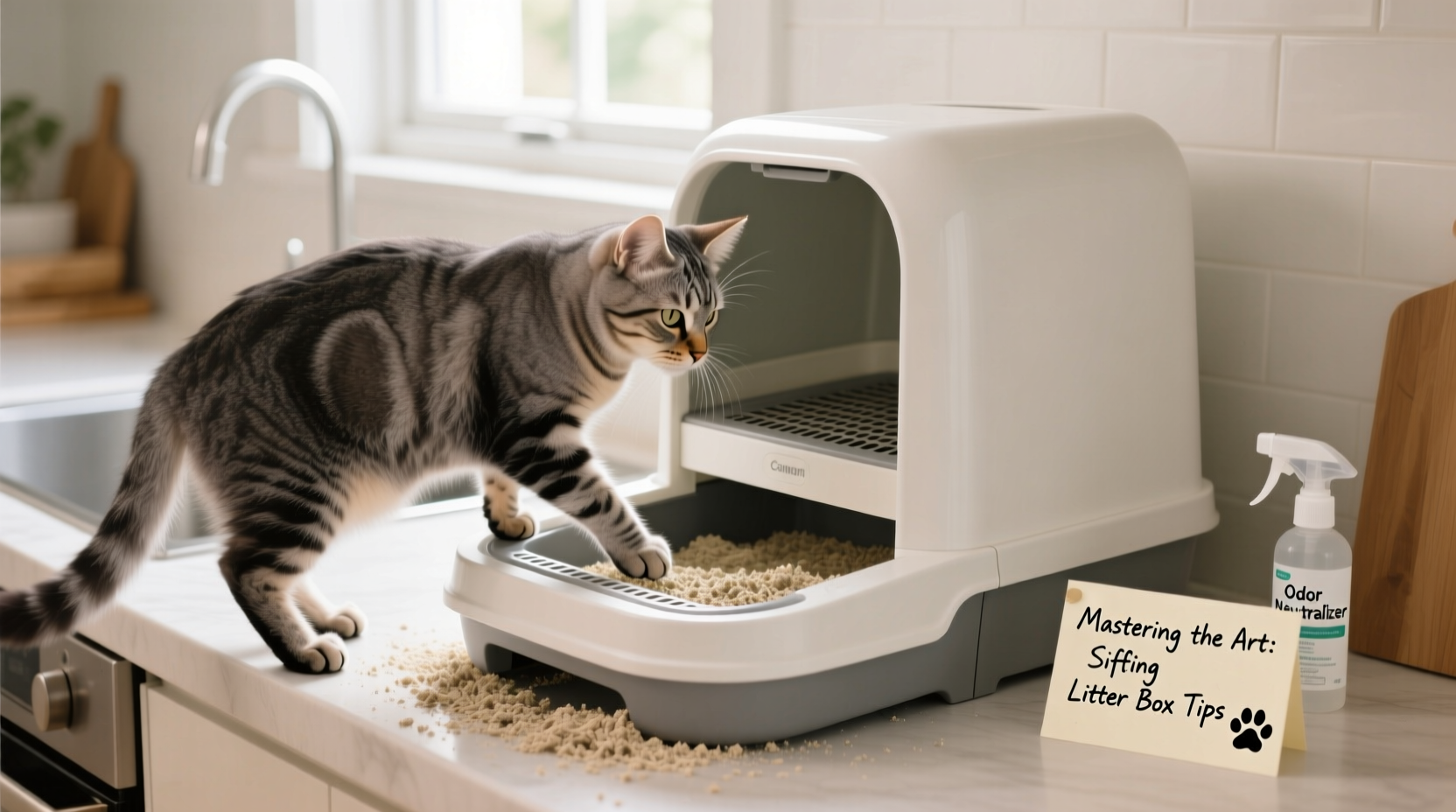
Sifting litter boxes operate on a simple but effective principle: mechanical separation. Most models feature a dual-chamber design or a removable sifting tray with small perforations. When your cat uses the box, solid waste and clumped urine stay on top while clean granules fall through the holes during shaking or flipping. This allows you to discard only the soiled portion, preserving usable litter and minimizing waste.
Unlike automated self-cleaning boxes, sifting systems require manual agitation—but they’re typically quieter, more affordable, and less prone to mechanical failure. They also work well with most clumping litters, making them a versatile option for many households.
Tip: Always shake the sifter over a lined trash can to avoid mess and contain odors during disposal.Step-by-Step Guide to Daily and Weekly Maintenance
Consistency is key when it comes to litter box upkeep. A disciplined routine prevents odor buildup and keeps your cat using the box reliably. Follow this timeline for optimal results:
- Daily (Every 12–24 hours): Remove large clumps and feces by gently shaking the sifter. Use a liner bag in your trash can to make disposal quick and sanitary.
- Midweek Check: Inspect litter levels. Top off with fresh litter if volume has dropped below half capacity. Avoid mixing different brands or types, as this can affect clumping performance.
- Weekly Deep Clean: Empty all remaining litter. Wash the box with warm water and mild, unscented soap. Never use ammonia or citrus-based cleaners—they mimic urine scents and may deter your cat.
- Replace Filter (if applicable): Some sifting boxes include carbon filters for odor absorption. Swap these every 2–4 weeks for continued effectiveness.
- Monitor Your Cat’s Behavior: Sudden avoidance of the box could signal health issues or dissatisfaction with cleanliness.
Odor Control Strategies That Actually Work
Even with regular sifting, odors can accumulate if not managed correctly. Urine crystals, bacterial growth, and residual moisture are the main culprits. Address them proactively with these methods:
- Use high-clumping, low-dust litter: Premium clumping formulas form tight seals around urine, locking in moisture and smell.
- Add baking soda beneath the litter layer: A thin base layer absorbs early-stage odors before they rise.
- Ensure adequate ventilation: Place the box in a well-ventilated area, but away from drafts that might discourage use.
- Rotate litter type seasonally: In humid months, switch to silica-enhanced or pine-based litters that resist dampness.
“Effective odor control starts with rapid waste removal and ends with consistent deep cleaning. Sifting boxes excel at the first step, but owners must follow through weekly.” — Dr. Lena Reyes, Feline Health & Behavior Specialist
Do’s and Don’ts of Sifting Litter Box Use
| Do’s | Don’ts |
|---|---|
| Shake the sifter gently to preserve litter integrity | Don’t overfill the box—excess litter reduces sifting efficiency |
| Wear gloves during cleaning to maintain hygiene | Don’t use strong disinfectants like bleach frequently—residues repel cats |
| Store extra litter in an airtight container to preserve freshness | Don’t mix clay and crystal litters—they don’t sift uniformly |
| Inspect sifter holes monthly for clogs or wear | Don’t ignore lingering smells—trace and eliminate the source immediately |
Real-Life Example: How One Household Reduced Cleaning Time by 70%
The Thompson family adopted two rescue cats with differing litter preferences—one favored fine-grain clay, the other avoided dusty textures. Initially overwhelmed by twice-daily scooping and persistent hallway odors, they switched to a dual-compartment sifting box with a micro-perforated tray.
After implementing a strict schedule—sifting each morning, changing liners every three days, and deep-cleaning every Sunday—they noticed immediate improvements. Not only did cleaning time drop from 15 minutes daily to under 5, but their younger cat stopped avoiding the box altogether. Within a month, household complaints about smells ceased entirely.
“We underestimated how much the texture and ease of cleanup mattered,” said Maria Thompson. “Now, we empty the trash less often and refill litter only once a month.”
Essential Checklist for Optimal Sifting Box Performance
Stay on track with this practical checklist. Review weekly to ensure nothing slips through the cracks:
- ✅ Sift waste at least once per day
- ✅ Replace trash liner after each disposal
- ✅ Top off litter to maintain 2–3 inch depth
- ✅ Clean sifter tray holes with a toothpick or brush monthly
- ✅ Wipe exterior surfaces to prevent dust and tracking buildup
- ✅ Monitor for signs of litter box avoidance or irregular digging
- ✅ Store backup litter in sealed containers away from humidity
Frequently Asked Questions
Can I use any type of litter with a sifting box?
Most sifting boxes work best with medium to coarse clumping litters. Fine powders or lightweight crystal litters may fall through the sieve unintentionally, wasting product. Always check manufacturer recommendations before switching brands.
How often should I replace the entire litter batch?
Even with daily sifting, replace all litter completely every 4–6 weeks. Over time, microscopic urine residues accumulate, diminishing odor control and hygiene. In multi-cat homes, consider changing every 3 weeks.
Why does my sifting box still smell despite regular cleaning?
Persistent odor usually indicates trapped moisture in crevices or degraded litter quality. Ensure the box is thoroughly dried after washing, and inspect rubber seals or corners where bacteria can hide. Also, verify that your litter is fresh—old stock loses absorbency.
Final Thoughts: Turn Routine Into Ritual
Mastering the sifting cat litter box isn’t just about convenience—it’s about creating a sustainable system that supports both pet wellness and household harmony. With the right tools, timing, and attention to detail, what was once a dreaded chore can become a seamless part of your daily rhythm. The benefits extend beyond cleanliness: reduced stress for your cat, fewer allergens in your air, and a noticeably fresher living space.
Start today by auditing your current setup. Is your litter compatible? Are you sifting consistently? Could a better liner or mat improve the process? Small adjustments compound into major improvements over time.
🚀 Ready to transform your litter routine? Implement one new tip from this guide today—and share your experience in the comments to help fellow cat lovers keep their homes cleaner and happier.








