Grooming is essential for your dog’s health, hygiene, and comfort. But when your dog resists—whether through trembling, growling, or outright refusal—the experience can become a battle of wills that leaves both you and your pet stressed. For dogs with anxiety, past trauma, or simply low tolerance for handling, traditional grooming methods often fail. The key isn’t force, but strategy. With patience, consistency, and the right techniques, even the most difficult dogs can learn to tolerate—and sometimes even enjoy—grooming.
Understanding Why Dogs Resist Grooming
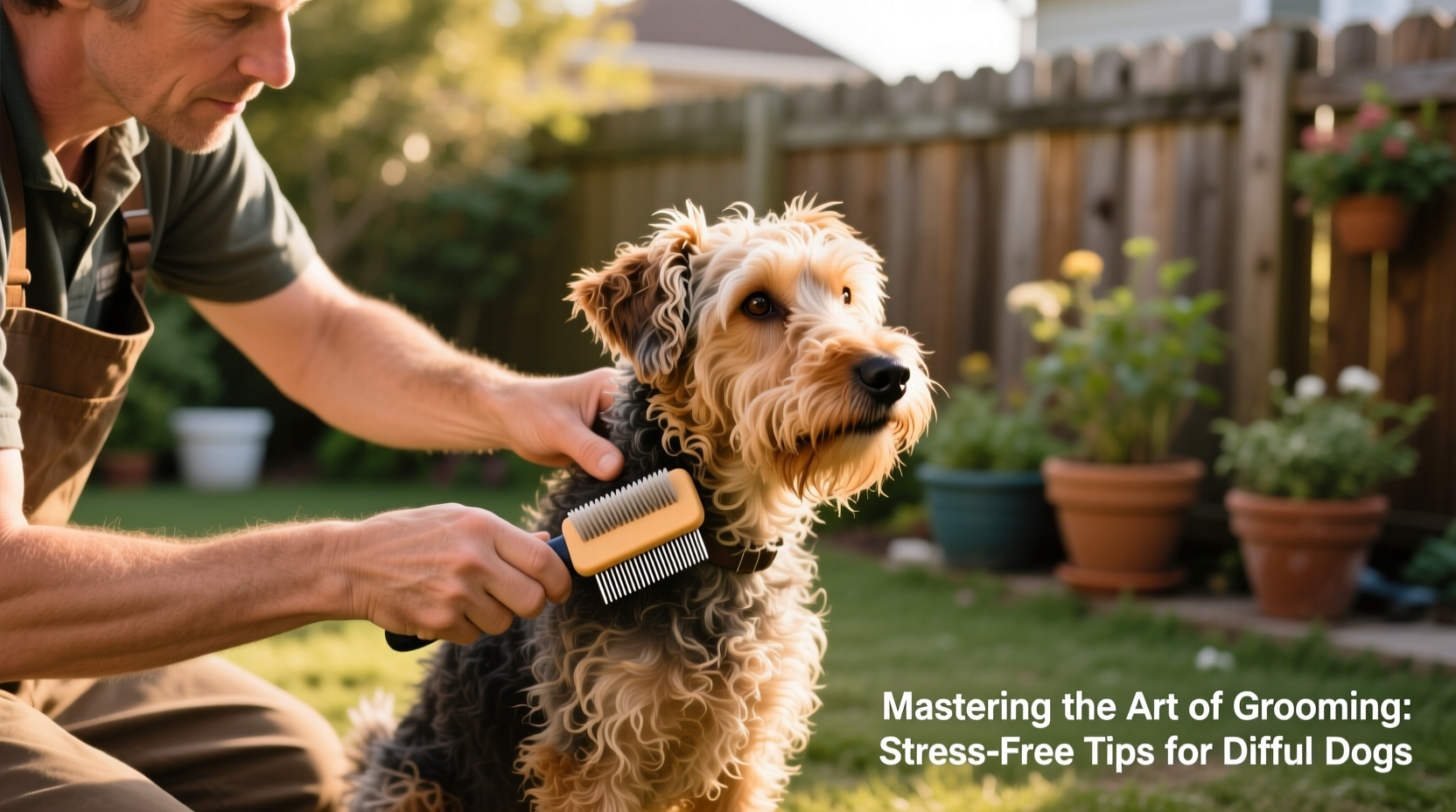
Dogs don’t resist grooming out of defiance. Their reactions are rooted in fear, discomfort, or lack of familiarity. Common triggers include:
- Sensitivity to touch, especially around paws, ears, or tail
- Negative past experiences at groomers or vet clinics
- Lack of early socialization to grooming tools and routines
- Pain from underlying conditions like arthritis or skin infections
- Overstimulation from noise (e.g., clippers) or restraint
Recognizing the source of resistance allows you to tailor your approach. A dog flinching at the sound of clippers may need gradual sound desensitization, while one pulling away during nail trims might benefit from touch conditioning and positive reinforcement.
“Many dogs labeled as ‘difficult’ are simply communicating discomfort. Our job is to listen and adapt.” — Dr. Lena Patel, Veterinary Behaviorist
Step-by-Step Guide: Building a Stress-Free Grooming Routine
Rushing into full grooming sessions sets both you and your dog up for failure. Instead, build trust through small, positive interactions. Follow this timeline over days or weeks, depending on your dog’s comfort level.
- Day 1–3: Tool Introduction
Create neutral associations. Place brushes, clippers, and nail trimmers near your dog without using them. Pair their presence with treats and calm praise. - Day 4–7: Touch Conditioning
Practice gentle touching of sensitive areas—paws, ears, muzzle—for just seconds at a time. Reward calm behavior immediately. If your dog pulls away, reduce duration and try again later. - Day 8–10: Simulated Grooming
Run a brush over the back without brushing deeply. Turn on clippers across the room first, then gradually closer. Never force contact. - Day 11–14: Short, Focused Sessions
Begin actual grooming—one paw trim or a brief brushing session. Keep it under two minutes. End on a positive note, even if incomplete. - Week 3+: Gradual Progression
Slowly increase duration and complexity. Always monitor body language: pinned ears, lip licking, or whale eye indicate rising stress.
Essential Tools and Environment Setup
The right environment reduces anxiety. Choose a quiet, well-lit room with minimal distractions. Avoid cold floors; use a non-slip mat or towel. Keep all tools within reach to avoid leaving your dog mid-session.
Select grooming tools based on coat type and sensitivity:
| Tool | Best For | Tips for Sensitive Dogs |
|---|---|---|
| Pin Brush | Long, wavy coats | Use light strokes; avoid tugging on mats |
| Comb (Wide & Fine Tooth) | Detection of tangles and debris | Start at the ends and work upward gently |
| Quiet Clippers | Dogs fearful of noise | Test on a table first; pair sound with treats |
| Scissor Grips (Blunt-Tip) | Precise trimming around face and paws | Introduce closed scissors first, then open/close slowly nearby |
| Styptic Powder | Nail trims | Have it ready—but avoid showing it, as it may signal pain |
Real Example: Transforming Max, the Reactive Terrier
Max, a 4-year-old Jack Russell Terrier, would bark, snap, and hide whenever his owner reached for the brush. He had been roughly handled by a previous groomer and associated grooming with pain. His owner started with a six-week plan:
- Week 1: Left the brush on the floor with treats nearby.
- Week 2: Touched Max’s back briefly while feeding treats.
- Week 3: Used the brush to tap his shoulder—no brushing yet.
- Week 4: Achieved 10-second brushing sessions on his back only.
- By Week 6, Max allowed full-body brushing in three short segments, ending each with playtime.
No force was used. Progress was slow, but consistent. Today, Max walks to the grooming mat when he sees the brush.
Checklist: Preparing for a Successful Grooming Session
Before each grooming attempt, run through this checklist to ensure safety and reduce stress:
- ✅ Choose a calm time of day (not after excitement or exercise)
- ✅ Gather all tools and treats in advance
- ✅ Ensure your dog has relieved themselves
- ✅ Check for signs of pain or illness (limping, red skin, etc.)
- ✅ Have an exit plan if stress escalates (stop and regroup)
- ✅ Use a harness or gentle head halter if needed for control—never choke chains
Common Mistakes to Avoid
Even well-meaning owners can unintentionally worsen resistance. Steer clear of these pitfalls:
- Skipping preparation: Jumping straight into clipping or bathing overwhelms anxious dogs.
- Ignoring body language: Signs like yawning, turning away, or stiffening mean stop—not push forward.
- Using punishment: Yelling or restraining harshly destroys trust and increases fear.
- Overextending sessions: Long sessions exhaust patience. Two minutes of calm grooming beats ten minutes of struggle.
- Forgetting breaks: Allow pauses for sniffing, drinking water, or resting between steps.
FAQ: Addressing Common Concerns
What if my dog bites during grooming?
Biting is a last-resort communication of fear or pain. Stop the activity immediately. Consult a veterinarian to rule out medical causes, then work with a certified dog behaviorist. Muzzles (basket type) can be introduced positively as a safety tool, not a punishment.
How often should I groom a difficult dog?
Frequency depends on breed and coat, but for resistant dogs, shorter, more frequent sessions (e.g., 5 minutes, 3 times a week) are more effective than one long weekly session. Maintenance prevents matting and builds routine.
Can I groom my dog at home if they hate professional groomers?
Yes—and many difficult dogs do better at home, where they feel safer. You control the pace, environment, and rewards. If professional services are necessary, seek fear-free certified groomers who use low-stress handling techniques.
Conclusion: Patience Is the True Grooming Tool
Mastering the art of grooming a difficult dog isn’t about mastering tools—it’s about mastering empathy. Every dog can learn, but on their own timeline. What matters most isn’t a perfectly brushed coat today, but a trusting relationship built over time. By replacing pressure with patience, coercion with kindness, you transform grooming from a chore into a bonding ritual. Start small, celebrate progress, and remember: a calm dog is a cooperative dog. Begin where your dog is, not where you wish they were.
💬 Have a success story or challenge with grooming your dog? Share your experience in the comments—your insight could help another pet owner find peace at the grooming mat.








