Cats are natural predators, hardwired to stalk, chase, pounce, and capture prey. In a domestic environment, these instincts often go unfulfilled—leading to boredom, stress, or even behavioral issues. The Da Bird cat toy, a popular feather-on-a-stick design from GoCat, taps directly into this predatory drive. When used effectively, it doesn’t just entertain—it fulfills a deep psychological need in cats. But simply waving a feather wand won’t guarantee success. Mastering playtime requires understanding feline behavior, timing, technique, and consistency. This guide delivers expert-backed strategies to transform your Da Bird sessions into enriching, bonding experiences that keep your cat mentally sharp and physically fit.
Understanding Your Cat’s Natural Hunting Sequence
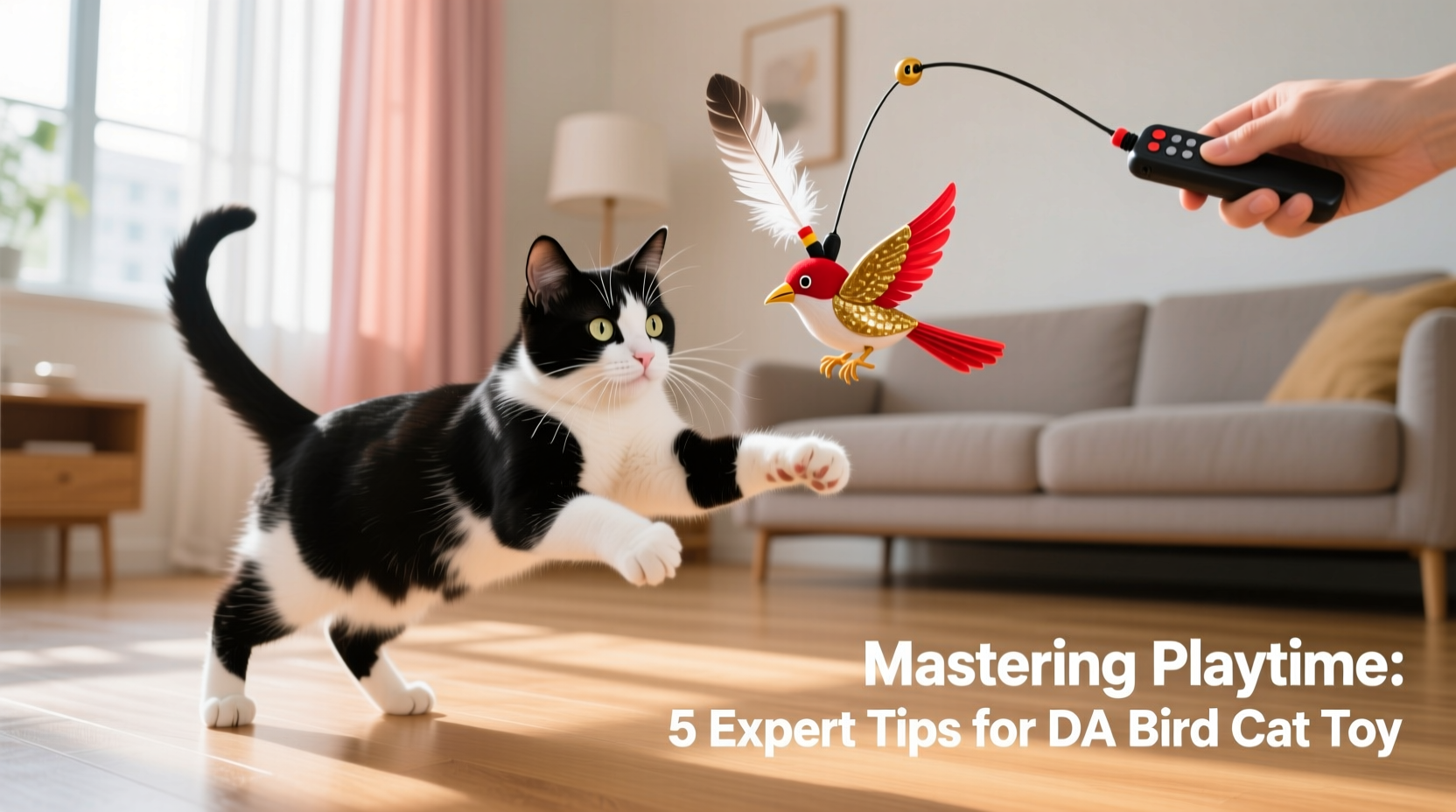
Cat play isn’t random; it follows a precise sequence: spotting → stalking → chasing → pouncing → biting → “killing” → eating. Most commercial toys only stimulate one or two stages, but the Da Bird excels at mimicking real prey movement, allowing cats to complete the full cycle. This is critical because incomplete play can leave cats frustrated or overstimulated.
To maximize engagement, replicate each phase:
- Spotting: Begin with subtle movements just within your cat’s peripheral vision.
- Stalking: Move the toy slowly, pausing intermittently as if prey is hiding.
- Chasing & Pouncing: Increase speed suddenly, then dart the toy erratically like a fleeing bird.
- Biting & “Killing”: Let your cat catch and bite the feathers. Allow them to “kill” the toy by holding and shaking it.
Never pull the toy away when your cat makes contact. Doing so breaks immersion and teaches them that catching leads to loss—not reward.
Tip: End each session by letting your cat “capture” the toy. This provides psychological closure and reduces frustration.Perfecting Your Technique: How to Move the Da Bird Like Prey
The magic of the Da Bird lies in its lifelike motion. But poor handling turns it into just another dangling string. Success depends on how you manipulate the wand.
Use your wrist, not your arm, for quick flicks and sudden direction changes. Imagine a sparrow evading capture—zigzagging, fluttering, diving, and pausing mid-air. Avoid repetitive circular motions; they’re unnatural and quickly bore cats.
- Start low: Glide the feathers just above the floor to mimic ground-level birds or insects.
- Add height gradually: Leap the toy onto furniture or up walls to simulate escape attempts.
- Incorporate obstacles: Weave around legs, chairs, or corners to create unpredictable paths.
- Pause strategically: Freeze for 2–3 seconds after bursts of movement—this triggers stalking behavior.
Observe your cat’s body language. A twitching tail may mean disinterest, while a crouched posture with dilated pupils signals full engagement.
“The most effective play sessions mirror real hunting patterns. Cats don’t chase things moving in perfect circles—they chase erratic, unpredictable prey.” — Dr. Sarah Ellis, Feline Behavior Scientist, University of Bristol
Optimizing Play Schedule and Duration
Timing matters as much as technique. Cats are crepuscular—most active at dawn and dusk. Aligning play sessions with these natural peaks increases participation.
Aim for two 10–15 minute sessions daily: one before breakfast and one before bedtime. Short, frequent bursts are better than one long session. Overplaying can lead to fatigue or aggression; underplaying leaves energy unspent.
| Time of Day | Benefits | Recommended Action |
|---|---|---|
| Dawn (5–7 AM) | Harnesses natural hunting surge | Simulate morning prey activity |
| Dusk (6–8 PM) | Burns energy before sleep | High-intensity chase sequences |
| Midday | Good for sedentary or older cats | Gentle, slow-moving stimulation |
For multi-cat households, play individually first to ensure each cat gets focused attention, then encourage group chases to promote social interaction.
Common Mistakes That Undermine Engagement
Even with the right toy, many owners unknowingly sabotage their efforts. Awareness of these pitfalls improves results significantly.
- Moving too fast too soon: Skipping the stalking phase overwhelms the cat’s predatory instinct.
- Ending mid-chase: Stopping when the cat is highly aroused can cause redirected aggression.
- Using the same pattern daily: Predictability kills excitement. Rotate movement styles and environments.
- Ignoring post-play feeding: Follow play with a small meal to simulate the “eat” phase of the hunt.
Real-World Example: Reviving an Indoor Cat’s Interest
Milo, a 4-year-old indoor tabby, had become lethargic and prone to nighttime zoomies. His owner, Jenna, tried multiple toys with little success. After introducing the Da Bird with structured play techniques, changes emerged within a week.
She began nightly 12-minute sessions at 7:30 PM, mimicking bird flight patterns near the living room bookshelf. She ended each session by letting Milo catch the toy, followed by a small wet food treat. Within ten days, Milo’s nighttime bursts decreased by 70%, his daytime alertness improved, and he initiated play by bringing the Da Bird to her.
This case illustrates how proper use of the toy addresses both physical exercise and mental fulfillment—transforming apathy into active engagement.
Pro Checklist: Maximizing Da Bird Play Sessions
Follow this checklist before every play session to ensure optimal results:
- Choose a quiet, distraction-free area.
- Check the Da Bird for loose feathers or frayed strings.
- Begin with slow, low movements to trigger interest.
- Vary speed and direction—avoid predictable patterns.
- Allow your cat to catch and “kill” the toy at the end.
- Follow play with a small meal or treat.
- Store the toy out of sight when not in use to preserve novelty.
Frequently Asked Questions
How often should I replace the Da Bird feathers?
Inspect the feathers weekly. Replace them when they become matted, torn, or excessively chewed—typically every 4–8 weeks depending on use. Regular replacement keeps the toy looking fresh and enticing.
My cat loses interest after 30 seconds. What am I doing wrong?
Short attention spans often result from incorrect pacing. Try starting slower and reducing movement amplitude. Also, ensure you're playing during your cat's peak activity times. Some cats need a few sessions to reawaken dormant hunting instincts.
Can the Da Bird be used for senior or less active cats?
Absolutely. Modify the intensity: use gentle wands, shorter durations, and lower movements. You can even dangle feathers just above their paws to encourage swatting. Mental stimulation is vital for aging cats to prevent cognitive decline.
Final Thoughts: Play as Preventative Care
Interactive play with tools like the Da Bird isn’t just fun—it’s preventative healthcare. Regular sessions reduce obesity, curb destructive behaviors, decrease stress-related grooming, and strengthen the human-feline bond. More importantly, they honor your cat’s innate nature in a safe, enriching way.
Mastering the Da Bird means more than knowing how to wave a stick. It’s about empathy, observation, and commitment to your cat’s emotional well-being. With consistent, thoughtful play, you’re not just entertaining your pet—you’re fulfilling a primal need.
🚀 Ready to transform your cat’s playtime? Grab your Da Bird tonight and run through the checklist. Observe, adapt, and celebrate every pounce. Share your success stories—or challenges—in the comments below to help other cat lovers master the art of feline engagement.








