
Walking your dog off-leash should be a joyful experience—freedom for them, peace of mind for you. Yet too many owners struggle with unreliable recall, distractions, or unpredictable behavior once the leash comes off. True off-leash freedom isn��t about letting go; it’s about building a deep connection rooted in trust, training, and consistency. With the right approach, your dog can stay close, respond instantly to cues, and remain safe even in open spaces.
The Foundation: Why Off-Leash Safety Starts Long Before the Leash Comes Off
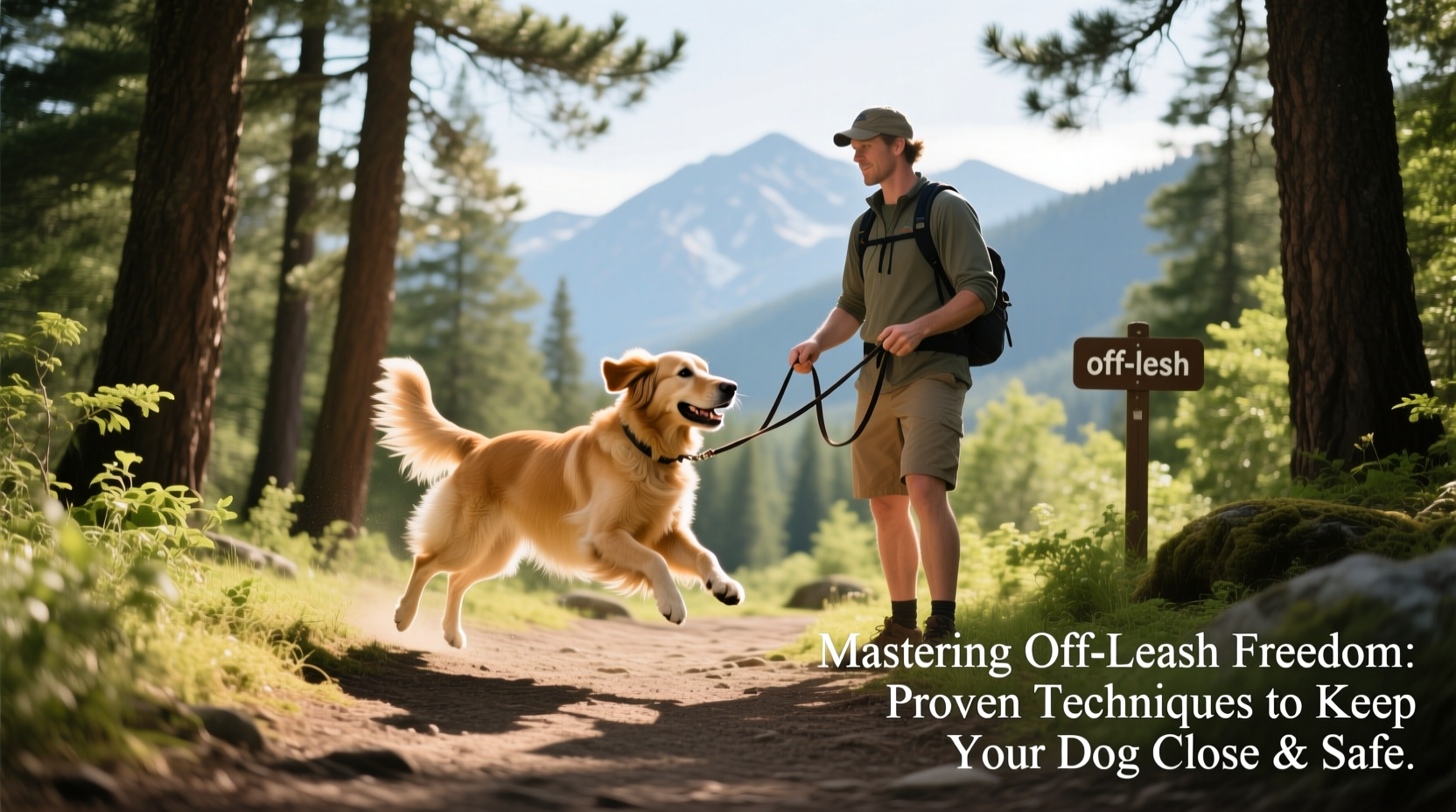
Off-leash control begins on-leash. Dogs don’t generalize commands well without structured repetition across different environments. A dog that ignores “come” in the backyard won’t magically obey in a park full of squirrels. The foundation of reliable off-leash behavior is built through progressive exposure, strong reinforcement history, and emotional regulation.
Before attempting off-leash walks, ensure your dog reliably responds to key cues like “come,” “stay,” “leave it,” and “heel” in low-distraction settings. Then gradually increase difficulty—first in quiet backyards, then in fenced parks, and finally in open areas. Rushing this process leads to setbacks and erodes confidence.
Tip: Always carry high-value treats (like chicken or cheese) during early off-leash training. They reinforce focus when distractions are high.Step-by-Step Guide to Building Reliable Recall
Recall is the cornerstone of off-leash safety. A dog that returns immediately when called avoids danger and maintains harmony in public spaces. Use this five-phase method to build an unshakable recall response:
- Start Indoors: Practice “come” in a distraction-free room. Reward every response generously with treats and praise.
- Add Movement: Call your dog while walking backward. This encourages pursuit and makes the cue more engaging.
- Move to Fenced Areas: Use a long line (15–30 feet) in a secure yard. If your dog hesitates, gently reel them in and still reward—never punish.
- Introduce Distractions: Practice near mild distractions (e.g., toys, other calm dogs). Increase complexity only when success rate exceeds 90%.
- Test in Open Spaces: Only after consistent success, try short off-leash sessions in safe zones. Always end on a positive note.
The key is making coming back more rewarding than whatever your dog is doing. That means better treats, more excitement, and immediate play or affection.
Environmental Management: Choosing the Right Places to Train
Not all environments are suitable for off-leash training. Picking the right location accelerates progress and prevents bad habits from forming.
| Environment | Suitable for Training? | Notes |
|---|---|---|
| Quiet suburban street | No | Traffic, noise, and unfamiliar people create high risk. |
| Fenced backyard | Yes | Ideal for early recall drills and focus exercises. |
| Dog park (busy) | Limited | Overstimulation can override training; use only after solid foundation. |
| Empty parking lot (off-hours) | Yes | Controlled space with minimal distractions. |
| Nature trail with wildlife | No (early stages) | Predatory drive may take over; save for advanced training. |
Select locations where you can control variables. Gradual exposure builds resilience without overwhelming your dog.
Real Example: From Reactive to Reliable – Luna’s Journey
Luna, a two-year-old Border Collie, would bolt at the sight of deer and ignore calls completely. Her owner, Mark, tried punishment-based methods, which only made her more hesitant. After switching to positive reinforcement, he began with a 30-foot long line in a quiet field. Every time Luna turned toward him after spotting movement, he rewarded her enthusiastically—even if she didn’t fully return. Over six weeks, her check-ins became automatic. Now, she roams freely in designated areas and consistently returns, even when rabbits dart nearby.
Luna’s transformation wasn’t due to stricter control, but to rewiring her emotional response. She learned that paying attention to her handler leads to greater rewards than chasing.
“Dogs don’t fail recall because they’re disobedient—they fail because coming back hasn’t been made valuable enough.” — Dr. Karen Shaw Becker, Veterinary Behaviorist
Essential Techniques to Keep Your Dog Close and Engaged
Beyond recall, several strategies help maintain proximity and attention:
- Check-In Training: Reward your dog randomly for looking at you during walks. This builds a habit of staying connected.
- Engagement Games: Play “find it” by tossing treats near you after a recall. It turns returning into a fun game.
- Leash Pressure Simulation: Occasionally practice “emergency U-turns” on-leash to simulate redirection without tension.
- Name Game: Say your dog’s name followed immediately by a treat toss at your feet. This teaches them that their name predicts good things.
These micro-interactions build a relationship where your dog chooses to stay close—not because they have to, but because it pays off.
Tip: Rotate high-value treats to prevent boredom. One day use chicken, the next cheese or freeze-dried liver.Checklist: Preparing for Safe Off-Leash Walks
Before removing the leash, verify the following:
- ✅ Your dog responds to “come” in 9 out of 10 trials in moderately distracting environments.
- ✅ You have a long line and high-value treats ready.
- ✅ The area is legally permitted for off-leash activity and free of hazards (traffic, aggressive dogs, toxic plants).
- ✅ Your dog is wearing ID tags and is microchipped.
- ✅ You’ve practiced emergency stops using “wait” or “leave it” cues.
- ✅ You’re prepared to end the session early if focus wanes.
Common Mistakes That Undermine Off-Leash Success
Even well-intentioned owners make errors that sabotage progress:
- Calling Only to End Fun: If “come” always means going home, your dog will resist. Instead, call, reward, and let them resume exploring.
- Using Harsh Corrections: Yelling or jerking on a long line damages trust and suppresses future responses.
- Skipping Environmental Progression: Jumping straight to open fields sets dogs up for failure.
- Expecting Perfection Too Soon: Reliability takes months, not days. Celebrate small wins.
Patience and consistency yield far better results than force or frustration.
FAQ
What if my dog ignores me when off-leash?
Stop calling repeatedly—it weakens the cue. Instead, use a long line to gently guide them back and reward the moment they comply. Reassess your training environment and ensure rewards are sufficiently motivating.
Can older dogs learn reliable off-leash behavior?
Yes. While puppies absorb training faster, adult dogs can achieve excellent off-leash manners with consistent, positive reinforcement. Start where they are, not where you wish they’d been.
Is off-leash walking ever unsafe?
Absolutely. Avoid off-leash walks near traffic, in areas with wildlife predators, or where local laws prohibit it. Freedom must never compromise safety.
Conclusion: Freedom Built on Trust, Not Chance
True off-leash freedom isn’t granted—it’s earned through daily investment in communication, consistency, and mutual respect. When your dog chooses to stay close, not because they fear consequences but because they value your connection, you’ve achieved something profound. This level of reliability doesn’t happen overnight, but every focused check-in, every joyful recall, brings you closer.
💬 Ready to transform your walks? Start today with one short recall session in your yard. Share your progress or questions in the comments—let’s build a community of confident, connected dog owners.








