Sewing your own dog apparel isn’t just a creative outlet—it’s a practical way to ensure your pet stays warm, protected, and stylish in garments tailored precisely to their size and temperament. Whether you're crafting a cozy sweater for winter walks or a festive costume for holidays, custom dog clothing offers comfort, functionality, and a personal touch no store-bought item can match. With the right techniques, tools, and understanding of canine anatomy, even beginners can produce professional-quality results.
Understanding Your Dog’s Measurements and Fit Needs
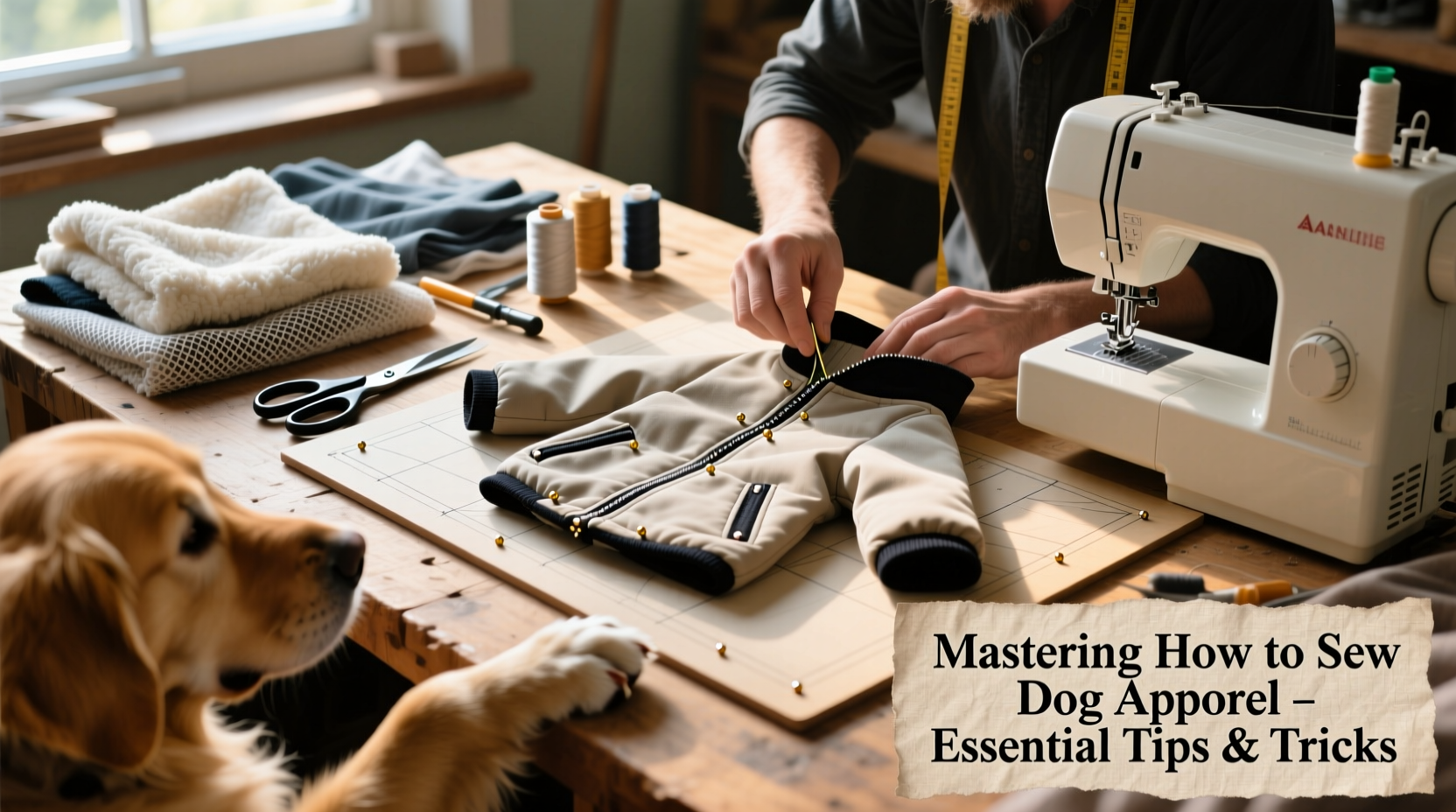
A well-fitting garment begins with accurate measurements. Unlike humans, dogs have unique body shapes that vary significantly by breed—from the deep chest of a Labrador to the elongated torso of a Dachshund. A garment that’s too tight restricts movement and causes discomfort; one that’s too loose can tangle or slip off during activity.
Use a soft measuring tape to record three key dimensions:
- Back length: From the base of the neck (where the collar sits) to the base of the tail.
- Neck circumference: Measure around the thickest part of the neck, allowing room for two fingers beneath the tape.
- Chest girth: Wrap the tape around the widest part of the chest, just behind the front legs.
For breeds with thick coats or those prone to anxiety, consider looser seams and stretchy fabrics. Avoid high-seam designs on active dogs—flat-felled or French seams reduce chafing.
Choosing the Right Fabrics and Materials
The fabric you select impacts both comfort and durability. Dogs are active, often exposed to moisture, dirt, and temperature changes, so materials must be functional as much as fashionable.
Favor natural fibers like cotton flannel or fleece for warmth and breathability. For outerwear, water-resistant nylon or coated canvas provides protection from rain without sacrificing flexibility. Avoid rough textures, heavy wool, or anything that sheds lint excessively—these can irritate skin or be ingested during grooming.
| Fabric Type | Best For | Considerations |
|---|---|---|
| Polar Fleece | Winter sweaters, lightweight jackets | Non-fraying, easy to sew, machine washable |
| Cotton Knit | T-shirts, casual wear | Stretchy but may shrink; pre-wash before cutting |
| Nylon Ripstop | Raincoats, harness covers | Durable and water-resistant; requires sharp needles |
| Denim (lightweight) | Decorative vests, costumes | Stiff when new; break in with washing |
Always pre-wash fabrics to prevent post-sewing shrinkage. Test drape and stretch by folding and pulling swatches—this helps predict how the garment will behave on a moving dog.
Step-by-Step Guide to Sewing a Basic Dog Sweater
Start with a simple pullover design to build confidence. This pattern requires minimal closures, reducing stress for dogs unaccustomed to wearing clothes.
- Create a template: Trace a well-fitting commercial sweater onto craft paper, adjusting for your dog’s measurements.
- Cut two body pieces: Place the template on folded fleece and cut out the main body shape.
- Add armholes: Cut small semi-circles near the front edge for leg openings (about 1.5–2 inches wide depending on size).
- Sew shoulder seam: Align the top edges of both pieces and stitch with a straight or zigzag machine stitch.
- Attach neckline binding: Cut a strip of contrasting knit fabric (2” x length of neck opening), fold it in half, and sew it around the neck edge for a clean finish.
- Hem bottom and sleeves: Fold edges ½ inch and stitch to prevent fraying.
- Try it on: Gently place the sweater over your dog’s head and adjust fit as needed.
Real Example: Custom Coat for an Elderly Poodle
Maria, a retired teacher in Portland, began sewing for her 12-year-old Standard Poodle, Milo, who developed arthritis and sensitivity to cold. Store-bought coats slipped off his narrow chest or rubbed his hips. Using a modified tank-top pattern with a longer back panel and a soft bamboo blend, she created a snug-fitting coat with a Velcro belly strap. After adding a loop for leash attachment, Milo stayed warm during short walks without irritation. Within weeks, neighbors were requesting duplicates—Maria now runs a small local business crafting therapeutic dog apparel.
Expert Insight: Function Meets Fashion
“Good pet clothing supports mobility, not restricts it. The best designs are barely noticed by the dog because they move with them.” — Dr. Lena Torres, Veterinary Behavior Specialist and Pet Product Consultant
This principle guides every stage of construction. Avoid bulky embellishments near joints. Keep seams flat and smooth. When using closures, opt for wide Velcro straps or snap buttons—they distribute pressure evenly and are easier to adjust than zippers.
Common Mistakes and How to Avoid Them
New sewers often underestimate how movement affects fit. A garment that looks perfect on a table may bunch up when the dog runs or sits. Other frequent errors include:
- Using thread that doesn’t match fabric weight (e.g., light thread on heavy material).
- Skipping seam finishing on non-knit fabrics, leading to fraying.
- Ignoring the tail hole placement—too high restricts wagging, too low exposes the back.
Always do a “movement test” after sewing: encourage your dog to walk, sit, and lie down while wearing the prototype. Adjust seam allowances or length accordingly.
Checklist for Successful Dog Apparel Projects
Your Sewing Success Checklist:- ☑ Accurately measure your dog before starting
- ☑ Choose breathable, durable, non-irritating fabric
- ☑ Pre-wash and dry all materials
- ☑ Use appropriate needle and thread (size 80/12 for knits, 90/14 for heavier fabrics)
- ☑ Test fit with a muslin or scrap fabric mock-up
- ☑ Reinforce high-stress areas (armholes, shoulders)
- ☑ Perform a movement trial before finalizing
- ☑ Label care instructions on the inside (e.g., “Machine wash cold, lay flat to dry”)
FAQ
How do I get my dog used to wearing clothes?
Introduce garments gradually. Start with short indoor sessions and reward calm behavior with treats. Never force a dog into clothing—if they show signs of distress, reassess fit or design.
Can I machine wash handmade dog clothes?
Yes, most custom garments can be safely machine washed if made with pre-shrunk, colorfast fabrics. Use a gentle cycle and mild detergent. Air drying is recommended to preserve elasticity and shape.
What if my dog has a unique body shape?
Custom sewing excels here. Modify patterns incrementally—add darts for girth, shorten bodies for compact breeds, or extend necklines for dogs with long muzzles. Keep a fitting journal to track adjustments across projects.
Conclusion
Sewing dog apparel blends craftsmanship with compassion. Each stitch contributes to your pet’s comfort, safety, and joy—especially in climates where temperature extremes make protection essential. By mastering measurements, selecting thoughtful materials, and refining techniques through practice, you create more than clothing: you design wearable care.
💬 Ready to start your first project? Grab a piece of scrap fabric, measure your pup, and sketch a simple pattern today. Share your creations online and inspire others to sew with love—one paw at a time.








