Walking your dog should be a shared pleasure—not a battle of wills. Yet many owners struggle with pulling, lunging, or fear-based resistance during walks. The solution lies not in stronger leashes or tighter collars, but in thoughtful harness and leash training grounded in consistency, communication, and positive reinforcement. When done right, this training transforms chaotic outings into calm, enjoyable experiences that strengthen the bond between you and your dog.
Understanding the Right Gear: Harness vs. Leash Types
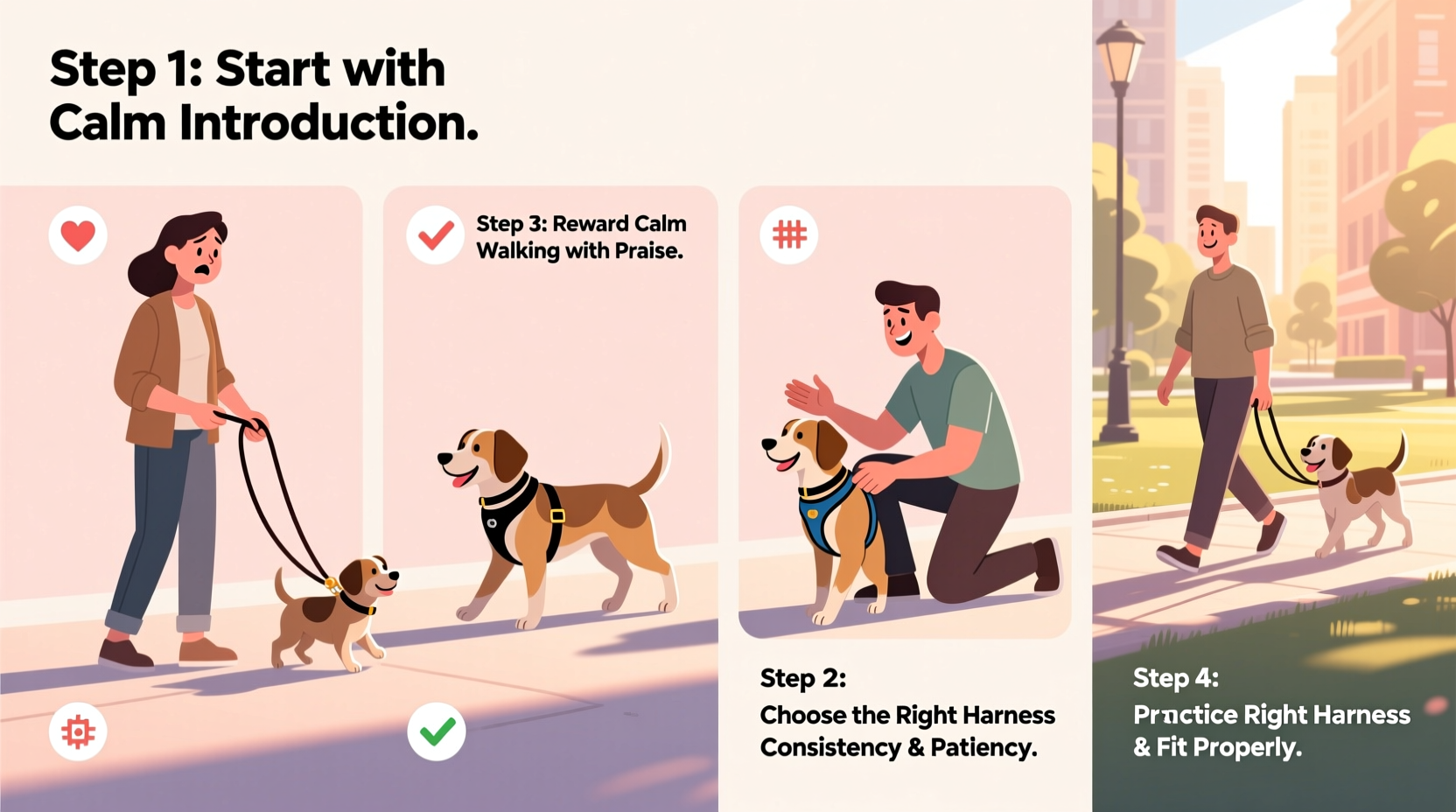
Before training begins, selecting appropriate equipment is critical. Not all harnesses are created equal. Some can encourage pulling, while others support cooperative walking.
| Type | Best For | Pros | Cons |
|---|---|---|---|
| Front-clip harness | Dogs who pull | Redirects dog’s movement when they pull; gentle steering | May require adjustment period |
| Rear-clip harness | Calm walkers or small dogs | Comfortable; easy to put on | Can encourage pulling if not trained properly |
| Head halter (e.g., Gentle Leader) | Strong or reactive dogs | Greater control over head direction | Requires careful introduction; not suitable for all dogs |
| Standard 6-foot leash | Most training and daily walks | Predictable length; ideal for teaching focus | Limited range in open areas |
| Retractable leash | Casual walks in safe spaces | Freedom of movement | Potential for injury; poor control; not recommended for training |
A front-clip harness is often the best starting point for dogs learning loose-leash walking. It gently turns the dog back toward you when they surge forward, making it a humane tool for redirection.
Tip: Always ensure the harness fits snugly but allows two fingers to slide beneath the straps. A poorly fitted harness can cause chafing or escape attempts.The Step-by-Step Training Process
Training should be gradual, rewarding, and pressure-free. Rushing leads to setbacks. Follow this timeline to build confidence and cooperation.
- Indoor Introduction (Days 1–3): Let your dog wear the harness indoors with no leash attached. Pair it with treats and play so it becomes associated with good things.
- Leash Attachment (Days 4–5): Clip the leash inside the house. Walk around together, letting your dog get used to the drag (supervised only). Reward calm behavior.
- Stationary Focus Training (Day 6): Stand still and wait for your dog to look at you. Click or say “yes!” and treat. This builds attention before movement begins.
- Five-Step Rule (Days 7–10): Walk five steps. Stop. Wait for your dog to turn or check in. Reward. Repeat. This teaches rhythm and self-control.
- Add Directional Cues (Days 11–14): Introduce verbal cues like “let’s go” for forward motion and “this way” for turns. Use treats to lure smooth pivots.
- Short Outdoor Sessions (Week 3): Begin outside in low-distraction areas (e.g., driveway or quiet sidewalk). Keep sessions under 10 minutes.
- Gradual Exposure (Week 4+): Slowly increase duration and distractions—passing cars, other dogs, sounds—always staying below your dog’s reactivity threshold.
Progress isn’t linear. Some days your dog may regress due to excitement or fatigue. That’s normal. Consistency over time yields lasting results.
Common Challenges and How to Overcome Them
- Pulling ahead: Stop moving the moment tension appears. Stand still like a tree. Wait for slack in the leash, then mark and reward. Your dog learns that pulling doesn’t get them where they want to go.
- Refusing to walk: Fearful dogs may freeze. Backtrack or change direction to reduce pressure. Use high-value treats (chicken, cheese) to lure forward movement. Never drag.
- Reactivity to stimuli: Increase distance from triggers. Teach a “look at me” cue so your dog checks in instead of lunging. Practice in controlled environments first.
- Inconsistent progress: Ensure all family members use the same cues and rules. Mixed signals confuse dogs and delay learning.
“Dogs don’t resist training—they resist confusion. Clarity, kindness, and repetition create confidence.” — Dr. Sarah Bennett, Certified Canine Behavior Consultant
Real-Life Example: Transforming Max’s Walks
Max, a two-year-old Australian Shepherd, would lunge at bicycles and bark at passing dogs. His owner, Lisa, dreaded walks. She started with a front-clip harness and began training indoors. For two weeks, she practiced the “five-step rule” in her backyard. She used boiled chicken as a reward and celebrated every glance toward her.
By week three, Max could walk 20 feet without pulling. They gradually moved to a quiet park path. When a cyclist approached, Lisa turned and walked the opposite way, rewarding Max for following. Within six weeks, Max walked calmly past bikes and even sat when he saw another dog. The transformation wasn’t magic—it was methodical training.
Tip: End every training session on a positive note—even if it means going back to an easier step your dog masters easily.Essential Checklist for Successful Leash Training
Use this checklist weekly to stay on track:
- ✅ Harness fits properly and causes no rubbing
- ✅ Leash is 4–6 feet long, non-retractable
- ✅ High-value treats are available during training
- ✅ Training sessions are short (5–10 minutes) and frequent
- ✅ All household members use consistent cues
- ✅ Walks occur in progressively challenging environments
- ✅ Progress is tracked (e.g., steps taken without pulling)
- ✅ No punishment is used for mistakes
Frequently Asked Questions
How long does leash training typically take?
Most dogs show improvement within 2–4 weeks with daily practice. Full mastery—especially in high-distraction environments—can take 2–3 months. Puppies and rescue dogs may need more time depending on their history.
Should I use treats forever?
No. Once your dog reliably walks beside you, begin fading treats by using a variable reward schedule. Reward after several good steps, then randomly. Eventually, praise and life rewards (like sniffing time) replace food.
Is it too late to train an older dog?
Never. Dogs of any age can learn new behaviors. Older dogs may take longer due to established habits, but patience and positive reinforcement are equally effective.
Building Confidence for Lifelong Success
Confident dog walking isn’t just about control—it’s about connection. Every time your dog chooses to stay by your side, they’re choosing trust over instinct. That trust grows with each calm interaction, each rewarded moment of focus.
The goal isn’t robotic obedience, but a partnership where your dog feels secure enough to explore without chaos. Whether you're navigating city sidewalks or forest trails, the foundation you build now supports years of joyful walks.
💬 Ready to transform your walks? Start today with a five-minute indoor session. Celebrate small wins, stay patient, and remember: every great journey begins with a single, peaceful step.








