Flexi dog leashes—retractable leashes that allow dogs to explore within a controlled range—are among the most popular walking tools for pet owners. Their convenience and extended reach make walks more enjoyable for both dogs and handlers. However, improper use can lead to accidents, injuries, or loss of control. When used correctly, flexi leashes offer freedom with safety. When misused, they become liabilities. Understanding how to handle them responsibly is essential for every dog owner who values their pet’s well-being and public safety.
Understanding How Flexi Leashes Work
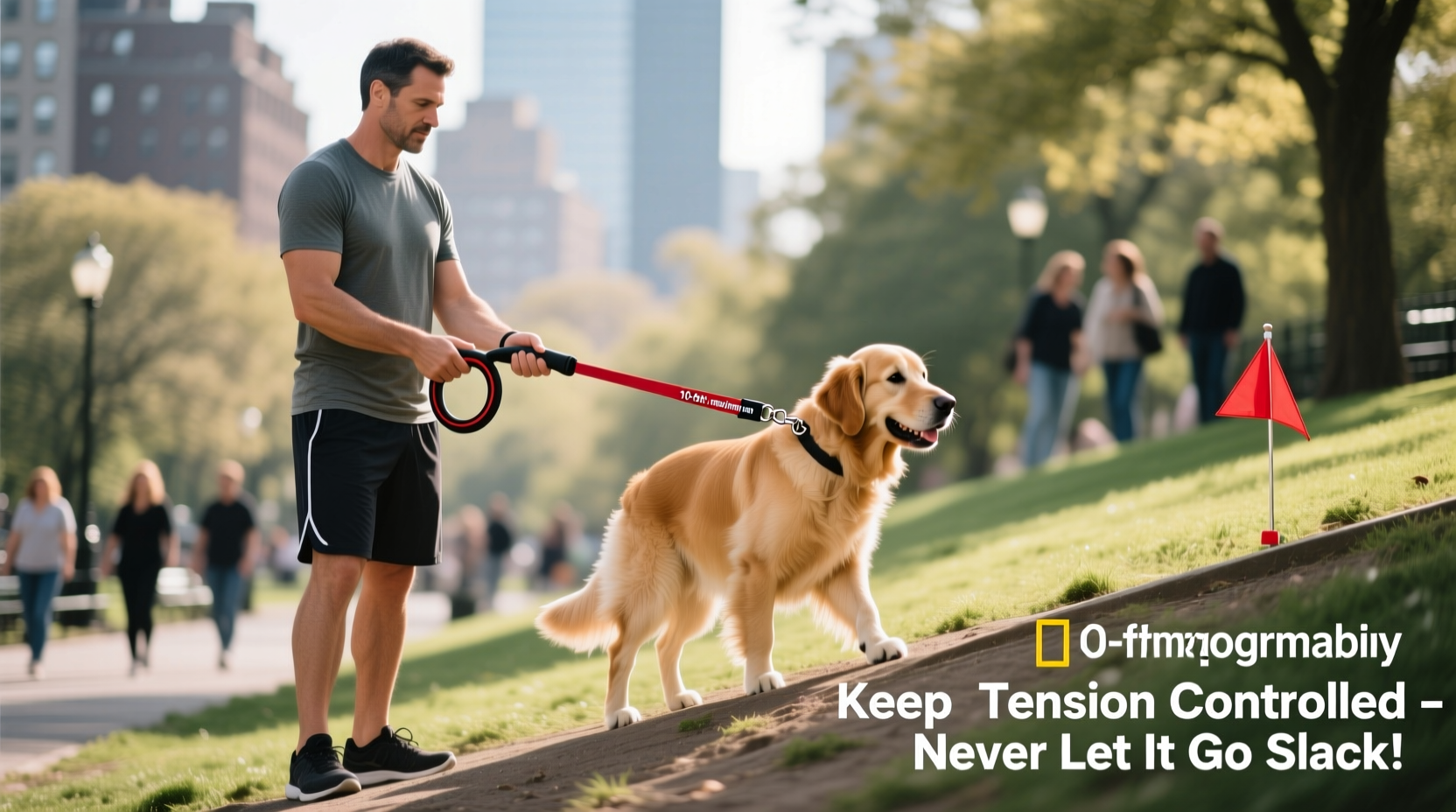
A flexi leash consists of a spring-loaded mechanism housed in a plastic handle, with a thin cord or tape that extends up to 16 or 26 feet depending on the model. A brake button allows the user to lock the line at a desired length. The design lets dogs roam ahead while remaining tethered, which can reduce pulling tension and give pets sensory enrichment during walks.
However, the very features that make flexi leashes appealing also introduce risks. The long line increases tripping hazards, tangling potential, and difficulty regaining control if a dog lunges suddenly. Additionally, the thin cord can cause burns or cuts if it slips from the handler’s grip or wraps around limbs.
Tip: Always keep your thumb on the brake button when using a flexi leash—this gives you instant control if your dog darts forward.Best Practices for Safe Handling
Safety begins with proper handling technique. Many incidents involving retractable leashes stem from complacency—owners assume the leash is “set and forget” once extended. In reality, active engagement is required throughout the walk.
- Use two hands when needed: Wrap one hand around the handle and use the other to control slack. This improves reaction time and reduces strain.
- Keep the leash short in crowded areas: Retract the line to 3–5 feet near traffic, other dogs, or pedestrians to maintain immediate control.
- Avoid wrapping the leash around your hand or wrist: If your dog bolts, the recoil can cause severe lacerations or even finger amputations.
- Stand firm during sudden pulls: Plant your feet shoulder-width apart and lean back slightly to absorb force without losing balance.
- Never use a flexi leash with aggressive or highly reactive dogs: These animals require maximum control, which fixed-length leashes provide.
Real Example: A Close Call at the Park
Sarah was walking her energetic Border Collie, Max, through a neighborhood park using a 26-foot flexi leash. She had extended the line fully so Max could sniff freely. Suddenly, a squirrel darted across the path. Max bolted, and Sarah instinctively tried to reel him in. But she’d wrapped the handle around her wrist. The sudden jerk caused the cord to slice into her skin, leaving a deep burn. Worse, Max nearly ran into a cyclist before she managed to stop him. After visiting urgent care, Sarah switched to a 6-foot nylon leash for off-leash-style training and now only uses shorter-range flexi models in open, quiet spaces.
“Retractable leashes are not inherently dangerous—but they demand heightened awareness. They’re tools for experienced handlers, not substitutes for training.” — Dr. Laura Bennett, Certified Professional Dog Trainer (CPDT-KA)
Choosing the Right Flexi Leash for Your Dog
Not all flexi leashes are created equal. Selecting the correct model based on your dog’s size, strength, and behavior is crucial.
| Dog Size | Recommended Leash Type | Max Extension | Avoid If... |
|---|---|---|---|
| Small (under 20 lbs) | Lightweight retractable (tape cord) | 10–16 ft | Dog is easily startled or excitable |
| Medium (20–50 lbs) | Standard retractable (cord or tape) | 16 ft | Dog pulls strongly or chases wildlife |
| Large (50+ lbs) | Heavy-duty retractable (wide tape, ergonomic grip) | 26 ft (only in open areas) | Dog lacks recall or obedience training |
| All sizes (high-energy dogs) | Not recommended | N/A | Dog is untrained or reactive |
Step-by-Step Guide: Using a Flexi Leash Safely
Follow this sequence to maximize safety and effectiveness each time you use a retractable leash:
- Inspect the leash before each use: Check for frayed cords, cracked housing, or sticky mechanisms. Replace damaged units immediately.
- Attach securely: Clip the leash directly to a sturdy collar or harness—never to a breakaway or decorative tag.
- Start with the line retracted: Begin walks with the leash at its shortest setting until your dog is focused and calm.
- Gradually extend as appropriate: Only release length in open, low-traffic areas where distractions are minimal.
- Maintain active control: Keep your thumb on the brake, eyes on your dog, and body ready to react.
- Retract early before obstacles: Pull the line in before approaching intersections, other dogs, or narrow sidewalks.
- Wind in smoothly: Use slow, steady pressure on the brake while guiding the handle—don’t let the cord snap back.
- Store properly: Keep the leash in a dry place away from extreme temperatures to preserve the internal spring.
Common Mistakes and How to Avoid Them
- Letting the dog wander too far: Excessive distance reduces your ability to intervene in emergencies. Stick to 10–12 feet max in semi-open areas.
- Using in high-risk environments: Never use a flexi leash near roads, cliffs, water bodies, or in crowded urban settings.
- Allowing tangling around legs: Move deliberately and keep the line above ground level to prevent entanglement.
- Using with multiple dogs: Attempting to walk two dogs on separate flexi leashes is extremely dangerous due to cross-tangling and split attention.
- Assuming it replaces training: A flexi leash should complement good leash manners—not compensate for poor ones.
When to Choose a Traditional Leash Instead
Despite their popularity, flexi leashes are not suitable for every situation or dog. Consider switching to a standard 4–6 foot fixed leash when:
- You're working on obedience or loose-leash walking training.
- Walking in cities, trails with heavy foot traffic, or dog parks.
- Your dog has a history of lunging, chasing, or aggression.
- Weather conditions are windy—the cord can whip unpredictably.
- You’re walking an unspayed female in heat (increased risk of encounters).
FAQ: Common Questions About Flexi Leashes
Can I use a flexi leash for puppy training?
Generally not recommended. Puppies are still learning boundaries and often lack impulse control. A fixed-length leash provides clearer feedback and prevents overextension during critical learning phases.
Are flexi leashes banned anywhere?
Yes. Some municipalities, hiking trails, and dog parks prohibit retractable leashes due to safety concerns. Always check local regulations before using one in public spaces.
What should I do if the cord breaks during a walk?
If the cord snaps, remain calm. Call your dog firmly and use treats or commands to regain proximity. In the future, inspect your leash regularly and replace it every 6–12 months with regular use.
Final Thoughts: Responsibility Meets Convenience
Mastering the use of a flexi dog leash isn’t just about convenience—it’s about responsibility. These tools can enhance outdoor experiences when handled with knowledge, caution, and respect for limitations. The leash doesn’t train the dog; the handler does. By combining proper equipment selection, vigilant supervision, and foundational training, you can enjoy the benefits of a retractable leash without compromising safety.
🚀 Ready to walk smarter? Reassess your current leash habits, invest in quality gear, and commit to mindful walking. Your dog’s safety—and yours—depends on it. Share your flexi leash experiences or questions in the comments below.








