Deep fried cream puffs are a decadent twist on the classic pastry, combining the airy elegance of choux with the irresistible crunch of frying. Unlike traditional baked versions, these golden treats boast an ultra-crisp exterior while maintaining a soft, custard-filled center. Achieving that perfect balance—crispy without being greasy, light without collapsing—requires precision, timing, and a few insider techniques. Whether you're preparing for a special event or simply indulging in culinary experimentation, mastering this dessert elevates your pastry game.
The Science Behind the Perfect Choux
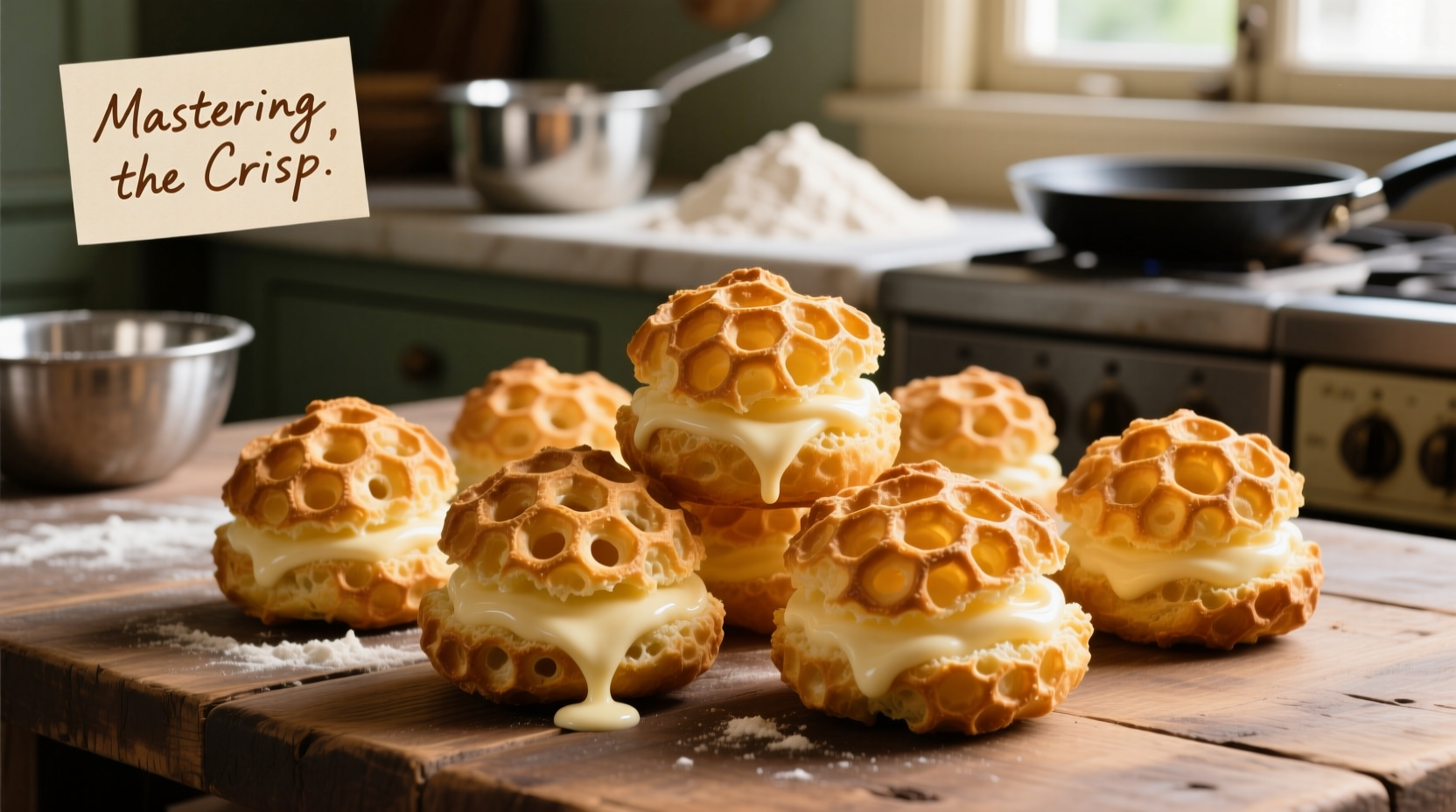
Choux pastry forms the foundation of any cream puff, and its success lies in precise hydration, gelatinization, and protein coagulation. The dough is cooked twice: first on the stovetop, then in heat (in this case, oil). When butter, water, and flour are boiled together, the starch granules absorb liquid and swell—a process called gelatinization. This creates a thick paste capable of holding moisture. Eggs are then incorporated one at a time, adding structure and lecithin, which helps emulsify the batter and trap steam during frying.
The high moisture content in choux expands rapidly when exposed to hot oil, creating internal pressure that inflates the puff. As the exterior crisps, it sets into a firm shell. Undercooked choux remains gummy; overmixed batter deflates and produces dense results. The ideal consistency is smooth, glossy, and firm enough to hold a peak when piped.
Tip: Let the cooked choux base cool slightly before adding eggs—it prevents premature cooking and ensures even incorporation.Step-by-Step Guide to Frying Cream Puffs
- Prepare the choux dough: In a saucepan, combine 1 cup water, ½ cup unsalted butter, and a pinch of salt. Bring to a boil. Add 1 cup all-purpose flour all at once and stir vigorously until the mixture forms a ball and pulls away from the pan (about 1–2 minutes).
- Cool slightly and add eggs: Transfer to a bowl and let cool 5 minutes. Beat in 4 large eggs, one at a time, until smooth and shiny. The dough should fall slowly from the spoon in a V shape.
- Pipe evenly: Fit a piping bag with a round tip (about ½ inch) and pipe 1½-inch mounds onto parchment paper, spacing them 2 inches apart.
- Fry in batches: Heat neutral oil (like canola or vegetable) to 350°F (175°C) in a deep pot. Carefully slide in 4–5 puffs using a spatula. Fry 3–4 minutes, turning occasionally, until golden brown and crisp.
- Drain and cool: Remove with a slotted spoon, drain on wire rack over paper towels. Let cool completely before filling.
- Fill with cream: Use a piping tip to inject vanilla pastry cream, whipped cream, or chocolate ganache through the bottom.
Do’s and Don’ts of Deep Frying Choux
| Do’s | Don’ts |
|---|---|
| Maintain oil temperature between 345°F–355°F | Overcrowd the fryer—this drops oil temp and causes sogginess |
| Use a candy or deep-fry thermometer for accuracy | Add cold batter directly from fridge—warm slightly to room temp |
| Fry in small batches for consistent results | Fill puffs too early—moisture softens the shell |
| Strain oil after use and store in a cool, dark place | Reuse oil more than 2–3 times—it degrades flavor and smoke point |
| Pat dry piped puffs before frying to reduce splatter | Use olive oil—it has a low smoke point and strong flavor |
Expert Insight: Precision Is Non-Negotiable
“Frying choux is not forgiving. A five-degree fluctuation in oil temperature can mean the difference between a hollow, crisp puff and a collapsed, greasy lump.” — Chef Rafael Nguyen, Pastry Instructor at Le Cordon Bleu Chicago
Consistency in temperature control cannot be overstated. Fluctuations cause uneven expansion, leading to lopsided shapes or undercooked centers. A digital thermometer is essential—not optional. Additionally, Chef Nguyen emphasizes resting the piped dough for 10–15 minutes before frying to form a slight skin, which helps maintain shape during immersion.
Enhancing Flavor and Texture
While classic vanilla cream puffs delight purists, creative variations can elevate the experience. Consider infusing the choux dough with citrus zest, ground spices like cardamom, or even matcha powder for color and depth. For fillings, stabilized whipped cream holds up better than plain whipped cream, especially in humid environments. To stabilize, dissolve ½ tsp gelatin in 1 tbsp warm water, cool slightly, then fold into freshly whipped cream.
A popular variation among gourmet vendors includes a dulce de leche core with sea salt flakes on top. Others incorporate espresso-flavored cream or mascarpone blends for richness. For savory-sweet appeal, a touch of flaky Maldon salt on the surface enhances contrast.
Mini Case Study: The Brooklyn Street Food Vendor
In Williamsburg, a local vendor named Marisol began selling deep fried cream puffs at weekend markets. Her initial batches were inconsistent—some burst open, others absorbed too much oil. After consulting with a former pastry chef, she implemented three key changes: using a thermostatically controlled fryer, adjusting her batter hydration based on humidity, and chilling the piped shells for 10 minutes pre-fry. Within two weeks, customer complaints dropped to zero, and sales doubled due to improved texture and reliability. Her secret? “I test one puff first. If it doesn’t rise evenly, I adjust the oil temp before continuing.”
Filling Techniques and Storage Tips
Filling should always be the final step. Premature filling introduces moisture, compromising the crispness within hours. If serving later, prepare shells and filling separately, then assemble just before service. Store unfilled shells in an airtight container at room temperature for up to 24 hours. Re-crisping in a 300°F oven for 5 minutes restores crunch if needed.
For longer storage, freeze unfilled shells on a tray, then transfer to a sealed bag. Thaw and reheat before filling. Never refrigerate filled puffs—they become soggy quickly.
Checklist: Mastering Your First Batch
- ✓ Calibrate your thermometer before heating oil
- ✓ Prepare all ingredients and tools before starting
- ✓ Pipe uniform-sized puffs for even cooking
- ✓ Maintain steady oil temperature throughout frying
- ✓ Drain on a wire rack (not flat paper towels) to prevent steaming
- ✓ Cool completely before filling
- ✓ Taste-test one puff early to assess seasoning and texture
Frequently Asked Questions
Can I bake instead of fry these cream puffs?
Yes, but the result will differ significantly. Baked cream puffs have a lighter, drier crust and lack the rich crispness achieved through frying. They also tend to be less spherical due to slower moisture release.
Why did my cream puffs deflate after frying?
Undercooking is the most common cause. If the internal structure hasn’t set fully, steam escapes as they cool. Ensure they’re golden brown and firm to the touch. Overmixing the batter or adding cold eggs can also weaken structure.
Can I make the choux ahead of time?
The piped, uncooked dough can be refrigerated for up to 24 hours. Cover with plastic to prevent drying. For best rise, bring to cool room temperature before frying. Fully cooked shells keep well frozen but should be reheated before filling.
Conclusion: Elevate Your Pastry Game
Deep fried cream puffs represent the intersection of technique and indulgence. With attention to detail—from ingredient ratios to oil management—you can produce pastries that dazzle both visually and texturally. These treats demand patience, but the reward is undeniable: a shatteringly crisp shell giving way to cool, velvety cream. Once mastered, they become a signature offering, whether at home gatherings or pop-up events.
💬 Ready to impress your guests? Try the recipe this weekend, refine your oil control, and share your results—we’d love to hear how your cream puffs turned out!








