
In the harsh, post-apocalyptic world of Kenshi, survival hinges not just on human resilience but on the strength of your allies—especially your bone dogs. These genetically engineered war beasts are more than mere guards; they're loyal companions capable of carrying heavy loads, fighting off raiders, and even healing over time. But like any valuable asset, their performance depends heavily on proper care—particularly nutrition. Feeding a bone dog isn’t as simple as tossing scraps into a bowl. Improper diet leads to weakened stats, slow regeneration, and premature death. Mastering bone dog care starts with understanding their unique biological needs and how to meet them efficiently in a resource-scarce environment.
Understanding Bone Dog Physiology
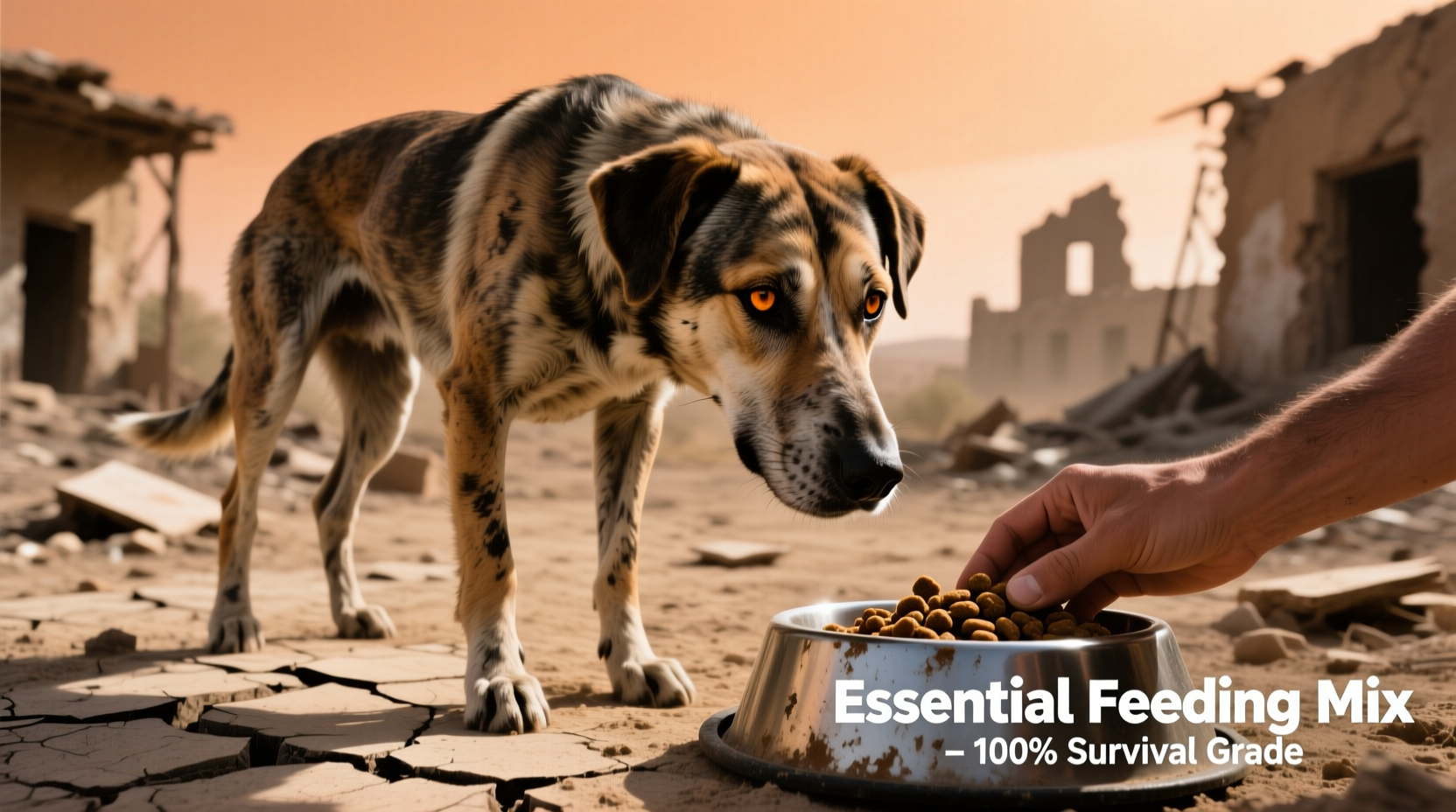
Bone dogs are not natural creatures. Born from ancient bioengineering, they possess regenerative abilities, high stamina, and an insatiable appetite for protein-rich foods. Unlike regular animals in Kenshi, they do not age—but they *do* degrade if neglected. Their health deteriorates without adequate food, rest, and stimulation. A starving bone dog will suffer reduced movement speed, impaired combat performance, and eventually die from starvation, no matter how many times it’s healed.
What sets bone dogs apart is their metabolism. They burn calories at a much higher rate than humans or other creatures, especially when active. This means frequent feeding is non-negotiable. However, not all food is equal. While they can eat almost anything organic, only certain items contribute meaningfully to long-term health and regeneration.
“Bone dogs thrive on quality, not quantity. One piece of grilled meat does more than ten raw rats.” — Dr. Vex, Kenshi Xenobiologist (in-game lore source)
Essential Feeding Guidelines for Optimal Health
The foundation of bone dog care lies in consistent, nutrient-dense feeding. Here’s what you need to know:
- Protein is paramount. Meat-based foods offer the highest nutritional value. Prioritize cooked meats such as grilled chicken, roasted rat, or cooked lizard.
- Avoid spoiled or low-quality food. Rotten meat may stave off starvation temporarily but causes long-term stat degradation and increases disease risk.
- Hydration matters. While bone dogs don’t drink water directly in-game mechanics, feeding them moist or stewed foods helps maintain internal balance.
- Frequency beats volume. It's better to feed small, high-quality meals every few hours than one large, low-grade meal per day.
Step-by-Step: Creating a Sustainable Feeding Routine
Maintaining a well-fed bone dog requires planning. Follow this routine to ensure peak condition:
- Assess daily activity level. Is your dog patrolling, fighting, or resting? Active dogs require 3–5 meals per day; idle ones need 2–3.
- Prepare a reserve of cooked meat. Use a campfire or electric stove to cook raw meat obtained from hunting or trading.
- Use auto-feed mods (if available). In modded gameplay, tools like “Smart Animal Feeding” can automate rations distribution.
- Monitor health indicators. Watch for slowed movement or reduced combat efficiency—early signs of malnutrition.
- Rotate food sources. Avoid dependency on a single type of meat to minimize supply chain risks.
Best & Worst Foods for Bone Dogs
Not all consumables are created equal. The table below compares common food items based on nutritional value, availability, and impact on long-term health.
| Food Item | Nutritional Value | Regeneration Boost | Recommended? |
|---|---|---|---|
| Grilled Chicken | High | +++ | Yes – ideal staple |
| Cooked Rat | Medium-High | ++ | Yes – widely available |
| Raw Lizard Meat | Medium | + | Limited use – cook when possible |
| Rotten Meat | Low | - | No – degrades health over time |
| Human Rations | Medium | + | Situational – expensive and inefficient |
| Fruit or Vegetables | Very Low | - | No – negligible benefit |
Stick to the top three recommended options whenever possible. Invest in cooking infrastructure early—your bone dogs will recover faster, fight harder, and survive longer.
Case Study: The Fall of Black Maw Outpost
In Year 17 of the Southern Wastes campaign, a player-established fortress known as Black Maw relied heavily on four elite bone dogs for perimeter defense. For months, the pack held off slaver raids and scavenger hordes. But during a prolonged siege, supply lines were cut. With no access to clean meat, the handler resorted to feeding the dogs rotten carcasses salvaged from battlefield remains.
Within two weeks, all four dogs began showing signs of deterioration: slower reaction times, failure to regenerate HP after fights, and eventual collapse during a night raid. Autopsies (via in-game debug tools) revealed severe malnutrition and internal decay. The outpost fell shortly after.
This real-world example underscores a critical truth: even the most powerful bone dog is only as strong as its last good meal. Short-term fixes have long-term consequences.
Tip: Always carry emergency rations for your bone dogs when traveling—especially in lawless zones where hunting is risky.Advanced Care: Beyond Basic Nutrition
Feeding is just one pillar of comprehensive bone dog maintenance. To truly master their care, integrate these practices:
- Rest cycles. Like humans, bone dogs need downtime. Allow at least 4–6 hours of rest per day to maximize natural regeneration.
- Medical attention. Treat injuries promptly. Use bandages or stimulants if advanced medicine isn’t available.
- Social bonding. Though not officially coded, players report improved obedience and morale when dogs are kept in squads with familiar teammates.
- Load management. Overburdened dogs expend energy faster. Keep their inventory under 50% capacity unless absolutely necessary.
Checklist: Daily Bone Dog Care Routine
- ✅ Feed 3–5 high-protein meals
- ✅ Inspect for wounds or bleeding
- ✅ Ensure 4+ hours of rest
- ✅ Check inventory weight
- ✅ Replenish food stockpile
- ✅ Rotate active duty dogs to prevent fatigue
Frequently Asked Questions
Can bone dogs starve to death even if they’re healed?
Yes. Healing restores HP, but starvation affects core vitality. A dog can be fully healed yet still die from prolonged lack of food due to hidden “fitness decay” mechanics.
Do bone dogs need sleep?
They don’t sleep like humans, but they must remain idle for several hours daily to regenerate effectively. Continuous activity without rest leads to performance decline.
Is it worth feeding bone dogs expensive food like grilled chicken?
Absolutely. High-quality food improves regeneration speed and overall durability. The investment pays off in longer lifespan and better combat effectiveness.
Final Thoughts: Building a Legacy with Your Pack
Bone dogs are among the most dependable allies in Kenshi’s brutal landscape. But their loyalty must be earned through consistent, intelligent care. Feeding them isn’t a chore—it’s an act of respect and strategy. Every grilled rat, every moment of rest, every decision to prioritize their needs strengthens the bond that turns a genetic experiment into a true companion.
Mastering bone dog care doesn’t just improve gameplay—it deepens immersion. You’re not just surviving; you’re nurturing life in a dying world. Start today: audit your current feeding habits, upgrade your food storage, and commit to a standard of care that honors their role in your journey.
🚀 Ready to optimize your base for bone dog sustainability? Share your best feeding setups, recipes, or survival stories in the community forums—your insights could save someone’s entire pack.








