Walking your dog should be a relaxing ritual, not a daily tug-of-war. Yet, many dog owners struggle with constant pulling, lunging, and reactivity on the leash. Loose leash walking isn’t just about comfort—it’s a foundation of good canine citizenship and mental well-being. When dogs learn to walk calmly beside their humans, both enjoy greater freedom, reduced stress, and deeper connection. The good news: any dog, regardless of age or breed, can learn this skill with consistency, patience, and the right approach.
The Science Behind Leash Pulling
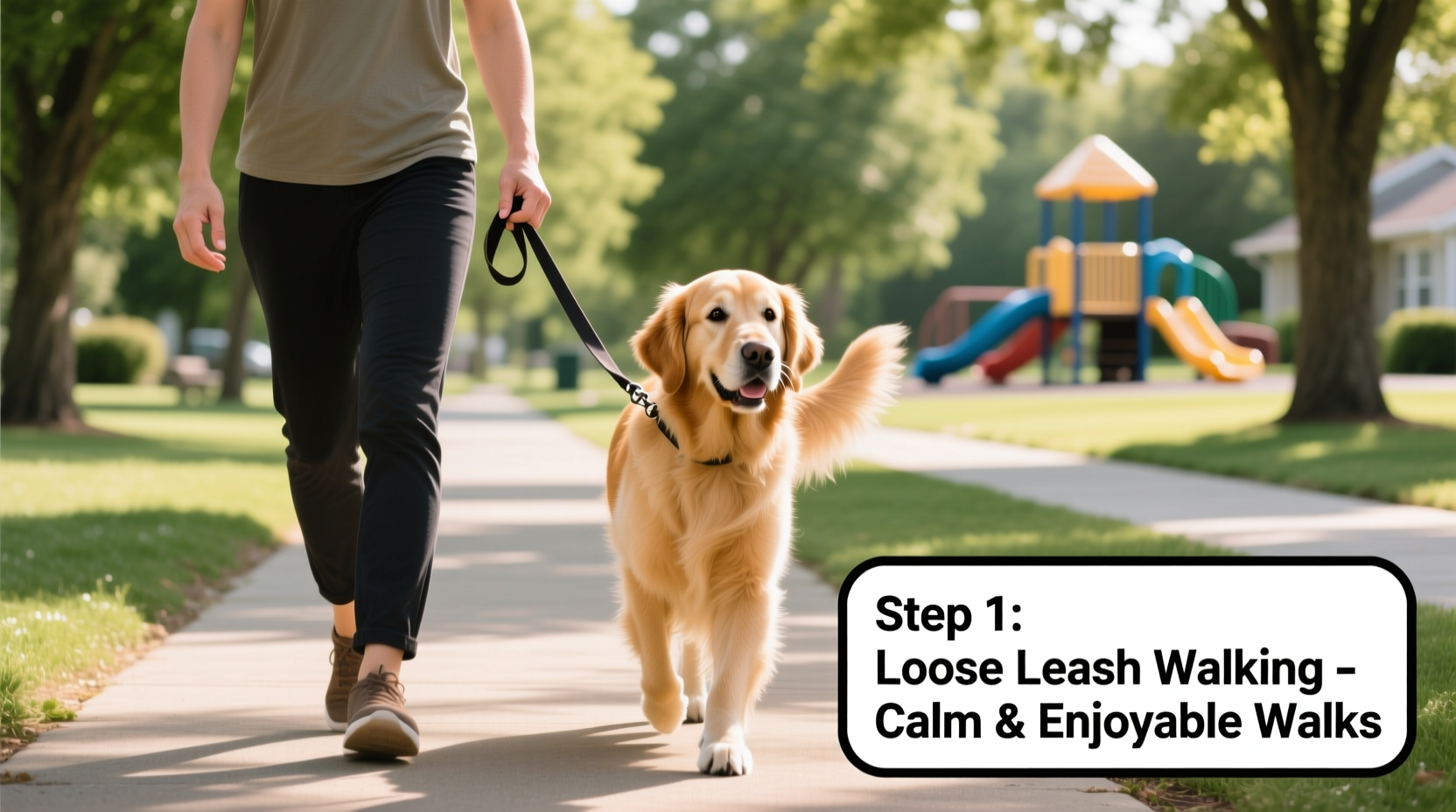
Dogs pull because they’ve been reinforced for it—often unintentionally. Every time your dog lunges forward toward a squirrel, another dog, or a fire hydrant and gets to go there, they’re rewarded with access to what they want. This creates a self-reinforcing cycle: pull = movement = reward. Over time, the behavior becomes habitual. What feels like disobedience is often just learned efficiency. Dogs aren’t trying to dominate—they’re following the path that historically led to success.
To change this pattern, we must teach an alternative behavior: walking beside you with a slack leash. This requires clear communication, positive reinforcement, and realistic expectations. It won’t happen overnight, but with structured training, most dogs make noticeable progress within a few weeks.
“Dogs don’t pull because they’re stubborn—they pull because they’ve never been taught what to do instead.” — Dr. Sophia Yin, veterinary behaviorist and animal training pioneer
Step-by-Step Guide to Loose Leash Walking
Follow this progressive training plan over 3–6 weeks. Start in low-distraction environments and gradually increase difficulty as your dog improves.
- Begin Indoors or in Your Yard
Choose a quiet space with minimal distractions. Use a standard 4–6 foot leash (avoid retractables). Let your dog sniff and settle before starting. - Teach the “Heel” or “Let’s Go” Cue
Hold a treat near your leg. As your dog turns to look or move toward it, say “Let’s go” and take one step. Reward immediately when they stay close. Repeat for short sessions (3–5 minutes). - Introduce Movement with Reinforcement
Walk two steps, then stop. If the leash remains loose, reward. If your dog pulls ahead, stop moving completely. Wait until the leash slackens—even slightly—then mark (“Yes!”) and reward. Resume walking only when the leash is loose. - Add Directional Changes
After a few successful steps, suddenly turn and walk the opposite direction. This teaches your dog to pay attention to your movements. Reward attentiveness and position beside you. - Increase Duration and Distractions
Gradually extend walks into driveways, sidewalks, and quiet streets. Practice near mild distractions (e.g., parked cars, distant people). Keep sessions short (10–15 minutes) and end on a positive note. - Phase Out Treats Gradually
Once your dog consistently walks beside you, switch to a variable reinforcement schedule. Reward unpredictably—sometimes after three steps, sometimes after ten—to build reliability.
Essential Tools and Techniques
Using the right equipment supports your training goals:
- Front-Clip Harness: Gently discourages pulling by redirecting your dog’s shoulders when tension is applied. Ideal for strong pullers.
- No-Pull Harness: Distributes pressure evenly and reduces strain on the neck. Avoid head halters unless recommended by a trainer.
- Standard Leash: A 4–6 foot nylon or leather leash gives better control than retractable lines.
- Treat Pouch: Keeps rewards accessible so you can reinforce quickly.
Avoid punishment-based tools like choke chains or prong collars. These can suppress pulling temporarily but often increase fear and reactivity, undermining long-term progress.
Common Mistakes to Avoid
Even well-intentioned owners sabotage their efforts with these habits:
| Mistake | Why It’s Harmful | Better Approach |
|---|---|---|
| Yanking the leash when dog pulls | Creates physical discomfort and may increase reactivity | Stop moving; wait for slack before continuing |
| Allowing pulling occasionally | Intermittent reinforcement makes behaviors harder to extinguish | Be consistent—never let pulling lead to forward motion |
| Expecting perfection too soon | Leads to frustration and inconsistent training | Celebrate small improvements and track progress weekly |
| Training in high-distraction areas too early | Overwhelms the dog and sets them up to fail | Start at home, then gradually add complexity |
Real Example: Training Bella the Beagle
Bella, a two-year-old beagle, would lunge at every scent, dragging her owner down the block. Her owner began training indoors using chicken treats and a front-clip harness. For the first week, they practiced turning directions and stopping whenever the leash tightened. By week three, Bella could walk 20 feet on a loose leash around the driveway. By week six, she managed a full block near a park with mild distractions. Her owner kept sessions short, ended each on a success, and celebrated small wins. Today, Bella walks calmly for 30 minutes, checking in frequently and earning occasional treats and praise.
The key? Consistency and managing the environment. Bella wasn’t expected to master everything at once. Each session built on the last, reinforcing focus and self-control.
Checklist: Are You Ready to Begin?
- ✅ Choose a quiet training location (indoor or yard)
- ✅ Gather a standard leash and front-clip harness
- ✅ Stock high-value treats in a portable pouch
- ✅ Set aside 5–10 minutes daily for focused practice
- ✅ Commit to no pulling reinforcement—even once
- ✅ Plan to train at least 4–5 days per week
- ✅ Track progress in a journal or notes app
Frequently Asked Questions
How long does it take to teach loose leash walking?
Most dogs show improvement within 2–3 weeks of consistent daily training. Full reliability in distracting environments may take 2–3 months. Older dogs or those with established pulling habits may require additional time, but progress is still achievable with patience.
What if my dog ignores me when distractions are present?
This is normal. Lower the difficulty by increasing distance from the distraction. For example, if your dog reacts to other dogs, start training across the street from a dog park. Use higher-value treats and keep sessions brief. Gradually decrease distance as your dog succeeds.
Can I use clicker training for loose leash walking?
Absolutely. A clicker provides precise timing for marking desired behavior. Click the moment your dog walks beside you with a slack leash, then deliver a treat. This speeds up learning by clearly communicating what earned the reward.
Conclusion: Walk with Confidence and Connection
Loose leash walking transforms walks from chaotic struggles into peaceful, shared experiences. It strengthens your bond, builds your dog’s impulse control, and makes outings more enjoyable for everyone. Success doesn’t require perfection—just persistence, kindness, and a willingness to meet your dog where they are. Every small step forward is a victory. With time, your dog will learn that staying close isn’t a restriction, but the best way to move through the world together.
💬 Ready to transform your walks? Start today with a five-minute session in your living room. Share your progress or questions in the comments—your journey inspires others!








