Pet fashion has evolved from simple collars to full runway-worthy ensembles. Today, luxury pet dresses adorned with rhinestones, silk linings, and designer labels sit alongside modest, functional alternatives in online marketplaces. For pet owners torn between splurging and saving, the question arises: Are those tiny rhinestones on a $120 dog dress really worth it? The answer isn’t just about price—it’s about purpose, pet comfort, durability, and long-term value.
The Rise of Pet Couture
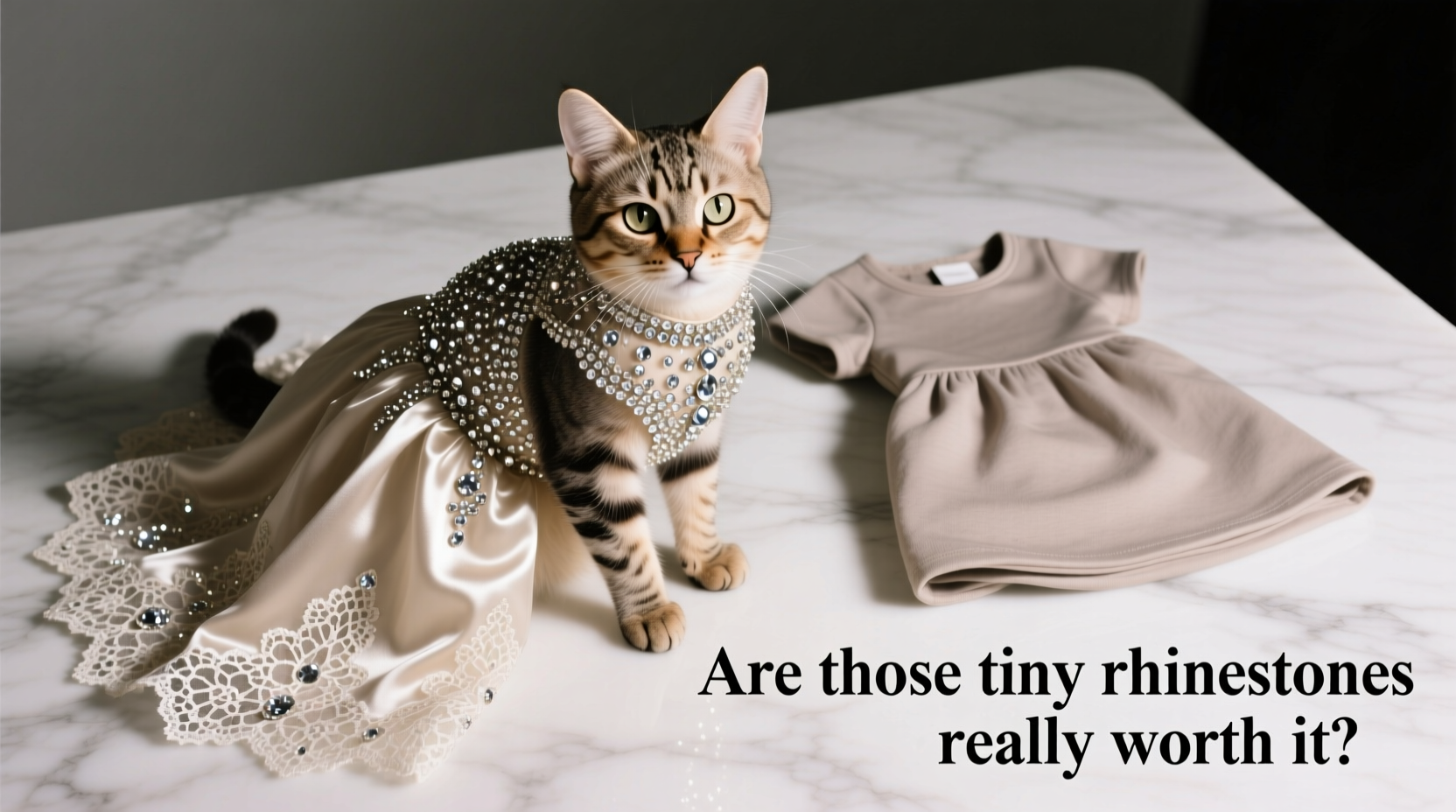
Pet fashion is no longer a niche trend. The global pet apparel market was valued at over $7 billion in 2023 and continues to grow, driven by humanization of pets and social media influence. Instagram-famous dogs strut in custom couture, while boutique brands like Posh Doggie and Bowser & Belle offer seasonal collections rivaling human fashion weeks. These garments often feature delicate embroidery, imported fabrics, and yes—tiny rhinestones that sparkle under flash photography.
But behind the glamour lies a practical concern: Does luxury translate to better function or just better optics?
Tip: Consider your pet’s lifestyle before investing in decorative clothing—active dogs rarely need sequins.Breaking Down the Costs: Luxury vs Basic
Luxury pet dresses can range from $80 to $300, while basic versions sell for $15–$35. What accounts for this gap?
- Premium Materials: Silk, cashmere blends, organic cotton, and hand-sewn details increase production costs.
- Design & Branding: Designer labels charge for exclusivity and aesthetic appeal.
- Embellishments: Rhinestones, beads, and embroidery add labor and material expenses.
- Limited Runs: Small-batch production increases per-unit cost.
However, higher cost doesn’t always mean higher quality. Some luxury items prioritize appearance over fit or washability. In contrast, many basic garments use durable, machine-washable synthetics designed for daily wear.
Material Comparison Table
| Feature | Luxury Dress | Basic Dress |
|---|---|---|
| Average Price | $80–$300 | $15–$35 |
| Fabric Type | Silk, satin, cashmere blends | Polyester, nylon, cotton blends |
| Embellishments | Rhinestones, lace, embroidery | Minimal or none |
| Washability | Hand wash only (often) | Machine washable |
| Durability | Moderate (delicate materials) | High (designed for use) |
| Best Use Case | Photoshoots, events | Daily walks, light protection |
Are the Rhinestones Worth It?
The allure of rhinestones is undeniable—they catch the light, elevate aesthetics, and signal status. But from a pet-centric perspective, they pose several concerns:
- Comfort: Rhinestones can rub against sensitive skin, especially if poorly attached.
- Safety: Loose stones may be chewed or swallowed during grooming.
- Maintenance: Garments with glued-on embellishments often degrade after a few washes.
- Functionality: Sparkle doesn’t keep a dog warm or dry in rain.
That said, high-end brands using sewn-in crystals or reinforced settings minimize these risks. The key is craftsmanship—not just presence of decoration.
“Just because something looks luxurious doesn’t mean it’s safe or suitable for pets. Always check attachment methods and fabric breathability.” — Dr. Lena Torres, Veterinary Dermatologist
When Luxury Makes Sense: A Real Example
Consider Bella, a 3-year-old Shih Tzu owned by influencer Mia Chen. Bella regularly attends pet-friendly galas and brand photoshoots. For her birthday shoot, Mia invested in a $180 rhinestone-embellished tulle dress from a Paris-based pet label. The piece was hand-lined with breathable cotton, featured securely stitched crystals, and was worn only twice—both times for professional photography.
In this case, the luxury dress served a clear purpose: visual impact in controlled environments. It wasn’t expected to withstand mud, chewing, or frequent washing. The investment made sense within context.
Compare this to Max, a 5-year-old Labrador who wears a $22 fleece-lined raincoat daily. His owner prioritizes function—water resistance, ease of cleaning, and freedom of movement. A rhinestone dress would be impractical, uncomfortable, and likely destroyed within a week.
Choosing Wisely: A Practical Checklist
Before purchasing any pet garment, ask yourself the following:
- Will my pet actually wear this more than once?
- Is the fabric breathable and non-irritating?
- Are embellishments securely attached (sewn, not glued)?
- Can it be cleaned easily without damage?
- Does my pet show signs of stress or discomfort when trying it on?
- Am I buying this for my pet—or for social media likes?
Step-by-Step Guide to Evaluating Pet Clothing Value
Follow this sequence to determine whether a luxury pet dress is truly worth it:
- Define the Purpose: Is it for warmth, protection, style, or special events?
- Assess Fit & Fabric: Check size charts carefully. Look for stretch, flat seams, and soft interiors.
- Inspect Embellishments: Run fingers over rhinestones—do they feel loose? Are edges sharp?
- Review Care Instructions: Hand-wash-only items require more effort and shorten usable lifespan.
- Compare Long-Term Cost: Divide total price by estimated number of uses. Is the per-use cost justified?
- Test Responsibly: Allow short trial periods. Watch for scratching, pawing, or reluctance to move.
If the garment fails any of these steps, reconsider—even if it looks stunning in product photos.
Frequently Asked Questions
Do luxury pet clothes last longer than basic ones?
Not necessarily. While some luxury brands use superior stitching and materials, others prioritize aesthetics over durability. Many basic garments are engineered for repeated use and washing, giving them a longer functional lifespan despite lower price tags.
Are rhinestones dangerous for pets?
They can be—if poorly attached. Glued-on stones may come loose and become choking hazards. Sewn-in crystals are safer but still require monitoring. Avoid letting pets wear embellished clothing unsupervised or during playtime.
How can I justify spending on a luxury pet dress?
Only if it serves a meaningful purpose: a milestone celebration, professional photography, or a climate-appropriate design that also happens to be stylish. If it's purely for status, consider redirecting funds toward pet wellness—like premium food, training, or vet care.
Final Thoughts: Value Beyond the Sparkle
The true worth of a pet dress isn’t measured in rhinestones, but in how well it serves the animal wearing it. Luxury items have their place—especially in curated moments where presentation matters. But for everyday needs, basic clothing often delivers better functionality, comfort, and longevity.
Spending $120 on a fragile, single-use outfit might bring temporary joy, but consistent care, proper fit, and thoughtful design matter far more to your pet’s experience. Fashion should enhance companionship, not complicate it.
💬 What’s your take? Have you bought luxury pet wear that was worth every penny—or a total miss? Share your story and help others make smarter choices!








