
Every dog owner wants what’s best for their pet—safe, engaging, and durable toys that provide mental stimulation and physical exercise. But as the pet product market explodes with premium-priced \"luxury\" dog toys, many pet parents are asking: Is splurging on high-end brands worth it? Or can homemade alternatives deliver the same benefits at a fraction of the cost? The answer isn’t always black and white. It depends on your dog’s behavior, chewing habits, and how much time you’re willing to invest in sourcing, building, or maintaining toys.
This article breaks down the real differences between luxury dog toys and DIY options, examining safety, longevity, entertainment value, and overall cost-effectiveness. Whether you're shopping for a teething puppy or a seasoned chewer, understanding these trade-offs helps you avoid overspending—or under-delivering—on your dog’s needs.
The Allure of Luxury Dog Toys
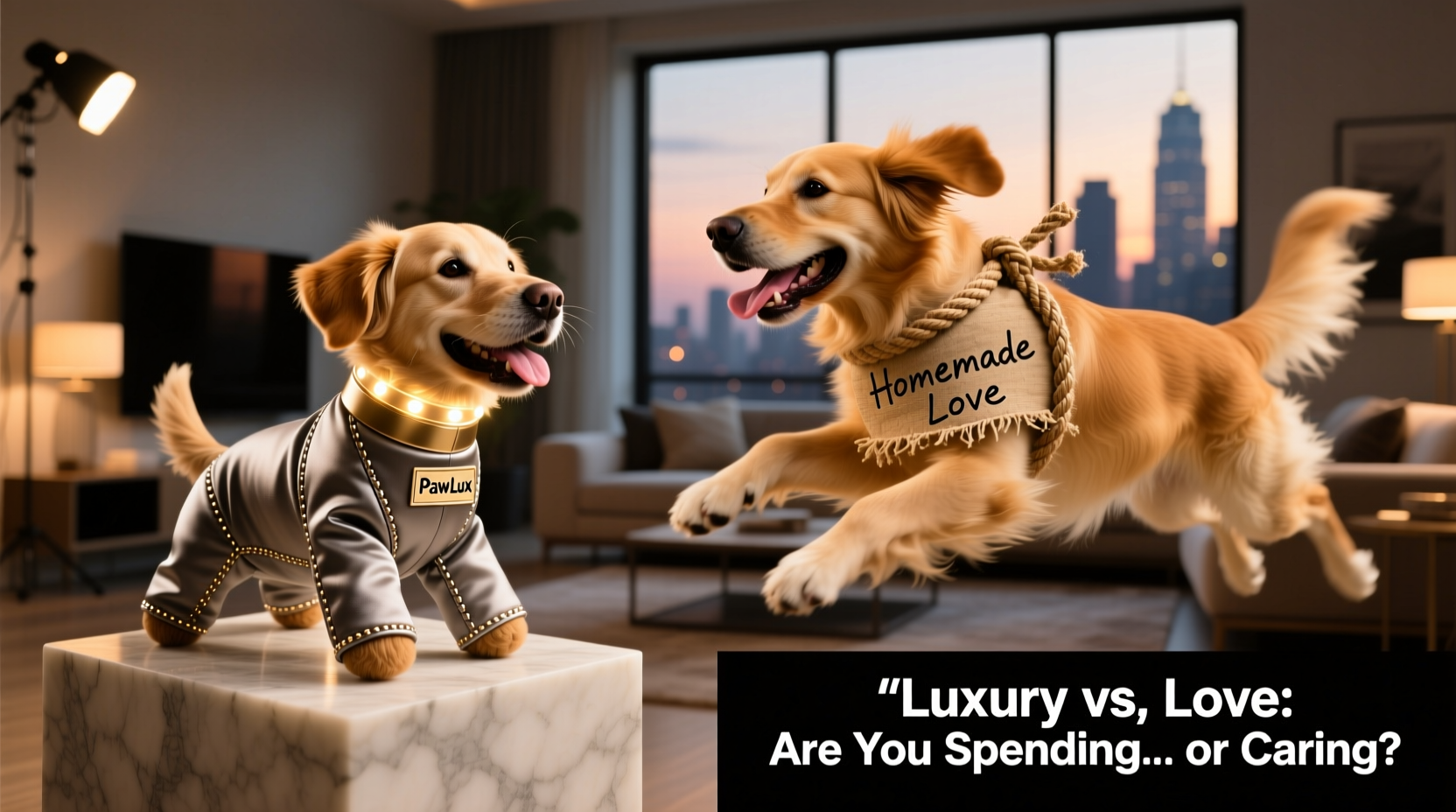
Luxury dog toys have become status symbols in the pet world. Brands like West Paw, Kong, Outward Hound, and Harry Barker offer sleek designs, eco-friendly materials, and claims of extreme durability. These toys often feature:
- BPA-free, non-toxic, and recyclable materials
- Patented designs for mental engagement (e.g., treat-dispensing puzzles)
- Lifetime guarantees or replacement policies
- Vet- or trainer-recommended endorsements
For owners of aggressive chewers or dogs with anxiety, these features can be game-changers. A well-designed puzzle toy might keep a high-energy Border Collie occupied for 30 minutes, reducing destructive behavior. A tough rubber chew toy could survive months of daily use where others fail in hours.
Tip: Look for luxury toys with third-party safety certifications (like ASTM F963) to ensure they meet rigorous material standards.The Rise of DIY Dog Toys: Practical or Risky?
DIY dog toys have gained popularity thanks to social media and budget-conscious pet owners. From braided T-shirt tugs to frozen water bottle puzzles, these homemade solutions emphasize creativity and sustainability. Common materials include old socks, towels, plastic bottles, and repurposed household items.
The appeal is clear: nearly zero cost, instant availability, and reduced waste. For light chewers or short-term play, DIY options can work well. However, risks increase with unsupervised use. A loose button from an upcycled sweater, a frayed rope end, or a cracked plastic bottle can quickly become a choking hazard.
Dr. Linda Chen, a veterinary behaviorist, warns: “I’ve seen too many cases of intestinal blockages from dogs ingesting parts of homemade toys. Just because something seems harmless doesn’t mean it’s safe.”
“Just because your dog loves a toy doesn’t mean it’s safe. Supervision is non-negotiable—especially with DIY creations.” — Dr. Linda Chen, DVM, Veterinary Behavior Specialist
Comparing Durability, Safety, and Value
To determine whether luxury or DIY toys offer better value, consider three key factors: safety, durability, and enrichment quality.
| Factor | Luxury Toys | DIY Toys |
|---|---|---|
| Safety | High—rigorously tested materials, no loose parts, non-toxic dyes | Variable—depends on materials; risk of ingestion or entanglement |
| Durability | High—engineered for heavy chewers; some offer lifetime warranties | Low to moderate—often degrade quickly, especially with strong chewers |
| Enrichment Value | High—designed by animal behavior experts to challenge cognition | Low to moderate—limited complexity unless carefully engineered |
| Cost Over Time | Moderate upfront, but longer lifespan reduces replacement frequency | Near-zero initial cost, but frequent replacement needed |
| Eco-Impact | Mixed—some brands use recycled materials; others rely on plastic | Potentially high—repurposes waste, but may require constant rebuilding |
The data suggests a hybrid approach often works best: using luxury toys for high-risk scenarios (like unattended play or intense chewing), and reserving DIY options for supervised, short-duration activities.
Real Example: Max the Labrador Mix
Max, a 2-year-old energetic Lab mix, destroyed three rope toys and two stuffed animals in his first month at home. His owner, Sarah, tried making a tug from old jeans—Max shredded it in ten minutes and swallowed a strip. After a vet visit and a $400 bill for monitoring, she switched tactics.
Sarah invested in a durable West Paw Qwizl treat puzzle ($22) and a GoughNuts chew ring ($25). Both survived six months of daily use. She still makes occasional DIY toys—like a frozen banana inside a cleaned water bottle—for supervised summer play. Her total annual spending dropped from $120 on replacements to $50, with far less stress.
“I thought I was saving money with DIY,” Sarah said. “But I was actually risking my dog’s health and replacing toys constantly. The luxury ones paid for themselves.”
Smart Strategies for Balanced Toy Selection
You don’t have to choose between luxury or DIY. With thoughtful planning, you can optimize both safety and savings. Follow this step-by-step guide to build a balanced toy strategy:
- Assess your dog’s chewing level: Light chewers can enjoy soft DIY toys; power chewers need certified durable options.
- Designate play zones: Use DIY toys only during supervised indoor sessions; reserve luxury toys for alone time or outdoor play.
- Incorporate enrichment: Choose at least one puzzle or slow-feed toy (luxury or carefully built DIY) to support mental health.
- Inspect all toys weekly: Check for wear, loose threads, or cracks—discard anything questionable immediately.
- Rotate toys monthly: Keep novelty high and reduce boredom, extending the life of each item.
Essential Checklist: Choosing the Right Toy
Before buying or building any toy, run through this checklist:
- ✅ Is the material non-toxic and free of small detachable parts?
- ✅ Can my dog accidentally swallow or choke on a piece?
- ✅ Does it match my dog’s size and strength?
- ✅ Am I planning to supervise use, especially with DIY versions?
- ✅ Does it encourage positive behavior instead of reinforcing aggression or obsession?
- ✅ Can it be cleaned easily to prevent bacterial buildup?
Frequently Asked Questions
Are luxury dog toys really safer than DIY ones?
Generally, yes. Most premium brands comply with consumer safety standards and undergo rigorous testing for toxins, durability, and small-part hazards. DIY toys depend entirely on the builder’s knowledge and material choices, which can introduce unseen risks.
Can I make a safe DIY chew toy at home?
You can, but with limitations. Braided cotton ropes or knotted fleece strips are relatively safe for tugging—but never leave them unattended. Avoid anything with buttons, zippers, foam stuffing, or thin plastic. Even “safe” materials become dangerous when worn down.
How do I know when to replace a dog toy?
Replace any toy showing signs of damage: fraying, tears, broken pieces, or loose components. If a toy loses its shape or becomes a choking hazard, discard it immediately—even if your dog still likes it.
Final Thoughts: Value Over Price
The question isn’t whether luxury toys are expensive or DIY toys are cheap—it’s whether you’re getting lasting value. A $30 toy that lasts a year offers better ROI than ten $3 DIY projects that fail within days. At the same time, thoughtful, safe DIY options can enhance variety and bonding without breaking the bank.
The smartest pet owners aren’t those who spend the most or the least—they’re the ones who understand their dog’s needs, prioritize safety, and make informed choices. Whether you’re buying or building, every toy should serve a purpose: to enrich, engage, and protect your dog.
💬 What’s your go-to dog toy strategy? Share your favorite luxury picks or safest DIY hacks in the comments—help fellow pet lovers find the perfect balance!








