Lower stomach pain is a frequent complaint affecting people of all ages. While often mild and temporary, it can sometimes signal a serious underlying condition. Understanding the potential causes, knowing how to manage symptoms at home, and recognizing when to seek medical help are essential for maintaining digestive and overall health. This guide provides a comprehensive look at what might be behind your discomfort and how to respond appropriately.
Common Causes of Lower Stomach Pain
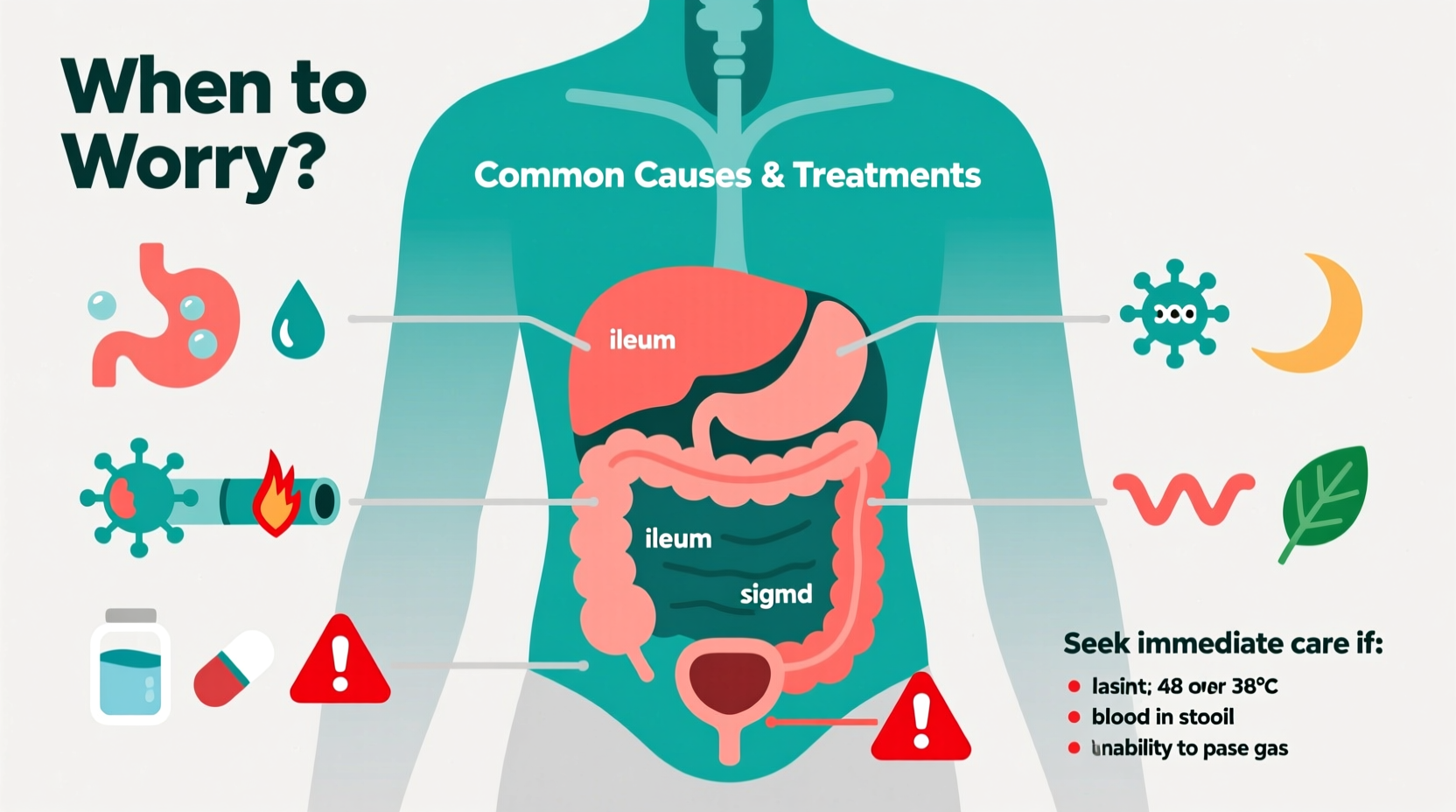
Pain in the lower abdomen can originate from various organs, including the intestines, bladder, reproductive organs (in women), and muscles. The location, intensity, and accompanying symptoms help determine the root cause.
- Gastrointestinal issues: Conditions like irritable bowel syndrome (IBS), constipation, gas buildup, or gastroenteritis often lead to cramping or bloating in the lower abdomen.
- Infections: Bacterial or viral infections of the digestive tract—such as food poisoning or urinary tract infections (UTIs)—can cause sharp or persistent pain.
- Menstrual cramps: For many women, lower abdominal pain before or during menstruation is normal, though severe pain may indicate conditions like endometriosis.
- Appendicitis: Typically begins near the navel and shifts to the lower right side, often worsening over time.
- Kidney stones: Though pain often starts in the back, it can radiate to the lower abdomen and groin, especially during passage.
- Pelvic inflammatory disease (PID): An infection of the female reproductive organs, usually linked to sexually transmitted infections.
- Hernias: A protrusion of tissue through a weak spot in the abdominal wall, often felt as a bulge with localized pain.
Treatment Options Based on Cause
Treatment depends entirely on the underlying condition. Mild cases often resolve with self-care, while others require medical intervention.
Dietary and Lifestyle Adjustments
For functional gastrointestinal disorders like IBS or chronic bloating, modifying diet and habits can bring significant relief:
- Increase fiber intake gradually to regulate bowel movements.
- Stay hydrated to prevent constipation.
- Avoid known irritants such as caffeine, alcohol, spicy foods, and artificial sweeteners.
- Practice stress-reduction techniques like meditation or yoga, which can influence gut function.
Medications
Depending on the diagnosis, doctors may prescribe:
- Laxatives or stool softeners for constipation.
- Antibiotics for infections like UTIs or PID.
- Anti-spasmodics for IBS-related cramping.
- Pain relievers like acetaminophen—avoid NSAIDs like ibuprofen if ulcers or gastritis are suspected.
Medical Procedures
In more serious cases, procedures such as colonoscopy, ultrasound, or surgery (e.g., appendectomy) may be necessary.
“Abdominal pain is one of the most common reasons patients visit primary care, yet accurate diagnosis requires careful evaluation of associated symptoms and timing.” — Dr. Alan Reyes, Gastroenterologist
When to Worry: Red Flags Requiring Immediate Care
While many causes of lower stomach pain are benign, certain symptoms indicate a medical emergency. Delaying care in these situations can lead to complications.
| Symptom | Possible Condition | Action Required |
|---|---|---|
| Severe, sudden pain in lower right abdomen | Appendicitis | Seek ER immediately |
| Fever with chills and abdominal tenderness | Infection or abscess | Consult doctor within 24 hours |
| Blood in stool or urine | IBD, infection, kidney stone | Schedule urgent evaluation |
| Pain with vomiting that won’t stop | Bowel obstruction | Go to emergency room |
| Missed period with sharp pelvic pain | Ectopic pregnancy | Call emergency services |
Additional Warning Signs
- Pain lasting more than 48 hours without improvement.
- Inability to pass gas or have a bowel movement.
- Abdominal swelling or rigidity.
- Dizziness, fainting, or rapid heartbeat—signs of internal bleeding or shock.
Step-by-Step Guide: What to Do When Pain Starts
Follow this timeline to assess and manage lower stomach pain effectively:
- Pause and observe (0–30 minutes): Note the pain’s location, intensity (rate 1–10), and whether it’s constant or crampy. Check for fever or nausea.
- Try gentle remedies (30 mins–2 hours): Apply a heating pad, sip warm water, or walk lightly to relieve gas. Avoid eating heavy meals.
- Monitor progression (2–24 hours): Track changes. Does pain move? Are new symptoms appearing?
- Decide on medical contact (within 24–48 hours): Call your doctor if pain persists or worsens. Seek emergency care if red flags appear.
- Prepare for evaluation: Bring your symptom diary, list of medications, and note recent dietary or lifestyle changes.
Real-Life Example: Recognizing Appendicitis Early
Samantha, a 24-year-old teacher, experienced mild belly discomfort after dinner. Over the next 12 hours, the pain shifted to her lower right side, became sharper, and was accompanied by nausea and a low-grade fever. She initially dismissed it as indigestion but decided to visit urgent care when she couldn't lie comfortably. An ultrasound confirmed early-stage appendicitis. Thanks to prompt treatment, she underwent a minimally invasive appendectomy and recovered fully within two weeks. Her story highlights the importance of tracking symptom evolution—not ignoring shifting or intensifying pain.
Prevention Checklist
Reduce your risk of recurrent or severe lower abdominal pain with this actionable checklist:
- ✅ Stay hydrated throughout the day (aim for 8 glasses).
- ✅ Eat regular, balanced meals rich in fiber.
- ✅ Practice safe sex to reduce risk of PID.
- ✅ Exercise regularly to support digestion and circulation.
- ✅ Schedule annual physicals and gynecological exams (for women).
- ✅ Don’t ignore persistent changes in bowel habits.
- ✅ Manage stress through mindfulness or counseling if needed.
FAQ
Can stress cause lower stomach pain?
Yes. Stress activates the gut-brain axis, which can trigger or worsen conditions like IBS, leading to cramping, bloating, or altered bowel movements. Managing stress often reduces gastrointestinal symptoms.
Is lower left abdominal pain always related to diverticulitis?
No. While diverticulitis commonly causes pain in the lower left quadrant—especially in older adults—other causes include constipation, gas, ovarian cysts, or kidney stones. Diagnosis requires imaging or lab tests.
How long should I wait before seeing a doctor for stomach pain?
If pain lasts more than 48 hours, interferes with daily activities, or is accompanied by fever, vomiting, or blood, see a doctor promptly. Sudden, severe pain warrants immediate evaluation.
Conclusion
Lower stomach pain is common but not something to dismiss without consideration. Most cases stem from manageable conditions that respond well to lifestyle changes or simple treatments. However, knowing when pain crosses the line into danger—such as with appendicitis, ectopic pregnancy, or bowel obstruction—can be life-saving. Pay attention to your body, document symptoms clearly, and don’t hesitate to seek professional advice. Your health is worth the proactive effort.
💬 Have you experienced persistent lower stomach pain? Share your story or questions below to help others recognize warning signs and find relief.








