
Lower stomach pain is a common complaint that affects people of all ages. While it often results from minor digestive issues or temporary discomfort, persistent or severe pain can signal a more serious underlying condition. Understanding the potential causes, recognizing red flags, and knowing when to seek medical attention are crucial steps in managing your health effectively. This article explores the range of conditions associated with lower abdominal pain, outlines warning signs that require immediate care, and provides practical guidance on treatment and prevention.
Common Causes of Lower Stomach Pain
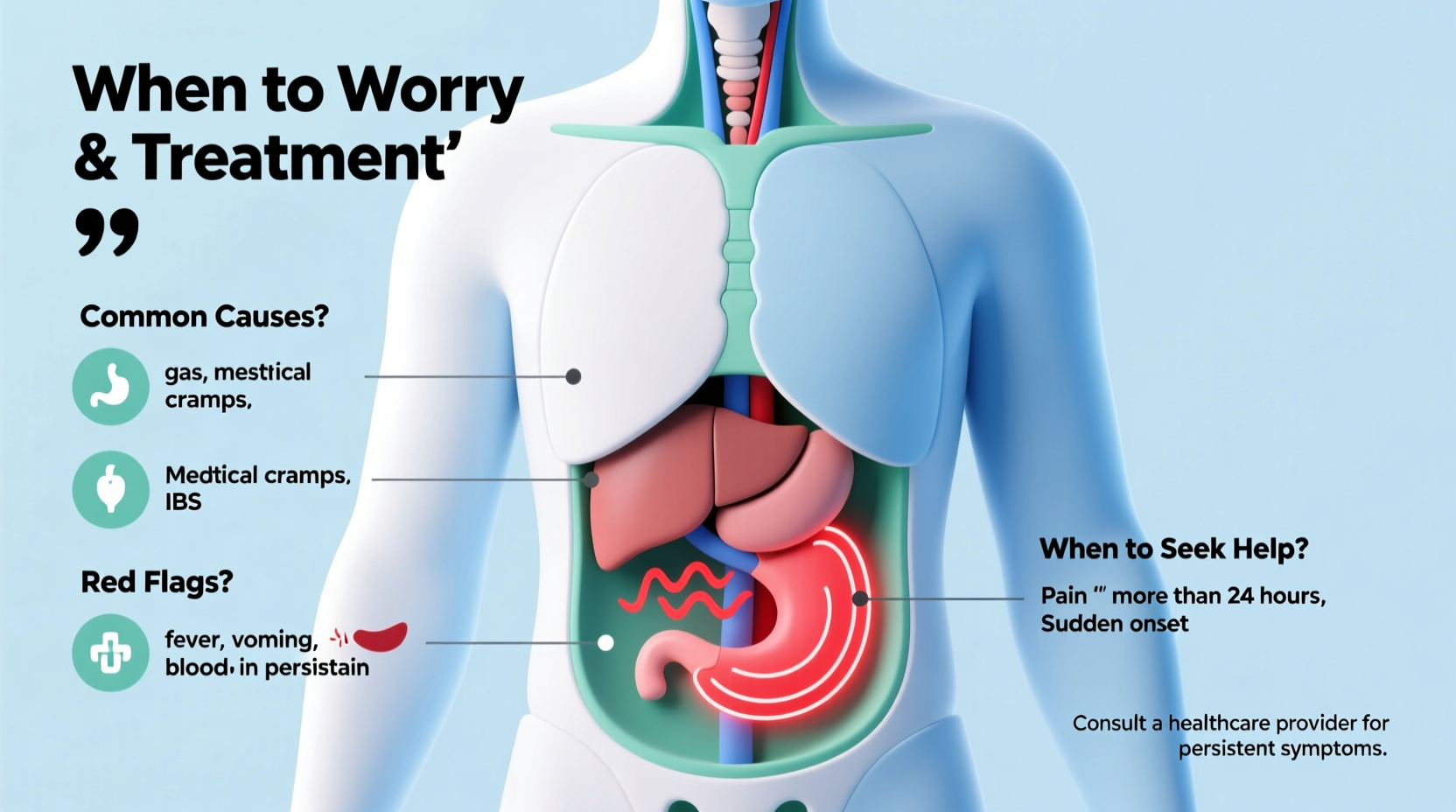
Pain in the lower abdomen can stem from a variety of sources, most of which are related to the digestive, urinary, or reproductive systems. The location, intensity, and duration of the pain often provide clues about its origin.
- Gas and bloating: One of the most frequent causes, often resulting from diet, swallowing air, or irritable bowel syndrome (IBS).
- Constipation: Difficulty passing stool leads to cramping and pressure in the lower abdomen.
- Diarrhea: Viral or bacterial infections can cause sudden, sharp pain accompanied by loose stools.
- Menstrual cramps: Common in women, especially during menstruation; pain typically centers in the lower pelvis.
- Urinary tract infections (UTIs): Often cause a burning sensation, urgency, and dull ache above the pubic bone.
- Appendicitis: Begins near the navel and shifts to the lower right abdomen, usually worsening over time.
- Diverticulitis: Inflammation of small pouches in the colon wall, more common in older adults.
- Kidney stones: Can cause intense, radiating pain from the back to the lower abdomen and groin.
- Pelvic inflammatory disease (PID): An infection of the female reproductive organs, often linked to sexually transmitted infections.
- Ectopic pregnancy: A life-threatening condition where a fertilized egg implants outside the uterus, typically in a fallopian tube.
When to Worry: Red Flags Requiring Medical Attention
While many cases of lower abdominal pain resolve on their own, certain symptoms indicate a need for urgent evaluation. Delaying care in these situations can lead to complications.
“Abdominal pain that is severe, localized, and progressive should never be ignored—especially if it’s accompanied by fever or vomiting.” — Dr. Alan Reyes, Gastroenterologist
Serious Warning Signs Include:
- Severe, unrelenting pain that prevents standing or walking
- Fever above 101°F (38.3°C)
- Vomiting blood or passing black, tarry stools
- Inability to pass gas or have a bowel movement
- Pain during pregnancy, especially with vaginal bleeding
- Pain that worsens rapidly over hours
- Swelling or rigidity in the abdomen
- Pain localized to the lower right side (possible appendicitis)
- Pain with painful urination and flank tenderness (possible kidney infection)
If you experience any of these symptoms, seek emergency medical care immediately. Conditions like ruptured appendix, ectopic pregnancy, or bowel obstruction can become life-threatening within hours.
Treatment Options Based on Cause
Effective treatment depends entirely on identifying the root cause. Self-treatment may help mild cases, but misdiagnosis can delay critical interventions.
| Condition | Symptoms | Treatment Approach |
|---|---|---|
| Gas & Bloating | Cramping, bloating, relief after passing gas | Dietary changes, simethicone, probiotics |
| Constipation | Infrequent bowel movements, straining, hard stools | Fiber supplements, hydration, laxatives (short-term) |
| UTI | Burning urination, frequent urge, pelvic ache | Antibiotics, increased fluid intake |
| Appendicitis | Pain shifting to lower right abdomen, fever, nausea | Surgical removal of appendix |
| Diverticulitis | Left-sided pain, fever, change in bowel habits | Antibiotics, liquid diet, possible hospitalization |
| Menstrual Cramps | Rhythmic cramping during period, lower back pain | NSAIDs, heat therapy, hormonal birth control |
Step-by-Step Guide: What to Do When Pain Starts
Not every episode of lower stomach pain requires a trip to the ER. Follow this logical sequence to assess your situation safely:
- Pause and observe: Stop activity and note the pain’s location, intensity, and whether it radiates.
- Check for accompanying symptoms: Fever, vomiting, diarrhea, blood in stool or urine, or missed periods.
- Avoid eating heavy meals: Give your digestive system a break. Sip water or clear fluids.
- Use heat cautiously: A warm compress may ease cramps from gas or menstruation—but avoid heat if swelling or fever is present.
- Do not take painkillers like ibuprofen without diagnosis: They can mask symptoms and worsen conditions like ulcers or kidney issues.
- Monitor for 6–12 hours: If pain improves gradually with rest, it may be benign. If it worsens or new symptoms appear, seek care.
- Contact a healthcare provider: Describe symptoms clearly and follow professional advice.
Real Example: Recognizing Appendicitis Early
Samantha, a 27-year-old teacher, noticed mild discomfort near her belly button after dinner. By midnight, the pain had intensified and shifted to her lower right side. She felt nauseous and had a low-grade fever. Instead of assuming it was indigestion, she called her doctor, who advised her to go to the ER. Imaging confirmed early appendicitis. She underwent surgery the next morning and recovered fully. Her prompt action prevented a rupture—a complication that increases recovery time and risk significantly.
This case illustrates how paying attention to pain progression and seeking timely advice can make a critical difference.
Prevention and Daily Habits for Gut Health
Maintaining digestive wellness reduces the frequency of lower abdominal discomfort. Small lifestyle adjustments can have lasting benefits.
Tip: Eat slowly and chew thoroughly—this reduces swallowed air and supports efficient digestion.- Stay hydrated: Aim for at least 8 glasses of water daily to prevent constipation.
- Eat a high-fiber diet rich in fruits, vegetables, and whole grains.
- Limits processed foods, carbonated drinks, and artificial sweeteners known to cause gas.
- Exercise regularly to stimulate bowel motility.
- Manage stress through mindfulness, yoga, or breathing exercises—stress exacerbates IBS and other functional gut disorders.
Frequently Asked Questions
Can lower stomach pain be a sign of cancer?
While rare, persistent lower abdominal pain can be associated with colorectal, ovarian, or bladder cancers—especially if accompanied by unexplained weight loss, changes in bowel habits, or blood in stool. Long-standing symptoms warrant investigation.
Is it safe to use over-the-counter medications for stomach pain?
Occasional use of antacids or simethicone for gas is generally safe. However, avoid long-term use of NSAIDs (like ibuprofen) without medical supervision, as they can irritate the stomach lining or affect kidney function.
How is IBS different from other causes of lower abdominal pain?
Irritable bowel syndrome is a functional disorder—meaning no structural damage is found. It features chronic abdominal pain with altered bowel habits (diarrhea, constipation, or both), often triggered by stress or certain foods. Diagnosis is made after ruling out other conditions.
Take Control of Your Abdominal Health
Lower stomach pain is more than just an inconvenience—it’s your body’s way of signaling that something needs attention. While many causes are harmless and self-limiting, dismissing persistent or severe pain can have serious consequences. By understanding the possible origins, recognizing danger signs, and responding appropriately, you protect your long-term well-being. Don’t hesitate to consult a healthcare provider when in doubt. Your awareness today could prevent a crisis tomorrow.
💬 Have you experienced lower stomach pain and discovered an unexpected cause? Share your story in the comments to help others recognize symptoms and seek timely care.








