
A decrease in semen volume can be a concern for men seeking to conceive or maintain optimal reproductive health. While occasional variation is normal, consistently low sperm volume may indicate underlying health issues. Understanding the causes, recognizing symptoms, and exploring evidence-based treatments are essential steps toward addressing this condition effectively.
Understanding Low Sperm Volume
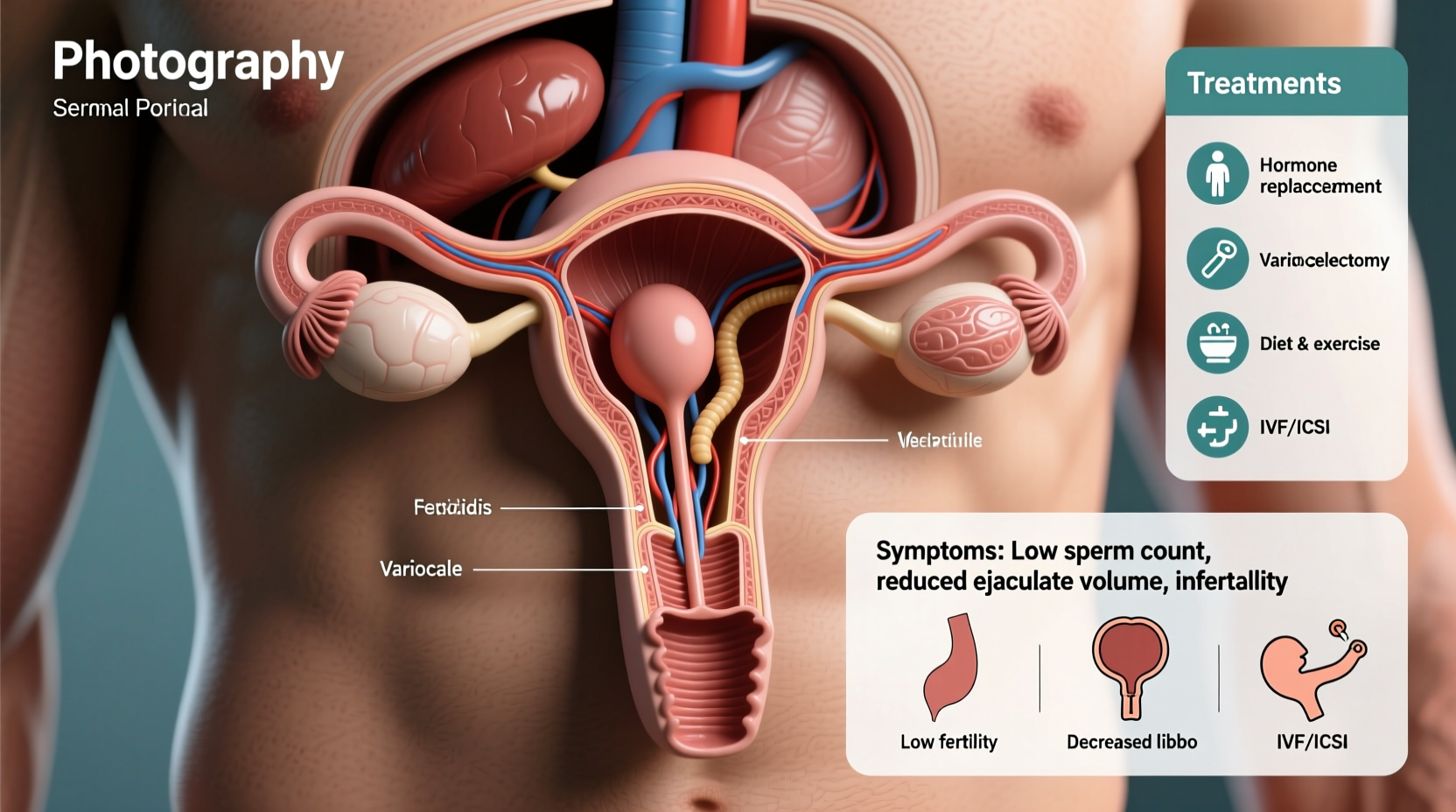
Semen volume refers to the amount of fluid ejaculated during orgasm. The World Health Organization (WHO) defines a normal semen volume as at least 1.5 milliliters per ejaculation. Volumes below this threshold are considered low and may affect fertility potential. It's important to distinguish between low sperm count (oligospermia) and low semen volume—though they can coexist, they are not the same.
Low semen volume does not always mean reduced fertility, but it can limit the number of sperm reaching the egg, especially if combined with poor motility or abnormal morphology. Many men notice changes in their ejaculate over time and may feel anxious about what this means for their sexual or reproductive health.
Tip: Track changes in your ejaculate over several weeks before drawing conclusions—temporary fluctuations are common.Common Causes of Low Sperm Volume
Several physiological, hormonal, and lifestyle factors contribute to reduced semen production. Identifying the root cause is crucial for effective treatment.
- Hormonal imbalances: Testosterone, follicle-stimulating hormone (FSH), and luteinizing hormone (LH) play key roles in sperm and semen production. Deficiencies or disruptions in these hormones can reduce volume.
- Retrograde ejaculation: A condition where semen enters the bladder instead of exiting through the urethra. Often linked to diabetes, prostate surgery, or certain medications.
- Obstruction in seminal vesicles or vas deferens: Blockages can prevent full expulsion of semen, leading to diminished output.
- Frequent ejaculation: Ejaculating multiple times per day can temporarily reduce volume due to insufficient recovery time.
- Prolonged abstinence: Paradoxically, extended periods without ejaculation may also lead to lower volume due to aging of seminal fluid components.
- Age-related decline: Semen volume tends to decrease gradually after age 40.
- Lifestyle factors: Smoking, excessive alcohol, drug use (especially anabolic steroids), obesity, and chronic stress negatively impact reproductive function.
- Medications: Antidepressants (particularly SSRIs), alpha-blockers, and antipsychotics may reduce ejaculate volume.
“Many men assume low volume means infertility, but the real issue often lies in sperm quality and transport. A proper evaluation is necessary.” — Dr. Alan Reynolds, Reproductive Urologist
Symptoms and When to Seek Help
Low sperm volume itself may not cause noticeable physical discomfort, but accompanying signs can include:
- Noticeably smaller amounts of ejaculate
- Dry orgasms (no fluid expelled)
- Reduced fertility despite regular unprotected intercourse
- Changes in orgasm intensity
- Blood in semen (in rare cases of infection or obstruction)
If you’ve been trying to conceive for over a year (or six months if your partner is over 35) without success, a semen analysis should be considered. Additionally, sudden drops in volume, painful ejaculation, or urinary symptoms warrant prompt medical evaluation.
Treatment Options and Recovery Strategies
Treatment depends on the underlying cause. A combination of medical intervention and lifestyle adjustments often yields the best results.
Medical Interventions
- Hormone therapy: If testing reveals low testosterone or pituitary dysfunction, hormone replacement or stimulation therapy may restore normal production.
- Antibiotics: In cases of infection (e.g., prostatitis or seminal vesiculitis), targeted antibiotics can resolve inflammation and improve volume.
- Surgical correction: For blockages or varicoceles, minimally invasive procedures can restore normal flow.
- Management of retrograde ejaculation: Medications like pseudoephedrine or imipramine may help close the bladder neck during ejaculation.
Lifestyle Modifications
Natural improvements are possible with consistent effort:
- Maintain a healthy weight through balanced nutrition and exercise.
- Limit alcohol and avoid tobacco and recreational drugs.
- Manage stress through mindfulness, sleep hygiene, and counseling if needed.
- Stay hydrated—dehydration can temporarily reduce semen volume.
- Optimize nutrient intake with zinc, selenium, vitamin C, and folic acid, all linked to improved semen parameters.
Step-by-Step Guide to Improving Semen Volume
Follow this timeline to address low sperm volume systematically:
- Week 1–2: Self-assessment
Track ejaculation frequency, volume perception, and any symptoms. Note medication use and lifestyle habits. - Week 3: Consult a healthcare provider
Schedule an appointment with a urologist or fertility specialist. Request a semen analysis and hormone panel. - Week 4–6: Begin targeted changes
Start supplements (after medical approval), improve diet, and reduce stressors. Stop smoking or heavy drinking if applicable. - Month 2–3: Re-evaluate
Repeat semen analysis if advised. Monitor symptom changes and adjust treatment plan. - Ongoing: Maintain gains
Continue healthy habits and schedule annual check-ups to monitor reproductive health.
Do’s and Don’ts: Quick Reference Table
| Do’s | Don’ts |
|---|---|
| Ejaculate every 2–3 days to maintain freshness | Don’t ejaculate excessively (multiple times daily) |
| Take evidence-backed supplements (zinc, L-carnitine) | Don’t self-prescribe testosterone boosters without testing |
| Wear loose-fitting underwear to support testicular temperature | Don’t use hot tubs or saunas frequently |
| Seek professional diagnosis before starting treatment | Don’t ignore persistent changes in ejaculate |
Real-Life Example: Mark’s Journey to Improved Semen Health
Mark, a 38-year-old software engineer, noticed his semen volume had decreased significantly over six months. He and his wife had been trying to conceive for nearly a year. After initial embarrassment, he consulted a urologist. Tests revealed mild hypogonadism and elevated FSH levels, suggesting reduced testicular function.
His doctor recommended lifestyle changes—weight loss, resistance training, and quitting vaping—along with prescription clomiphene citrate to stimulate natural testosterone production. Within four months, follow-up tests showed improved semen volume and motility. Six months later, his wife became pregnant naturally.
Mark’s case highlights that even subtle hormonal shifts can impact reproductive health—and that early intervention makes a difference.
Frequently Asked Questions
Can low sperm volume be reversed?
Yes, in many cases. Lifestyle improvements, medical treatment, and managing underlying conditions can restore normal volume, especially when addressed early.
Does masturbation reduce sperm volume permanently?
No. Frequent ejaculation may temporarily reduce volume, but the body replenishes semen within 2–3 days. There is no long-term depletion from regular masturbation.
Are over-the-counter \"volume booster\" supplements effective?
Most lack clinical evidence. Some ingredients like L-arginine or maca root show modest benefits in studies, but results vary. Always consult a doctor before using supplements, especially if trying to conceive.
Conclusion: Take Charge of Your Reproductive Health
Low sperm volume is more than a fertility concern—it’s a potential signal of broader health issues. Whether you're planning for fatherhood or simply aiming to optimize your well-being, understanding the causes and solutions empowers informed decisions. Medical evaluation, lifestyle refinement, and patience are key to restoring healthy semen production.
💬 Your health matters. If you've experienced changes in semen volume, don't hesitate to speak with a specialist. Share your story or questions in the comments—your experience could help others on the same journey.








