Estrogen is a vital hormone in the human body, playing a central role in reproductive health, bone density, cardiovascular function, and emotional regulation. When estrogen levels fall below normal—especially in women of reproductive age or during perimenopause—it can trigger a cascade of physical and emotional symptoms. Understanding the underlying causes, recognizing early signs, and knowing available treatment options are essential steps toward restoring hormonal balance and improving quality of life.
What Is Estrogen and Why Does It Matter?
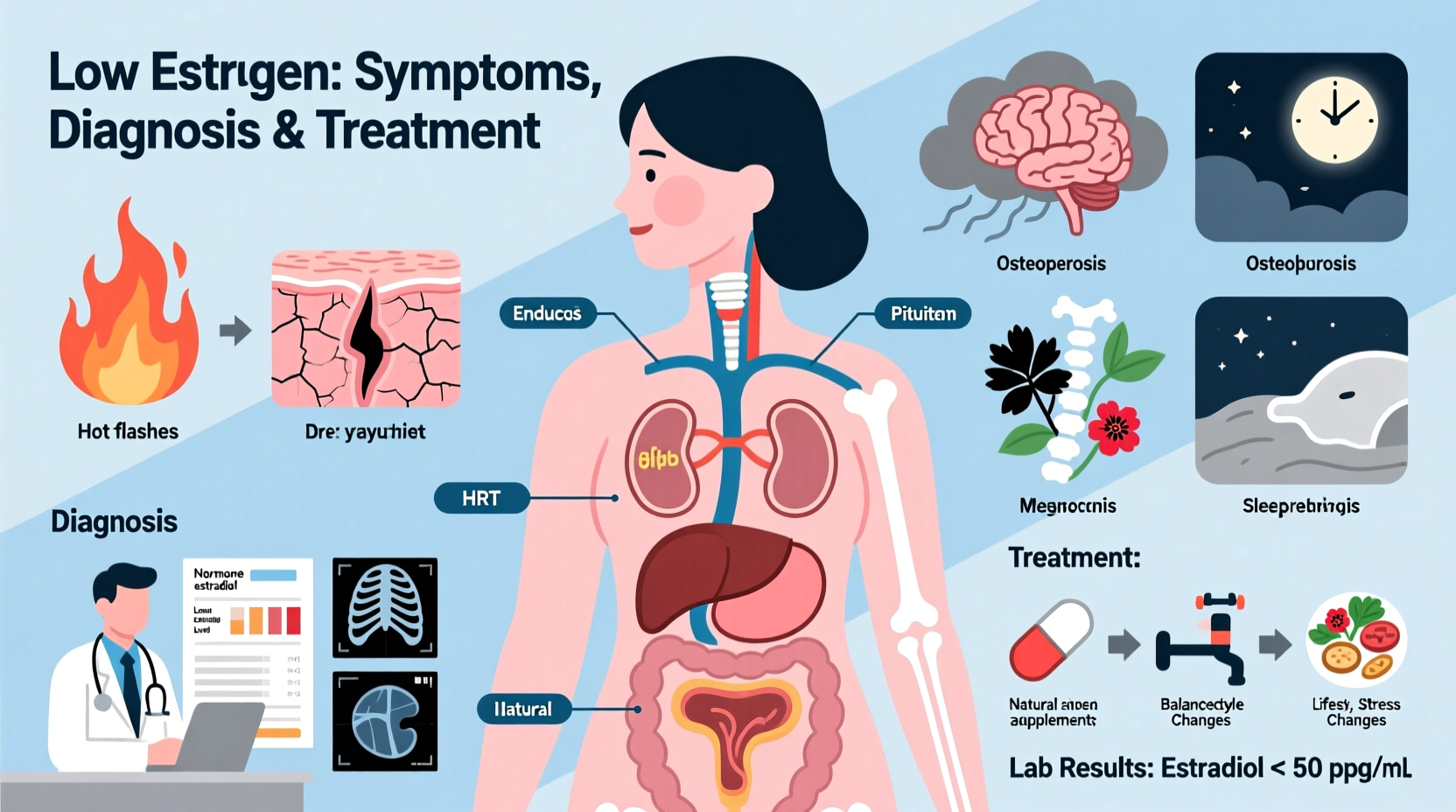
Estrogen refers to a group of hormones—including estrone, estradiol, and estriol—that regulate the menstrual cycle, support fertility, maintain vaginal health, and influence mood and cognitive function. While primarily associated with female physiology, men also produce small amounts of estrogen, which contributes to libido and bone health.
Fluctuations in estrogen are normal throughout the menstrual cycle and across life stages such as puberty, pregnancy, and menopause. However, persistently low levels outside expected transitions may indicate an underlying medical condition requiring attention.
Common Causes of Low Estrogen
Low estrogen is not a standalone diagnosis but rather a symptom of broader physiological changes or disorders. Key causes include:
- Natural aging and menopause: Estrogen production declines significantly during perimenopause and after menopause, typically beginning in the late 40s to early 50s.
- Premature ovarian insufficiency (POI): Also known as premature menopause, this occurs when ovaries stop functioning before age 40, often due to genetic, autoimmune, or idiopathic factors.
- Excessive exercise or low body weight: Athletes or individuals with eating disorders may experience suppressed estrogen due to low body fat, disrupting menstrual cycles.
- Thyroid dysfunction: Both hyper- and hypothyroidism can interfere with hormone regulation, including estrogen synthesis.
- Pituitary gland disorders: The pituitary controls hormone release from the ovaries; tumors or damage can impair signaling.
- Chemotherapy or radiation: Cancer treatments can damage ovarian tissue and reduce hormone output.
- Surgical removal of ovaries: Oophorectomy leads to immediate estrogen deficiency unless hormone therapy is initiated.
Recognizing the Symptoms of Low Estrogen
Symptoms vary depending on age, overall health, and the severity of deficiency. In reproductive-age women, signs often mimic those of early menopause:
- Irregular or absent periods
- Vaginal dryness and discomfort during intercourse
- Hot flashes and night sweats
- Mood swings, anxiety, or depression
- Fatigue and trouble sleeping
- Dry skin and thinning hair
- Decreased libido
- Poor concentration and memory issues (“brain fog”)
- Increased urinary tract infections due to urethral thinning
In younger women, infertility may be the first noticeable sign. Long-term deficiency increases risks for osteoporosis and heart disease due to estrogen’s protective effects on bones and blood vessels.
“Persistent amenorrhea in women under 40 should prompt evaluation for hormonal deficiencies, particularly estrogen. Early intervention can preserve fertility and long-term health.” — Dr. Lena Patel, Endocrinologist at Boston Women’s Health Center
Diagnosing Low Estrogen: What to Expect
A diagnosis begins with a detailed medical history and physical exam, followed by laboratory testing. Your healthcare provider may order:
- Blood tests: Measure levels of estradiol, follicle-stimulating hormone (FSH), luteinizing hormone (LH), and thyroid hormones.
- Pelvic ultrasound: Assess ovarian structure and detect abnormalities like cysts or atrophy.
- Genetic testing: If premature ovarian insufficiency is suspected, especially with a family history.
Elevated FSH combined with low estradiol typically confirms ovarian insufficiency. Normal results may require repeat testing if symptoms persist.
Diagnostic Blood Test Reference Ranges
| Hormone | Normal Range (Follicular Phase) | Low Estrogen Indication |
|---|---|---|
| Estradiol (E2) | 15–350 pg/mL | <20 pg/mL (non-menopausal) |
| Follicle-Stimulating Hormone (FSH) | 4–13 mIU/mL | >30 mIU/mL suggests ovarian decline |
| Luteinizing Hormone (LH) | 5–20 mIU/mL | Often elevated alongside FSH |
Treatment Options for Low Estrogen
The goal of treatment is to relieve symptoms, prevent complications, and address underlying causes. Options vary based on age, fertility goals, and overall health.
Hormone Replacement Therapy (HRT)
HRT is the most effective treatment for symptomatic low estrogen. It involves administering synthetic or bioidentical estrogen, often combined with progesterone in women with a uterus to prevent endometrial cancer.
- Forms: Pills, patches, gels, creams, or vaginal rings.
- Benefits: Reduces hot flashes, improves sleep, supports bone density, and enhances vaginal health.
- Risks: Slight increase in risk of blood clots, stroke, or breast cancer with long-term use—especially in older women.
Non-Hormonal Alternatives
For women who cannot or prefer not to use HRT, non-hormonal strategies may help manage symptoms:
- SSRIs or SNRIs (e.g., paroxetine) for mood swings and hot flashes
- Vaginal moisturizers and lubricants for dryness
- Bisphosphonates or calcium/vitamin D supplements to protect bone health
- Cognitive behavioral therapy (CBT) for insomnia and anxiety
Lifestyle Modifications
Diet, exercise, and stress management play a supportive role in hormonal balance.
Tip: Include phytoestrogen-rich foods like soy, flaxseeds, and legumes—they may mildly modulate estrogen activity.Step-by-Step Guide to Managing Low Estrogen
- Track your symptoms: Keep a journal of menstrual patterns, mood changes, sleep quality, and physical discomfort.
- Schedule a doctor visit: Discuss concerns with a gynecologist or endocrinologist.
- Get tested: Request blood work to evaluate hormone levels.
- Review treatment options: Weigh benefits and risks of HRT versus non-hormonal approaches.
- Adopt supportive habits: Focus on balanced nutrition, strength training, and stress reduction.
- Monitor progress: Reassess symptoms every 3–6 months and adjust treatment as needed.
Mini Case Study: Sarah’s Journey with Premature Ovarian Insufficiency
Sarah, a 37-year-old teacher, noticed her periods became irregular over six months. She experienced fatigue, sudden hot flashes, and difficulty concentrating at work. Initially attributing it to stress, she sought help when she missed three consecutive cycles. Blood tests revealed an FSH level of 48 mIU/mL and estradiol of 18 pg/mL—indicating premature ovarian insufficiency.
After consultation, Sarah began transdermal estrogen therapy with cyclic progesterone. Within eight weeks, her hot flashes subsided, sleep improved, and energy returned. She also started weight-bearing exercises and increased calcium intake to protect her bone density. With ongoing monitoring, Sarah regained control of her health and avoided long-term complications.
FAQ
Can low estrogen cause weight gain?
Yes. Reduced estrogen can slow metabolism, increase insulin resistance, and promote abdominal fat storage. Combined with decreased muscle mass and fatigue-related inactivity, this often leads to gradual weight gain, especially around the midsection.
Is low estrogen reversible?
In cases related to excessive exercise, low body weight, or stress, restoring healthy habits can normalize estrogen levels. However, conditions like POI or surgical menopause usually require lifelong hormone replacement to maintain health.
Are there natural ways to boost estrogen?
While no food or supplement can directly increase estrogen significantly, consuming phytoestrogens (soy isoflavones, flaxseeds), maintaining a healthy weight, and reducing alcohol intake may support hormonal balance. Always consult a doctor before using herbal products like black cohosh or red clover, as they can interact with medications.
Take Control of Your Hormonal Health
Low estrogen is more than a reproductive issue—it affects energy, mood, cognition, and long-term wellness. Recognizing the signs early and seeking appropriate care can prevent complications and restore vitality. Whether through medical treatment, lifestyle adjustments, or a combination of both, effective solutions exist.
💬 Your health matters. If you're experiencing unexplained symptoms, talk to your doctor today. Share this article to help others understand the importance of hormonal balance.








