
Losing your sense of smell, known medically as anosmia, affects more than just the ability to enjoy food or detect odors. It can impact emotional well-being, safety (like not smelling smoke or gas), and even social interactions. While temporary smell loss is common during colds or allergies, persistent anosmia warrants attention. Understanding the underlying causes, available treatments, and actionable steps can make a significant difference in recovery or adaptation.
Common Causes of Smell Loss
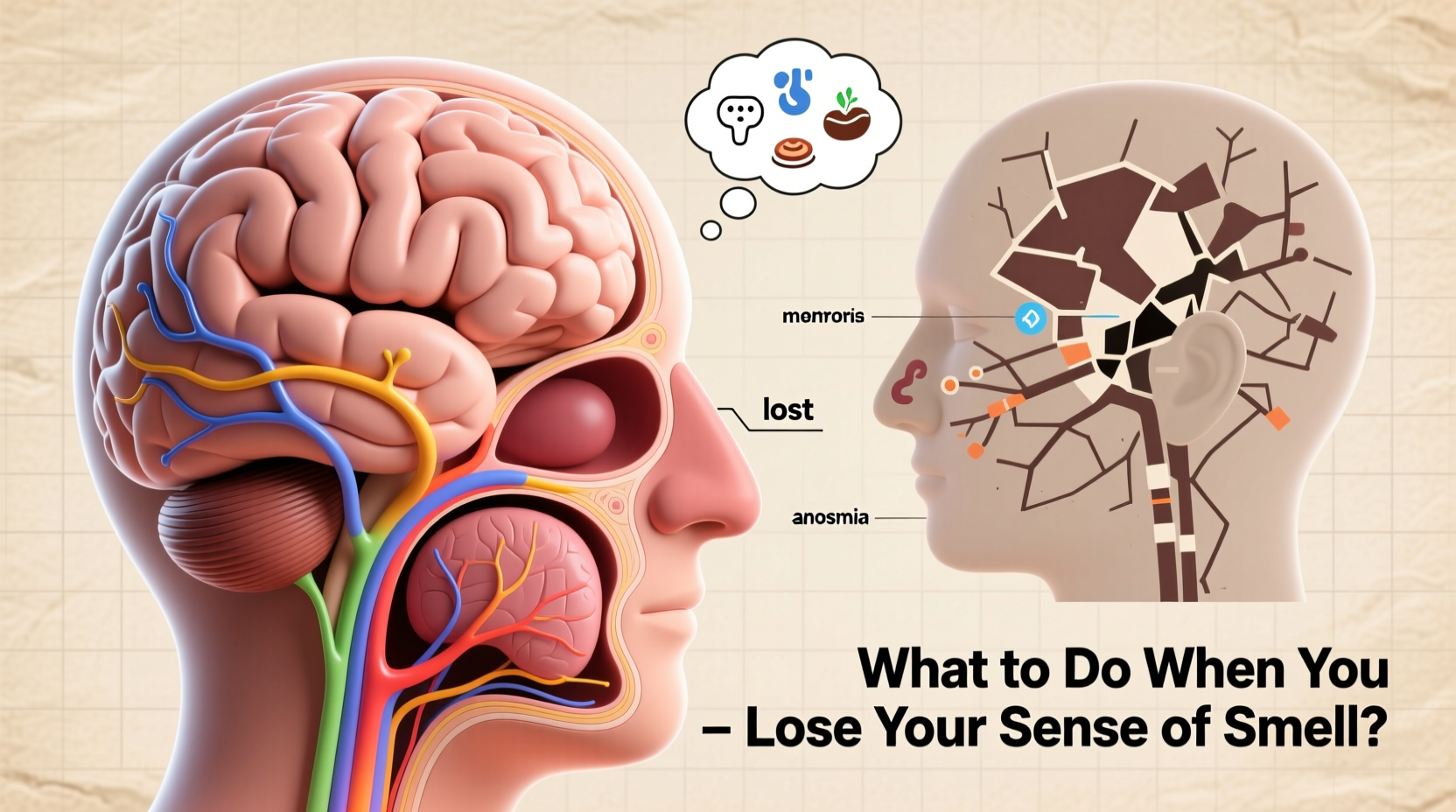
The sense of smell relies on a complex network involving nasal passages, olfactory nerves, and brain processing. Disruptions at any point can lead to partial or total smell loss. The most frequent causes include:
- Upper respiratory infections: Colds, flu, and especially viral infections like COVID-19 are leading causes of sudden smell loss. Post-viral anosmia often resolves within weeks but can persist for months.
- Nasal and sinus conditions: Chronic sinusitis, nasal polyps, and deviated septum can block airflow or inflame tissues needed for odor detection.
- Allergies: Persistent allergic rhinitis can cause swelling and mucus buildup that interfere with odor molecules reaching sensory cells.
- Head injuries: Trauma to the head may damage the olfactory nerve or related brain regions responsible for processing smells.
- Aging: Natural degeneration of olfactory neurons occurs over time, particularly after age 60.
- Neurological disorders: Parkinson’s disease, Alzheimer’s, and multiple sclerosis have been linked to early olfactory decline.
- Exposure to toxins: Long-term contact with chemicals, solvents, or heavy metals can impair smell function.
- Medications: Some drugs—including certain antibiotics, antidepressants, and blood pressure medications—list anosmia as a rare side effect.
Treatment Options Based on Cause
Effective treatment depends entirely on identifying the root cause. A proper diagnosis from an ENT (ear, nose, and throat) specialist is essential. Below are evidence-based approaches tailored to specific conditions:
Viral Infections (Including Post-COVID Anosmia)
Most cases of post-viral smell loss improve spontaneously within 2–4 weeks. For persistent cases, olfactory training—a structured daily practice of sniffing strong scents such as rose, lemon, clove, and eucalyptus—has shown promising results. Studies indicate up to 30–60% improvement over 12 weeks when practiced consistently.
Nasal Obstruction or Inflammation
When polyps or chronic sinusitis are the culprit, corticosteroid sprays or short courses of oral steroids may reduce inflammation. In severe cases, endoscopic sinus surgery can remove obstructions and restore airflow.
Head Injury-Related Anosmia
Unfortunately, nerve damage from trauma has lower recovery rates. While no guaranteed treatment exists, some patients benefit from olfactory training and time. Recovery, if it occurs, typically begins within the first year.
Age-Related or Idiopathic Anosmia
When no clear cause is found (idiopathic) or linked to aging, focus shifts to management rather than reversal. Nutritional counseling becomes crucial since flavor perception diminishes without smell.
“Olfactory training is one of the safest and most effective tools we have for post-infectious smell loss. Consistency matters more than intensity.” — Dr. Zara Patel, Professor of Otolaryngology, Stanford University
Step-by-Step Guide to Regaining or Adapting to Smell Loss
If you’ve lost your sense of smell, taking proactive steps can support recovery or help you adjust safely. Follow this timeline:
- Week 1: Assess and Document Symptoms
Track when the loss occurred, whether it was sudden or gradual, and any associated symptoms (nasal congestion, headache, etc.). Note any recent illnesses or injuries. - Week 2: Consult a Healthcare Provider
Schedule an appointment with your primary care doctor or an ENT. They may perform a smell identification test (like the UPSIT) or order imaging if trauma is suspected. - Week 3–4: Begin Targeted Treatment
Start prescribed therapies—such as steroid sprays—or initiate olfactory training twice daily using four distinct scents. - Month 2–3: Monitor Progress
Keep a journal of subtle changes. Even slight improvements in detecting strong odors signal neural regeneration. - After 3 Months: Re-evaluate
If no improvement, consider further evaluation for neurological causes or long-term adaptation strategies.
Do’s and Don’ts: Managing Smell Loss
| Do’s | Don’ts |
|---|---|
| Practice olfactory training daily | Ignore persistent smell loss lasting over 2 weeks |
| Use labeled containers for spoiled food | Rely on smell to check food safety |
| Install smoke and gas detectors at home | Cook unattended without visual monitoring |
| Enhance food flavor with texture, temperature, and spices | Assume taste loss means poor cooking |
| Stay hydrated to support mucosal health | Use nasal decongestant sprays longer than 3 days |
Real-Life Example: Recovering After COVID-19
Sarah, a 42-year-old teacher, lost her sense of smell completely two weeks into a mild bout of COVID-19. At first, she dismissed it as temporary, but after six weeks with no improvement, she consulted an ENT. Diagnosed with post-viral olfactory dysfunction, she began olfactory training with essential oils and used saline rinses to keep her nasal passages clear. By week 10, she noticed faint hints of citrus and coffee. At 14 weeks, she regained about 70% of her smell function. Her story highlights the importance of patience and consistency—even partial recovery enhances quality of life significantly.
Frequently Asked Questions
Can you regain your sense of smell after losing it?
Yes, many people recover their sense of smell, especially when the cause is a viral infection or treatable condition like sinusitis. Recovery can take weeks to months, and olfactory training increases the chances of improvement.
Is loss of smell always related to COVID-19?
No. While COVID-19 made anosmia widely recognized, other viruses, allergies, nasal polyps, and head injuries are common causes. Sudden smell loss should prompt medical evaluation regardless of suspected cause.
What can I do if my smell doesn’t come back?
If recovery is incomplete, adapting your lifestyle helps. Use visual cues for food freshness, install safety detectors, and enhance meals with herbs, crunch, heat, and acidity. Counseling or support groups can also help cope emotionally.
Tip: Label and date leftovers clearly—without smell, it's easy to accidentally consume spoiled food.Conclusion: Take Action Early for Better Outcomes
Smell loss is more than a minor inconvenience—it affects nutrition, safety, and emotional connection to memories and loved ones. Whether caused by infection, injury, or aging, understanding the cause is the first step toward recovery or adaptation. Medical evaluation, consistent olfactory training, and practical lifestyle adjustments can dramatically improve outcomes. Don’t wait months hoping it will resolve on its own. Seek help early, stay committed to rehabilitation practices, and protect your well-being through smart habits.
💬 Have you or someone you know experienced smell loss? Share your journey or tips in the comments—your experience could help others feel less alone and more empowered.








