Losing your voice—medically known as aphonia or laryngitis—is a surprisingly common experience that most people encounter at some point. Whether it’s due to cheering at a concert, battling a cold, or straining your vocal cords during a heated discussion, temporary voice loss is usually harmless. However, persistent or recurring symptoms can signal an underlying condition that requires medical attention. Understanding the causes, knowing how to treat it effectively, and recognizing when to worry are essential for protecting your vocal health.
Common Causes of Voice Loss
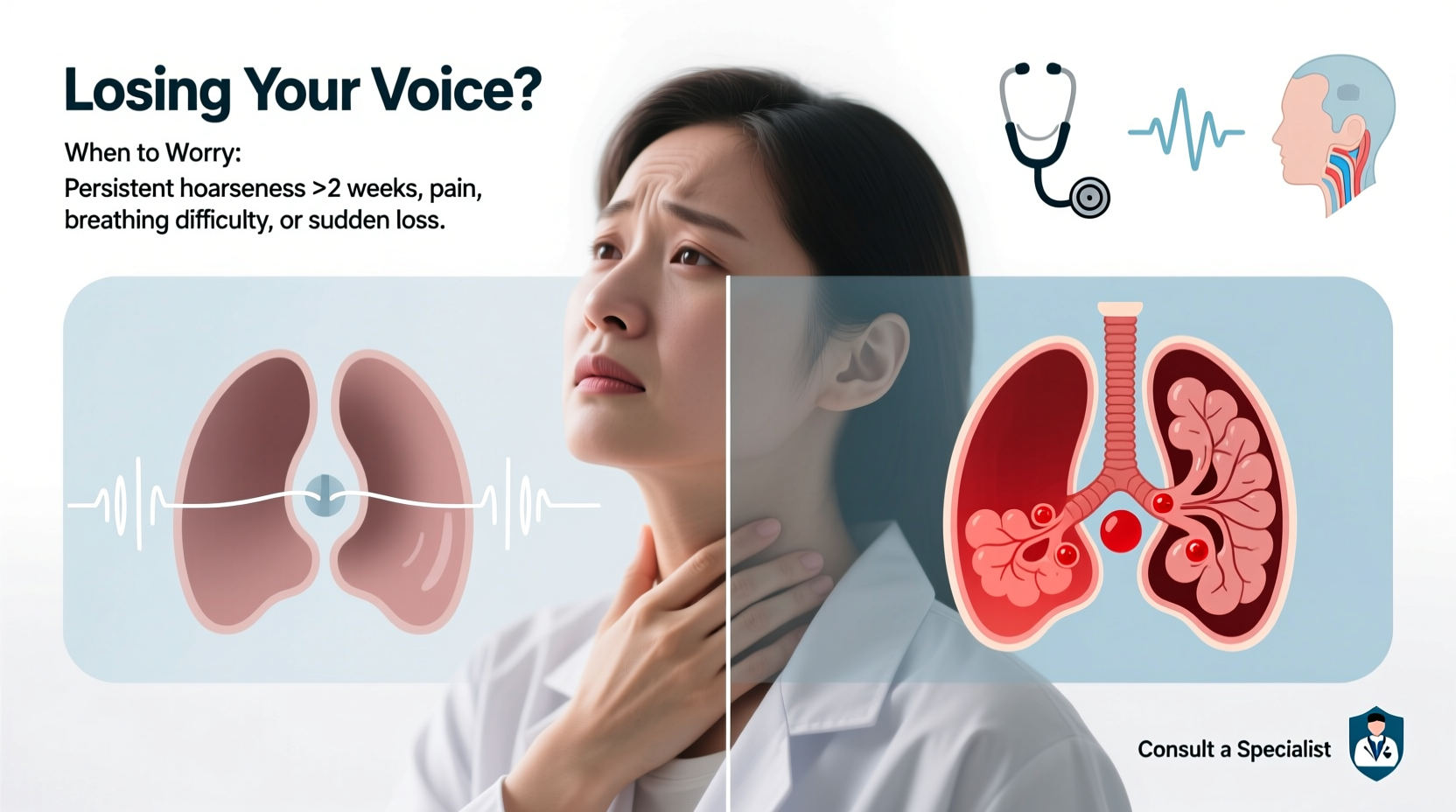
Voice loss typically occurs when the vocal cords become inflamed, swollen, or irritated. The larynx (voice box) houses these delicate tissues, which vibrate to produce sound. When disrupted, your voice may become hoarse, weak, or disappear entirely.
- Viral infections: Most cases stem from upper respiratory infections like the common cold or flu. These cause inflammation in the larynx, leading to acute laryngitis.
- Vocal strain: Shouting, prolonged talking, singing without warm-ups, or speaking over loud environments can fatigue the vocal cords.
- Allergies and postnasal drip: Mucus dripping down the throat irritates the larynx, causing chronic irritation and hoarseness.
- Acid reflux (LPR): Silent reflux, or laryngopharyngeal reflux, brings stomach acid into the throat, especially at night, damaging vocal tissue over time.
- Dehydration: Inadequate fluid intake dries out mucous membranes, impairing vocal cord function.
- Smoking and environmental irritants: Tobacco smoke, pollution, and chemical fumes increase inflammation and cancer risk.
- Nodules, polyps, or cysts: Benign growths on the vocal cords often affect singers or those who use their voices professionally.
- Neurological conditions: Rarely, nerve damage from stroke, Parkinson’s disease, or vocal cord paralysis can lead to voice loss.
Effective Treatments for Recovering Your Voice
Most cases of voice loss resolve within a week or two with conservative care. The goal is to reduce inflammation and allow the vocal cords to heal naturally.
Home Remedies and Lifestyle Adjustments
- Rest your voice: Avoid talking, whispering, or singing. Whispering actually strains the vocal cords more than soft speech.
- Stay hydrated: Drink plenty of water. Warm liquids like herbal teas or broths soothe the throat.
- Use a humidifier: Moist air reduces dryness and irritation, especially in heated or air-conditioned rooms.
- Avoid irritants: Stop smoking, avoid secondhand smoke, and limit exposure to dust or chemicals.
- Gargle with salt water: A simple mix of 1/2 teaspoon salt in warm water helps reduce throat inflammation.
- Treat underlying conditions: Use antihistamines for allergies or acid-reducing medications if reflux is suspected.
“Voice rest isn’t just about silence—it’s about eliminating all forms of vocal stress, including throat clearing and excessive coughing.” — Dr. Lena Torres, Otolaryngologist, Johns Hopkins Medicine
When to Worry: Red Flags That Require Medical Attention
While most voice issues resolve quickly, certain symptoms suggest a more serious problem. Delaying care can lead to permanent damage or mask conditions like cancer.
| Symptom | May Indicate | Action |
|---|---|---|
| Voice loss lasting more than 2–3 weeks | Chronic laryngitis, nodules, or tumors | See an ENT specialist |
| Pain when speaking or swallowing | Bacterial infection or severe inflammation | Seek evaluation; antibiotics may be needed |
| Difficulty breathing or noisy breathing (stridor) | Swelling obstructing airway | Emergency care required |
| History of smoking + persistent hoarseness | Elevated risk of laryngeal cancer | Immediate endoscopic examination |
| Unexplained weight loss with voice changes | Potential malignancy or systemic illness | Full medical workup recommended |
Step-by-Step Guide to Vocal Recovery
If you’ve lost your voice, follow this timeline-based approach to support healing and prevent complications:
- Day 1–2: Immediate Response
- Stop talking as much as possible.
- Drink warm fluids every hour.
- Run a humidifier in your bedroom at night.
- Avoid caffeine and alcohol—they dehydrate.
- Day 3–5: Monitor Progress
- Assess if your voice is improving.
- Begin gentle vocal warm-ups only if pain-free (e.g., humming).
- If you have reflux symptoms, start an over-the-counter proton pump inhibitor (PPI) like omeprazole.
- Day 6–14: Evaluate and Adjust
- If no improvement by day 10, schedule an appointment with an ear, nose, and throat (ENT) doctor.
- Consider a stroboscopy exam if you're a professional voice user.
- Resume speaking gradually—start with short sentences at normal volume.
- After 3 Weeks: Seek Specialized Care
- Persistent hoarseness warrants laryngoscopy to rule out structural issues.
- Speech therapy may be prescribed for muscle tension dysphonia or recovery training.
Mini Case Study: The Teacher Who Lost Her Voice Twice a Year
Sarah, a middle school teacher in Chicago, had been losing her voice every fall and spring for five years. Each episode lasted 10–14 days, disrupting her classes and requiring sick leave. She assumed it was seasonal allergies or colds. After her third visit to an ENT, she underwent a laryngoscopy, which revealed bilateral vocal cord nodules—calluses caused by chronic overuse.
The doctor prescribed four weeks of complete voice rest during summer break, followed by weekly voice therapy sessions. Sarah learned proper breath support, projection techniques, and classroom strategies like using a portable microphone. One year later, she hadn’t lost her voice once. Her case highlights how recurring symptoms, even if “normal” for you, deserve investigation.
Prevention Checklist: Protect Your Voice Long-Term
To minimize future episodes, adopt these habits:
- ✅ Hydrate consistently—aim for 6–8 glasses of water daily.
- ✅ Use amplification (microphones) in large rooms or noisy settings.
- ✅ Practice vocal warm-ups before extended speaking or singing.
- ✅ Manage allergies and reflux proactively.
- ✅ Avoid throat clearing—sip water instead.
- ✅ Quit smoking and limit alcohol consumption.
- ✅ Take vocal naps during long speaking days—15 minutes of silence every few hours.
Frequently Asked Questions
Can losing your voice be a sign of cancer?
Yes, though rare, persistent hoarseness lasting more than three weeks—especially in smokers—can be an early sign of laryngeal cancer. Early detection through laryngoscopy significantly improves outcomes.
Is it worse to whisper when you’ve lost your voice?
Yes. Whispering forces the vocal cords into a strained position and can delay healing. It's better to speak softly or remain silent.
Do I need antibiotics if I’ve lost my voice?
Not usually. Viral infections are the most common cause, and antibiotics don’t work against viruses. They’re only prescribed if a bacterial infection like strep or epiglottitis is confirmed.
Conclusion: Listen to Your Voice—Literally
Your voice is a vital tool for communication, expression, and connection. Temporary voice loss may seem minor, but repeated or prolonged episodes should never be ignored. With proper care, most people recover fully. But knowing when to seek help can mean the difference between a quick recovery and long-term damage. Prioritize hydration, vocal rest, and preventive habits—especially if you rely on your voice for work or passion.
💬 Have you experienced prolonged voice loss? What helped you recover? Share your story in the comments—your insight could help someone find relief faster.








