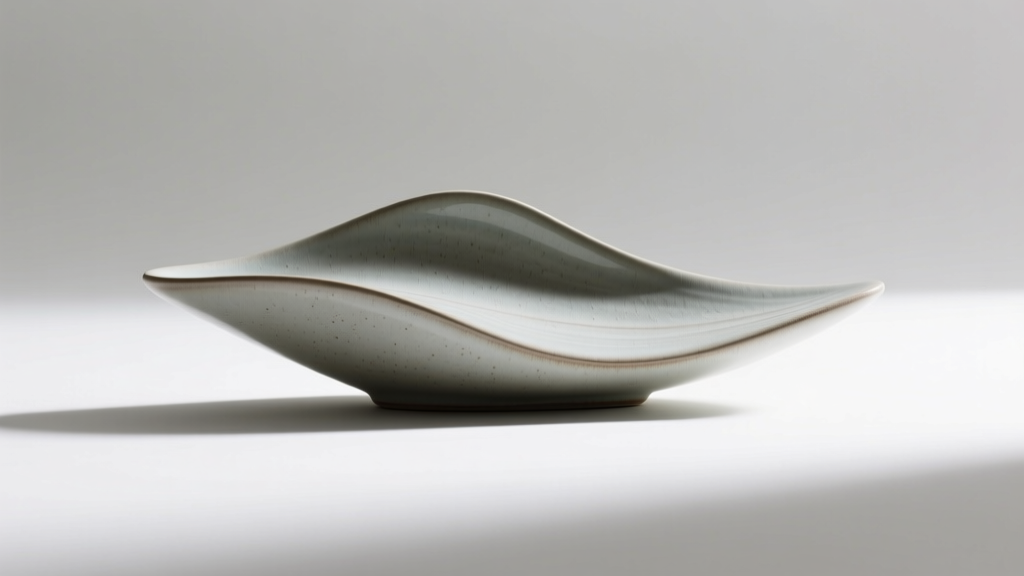
Types of Long Bowls
A long bowl is a stylish and functional serving dish characterized by its elongated oval or rectangular shape, designed to enhance both presentation and practicality. These bowls are ideal for serving a wide variety of dishes—from salads and soups to desserts and fusion cuisine—offering an elegant way to showcase layered, linear, or portioned foods. Their unique shape not only adds visual appeal but also improves portion control and ease of serving at gatherings.
Salad Long Bowls
Designed for tossed greens, chopped vegetables, grain bowls, and composed salads, these bowls provide ample space for mixing and presentation.
Advantages
- Spacious surface for layering ingredients
- Enhances visual presentation of colorful salads
- Versatile for both casual and formal dining
- Available in glass, ceramic, wood, and plastic
Limitations
- Not ideal for liquid-heavy dishes
- Larger size may require more storage space
Best for: Brunch spreads, garden parties, grain bowls, and chef-style salads
Soup Long Bowls
An elegant alternative to round soup bowls, these elongated vessels are perfect for serving bisques, chowders, and broth-based soups in a refined manner.
Advantages
- Contoured shape reduces spillage
- Even heat retention (especially in stoneware)
- Ideal for portioned servings in multi-course meals
- Often decorated for upscale dining settings
Limitations
- Narrower design limits stirring or mixing
- May not fit standard bowl racks in dishwashers
Best for: Fine dining, dinner parties, and serving bisques or seafood chowders
Cereal & Pasta Long Bowls
Deeper and wider than standard bowls, these are built to handle saucy pastas, breakfast cereals with milk, and hearty noodle dishes.
Advantages
- High capacity for liquid and solids
- Durable materials (e.g., dishwasher-safe ceramics)
- Perfect for family-style breakfasts and dinners
- Stackable designs available for easy storage
Limitations
- Heavier than standard bowls
- May be too large for single servings
Best for: Morning cereal, ramen, pasta dishes, and family meals
Dessert Long Bowls
These bowls are crafted to showcase layered or linear desserts, combining elegance with functionality for sweet presentations.
Advantages
- Perfect for tiramisu, parfaits, mousse, and fruit arrangements
- Transparent options (glass/acrylic) highlight dessert layers
- Adds sophistication to dessert courses
- Reusable and eco-friendly compared to disposable cups
Limitations
- Fragile if made from fine china or glass
- May require hand washing
Best for: Dinner parties, weddings, holiday desserts, and gourmet plating
Fusion Cuisine Bowls
A modern innovation blending global culinary traditions, these bowls are designed for dishes that mix cultural influences—like poke bowls, sushi burritos, or Korean-Mexican tacos.
Advantages
- Versatile shape accommodates diverse ingredients
- Stylish designs reflect contemporary food trends
- Available in sustainable materials (e.g., biodegradable composites)
- Ideal for restaurants and home chefs exploring global flavors
Limitations
- May not be suitable for traditional table settings
- Unique shapes can complicate storage
Best for: Trendy eateries, food trucks, home experimentation with international dishes
| Type | Best For | Common Materials | Dining Style | Key Feature |
|---|---|---|---|---|
| Salad Long Bowls | Greens, grain bowls, chopped salads | Wood, ceramic, glass, plastic | Casual to formal | Wide surface for layering |
| Soup Long Bowls | Bisques, chowders, broths | Porcelain, stoneware | Fine dining | Leak-resistant elongated shape |
| Cereal & Pasta Bowls | Pasta, ramen, cereal with milk | Dishwasher-safe ceramic, melamine | Everyday family meals | Deep, high-capacity design |
| Dessert Long Bowls | Parfaits, mousse, tiramisu | Glass, acrylic, fine china | Special occasions | Aesthetic layering visibility |
| Fusion Cuisine Bowls | Poke, sushi burritos, global fusion | Glazed ceramic, biodegradable composites | Modern/trendy | Versatile, multicultural design |
Pro Tip: When selecting long bowls for entertaining, consider nesting or stackable sets to save storage space. For outdoor events, opt for shatter-resistant materials like melamine or acrylic without sacrificing style.
Design of Long Bowls: Functionality, Aesthetics, and Practical Applications
The design of long bowls plays a pivotal role in determining their functionality, visual appeal, and adaptability across various dining and serving environments. Unlike traditional round bowls, long bowls—also known as oval platters or serving troughs—offer a distinctive shape that enhances both presentation and utility. Whether used in formal banquets, casual family meals, or outdoor gatherings, understanding the key design elements ensures optimal selection and use.
Key Design Elements of Long Bowls
Material Choices
The material of a long bowl significantly influences its durability, thermal properties, and overall aesthetic. Each material brings unique benefits tailored to specific uses:
- Porcelain & Bone China: Renowned for their refined appearance and smooth finish, these materials are ideal for formal dining. They are heat-retentive and elegant but require careful handling to avoid chipping.
- Stoneware: Denser and more robust than porcelain, stoneware offers a rustic charm and excellent chip resistance, making it perfect for everyday family meals and farmhouse-style tables.
- Wood (e.g., Acacia, Bamboo): Wooden long bowls add natural warmth and are often used as decorative centerpieces or for serving bread, fruit, and charcuterie. They require gentle cleaning and occasional oiling to maintain longevity.
- Plastic & Melamine: Lightweight and shatterproof, these synthetic materials are excellent for outdoor events, picnics, or children’s settings. Modern melamine designs now mimic ceramic finishes while remaining highly durable.
Shape and Size
The elongated form of long bowls sets them apart from standard round bowls, offering both functional and aesthetic advantages:
Typically designed in oval or rectangular silhouettes, long bowls range from 12 to 30 inches in length and 6+ inches in width. This extended shape allows for elegant food arrangement—ideal for presenting salads, roasted vegetables, pasta dishes, or main entrees like whole fish or chicken.
Depth is another critical factor:
- Deep Long Bowls: Retain saucy or liquid-based dishes (e.g., stews, casseroles) without spillage.
- Shallow Long Bowls: Better suited for dry or semi-moist foods such as fruit platters, antipasto, or baked potatoes.
Their linear design also facilitates easy serving and portion control, especially at buffet-style events.
Color and Patterns
Visual design elements such as color and pattern play a crucial role in setting the tone of a meal or event:
- Neutral Tones (White, Cream, Gray): These classic finishes are staples in formal and minimalist table settings, allowing the food to take center stage.
- Hand-Painted Motifs & Glazes: Artisanal long bowls featuring intricate designs, embossing, or reactive glazes serve as statement pieces, often doubling as decorative art when not in use.
- Vibrant Colors & Modern Prints: Bold hues and contemporary patterns are well-suited for casual dining, holiday feasts, or themed parties, adding energy and personality to the table.
When curated thoughtfully, long bowls can harmonize with tableware, linens, and seasonal décor, enhancing the overall dining experience.
Functionality and Features
Beyond appearance, modern long bowl designs prioritize user convenience and practicality:
- Microwave & Dishwasher Safety: Many ceramic and stoneware long bowls are designed to withstand microwave heating and dishwasher cleaning, aligning with fast-paced, modern lifestyles.
- Handles & Integrated Tools: Some models include side handles for secure carrying, while others feature built-in serving spoons or grooved edges to rest utensils—enhancing ease of use during meals.
- Serving Capacity: Size dictates application. Compact long bowls (12–16") work well for daily family meals, while larger versions (24–30") are perfect for entertaining guests, holiday dinners, or catering events.
Stackability and storage efficiency are also considered in contemporary designs, especially for kitchenware lines aimed at space-conscious users.
| Design Feature | Best For | Recommended Materials |
|---|---|---|
| Formal Presentation | Weddings, banquets, upscale dinners | Porcelain, Bone China, Handcrafted Ceramics |
| Everyday Use | Family meals, weekly cooking | Stoneware, Microwave-Safe Ceramic |
| Outdoor/Casual Events | Picnics, BBQs, kids’ meals | Melamine, Plastic, Wood (sealed) |
| Decorative Display | Centerpieces, shelf décor | Hand-Painted Ceramics, Artisan Wood, Glazed Stoneware |
Important: Always check manufacturer guidelines before using long bowls in microwaves, ovens, or dishwashers—especially for wooden or handcrafted pieces, which may be damaged by high heat or prolonged moisture exposure. Proper care extends the life of your bowls and preserves their beauty across seasons and occasions.
Scenarios for Long Bowls: Beyond Food Serving
Long bowls are elegant and functional pieces of serveware that extend far beyond their traditional role in food presentation. With their elongated shape, balanced proportions, and often decorative craftsmanship, they offer remarkable versatility across various aspects of daily life—from home organization to cultural rituals. Below is a detailed exploration of innovative and practical uses for long bowls outside the kitchen table.
Decorative Use
Long bowls serve as striking decorative accents in both residential and event settings. Their open, spacious design makes them ideal focal points for creative styling.
- Use as elegant centerpieces on dining tables, coffee tables, or console tables when filled with scented potpourri, dried botanicals, or fresh flowers
- Enhance seasonal décor by filling with pinecones, ornaments, or LED candles during holidays
- In weddings or themed parties, style with fabric linings, petals, or themed trinkets to match color schemes and motifs
- Select lightweight or handcrafted ceramic/metal bowls that reflect artistic value without needing functional use
Design Tip: Pair with complementary textures like linen, wood, or glass to elevate visual appeal.
Organizational Purposes
Thanks to their size and open structure, long bowls double as stylish organizers that help declutter living and working spaces.
- In kitchens, store cooking utensils such as spatulas, ladles, chopsticks, or whisks—keeping them accessible and neatly arranged
- On office desks, organize pens, notepads, paperclips, USB drives, and sticky notes to maintain a clean workspace
- In bathrooms, hold hairbrushes, combs, toothbrushes, or skincare tools for a spa-like aesthetic
- Place near entryways to collect keys, wallets, sunglasses, or charging cables—reducing clutter at the door
Pro Tip: Choose durable, easy-to-clean materials like ceramic, stainless steel, or bamboo for high-traffic areas.
Planter Bowls for Indoor Gardening
Long bowls make excellent planters for those seeking a modern, low-maintenance approach to indoor greenery. They are especially suited for small-space living and creative gardening.
- Perfect for growing succulents, air plants, small herbs (like thyme or mint), or decorative moss arrangements
- Offer a sleek alternative to conventional flowerpots, blending seamlessly with contemporary interiors
- Allow for creative landscape design—layer stones, soil, and plants for a mini indoor garden
- Ideal for apartment dwellers or renters who want greenery without permanent installations
Important Note: Since most long bowls lack drainage holes, add a base layer of pebbles or activated charcoal to prevent root rot and ensure proper water management.
Pet Food Serving Solution
The elongated shape of long bowls offers practical advantages for feeding pets, particularly dogs, promoting comfort and minimizing mess.
- Spacious design allows multiple pets to eat side-by-side without crowding during mealtime
- Ideal for large dog breeds that require generous portions of kibble or wet food
- Reduces food spillage compared to round bowls due to higher side walls and extended surface area
- Often made from non-toxic, shatter-resistant, or stainless steel materials that are safe and easy to sanitize
Veterinary Insight: Elevated or extended feeding bowls can support better posture and digestion in larger dogs.
Usage in Rituals and Ceremonies
Across cultures, long bowls hold deep symbolic meaning and are integral to religious and spiritual practices.
- In Hindu traditions, long metal or clay bowls (like thalis) are used in pujas to present offerings of rice, curd, fruits, and sweets to deities
- Some ceremonial bowls feature segmented compartments to keep different prasad items separate and pure
- In Buddhist rituals, long bowls may hold incense, flowers, or water offerings on altars
- Crafted with intricate engravings or spiritual motifs, these bowls reflect reverence and cultural heritage
Cultural Note: Handmade brass or silver long bowls are often passed down through generations as sacred heirlooms.
Additional Creative Applications
Beyond the well-known uses, long bowls inspire innovation in lifestyle and design.
- Bathroom Spa Accessory: Fill with rolled towels, bath salts, or candles for a luxury bathroom display
- Gifting Container: Present curated gift sets (like tea, chocolates, or self-care items) in a long bowl that doubles as part of the gift
- Art Display: Showcase seashells, crystals, or handmade crafts in a gallery-style arrangement
- Event Favors: Use at parties to distribute small gifts or treats to guests in an elegant way
Eco-Friendly Idea: Repurpose old long bowls instead of discarding them—transform into upcycled home décor or planters.
Expert Recommendation: When selecting a long bowl for multi-functional use, consider material durability, ease of cleaning, and aesthetic compatibility with your space. Ceramic and stoneware suit décor and planters, stainless steel excels in pet feeding and organization, while brass or artisanal pieces are best reserved for ceremonial or display purposes. Always assess the bowl’s finish—matte, glossy, or textured—to ensure it complements its intended environment.
| Use Case | Recommended Material | Key Benefit | Lifespan & Care |
|---|---|---|---|
| Home Décor / Centerpiece | Ceramic, Glass, Wood | High visual appeal, customizable | Long-lasting; avoid direct sunlight and impacts |
| Organization & Storage | Stainless Steel, Bamboo, Stoneware | Durable, easy to clean | Years with regular wiping and dry storage |
| Indoor Planter | Glazed Ceramic, Resin | Moisture-resistant, stylish | Maintain drainage layer; re-pot annually |
| Pet Feeding | Stainless Steel, Food-Grade Plastic | Hygienic, non-porous | 2+ years; dishwasher-safe preferred |
| Rituals & Ceremonies | Brass, Silver, Clay | Spiritually significant, traditional | Heirloom quality; polish regularly |
Final Thoughts: Maximizing the Utility of Long Bowls
- Versatility: A single long bowl can transition from dining table to living room décor to pet accessory based on need
- Aesthetic Value: Even when not in active use, long bowls enhance interior design with their form and texture
- Sustainability: Reusing long bowls reduces waste and promotes mindful consumption
- Cultural Significance: In many traditions, these bowls carry symbolic weight, making them meaningful gifts or heirlooms
- Space Efficiency: Their linear shape fits well on narrow shelves, countertops, or mantels where round bowls might not
Specification and Maintenance of Long Bowls: A Complete Guide
Long bowls are versatile and elegant serving pieces that enhance both everyday dining and special occasions. Whether used for salads, pasta, fruit, or desserts, their elongated design offers functional advantages and aesthetic appeal. To ensure your long bowls remain in excellent condition, perform optimally, and last for years, it’s essential to understand their material specifications and follow proper care and maintenance routines. This guide provides detailed insights into selecting the right long bowl and preserving its quality through appropriate handling, cleaning, and storage.
Important Note: Always refer to the manufacturer’s care instructions before cleaning or using your long bowl, especially if it’s handcrafted or part of a premium dinnerware set. Improper handling can lead to irreversible damage, particularly with delicate materials like wood or hand-blown glass.
Key Specifications to Consider When Purchasing Long Bowls
Choosing the right long bowl involves more than just aesthetics—it requires understanding material properties, size requirements, and functional compatibility with your lifestyle. Here are the most important factors to consider:
- Material Type: Long bowls are commonly made from ceramic, glass, wood, or plastic, each offering distinct benefits:
- Ceramic/Porcelain: Durable, heat-resistant, and ideal for serving hot or cold dishes. Often microwave and dishwasher safe.
- Glass: Elegant and transparent, perfect for showcasing colorful dishes. Resistant to staining but more fragile.
- Wood: Natural and warm in appearance; excellent for salads and breads. Not suitable for liquids or high heat.
- Plastic: Lightweight and shatterproof, great for outdoor use or children’s meals. May discolor over time.
- Dimensions and Capacity: Measure the intended space and consider typical usage. A standard long bowl ranges from 12 to 18 inches in length. Larger sizes (16–18") are ideal for family-style serving, while smaller ones (10–14") work well for individual portions or desserts.
- Functional Features: Check for microwave, oven, and dishwasher safety. Look for lead-free glazes in ceramic bowls and BPA-free certification in plastic variants.
- Ergonomic Design: Opt for bowls with gently curved edges and balanced weight distribution for easier handling, especially when serving heavy dishes.
Maintenance Guidelines by Material
Proper care varies significantly depending on the material. Following these guidelines will help maintain the appearance and integrity of your long bowls:
| Material | Cleaning Method | Special Care Instructions | Avoid |
|---|---|---|---|
| Ceramic & Porcelain | Wash with warm soapy water or in the dishwasher (top rack recommended) | Use non-abrasive sponges to prevent scratching glaze | Sudden temperature changes (e.g., hot bowl placed in cold water) |
| Wood | Hand wash with mild soap and dry immediately | Apply food-grade mineral oil every 4–6 weeks to prevent drying and cracking | Soaking, dishwasher use, or prolonged exposure to water |
| Glass | Dishwasher safe or hand wash with gentle cleaner | Use a baking soda and water paste to remove stubborn stains and restore clarity | Stacking without protection; impact with hard surfaces |
| Plastic | Wash with mild detergent and warm water | Store away from direct sunlight to prevent UV degradation | High heat (microwave only if labeled safe), abrasive scrubbers |
Preventive Measures to Avoid Damage
Long bowls, especially those made from delicate materials, require careful handling to prevent chipping, cracking, or warping. Follow these best practices to extend their lifespan:
- Handle with Care: Always place bowls gently on surfaces. Avoid knocking them against countertops, sinks, or other dishes.
- Use Appropriate Utensils: Avoid metal serving tools on ceramic, glass, or wooden bowls, as they can cause scratches or dents. Opt for wooden, silicone, or plastic utensils instead.
- Safe Storage: Store long bowls in a dry cabinet with ample space. If stacking is necessary, place a soft cloth or felt liner between pieces to prevent abrasion.
- Temperature Management: Do not transfer a cold ceramic or glass bowl directly into a hot oven or microwave. Allow it to reach room temperature first to prevent thermal shock.
- Regular Inspection: Periodically check for hairline cracks, warping, or signs of wear—especially in wooden bowls, where dryness can lead to splitting.
Expert Tip: For wooden long bowls, recondition them twice a year with mineral oil. Apply a thin layer, let it soak for 1–2 hours, then wipe off excess. This restores luster and creates a protective barrier against moisture absorption.
Additional Longevity Tips
- Label your bowls by material type if storing multiple kinds together for quick identification.
- Avoid using abrasive cleaners like steel wool or harsh chemical degreasers on any long bowl.
- For decorative or hand-painted bowls, hand washing is always recommended to preserve the finish.
- Rotate usage if you own multiple long bowls to ensure even wear and prevent overuse of a single piece.
- Consider using bowl stands or trivets when serving hot dishes to protect both the bowl and table surface.
By selecting the right long bowl for your needs and following proper maintenance practices, you can enjoy both the beauty and functionality of these serving essentials for years to come. Whether you're hosting a dinner party or enjoying a quiet meal at home, a well-maintained long bowl adds elegance and convenience to your dining experience. When in doubt about care methods, always consult the manufacturer’s guidelines to ensure safe and effective use.
Long Bowls: Frequently Asked Questions
Q. Are long bowls microwave safe?A: Not all long bowls are suitable for microwave use. The safety of a long bowl in the microwave depends heavily on its material composition. Here’s a breakdown by common materials:
- Plastic Long Bowls: Only use those clearly labeled “microwave-safe.” Avoid plastics with recycling codes 3 (PVC) or 6 (polystyrene), as they can release harmful chemicals when heated.
- Metal Long Bowls: Never microwave metal bowls—they can cause sparking, damage the appliance, or create fire hazards.
- Ceramic & Glass Bowls: Generally microwave-safe if labeled as such. Be cautious with bowls that have metallic paint or trim, which can also cause arcing.
- Silicone Bowls: Most are microwave-safe and flexible, making them ideal for heating and storage.
Pro Tip: When in doubt, perform a simple test—place the empty bowl in the microwave next to a microwave-safe cup of water. Heat on high for one minute. If the bowl stays cool, it's likely safe. If it becomes warm, it absorbs microwave energy and may not be suitable for prolonged heating.
Q. How can long bowls enhance kitchen organization?A: Long bowls are not just serving dishes—they’re versatile organizational tools that can transform your kitchen’s functionality and aesthetic. Their elongated shape makes them ideal for:
- Utensil Storage: Keep frequently used cooking tools like wooden spoons, spatulas, ladles, and whisks neatly arranged on the countertop, reducing drawer clutter.
- Produce Display: Use them as stylish fruit baskets for apples, bananas, or citrus, combining practicality with decor.
- Pantry Organization: Store dry goods like breadsticks, baguettes, or wrapped snacks in a long bowl to keep them visible and accessible.
- Dining Table Utility: Serve bread, appetizers, or side dishes in an elegant, space-efficient way during meals.
Available in materials like ceramic, bamboo, or woven fibers, long bowls add texture and warmth to kitchen spaces while promoting a clutter-free environment. Their open design encourages mindful organization and easy access.
Q. How to make a long bowl centerpiece?A: A long bowl makes a stunning and flexible centerpiece for dining tables, mantels, or entryway consoles. Follow these steps to create an eye-catching display:
- Choose a Theme: Match the centerpiece to the season or occasion—spring flowers, autumn leaves, holiday ornaments, or summer citrus.
- Select Filler Items: Use fresh or artificial flowers, candles (votive or pillar), pinecones, seashells, or decorative stones for texture and height variation.
- Coordinate Colors: Pick a palette that complements your room’s decor—soft pastels for spring, warm reds and golds for winter, or vibrant greens and yellows for summer.
- Layer Elements: Combine different materials—e.g., place floating candles in water with rose petals, or arrange lemons and eucalyptus sprigs for a fresh look.
- Vary Heights: Use multiple long bowls of different sizes or elevate one with a tray or riser to add dimension.
Design Tip: For dinner parties, avoid tall arrangements that block guests’ views. A low-profile centerpiece enhances conversation and elegance.
Q. How to prepare and preserve a wooden long bowl?A: Wooden long bowls add natural beauty to any space, but they require special care to maintain their appearance and longevity. Improper maintenance can lead to cracking, warping, or bacterial growth. Follow these preservation guidelines:
- Hand Wash Only: Never soak or place wooden bowls in the dishwasher. Use a damp cloth with mild soap, then rinse quickly and dry immediately with a soft towel.
- Oil Regularly: Every 4–6 weeks (or when the wood looks dry), apply food-grade mineral oil or a beeswax conditioner. Let it soak in for several hours, then wipe off excess.
- Avoid Moisture Buildup: Don’t store wet items in the bowl or leave it near the sink. Prolonged exposure to water weakens the wood fibers.
- Keep Out of Direct Sunlight: UV rays can fade the finish and dry out the wood, leading to cracks over time.
- Rotate Usage: If you have multiple wooden bowls, rotate them to ensure even wear and drying.
With proper care, a high-quality wooden long bowl can last for years and develop a rich patina that enhances its charm.
Q. Are long bowls suitable for formal dining?A: Absolutely—long bowls can elevate formal dining experiences when selected and styled appropriately. Their sleek, elongated design offers a modern yet timeless appeal that complements elegant table settings. Consider the following for formal use:
- Material Choice: Opt for premium materials like fine porcelain, hand-blown glass, or polished stoneware. These convey sophistication and enhance food presentation.
- Color & Finish: Neutral tones (white, ivory, charcoal) or metallic accents (gold-rimmed edges) pair well with formal tableware and linens.
- Food Presentation: Use long bowls for beautifully arranged dishes such as caprese salads, roasted vegetables, sushi platters, or gourmet desserts. The shape allows for artistic layering and symmetry.
- Table Coordination: Match the bowl’s style with your centerpiece and dinnerware for a cohesive, curated look.
When used thoughtfully, long bowls serve as both functional serving pieces and decorative elements that impress guests and enhance the overall dining ambiance.









