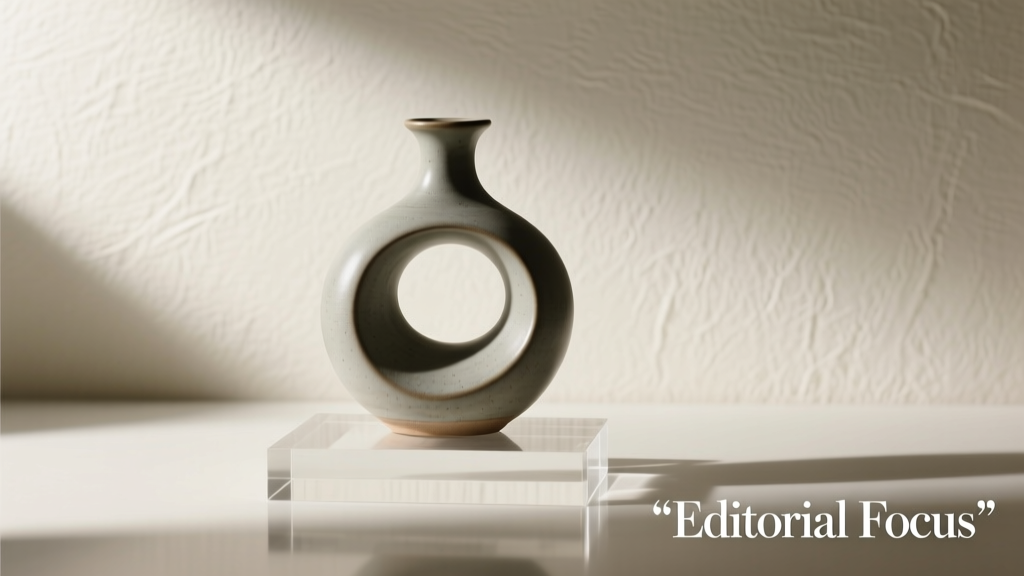
Types of Long Boat-Shaped Bowls
A long boat-shaped bowl is a uniquely designed kitchen and home accessory that combines functionality with aesthetic appeal. Its elongated, curved form—resembling a small boat—makes it ideal for a variety of uses, from food presentation to home décor. These bowls are commonly crafted from ceramic, wood, glass, or stoneware, and their shape offers both practical and visual advantages in different settings.
Serving Bowl
Boat-shaped bowls are excellent as serving dishes for a variety of foods, including salads, pastas, cold cuts, and appetizers.
Advantages
- Generous surface area for easy serving
- Slightly curved sides prevent food from sliding off
- Elegant presentation for buffets and dinner parties
- Versatile for both hot and cold dishes
Considerations
- May require more space on the table
- Not ideal for soups or liquids without a liner
- Longer shape may not fit standard cabinets
Best for: Family gatherings, dinner parties, buffet-style meals
Fruit Bowl
A boat-shaped fruit bowl is specially designed to hold a variety of fruits in an organized and attractive manner.
Advantages
- Promotes air circulation, helping fruits stay fresh longer
- Accommodates multiple fruit types in a neat row
- Prevents overcrowding and bruising of produce
- Adds a natural, organic look to kitchen counters
Considerations
- Requires regular cleaning to avoid residue buildup
- Open design exposes fruit to pests if not monitored
- Larger fruits may roll if the curve is too shallow
Best for: kitchens, breakfast nooks, healthy living spaces
Salad Bowl
Designed specifically for tossing and serving salads, these bowls often feature a rustic or artisanal design that enhances the dining experience.
Advantages
- Ample space for mixing ingredients without spillage
- Deep sides help contain dressing and toppings
- Often made from natural materials like ceramic or wood
- Enhances the visual appeal of fresh, colorful salads
Considerations
- Wooden versions require oiling to prevent drying
- Heavy materials may be less convenient for daily use
- May not be dishwasher-safe depending on material
Best for: fresh salads, farm-to-table dining, rustic kitchen themes
Decorative Bowl
Used primarily for aesthetic purposes, decorative boat-shaped bowls enhance interior design and serve as stylish centerpieces.
Advantages
- Unique shape draws attention and sparks conversation
- Perfect for displaying potpourri, candles, or seasonal décor
- Can be used on coffee tables, shelves, or entryway consoles
- Available in a wide range of colors, finishes, and textures
Considerations
- May collect dust if used for display only
- Not always functional for food use
- Delicate materials may be prone to chipping or breakage
Best for: home décor, seasonal styling, gift displays
| Type | Primary Use | Material Commonly Used | Key Benefit | Ideal Setting |
|---|---|---|---|---|
| Serving Bowl | Food presentation | Ceramic, Glass, Stoneware | Large capacity and elegant shape | Dining room, buffet tables |
| Fruit Bowl | Storing fresh fruit | Wood, Ceramic, Wicker | Improved air circulation | Kitchen countertops, breakfast areas |
| Salad Bowl | Mixing and serving salads | Wood, Ceramic, Bamboo | Functional depth and rustic charm | Kitchen, dining table |
| Decorative Bowl | Home décor accent | Metal, Resin, Glazed Ceramic | Eye-catching design element | Living room, entryway, shelves |
Design Tip: When using a boat-shaped bowl for décor, consider seasonal themes—fill it with pinecones and evergreen sprigs in winter, or seashells and sand in summer for a dynamic, evolving centerpiece.
Design of Long Boat-Shaped Bowl: Aesthetic, Functionality, and Material Insights
The long boat-shaped bowl is a distinctive and versatile piece of tableware and décor, celebrated for its elegant silhouette and functional design. Its elongated, vessel-like form draws inspiration from traditional boats, offering both visual appeal and practical utility. Understanding the intricacies of its design—particularly the choice of materials, shape characteristics, and sizing options—is essential for selecting the perfect bowl for dining, presentation, or decorative purposes.
Material: The Foundation of Style and Durability
The material used in crafting a long boat-shaped bowl significantly influences its appearance, weight, durability, and maintenance. Each material brings a unique aesthetic and functional advantage, making it suitable for different environments and uses—from casual dining to upscale table settings or home décor.
Wood
Wooden boat-shaped bowls exude a natural, warm, and rustic charm, making them ideal for farmhouse, cottage, or organic-style interiors. Crafted from hardwoods like oak, maple, walnut, or teak, these bowls highlight the beauty of natural grain patterns, ensuring that each piece is one-of-a-kind.
Wood is often treated with food-safe oils or sealants to enhance durability and resistance to moisture, making it suitable for serving fruits, bread, or salads. However, wooden bowls require gentle hand washing and occasional re-oiling to prevent drying and cracking.
Ceramic
Ceramic long boat bowls are among the most popular due to their versatility and artistic potential. Made from molded clay and fired at high temperatures, ceramics can be shaped with precision to achieve the signature boat-like curvature.
These bowls are often glazed, allowing for a wide range of finishes—from matte and earthy to glossy and vibrant. Glazes can incorporate intricate patterns, hand-painted details, or modern abstract designs, making ceramic bowls excellent centerpieces for dining tables or kitchen shelves.
Glass
Glass boat-shaped bowls offer a sleek, contemporary aesthetic that enhances modern and minimalist interiors. Their transparency allows the contents to be fully visible, making them ideal for showcasing colorful fruits, desserts, or decorative items like candles and pebbles.
Available in clear, tinted, frosted, or textured finishes, glass bowls can feature undulating waves, ribbed surfaces, or smooth curves that mimic water movement. Tempered glass options provide added strength and safety, making them suitable for both daily use and special occasions.
Metal
Metal bowls—crafted from stainless steel, aluminum, or brushed nickel—deliver a polished, industrial, or ultra-modern look. These materials are highly durable, resistant to corrosion, and easy to clean, making them practical for high-traffic kitchens or outdoor entertaining.
While less common for direct food serving due to temperature conductivity, metal boat bowls are frequently used as decorative trays for floral arrangements, potpourri, or as outer vessels for glass inserts. Their reflective surfaces add a touch of sophistication and light to any space.
Shape: Form Meets Function
The defining feature of a long boat-shaped bowl is its elongated, curved silhouette that mimics the hull of a boat. This shape is not only visually striking but also highly functional, offering a unique way to present food and décor while maximizing space efficiency on tables and countertops.
Length
The extended length of the bowl allows for linear arrangement of items, making it perfect for serving elongated foods like breadsticks, spring rolls, or fruit skewers. It also provides ample space for heaping salads, pasta, or appetizers in an organized, visually appealing line.
This makes the long boat bowl a favorite for buffet-style presentations, dinner parties, or charcuterie boards, where aesthetics and accessibility are equally important.
Width
Despite their length, boat-shaped bowls are typically narrow in width, resembling the slim profile of a real boat. This design conserves table space while still offering generous surface area for display.
The narrow width makes it easy to place the bowl down the center of a dining table as a centerpiece or along a kitchen island without obstructing conversation or movement. It strikes a balance between presence and practicality.
Edge Design
The rim or edge of the bowl plays a crucial role in both safety and style. Common edge types include:
- Rounded Edges: Smooth and soft to the touch, ideal for households with children or for serving foods that require scooping.
- Flared Edges: Slightly upturned rims that add elegance and help contain liquids or loose ingredients like grains and berries.
- Straight/Sharp Edges: Clean, modern lines that enhance a minimalist aesthetic but may be less comfortable for handling.
The edge design influences not only the bowl’s look but also its usability in different settings—from casual family meals to formal events.
Size: Choosing the Right Proportion
Long boat-shaped bowls come in a wide range of sizes, each suited to different purposes and spaces. Selecting the appropriate size depends on intended use, available storage, and desired visual impact.
| Size Category | Typical Dimensions | Best Uses |
|---|---|---|
| Small (Mini) | 6–10 inches long | Individual servings, dips, condiments, or decorative accents on shelves |
| Medium | 12–18 inches long | Family meals, fruit displays, bread baskets, or centerpiece arrangements |
| Large (Statement) | 20–36+ inches long | Buffet tables, wedding centerpieces, large salads, or dramatic home décor |
Smaller bowls are practical for everyday use and compact kitchens, while larger sizes make bold visual statements and are often used in hospitality or event settings. When choosing a size, consider both functional needs and aesthetic harmony with your dining or living space.
Note: Always consider the context in which the bowl will be used—whether for food service, decoration, or both. Avoid placing wooden or unsealed ceramic bowls in dishwashers, and ensure glass or metal bowls are suitable for the temperatures they may encounter. Proper care extends the life and beauty of your long boat-shaped bowl, preserving its design integrity for years to come.
Scenarios of Long Boat-Shaped Bowls
Long boat-shaped bowls are a versatile and elegant addition to both functional and decorative spaces. Their unique elongated form combines aesthetic appeal with practical utility, making them suitable for a wide range of applications—from dining and gifting to interior design and commercial display. Thoughtfully designed, these bowls blend seamlessly into everyday life while enhancing the visual experience.
Dining and Entertaining
These bowls shine in culinary settings, where their shape and size support both presentation and practicality. Ideal for gatherings, they serve as centerpieces that encourage sharing and interaction.
- Serving Salads & Pastas: The extended shape allows even distribution of ingredients and easy access for guests from both ends.
- Family-Style Meals: Perfect for sharing dishes like roasted vegetables, grain bowls, or antipasto platters at dinner parties.
- Dessert Presentation: Smaller versions elegantly hold fruit medleys, mousses, or mini pastries for individual or shared servings.
- Bread & Appetizer Display: Use to present warm bread, crackers, or charcuterie items with visual flair.
Pro Tip: Pair with matching serving utensils or ladles to enhance usability and presentation.
Home Décor
Beyond utility, long boat-shaped bowls double as stylish decorative accents that elevate the ambiance of any room.
- Centerpiece Base: Fill with seasonal flowers, greenery, or floating candles for an eye-catching table display.
- Entryway Styling: Place in entry halls with decorative stones, pinecones, or scented soaps to welcome guests.
- Bathroom Elegance: Use in powder rooms to hold folded towels, bath salts, or aromatic reed diffusers.
- Shelf Accent: Add dimension to bookshelves or mantels with curated arrangements of shells, crystals, or dried botanicals.
Design Insight: Choose materials like ceramic, wood, or metallic finishes to match your interior theme—matte for modern, glossy for traditional.
Gift Giving
A long boat-shaped bowl makes a thoughtful, multi-functional gift that conveys both elegance and practicality.
- Personalized Touch: Engrave with names, dates, or messages for weddings, anniversaries, or housewarmings.
- Gift Baskets: Fill with gourmet chocolates, dried fruits, nuts, or artisanal teas for a luxurious treat.
- Spa-Themed Gifts: Layer with bath bombs, candles, and loofahs for a relaxing self-care package.
- Seasonal Gifting: Style with holiday ornaments, mini pumpkins, or Easter eggs depending on the occasion.
Presentation Tip: Wrap in clear cellophane with a satin ribbon to showcase the contents and form.
Retail and Commercial Use
Businesses leverage these bowls for both functional service and visual merchandising, enhancing customer experience.
- Restaurants & Cafés: Serve signature salads, tapas, or bread baskets with upscale presentation.
- Hotel Amenities: Display welcome fruits, chocolates, or amenities in guest rooms or lobbies.
- Retail Displays: Showcase jewelry, cosmetics, or small accessories in boutiques and gift shops.
- Pop-Up Events: Use in markets or exhibitions to draw attention to featured products.
Business Advantage: Durable, stylish bowls reinforce brand image and encourage social sharing.
Events and Celebrations
These bowls are a favorite in event planning due to their dual role as decor and functional vessels.
- Wedding Centerpieces: Float candles with rose petals or orchids for romantic table settings.
- Birthday Parties: Fill with candy, balloons, or themed props for photo backdrops.
- Corporate Galas: Use as elegant displays for name cards, favors, or floral arrangements.
- Seasonal Decor: Style with cranberries and evergreens for winter, or citrus and herbs for summer.
Event Pro Tip: Opt for lightweight, break-resistant materials for outdoor or high-traffic events.
Material & Style Guide
Selecting the right material enhances both function and aesthetics across different uses.
| Material | Best For | Pros | Considerations |
|---|---|---|---|
| Ceramic | Dining, Gifting | Durable, elegant, dishwasher-safe | Fragile if dropped |
| Wood (Teak/Bamboo) | Home Décor, Serving | Natural look, eco-friendly | Hand wash only, avoid moisture |
| Stainless Steel | Commercial, Events | Hygienic, durable, modern | Can show fingerprints |
| Resin/Glass | Decor, Lighting | Translucent, great for candles | Less heat-resistant |
Expert Recommendation: When selecting a long boat-shaped bowl, consider the primary use case—choose food-safe, easy-to-clean materials for dining, and focus on visual impact for decorative or gifting purposes. For maximum versatility, invest in a neutral-toned ceramic or wood bowl that transitions seamlessly from kitchen to living space. Pair with coordinating accessories to create a cohesive, stylish presentation.
Additional Tips for Optimal Use
- Size Selection: Choose larger bowls (16"+) for centerpieces and serving; smaller (8–12") for side dishes or décor accents.
- Mixing Textures: Combine smooth and textured bowls to add depth to tablescapes or shelves.
- Seasonal Rotation: Refresh your décor by changing bowl contents with the seasons—spring florals, summer citrus, fall pumpkins, winter evergreens.
- Eco-Friendly Options: Opt for sustainably sourced wood or recycled glass to support environmental values.
- Storage: Nest smaller bowls or store flat with padding to prevent chipping or warping.
Specification & Maintenance of Long Boat-Shaped Bowls
Long boat-shaped bowls are not only functional but often serve as elegant decorative pieces in homes and dining spaces. Their unique design, inspired by traditional boat forms, makes them ideal for serving salads, fruits, or ceremonial foods. However, to preserve their beauty and longevity, it's essential to understand their specifications and follow proper maintenance practices. This guide provides comprehensive insights into selecting the right bowl and caring for it based on material, size, and usage.
Important Note: Always verify the food safety and structural integrity of your long boat-shaped bowl before use. Using non-food-safe materials or damaged bowls can lead to health risks or irreversible damage.
Specifications: Choosing the Right Long Boat-Shaped Bowl
When selecting a long boat-shaped bowl, several key factors should be considered to ensure it meets your functional and aesthetic needs. These include size, weight, and material compatibility with food.
- Size Guidelines
Long boat-shaped bowls are available in a wide range of sizes, from compact 8-inch models suitable for individual servings to large 24-inch+ versions ideal for buffets or centerpieces. The choice of size should align with both your intended use and available space.
A larger bowl is excellent for entertaining guests or serving family-style meals, while smaller bowls are perfect for personal use or limited countertop areas. Additionally, thickness plays a crucial role in durability—opt for bowls with consistent, moderate-to-thick walls, especially if used frequently. Thicker ceramics or woods resist chipping and cracking better than thin, delicate versions.
- Weight Considerations
The weight of the bowl varies significantly depending on the material. Ceramic and stone-based bowls tend to be heavier, offering excellent stability on tables and reducing the risk of accidental tipping. Metal bowls, particularly those made from cast iron or solid brass, are also heavy and durable but may require special care to prevent corrosion.
Lighter bowls made from thin glass or certain composite materials are easier to handle but may be more prone to sliding or knocking over during use. For households with children or in high-traffic areas, a heavier, more stable bowl is often the safer choice.
- Food Compatibility and Material Safety
Material selection directly impacts food safety. Common materials include wood, ceramic, glass, stainless steel, and other metals. Each has distinct advantages and limitations:
- Wood: Naturally antimicrobial when properly sealed, but must be treated regularly to prevent drying and cracking.
- Ceramic/Glass: Non-porous and generally food-safe when glazed with lead-free finishes. Avoid bowls with cracked glazes, as they can harbor bacteria.
- Metal: Only food-grade stainless steel or coated metals should be used for food. Avoid copper, aluminum, or uncoated iron unless explicitly labeled as food-safe, as they can leach harmful substances into acidic foods.
Always check manufacturer labels or certifications to confirm food safety, especially for imported or artisanal pieces.
Maintenance: Caring for Your Long Boat-Shaped Bowl
Proper maintenance extends the life of your bowl and preserves its appearance. Care routines vary significantly by material, so identifying your bowl’s composition is the first step toward effective upkeep.
- Cleaning Guidelines by Material
- Wooden Bowls: Clean with a damp cloth and mild soap. Never submerge in water or place in a dishwasher, as prolonged moisture exposure causes warping, swelling, or cracking. Dry immediately after cleaning.
- Ceramic & Glass Bowls: Most are dishwasher-safe, but only if they are free of delicate finishes, cracks, or hand-painted details. Hand washing is recommended for antique or decorative pieces to prevent glaze erosion.
- Metal Bowls: Wash with warm, soapy water and dry thoroughly. Avoid abrasive scrubbers that can scratch polished surfaces. For stainless steel, use a vinegar-water solution to remove water spots.
- Storage Best Practices
To prevent scratches, chips, and structural stress, avoid stacking long boat-shaped bowls directly on top of one another. Their elongated, curved shape makes them particularly vulnerable to edge damage.
If stacking is necessary, place soft padding—such as felt liners, microfiber cloths, or silicone mats—between each bowl. Store in a dry, temperature-stable cabinet away from direct sunlight, which can fade finishes or dry out wood.
- Material-Specific Maintenance
- Wood: Replenish natural oils every 1–2 months using food-grade mineral oil or a dedicated wood bowl conditioner. Apply a thin coat, let it absorb for 1–2 hours, then wipe off excess. This prevents drying and enhances luster.
- Glazed Ceramics & Glass: Handle with care to avoid chipping. Avoid sudden temperature changes (e.g., moving from refrigerator to oven), which can cause thermal shock and cracking.
- Metal: Prevent rust by ensuring complete drying after washing. For non-stainless metals, apply a light coat of food-safe oil if used for food storage. Polish occasionally to maintain shine.
- Repair and Restoration
- Wooden Bowls: Minor scratches or surface roughness can be sanded gently with fine-grit sandpaper (400+ grit), followed by re-oiling. Deep cracks may require professional restoration.
- Ceramic or Glass: Small chips can sometimes be repaired with food-safe epoxy or specialized ceramic adhesives. For aesthetic restoration, consider professional touch-up services. Avoid using damaged bowls for food if the repair compromises hygiene.
- Metal Bowls: Significant dents or cracks may require welding. Only a qualified professional should perform repairs on food-contact metal surfaces to ensure safety and structural integrity.
| Material | Cleaning Method | Storage Tips | Maintenance Frequency |
|---|---|---|---|
| Wood | Damp cloth, no soaking | Use padded separators; avoid humidity | Oil every 1–2 months |
| Ceramic | Dishwasher-safe (if labeled); otherwise hand wash | Store with soft liners; avoid stacking | Inspect for cracks monthly |
| Glass | Hand wash or dishwasher (heat-sensitive) | Keep in secure cabinet; avoid edge pressure | Check for chips after each use |
| Stainless Steel | Soap, water, dry immediately | Store dry; avoid contact with other metals | Polish every 2–3 months |
| Other Metals (e.g., copper, brass) | Hand wash, dry thoroughly | Store in dry, low-humidity area | Treat with protective coating as needed |
Expert Tip: Label your bowls with discreet tags indicating material type and care instructions. This is especially helpful in households with multiple serving pieces or when passing them down through generations.
Additional Care Recommendations
- Rotate usage among multiple bowls to reduce wear on any single piece.
- Avoid using sharp utensils in delicate bowls to prevent surface scratches.
- Keep wooden bowls away from dishwashers, ovens, and microwaves.
- Inspect bowls regularly for signs of wear, mold (in wood), or metal corrosion.
- For valuable or antique bowls, consult a conservator before attempting repairs.
By understanding the specifications and committing to proper maintenance, your long boat-shaped bowl can remain a beautiful and functional centerpiece for years to come. Whether used daily or reserved for special occasions, thoughtful care ensures both safety and longevity. When in doubt about material safety or repair methods, always seek advice from a specialist or the manufacturer.
Frequently Asked Questions About Long Boat Shaped Bowls
Q1: What is a long boat shaped bowl used for?A long boat shaped bowl—named for its elegant, elongated design resembling a traditional canoe or boat—is a versatile serving and decorative piece. Its unique shape makes it ideal for both functional and aesthetic purposes:
- Serving Dishes: Perfect for presenting salads, cold pasta, fruit medleys, appetizers, or seafood platters at gatherings and dinner parties.
- Fruit Display: Acts as a stylish fruit bowl on kitchen counters or dining tables, combining utility with visual appeal.
- Centerpiece Decor: Can be filled with fresh or artificial flowers, candles, pinecones, or seasonal decorations to enhance table settings.
- Home Décor: Even when empty, these bowls make attractive display pieces on shelves, mantels, or coffee tables, adding a nautical or rustic charm to interiors.
Available in various materials such as wood, ceramic, metal, and glass, the long boat bowl blends form and function across different home and event settings.
Q2: How does one care for a wooden long boat bowl?Proper care is essential to preserve the beauty and longevity of a wooden long boat bowl. Wood is a natural material that requires gentle maintenance to prevent cracking, warping, or drying:
- Cleaning: Wipe the bowl with a slightly damp (not wet) cloth after use. Avoid soaking or submerging in water, as this can cause swelling or splitting.
- Drying: Always dry immediately with a soft towel and let it air-dry completely before storage.
- Oiling: Regularly treat the bowl with food-safe mineral oil or a beeswax-based wood conditioner (every 4–6 weeks with frequent use). This helps retain moisture and prevents the wood from drying out.
- Avoid Heat & Sunlight: Keep the bowl away from direct sunlight, radiators, or stovetops to prevent fading and cracking.
- No Dishwasher Use: Never place a wooden bowl in the dishwasher—high heat and prolonged moisture will damage the wood fibers.
With consistent care, a high-quality wooden long boat bowl can last for years and develop a rich, natural patina over time.
Q3: Are long boat bowls dishwasher safe?The dishwasher safety of a long boat shaped bowl depends entirely on its material:
| Material | Dishwasher Safe? | Care Instructions |
|---|---|---|
| Wood | No | Hand wash only with a damp cloth; condition regularly with mineral oil. |
| Ceramic | Yes (if labeled dishwasher-safe) | Generally safe, but avoid sudden temperature changes to prevent cracking. |
| Glass | Yes (if tempered or labeled safe) | Resistant to heat and moisture; suitable for dishwasher use. |
| Metal (Stainless Steel, Aluminum) | Generally yes, but hand washing recommended | May discolor or lose finish over time; hand wash for longevity. |
| Plastic | Sometimes (check manufacturer label) | Can warp under high heat; hand wash if unsure. |
When in doubt, always refer to the manufacturer’s care instructions. However, hand washing is often the safest method to extend the life of any long boat bowl, regardless of material.
Q4: How to prevent a long boat bowl from breaking?While long boat bowls are designed for durability, they can still be damaged if mishandled. Preventing breakage involves proper handling, storage, and material awareness:
- Avoid Drops & Impacts: Never drop the bowl or let it collide with hard surfaces. Even sturdy materials like ceramic or glass can crack or shatter from a fall.
- Use on Stable Surfaces: Place the bowl on flat, even tables or countertops to prevent tipping or rolling.
- Store Safely: Keep in a dry cabinet or shelf where it won’t be knocked over. If stacking, use soft liners or cloths to prevent scratches and pressure damage.
- Material Considerations:
- Wood: Susceptible to drying and cracking—maintain moisture with oil.
- Ceramic/Glass: Fragile to thermal shock—avoid sudden temperature changes (e.g., hot food in a cold bowl).
- Metal: Durable but can dent; avoid heavy objects inside or stacking with force.
- Handle with Care: Always lift the bowl with both hands, supporting the base and sides, especially when full.
With mindful use and proper storage, your long boat bowl can remain a functional and beautiful piece for years.
Q5: Can long boat bowls be used outdoors?Yes, long boat shaped bowls are excellent for outdoor use, especially during picnics, barbecues, garden parties, or poolside gatherings. However, material choice is key to ensuring durability and ease of maintenance in outdoor environments:
- Metal Bowls (Stainless Steel, Aluminum): Highly durable, rust-resistant, and easy to clean—ideal for outdoor entertaining.
- Plastic or Resin Bowls: Lightweight, unbreakable, and weather-resistant, making them perfect for casual outdoor settings.
- Wooden Bowls: Can be used outdoors temporarily but should be brought indoors after use to prevent sun damage, moisture absorption, or warping.
- Ceramic & Glass: Not recommended for prolonged outdoor use due to fragility and risk of breakage on uneven surfaces.
For best results, choose bowls specifically designed for outdoor use. Always clean promptly after outdoor events to prevent food residue buildup or staining. With the right material, a long boat bowl enhances both the function and ambiance of any al fresco dining experience.









