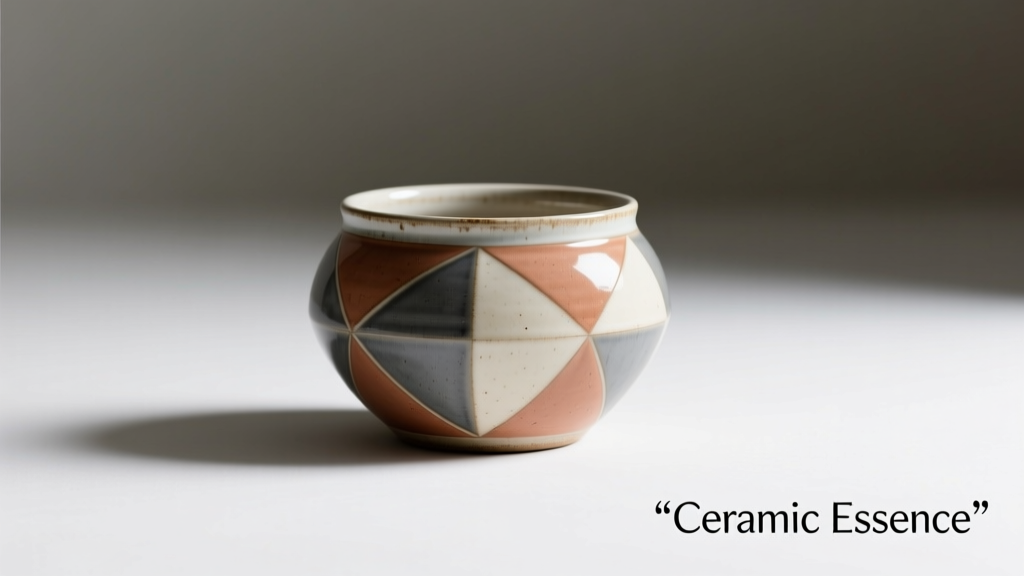
Different Types of Logo Bowls
A logo bowl is more than just a functional dish—it's a strategic promotional product that combines utility with brand visibility. As companies seek creative ways to engage customers and enhance brand recall, logo bowls have emerged as popular choices for corporate gifts, event giveaways, and restaurant branding. These bowls vary significantly based on the materials used, each offering unique benefits in terms of durability, aesthetics, and suitability for different environments.
The functional design of logo bowls also considers size and depth: large, deep bowls are ideal for serving main dishes or salads, while small, shallow bowls work perfectly for condiments, sauces, or side portions. However, the most significant differences lie in the materials used for construction, which directly impact their appearance, longevity, and use cases.
Ceramic Logo Bowls
Timeless and elegant, ceramic logo bowls offer a classic look suitable for both home and commercial use. Available in glossy or matte finishes, these bowls provide excellent surface quality for high-resolution logo printing through techniques like screen printing or heat transfer. Their premium appearance makes them a top choice for branded merchandise and promotional gifting.
Advantages
- High-end, sophisticated appearance
- Dishwasher and microwave safe
- Excellent for detailed logo imprinting
- Resistant to staining and odor absorption
Limitations
- Brittle and prone to chipping or cracking
- Heavier than plastic or melamine alternatives
- Higher shipping and handling costs
Best for: Corporate gifts, hotel dining, restaurant branding, and upscale promotional campaigns
Plastic Logo Bowls
Cost-effective and versatile, plastic logo bowls are widely used in promotional marketing due to their lightweight nature and ease of customization. These bowls can be molded into various shapes and colors, allowing for vibrant logo applications using methods such as pad printing or digital printing. Their affordability makes them ideal for large-scale distribution.
Advantages
- Low production and purchase cost
- Lightweight and easy to transport
- Available in multiple colors and custom shapes
- Reusable and often dishwasher safe
Limitations
- Less durable than ceramic or stainless steel
- May warp under high heat
- Lower perceived value compared to premium materials
Best for: Events, trade shows, school programs, and budget-friendly promotional giveaways
Glass Logo Bowls
Sophisticated and transparent, glass logo bowls add a touch of elegance to any setting. Logos can be applied via etching, sandblasting, or permanent printing, ensuring long-lasting visibility. These bowls are often chosen for formal dining, luxury gifting, or high-end restaurant branding where visual appeal is paramount.
Advantages
- Premium, transparent appearance
- Resistant to staining and odor retention
- Can be dishwasher and microwave safe (depending on type)
- Ideal for elegant or formal presentations
Limitations
- Fragile and breakable
- Heavier than plastic or melamine
- Higher cost compared to plastic alternatives
Best for: Luxury branding, wedding favors, executive gifts, and fine dining establishments
Melamine Logo Bowls
Made from a durable thermosetting plastic, melamine bowls are known for their strength and resistance to impact. They mimic the look of ceramic but are much more resilient, making them perfect for high-traffic environments. Logos are typically printed or embedded during manufacturing, ensuring they remain visible even after repeated use.
Advantages
- Highly durable and shatter-resistant
- Lightweight and easy to handle
- Available in a wide range of colors and styles
- Ideal for outdoor and commercial use
Limitations
- Not microwave safe (can release harmful chemicals)
- May scratch over time, affecting logo clarity
- Less eco-friendly than natural materials
Best for: Cafeterias, buffets, outdoor events, daycare centers, and camping gear branding
Stainless Steel Logo Bowls
Engineered for maximum durability, stainless steel logo bowls are among the most robust options available. These bowls resist rust, corrosion, and extreme temperatures, making them ideal for demanding environments. Logos are typically laser-engraved or printed with industrial-grade coatings to ensure longevity and brand visibility.
Advantages
- Extremely durable and long-lasting
- Resistant to rust, stains, and dents
- Dishwasher safe and hygienic
- Perfect for outdoor, industrial, or active use
Limitations
- Conducts heat—can be hot or cold to the touch
- Higher initial cost
- Limited aesthetic variety compared to ceramic or glass
Best for: Sports teams, corporate outdoor events, camping brands, and rugged lifestyle promotions
| Material | Durability | Aesthetic Appeal | Maintenance | Best Use Case |
|---|---|---|---|---|
| Ceramic | Medium | Excellent | High (Dishwasher & Microwave Safe) | Luxury gifting, restaurants, hotels |
| Plastic | Fair | Good | High (Reusable & Washable) | Promotional events, schools, mass giveaways |
| Glass | Medium | Excellent | High (Often Microwave Safe) | Formal events, weddings, executive gifts |
| Melamine | Very Good | Good | High (Dishwasher Safe) | Cafeterias, outdoor events, commercial use |
| Stainless Steel | Excellent | Good | Very High (Dishwasher & Heat Resistant) | Outdoor activities, sports teams, industrial use |
Expert Tip: When selecting logo bowls for branding, consider the end-user environment. For indoor, formal settings, ceramic or glass offers elegance; for outdoor or high-traffic areas, melamine or stainless steel ensures longevity and safety.
Features of Custom Logo Bowls: Sustainable, Stylish, and Smart Branding
In today’s eco-conscious market, consumers increasingly favor brands that align with sustainable values. Custom logo bowls have emerged as a powerful fusion of environmental responsibility and strategic branding. Crafted from earth-friendly materials and designed for repeated use, these bowls not only serve functional purposes but also reinforce a company’s commitment to sustainability. Below are the key features that make logo bowls a smart choice for modern businesses, especially in the food service, catering, and promotional industries.
Core Features of Custom Logo Bowls
Environmentally Preferred Materials
Custom logo bowls are manufactured using sustainable, low-impact materials such as bamboo, recycled glass, and certified biodegradable plastics. These alternatives significantly reduce reliance on petroleum-based conventional plastics, which can take hundreds of years to decompose and often end up in landfills or oceans.
Bamboo, for instance, is a rapidly renewable resource that grows without the need for pesticides or excessive water. Recycled glass repurposes post-consumer waste, reducing raw material extraction. By choosing eco-friendly materials, companies help lower carbon emissions, conserve natural resources, and support circular economy principles.
Sleek and Attractive Design
Logo bowls offer exceptional design flexibility, available in a wide range of shapes, sizes, and finishes—perfect for matching a brand’s visual identity. Whether it’s a minimalist modern look or a bold, colorful presentation, these bowls can be customized to reflect your brand’s personality.
High-quality molding and printing techniques allow for crisp, durable logos and graphics that remain vibrant over time. This aesthetic appeal not only enhances the customer experience but also transforms everyday dining into a branded moment, increasing visibility and emotional connection with your audience.
Sustainable Branding Through Reusability
Unlike single-use containers, custom logo bowls are built to last. Their durable construction supports repeated use, making them ideal for restaurants, meal prep services, and corporate events. Each time a customer uses the bowl, your logo is prominently displayed—turning every meal into a subtle yet effective branding opportunity.
This consistent exposure helps build brand recognition and loyalty over time. Additionally, reusable bowls appeal to environmentally conscious consumers, enhancing your brand image as responsible and forward-thinking.
Food-Safe and Versatile Performance
All custom logo bowls are made from food-grade, non-toxic materials that meet safety standards for direct contact with consumables. They are safe for both hot and cold foods, including soups, salads, grains, and desserts, making them highly versatile for diverse culinary applications.
These bowls are resistant to staining, odors, and warping, ensuring they maintain their quality and appearance even after frequent use. Their reliability makes them a preferred choice for health-conscious businesses and catering services aiming to deliver both safety and style.
Easy Maintenance and Cleaning
Most logo bowls are dishwasher-safe, simplifying the cleaning process and encouraging reuse. Their smooth, non-porous surfaces resist bacteria buildup and are easy to sanitize, promoting hygiene and convenience.
Low maintenance requirements make these bowls practical for both commercial kitchens and home use. Customers are more likely to reuse products that are easy to clean, further amplifying the environmental and branding benefits.
Eco-Conscious Consumer Appeal
With growing awareness around plastic pollution and climate change, many consumers actively seek out sustainable products. Offering logo bowls made from renewable or recycled materials positions your brand as an environmental leader.
This alignment with social values can drive customer loyalty, improve public perception, and differentiate your business in competitive markets. It also supports corporate social responsibility (CSR) goals and can enhance participation in green certification programs.
| Feature | Environmental Benefit | Business Advantage |
|---|---|---|
| Bamboo Construction | Rapidly renewable, biodegradable, low carbon footprint | Premium natural look, appeals to eco-buyers |
| Recycled Glass | Reduces landfill waste, saves energy in production | Durable, elegant finish, ideal for upscale branding |
| Biodegradable Plastics | Breaks down under industrial composting conditions | Cost-effective, customizable, reduces plastic waste |
| Dishwasher-Safe Design | Encourages reuse, reduces single-use container demand | Lowers operational costs, enhances customer satisfaction |
Why Choose Logo Bowls for Your Brand?
Important: When sourcing custom logo bowls, ensure suppliers provide certifications for material sustainability and food safety (e.g., FDA compliance, BPA-free, compostability standards). Choosing reputable manufacturers guarantees product quality and environmental integrity, protecting both your brand reputation and the planet.
How to Choose the Perfect Logo Bowl
Selecting the right logo bowl is more than just branding—it's about creating a functional, memorable, and lasting impression. Whether used for corporate gifting, promotional events, restaurant branding, or retail sales, logo bowls combine utility with marketing power. To ensure maximum impact and customer satisfaction, several key factors must be carefully evaluated before making a purchase.
Material Selection
The material of a logo bowl directly influences its appearance, functionality, durability, and suitability for different environments. Choosing the right material ensures the bowl aligns with both brand image and practical use.
- Plastic: Affordable and lightweight, ideal for large promotional campaigns or outdoor events. Modern high-density polyethylene (HDPE) or melamine options offer scratch resistance and vibrant color retention.
- Ceramic: Offers a premium, timeless aesthetic perfect for home use, upscale gifting, or restaurant branding. Glazed finishes enhance logo visibility and provide easy cleaning.
- Stainless Steel: Extremely durable and rust-resistant, making it ideal for camping, picnics, sports events, or commercial kitchens. Reflective surface allows for laser engraving or embossed logos.
- Glass: Elegant and transparent, often used in modern home decor or gourmet food packaging. Allows for under-glass printing or edge branding for a sophisticated look.
Pro Tip: Consider eco-friendly materials like bamboo composite or recycled glass to appeal to environmentally conscious consumers.
Size & Shape Considerations
The dimensions and form of the bowl affect both its usability and branding potential. The right size ensures customer satisfaction, while the shape can enhance logo visibility and overall design appeal.
- Large & Deep Bowls (8–12 inches): Best for salads, pasta, rice bowls, or family-style serving. Provide ample surface area for prominent logo placement.
- Medium Bowls (6–8 inches): Versatile for side dishes, desserts, or soups. Ideal for restaurants or meal prep brands.
- Small Bowls (3–5 inches): Perfect for dips, sauces, condiments, or tasting portions. Great for branded snack kits or event favors.
- Shape Impact: Round bowls offer classic appeal and even logo distribution; square or rectangular bowls stand out on shelves and convey modernity; asymmetrical or artisan shapes add uniqueness for boutique branding.
Design Insight: Curved surfaces may distort logos—work with designers to adapt artwork for optimal visibility on rounded or tapered sides.
Customization Options
Customization transforms a standard bowl into a powerful brand ambassador. The flexibility to tailor design elements ensures alignment with brand identity and marketing goals.
- Logo Placement: Choose from center-bottom, inner rim, outer side, or full-wrap designs. Center-bottom is subtle yet effective; side placement maximizes visibility during use.
- Printing Techniques:
- Screen Printing: Durable and vibrant for flat or slightly curved surfaces.
- Pad Printing: Ideal for curved or recessed areas.
- Laser Engraving: Permanent and elegant, especially on metal or wood-composite bowls.
- Sublimation: Full-color, all-over designs on polymer-coated surfaces.
- Color Matching: Use Pantone (PMS) colors to ensure brand consistency across all marketing materials.
- Typography & Graphics: Combine logo with tagline, QR codes, or social media handles to increase engagement.
Marketing Boost: Limited-edition color runs or seasonal designs can drive repeat engagement and social sharing.
Durability & Usage Environment
The intended use case determines how robust the bowl needs to be. Matching durability to real-world conditions prevents premature wear and maintains brand reputation.
- Daily Use (Home/Office): Ceramic or tempered glass bowls with chip-resistant glazes ensure longevity.
- Commercial Use (Restaurants/Cafés): Stainless steel or heavy-duty melamine resists breakage, staining, and frequent dishwasher cycles.
- Outdoor/Event Use: Plastic or silicone-based bowls are shatterproof and portable—ideal for festivals, giveaways, or corporate outings.
- Microwave & Dishwasher Safety: Clearly label compatibility. Ceramic and glass are typically microwave-safe; stainless steel is not. Most modern plastics are dishwasher-safe up to certain temperatures.
Quality Check: Look for BPA-free certification, FDA compliance, and heat resistance ratings (e.g., up to 220°F) for food-safe assurance.
Cost vs. Brand Value
While budget is important, the cost of a logo bowl should be viewed as an investment in brand equity rather than just an expense.
- Economy Range ($1–$3/unit): Best for large-volume promotions where branding visibility matters more than longevity (e.g., trade show giveaways).
- Mid-Tier ($3–$7/unit): Balances quality and cost—suitable for client gifts, employee kits, or retail merchandise.
- Premium ($7+/unit): High-end materials like handcrafted ceramic or engraved stainless steel for VIP clients or luxury brand positioning.
- Volume Discounts: Most suppliers offer tiered pricing—larger orders reduce per-unit cost significantly.
- Hidden Costs: Include setup fees for molds or screens, shipping, and packaging when calculating total investment.
ROI Insight: A well-designed, durable logo bowl can serve as a daily reminder of your brand—offering years of passive marketing at minimal cost per impression.
Target Audience Alignment
Tailoring your logo bowl to the preferences and lifestyle of your audience increases engagement and perceived value.
- Corporate Clients: Opt for sleek, minimalist designs in neutral tones with subtle branding—exudes professionalism.
- Young Adults/Students: Bright colors, fun shapes, and trendy materials (e.g., matte finishes) resonate better.
- Health & Wellness Brands: Use natural materials like bamboo fiber or ceramic with organic-inspired designs.
- Luxury Markets: Hand-painted details, gold/silver accents, or custom packaging elevate perceived value.
Psychological Edge: People are more likely to keep and use branded items that feel personal, useful, and aesthetically pleasing.
Expert Recommendation: For most businesses, a mid-tier ceramic or durable melamine bowl with a well-placed, high-quality logo offers the best balance of cost, durability, and brand impact. Always request physical samples before placing bulk orders to assess weight, finish, and logo clarity. Pair your logo bowl with matching utensils or packaging to create a cohesive branded experience.
| Use Case | Recommended Material | Best Logo Method | Lifespan |
|---|---|---|---|
| Corporate Gift | Ceramic | Glaze Sublimation | 3–5+ years |
| Trade Show Giveaway | Melamine Plastic | Pad Printing | 1–2 years |
| Restaurant Branding | Stainless Steel | Laser Engraving | 5+ years |
| Eco-Friendly Product Line | Bamboo Composite | Debossed Logo | 2–4 years |
Additional Considerations
- Packaging: Branded boxes or recyclable wraps enhance presentation and protect the bowl during shipping.
- Minimum Order Quantity (MOQ): Confirm MOQs early—some custom options require 100+ units.
- Sustainability: Eco-certifications (e.g., compostable, recyclable) improve brand image and appeal to green consumers.
- Lead Time: Custom production typically takes 2–6 weeks—plan accordingly for events or campaigns.
- Brand Consistency: Ensure the bowl’s color, font, and logo match your official brand guidelines for professional recognition.
Strategic Uses of Logo Bowls for Brand Enhancement
Logo bowls are more than just functional tableware—they are powerful branding tools that combine utility with visual identity. When thoughtfully integrated into marketing and customer experience strategies, branded bowls create lasting impressions, increase brand visibility, and foster customer loyalty. From restaurants to corporate events, the strategic use of logo bowls can elevate brand presence in both physical and social spaces. Below are key scenarios where logo bowls deliver maximum impact.
Pro Tip: For optimal brand recall, ensure your logo is prominently displayed and uses high-contrast colors that remain visible even after repeated washings. Consider adding a short tagline or slogan to reinforce your brand message.
Key Applications of Logo Bowls
- Restaurant Branding:
Ceramic logo bowls serve a dual purpose in restaurants—enhancing the dining experience while reinforcing brand identity. Used for serving soups, salads, appetizers, or desserts, these bowls become an integral part of the table setting. A well-designed logo subtly placed on the side or base of the bowl ensures that every guest sees the brand during their meal. Over time, this consistent exposure strengthens brand recognition and creates a cohesive, professional image. Premium materials like stoneware or porcelain also convey quality and attention to detail, aligning with upscale or artisanal brand positioning.
- Corporate Giveaways:
Custom logo bowls are increasingly popular as high-value promotional items given to clients, partners, or employees. Unlike disposable swag, a durable bowl is likely to be used daily at home or in the office, turning every meal into a brand touchpoint. When designed with aesthetic appeal—such as minimalist shapes, modern finishes, or eco-friendly materials—the bowl becomes a desirable item that recipients are proud to use. This increases the likelihood of long-term brand exposure and positive brand association.
- Event Merchandise:
At music festivals, outdoor markets, or community events, reusable logo bowls made from lightweight, shatter-resistant materials like polypropylene or bamboo fiber offer both practicality and promotional value. Attendees can use them to hold food or drinks during the event and later take them home as keepsakes. As people carry these bowls to picnics, offices, or social gatherings, the brand travels with them—extending visibility far beyond the event itself. Adding event-specific designs (e.g., year, theme, or location) increases collectibility and social sharing potential.
- Retail Packaging Innovation:
Forward-thinking retailers are replacing traditional plastic or paper bags with branded glass, melamine, or ceramic bowls as part of a premium unboxing experience. This strategy not only reduces single-use packaging waste but also turns the purchase into a memorable moment. Customers are more likely to return to a store that offers reusable, attractive containers—especially if they can collect different designs or earn rewards for bringing them back. The bowl then becomes a functional advertisement in homes, kitchens, and social media posts, amplifying organic brand reach.
- Promotional Campaigns & Sampling:
During product launches, seasonal promotions, or experiential marketing events, message-driven logo bowls can be used to distribute food samples, snacks, or small giveaways. The bowl itself becomes a canvas for campaign messaging—featuring slogans, hashtags, QR codes, or limited-time offers. Strategically designed bowls attract attention, encourage engagement, and are more likely to be retained than flyers or coupons. When paired with interactive elements (e.g., “Snap a photo with your bowl and tag us!”), they can drive user-generated content and boost digital visibility.
| Use Case | Material Options | Brand Impact | Best Practices |
|---|---|---|---|
| Restaurant Branding | Ceramic, Stoneware, Porcelain | High daily exposure, enhances dining experience | Subtle logo placement, match bowl style to restaurant theme |
| Corporate Giveaways | Melamine, Glass, Bamboo Composite | Long-term visibility in homes/offices | Focus on durability and design appeal; include care instructions |
| Event Merchandise | Polypropylene, Recycled Plastic, Silicone | Mobile branding, souvenir value | Add event-specific artwork; make bowls stackable for distribution |
| Retail Packaging | Glass, Melamine, Ceramic | Encourages repeat visits, eco-friendly image | Offer refill incentives; design for shelf appeal |
| Promotional Campaigns | Any material with printable surface | High engagement, shareable moments | Integrate QR codes, slogans, or social media prompts |
Design Insight: To maximize impact, consider the ergonomics and aesthetics of the bowl—its weight, grip, microwave/dishwasher safety, and visual harmony with your brand colors. A well-crafted logo bowl doesn’t just carry a logo; it embodies your brand’s values and quality promise.
Maximizing ROI from Logo Bowls
- Track engagement by including unique QR codes or URLs on campaign-specific bowls
- Partner with influencers or food bloggers to showcase your branded bowls online
- Rotate limited-edition designs to encourage collection and repeat interactions
- Use customer feedback to refine shape, size, and logo placement over time
- Highlight sustainability features (e.g., recyclable materials, reduced plastic use) in marketing
Logo bowls represent a smart intersection of function and branding. When used strategically across restaurants, corporate gifting, events, retail, and promotions, they transform everyday moments into meaningful brand experiences. By investing in high-quality, thoughtfully designed bowls, businesses can create lasting impressions that go far beyond the initial interaction—turning meals into memories and customers into advocates.
Frequently Asked Questions About Logo Bowls
Q1: Can logo bowls be put into the microwave?Microwave safety depends entirely on the material used to make the logo bowl. Not all promotional bowls are microwave-safe, so it's crucial to check the manufacturer’s specifications before heating.
- Glass & Ceramic Bowls: Generally microwave-safe, especially if labeled as such. These materials are heat-resistant and commonly used for food service and promotional items.
- Plastic Bowls: Only microwave-safe if made from approved food-grade plastics (e.g., polypropylene). Avoid placing non-approved plastic bowls in the microwave, as they may warp or release harmful chemicals.
- Melamine Bowls: Not microwave-safe. While durable and great for branding, melamine can degrade under high heat and may leach chemicals when exposed to microwaves.
- Stainless Steel Bowls: Never microwave-safe due to metal content, which can cause sparking and damage to the appliance.
Pro Tip: Always look for a “microwave-safe” label on the bottom of the bowl. When in doubt, transfer food to a known microwave-safe container.
Q2: Can the logo bowl be made according to an individual’s preference?Yes, absolutely! Custom logo bowls are highly customizable and offer a versatile branding solution for businesses, events, and personal use.
- Shape & Size: Bowls can be crafted in various dimensions—from small dessert bowls to large serving platters—and in unique shapes (round, square, oval, or even custom silhouettes) to match brand identity.
- Logo Design: Your logo can be printed, engraved, embossed, or stamped using high-resolution techniques to ensure clarity and durability.
- Color Options: Full-color printing allows for vibrant, eye-catching designs. You can match brand colors precisely using Pantone or CMYK standards.
- Finishes: Choose from glossy, matte, or textured finishes to enhance the visual appeal and tactile experience.
Whether you're ordering for corporate gifting, restaurant branding, or special events, personalized logo bowls can be tailored to reflect your unique style and messaging.
Q3: What are the primary materials used in making logo bowls?Logo bowls are manufactured using a range of high-quality, food-safe materials—each with distinct advantages depending on use case and desired aesthetics.
| Material | Key Features | Best For | Microwave Safe? |
|---|---|---|---|
| Melamine | Durable, lightweight, shatter-resistant, vibrant print retention | Outdoor events, restaurants, kids’ products | No |
| Ceramic | Elegant, oven & microwave safe, excellent for detailed logos | Promotional gifts, home use, upscale branding | Yes (if labeled) |
| Glass | Transparent or colored, recyclable, heat-resistant | Modern branding, kitchenware, health-conscious brands | Yes (tempered glass) |
| Plastic (Food-Grade) | Affordable, lightweight, impact-resistant | Conventions, giveaways, temporary events | Sometimes (check labeling) |
| Stainless Steel | Long-lasting, hygienic, premium look | Corporate gifts, travel bowls, eco-conscious brands | No |
Choosing the right material depends on your intended use, budget, and environmental goals. Many companies opt for a mix across product lines to suit different customer needs.
Q4: Are logo bowls sustainable?Yes, many logo bowls are designed with sustainability in mind, helping brands reduce waste and promote eco-friendly practices.
- Reusable Design: Unlike disposable tableware, logo bowls are built for long-term use, reducing single-use plastic consumption.
- Recyclable Materials: Glass, stainless steel, and certain plastics can be recycled at end-of-life, minimizing landfill impact.
- Eco-Friendly Production: Leading manufacturers use low-emission processes, water-based inks, and renewable energy in production.
- Biodegradable Options: Some companies now offer plant-based or compostable bowls for environmentally conscious clients.
- Brand Image: Offering sustainable promotional items enhances your brand’s reputation and aligns with green consumer values.
By choosing durable, recyclable logo bowls, businesses contribute to a circular economy while delivering functional, branded merchandise.
Q5: Do logo bowls ensure good quality?Yes, high-quality logo bowls are engineered for both performance and safety, making them reliable for everyday food service and promotional use.
- Food-Grade Certification: Reputable manufacturers use materials that meet FDA, LFGB, or other international food safety standards to ensure non-toxic, safe contact with food.
- Durability: Whether it’s chip-resistant ceramic or impact-proof melamine, these bowls are tested for longevity under regular use.
- Printing Quality: Logos are applied using advanced techniques (like sublimation or UV printing) to resist fading, scratching, and washing damage.
- Consistency: Mass production follows strict quality control protocols to maintain uniformity in color, shape, and finish across large orders.
- Customer Satisfaction: A well-made logo bowl reflects positively on your brand, offering recipients a useful, attractive product they’re likely to keep and use.
To ensure top quality, always source from trusted suppliers who provide product certifications and samples before bulk ordering.









