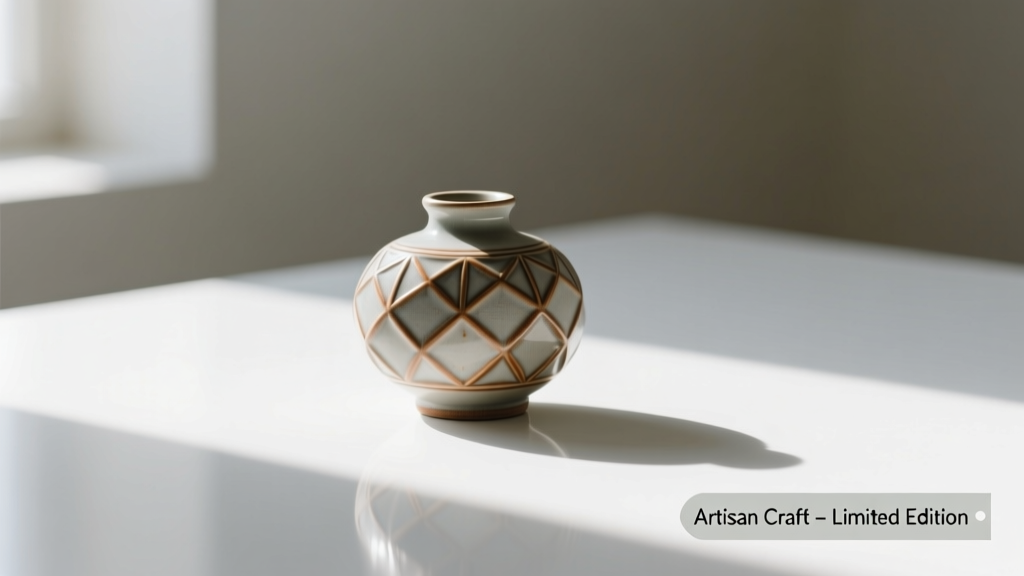
Types of Lizard Water Bowls
A lizard water bowl is an essential component of any reptile enclosure, playing a vital role in hydration, humidity regulation, and overall well-being. Choosing the right type ensures your lizard can drink safely, maintain proper moisture levels, and feel secure in its environment.
With a wide variety of options available, selecting the appropriate water bowl depends on your lizard’s species, size, natural habitat, and behavior. Below is a comprehensive breakdown of the most common types of lizard water bowls used in captivity.
Shallow Bowls
Ideal for species that avoid deep water, these bowls feature low sides and minimal depth to prevent drowning risks.
Advantages
- Safe for non-swimming lizards
- Easy access for small or climbing species
- Reduces stress from accidental submersion
- Simple to clean and replace
Limitations
- Limited water capacity
- May require frequent refilling
- Not suitable for soaking or humidity boosting
Best for: Chameleons, anoles, skinks, geckos, and other arboreal or terrestrial species
Dog Bowls (Heavy-Duty Bowls)
Sturdy, deep, and wide bowls originally designed for pets but widely adopted for large reptiles.
Advantages
- Durable and tip-resistant
- Large capacity for heavy drinkers
- Suitable for soaking (for some species)
- Cost-effective and widely available
Limitations
- Can be too deep for smaller lizards
- May not blend aesthetically with naturalistic setups
- Risk of contamination from substrate or waste
Best for: Iguanas, monitors, tegus, and other large, ground-dwelling lizards
Decorative Bowls
Artistically designed water features that double as functional hydration sources and tank décor.
Advantages
- Enhances visual appeal of the enclosure
- Blends seamlessly with bioactive or naturalistic setups
- Encourages natural drinking behaviors
- Often made from safe, non-toxic materials
Limitations
- Harder to clean due to crevices
- Potential bacterial buildup in textured surfaces
- Higher price point than basic bowls
Best for: Tropical species like green anoles, crested geckos, and certain skinks that thrive in humid, naturalistic environments
Rock-Like Bowls
Molded to resemble natural stone or rock formations, these bowls provide both function and realism.
Advantages
- Highly realistic appearance
- Stable and difficult to tip over
- Made from durable ceramic or resin
- Encourages naturalistic behavior
Limitations
- Heavier and harder to reposition
- May retain moisture and promote mold if not cleaned properly
- Limited shapes and sizes available
Best for: Rock-dwelling species such as bearded dragons, uromastyx, and green iguanas
Automatic Water Bowls
Connected to a water reservoir or bottle, these systems provide a continuous flow or refill of fresh water.
Advantages
- Ensures constant access to clean water
- Reduces maintenance frequency
- Ideal for busy owners or extended absences
- Minimizes evaporation and spillage
Limitations
- Higher initial cost and setup complexity
- Potential for mechanical failure or clogging
- Requires regular monitoring and cleaning
Best for: Advanced keepers, multi-lizard enclosures, or those seeking low-maintenance hydration solutions
| Type | Durability | Hydration Efficiency | Aesthetic Value | Best For |
|---|---|---|---|---|
| Shallow Bowls | Medium | High | Low | Small lizards, climbers, non-swimmers |
| Dog Bowls | High | Very High | Low | Large lizards, heavy drinkers |
| Decorative Bowls | Medium | Medium | Very High | Naturalistic setups, tropical species |
| Rock-Like Bowls | Very High | High | High | Rock-dwelling species, bioactive tanks |
| Automatic Bowls | High | Excellent | Medium | Busy owners, low-maintenance needs |
Expert Tip: Regardless of the bowl type, always use dechlorinated water and clean the bowl daily to prevent bacterial growth and ensure your lizard stays healthy. For decorative or rock-like bowls, use a soft brush to reach into crevices and avoid residue buildup.
Material & Durability: Choosing the Right Lizard Bowl
Selecting the appropriate material for lizard water bowls is essential for ensuring the safety, comfort, and long-term health of your reptile. The right bowl not only withstands daily use but also complements the habitat’s design and supports natural behaviors like hydration and thermoregulation. Below is a detailed breakdown of the most common materials used in lizard bowl construction, highlighting their benefits, drawbacks, and ideal use cases.
Resin
Polymer resins are widely favored in reptile accessories due to their versatility in molding and seamless integration with naturalistic terrarium designs. These bowls are typically lightweight, durable, and resistant to cracking under normal use—making them ideal for active lizards that may bump or push their accessories.
High-quality resin is non-toxic and easy to clean, but lower-grade versions may degrade over time, especially when exposed to strong UV lighting or harsh cleaning agents. With prolonged use, cheaper resins can become rough or discolored, potentially harboring bacteria. For best results, opt for UV-stabilized, food-safe resins designed specifically for reptile enclosures.
Ceramic
Ceramic bowls offer a sleek, modern aesthetic that blends well with both minimalist and naturalistic setups. This material is inert, meaning it won’t leach harmful chemicals into water, and its smooth surface resists bacterial buildup when cleaned regularly.
The weight of ceramic provides excellent stability, reducing the risk of tipping—especially important for larger or more energetic lizards. However, while highly scratch-resistant, ceramic is brittle and can crack or shatter if dropped or struck with force. Always inspect ceramic bowls for chips or cracks, as sharp edges can injure your pet.
Plastic
Plastic lizard bowls are among the most affordable and widely available options. Their lightweight nature makes them easy to move and clean, which is ideal for routine maintenance. High-density plastics like polyethylene and polypropylene are particularly recommended due to their chemical resistance and durability.
While standard plastics may degrade under prolonged UV exposure or aggressive cleaning, UV-resistant and BPA-free variants maintain integrity over time. These materials are especially suitable for enclosures with frequent cleaning schedules or for temporary setups. Always avoid soft or flimsy plastics that can be chewed or crushed by curious reptiles.
Stone
Natural stone bowls—crafted from materials like granite, sandstone, or limestone—are prized for their rugged beauty and thermal stability. These bowls integrate seamlessly into desert, rocky, or jungle-themed habitats, enhancing the enclosure’s realism.
Stone retains cool temperatures, making it ideal for lizards that enjoy soaking to regulate body heat. It is also highly resistant to scratching and chewing. However, despite its strength, stone can crack under sudden impact or extreme temperature changes. Ensure the bowl is polished and free of sharp edges, and avoid placing it directly under heat lamps to prevent thermal shock.
Metal (Stainless Steel)
Though less common, stainless steel bowls are gaining popularity for their exceptional durability and hygiene. Stainless steel is non-porous, rust-resistant, and impervious to chewing, making it a safe choice for strong or aggressive reptiles.
These bowls are incredibly easy to sanitize and maintain, which helps prevent bacterial and fungal growth. However, their smooth surface can make them prone to sliding or rolling if not secured. Additionally, metal conducts heat quickly, so avoid placing stainless steel bowls directly under heat sources to prevent burns. Due to higher manufacturing costs, these bowls are often more expensive than plastic or resin alternatives.
Material Comparison Summary
| Material | Durability | Safety | Best For |
|---|---|---|---|
| Resin | High (if high-grade) | Non-toxic, smooth finish | Custom habitats, active lizards |
| Ceramic | High (but brittle) | Inert, easy to clean | Decorative setups, heavy-duty use |
| Plastic | Moderate (varies by type) | BPA-free options recommended | Budget-friendly, frequent cleaning |
| Stone | Very High | Natural, thermally stable | Desert/rocky enclosures, soaking |
| Stainless Steel | Exceptional | Rust-proof, chew-resistant | Hygienic environments, strong reptiles |
Key Considerations When Choosing a Lizard Bowl
Important: Always inspect lizard bowls regularly for signs of wear, cracks, or sharp edges. Replace damaged bowls immediately to prevent injury. Avoid using decorative bowls with painted finishes unless explicitly labeled as reptile-safe, as ingested paint or coatings can be toxic. When in doubt, consult a reptile care specialist or veterinarian for material recommendations tailored to your species.
Commercial Value of Lizard Water Bowls
Lizard water bowls may appear simple, but they represent a surprisingly valuable niche within the pet supplies market. As essential components of reptile care, these bowls contribute significantly to hydration, habitat aesthetics, and overall reptile well-being. Their low production cost, high markup potential, and compatibility with broader product ecosystems make them a smart addition to any pet retailer’s inventory.
Product Range & Innovation
The lizard water bowl market offers a broad spectrum of products—from basic, mass-produced plastic models to handcrafted ceramic or stone designs tailored for premium enclosures. This diversity allows retailers to cater to both casual hobbyists and serious reptile enthusiasts.
- Standard Models: Off-the-shelf plastic or resin bowls are affordable, durable, and ideal for entry-level reptile owners.
- Designer Options: Artisan-crafted or themed bowls (e.g., rock-shaped, moss-covered) enhance enclosure realism and appeal to aesthetic-focused customers.
- Functional Upgrades: Bowls with built-in drip systems, auto-fill mechanisms, or shallow edges for easy access support hydration in species with specific needs.
- Species-Specific Designs: Bowls tailored for bearded dragons, geckos, or chameleons improve usability and safety.
Key Insight: Offering a tiered product range increases average order value and customer satisfaction.
Pricing Strategy & Profit Margins
Lizard bowls span a wide price range, enabling flexible pricing strategies that appeal to different customer segments. While individual units are low-cost, their high perceived value and low shipping weight make them highly profitable.
- Budget Tier ($3–$8): Plastic or basic resin bowls target first-time reptile owners and schools.
- Mid-Tier ($10–$20): Ceramic or textured stone-effect bowls offer improved durability and visual appeal.
- Premium Tier ($25+): Handmade, non-porous, or self-cleaning models serve luxury reptile habitats and collectors.
- Wholesale Advantage: Bulk pricing for pet stores, breeders, or zoos improves margins and encourages repeat orders.
Pro Tip: Bundle bowls with substrates, hides, or feeding tongs to increase perceived value and boost sales.
Logistics & Storage Efficiency
Most lizard water bowls are designed to be stackable, lightweight, and compact—making them ideal for efficient storage and shipping. This logistical advantage is especially valuable for distributors and online retailers.
- Stackable designs reduce warehouse footprint by up to 60% compared to loose items.
- Lightweight materials minimize shipping costs and carbon footprint.
- Low breakage rates (especially with plastic models) reduce losses during transit.
- Easy inventory management due to uniform sizing and packaging.
Business Benefit: High inventory turnover with minimal storage investment enhances cash flow.
Seasonal Demand & Climate Influence
Demand for lizard water bowls fluctuates with seasonal reptile activity and climate conditions. Understanding these patterns helps retailers optimize stock levels and marketing timing.
- Spring/Summer Peak: Increased reptile activity leads to higher hydration needs and enclosure upgrades.
- Material Shift: Ceramic and stone bowls are preferred in hot months due to their cooling properties and slower evaporation.
- Winter Prep: Sales of heated or insulated bowls rise in colder regions to prevent freezing.
- Event-Driven Demand: Reptile expos, pet adoptions, and educational programs spike short-term demand.
Strategic Move: Launch seasonal promotions or themed collections (e.g., “Summer Hydration Kits”) to capture peak demand.
Marketing & Cross-Selling Opportunities
Lizard water bowls serve as excellent entry points for cross-selling and brand engagement. Their visual appeal and functional necessity make them ideal for bundled offers and digital marketing.
- Pair bowls with reptile food, vitamin supplements, or misting systems in starter kits.
- Showcase artistic designs on social media to drive word-of-mouth and influencer interest.
- Use customer photos of creative enclosures to build community and trust.
- Offer “Complete Habitat Packs” that include bowls, hides, climbing branches, and lighting.
Growth Hack: Encourage user-generated content with branded hashtags to boost online visibility.
Category Expansion & Ecosystem Growth
Selling lizard water bowls opens the door to expanding into the broader reptile care market—a niche with loyal, high-LTV (lifetime value) customers.
- Reptile owners often invest in UVB lighting, thermostats, humidity monitors, and specialized substrates.
- Bowls act as a gateway product to higher-margin accessories like smart hydration systems or bioactive habitat kits.
- Opportunities to partner with breeders, reptile rescues, or educational institutions for bulk supply contracts.
- Private-label or co-branded bowls can strengthen brand identity and exclusivity.
Long-Term Vision: Position your store as a trusted reptile care destination, not just a parts supplier.
Strategic Recommendation: Treat lizard water bowls not as standalone items, but as strategic entry points into the reptile care ecosystem. By offering a curated selection—from functional basics to artistic upgrades—and pairing them with complementary products, retailers can increase basket size, build customer loyalty, and establish authority in a growing specialty market.
| Product Tier | Average Retail Price | Target Customer | Key Selling Points |
|---|---|---|---|
| Basic Plastic | $3 – $8 | Beginners, Schools, Breeders | Affordable, durable, easy to clean |
| Ceramic/Stone-Effect | $10 – $20 | Hobbyists, Enclosure Designers | Aesthetic, cooling, long-lasting |
| Artisan/Custom | $25 – $50+ | Collectors, Luxury Habitats | Unique design, handcrafted, Instagram-worthy |
| Smart/Functional | $30 – $60 | Tech-Savvy Owners, Zoos | Auto-fill, drip system, temperature control |
Additional Commercial Considerations
- Warranty & Returns: Offer satisfaction guarantees on premium models to build trust.
- Eco-Friendly Options: Biodegradable or recycled materials appeal to environmentally conscious buyers.
- Private Labeling: Create branded bowls to differentiate from competitors and increase margins.
- Subscription Models: Offer replacement bowl subscriptions for breeders or multi-reptile households.
- International Appeal: Compact size and universal need make lizard bowls viable for export markets.
Scenarios: The Versatile Use of Lizard Water Bowls Across Reptile Environments
Lizard water bowls are far more than simple hydration stations—they play a vital role in supporting health, natural behavior, and environmental enrichment across a wide range of reptile care settings. From private homes to large zoological institutions, these essential accessories are tailored to meet the specific needs of different environments and species. Below is an in-depth exploration of how lizard water bowls are utilized in various real-world scenarios to promote reptile well-being, operational efficiency, and educational engagement.
Home TerrariumsIn both hobbyist and professional home terrariums, lizard water bowls serve as critical components of habitat design, helping to replicate the natural ecosystems where lizards thrive. These bowls not only provide clean, accessible water for drinking but also support essential thermoregulatory behaviors. Many lizards instinctively seek out cool, moist areas to lower their body temperature or rehydrate through their skin, a behavior commonly observed in the wild when they rest near streams or under damp foliage.
Well-placed water bowls encourage natural hydration habits and can double as basking zones when strategically located near heat gradients. For species like bearded dragons or leopard geckos, using a non-tip ceramic or resin bowl ensures stability and safety. Additionally, incorporating shallow basins allows for occasional soaking, which can aid in shedding and digestion��especially beneficial during molting periods.
Rehabilitation CentersWildlife rehabilitation centers rely heavily on specialized lizard water bowls to support injured, recovering, or displaced reptiles. In these high-stakes environments, hydration is often a top priority, particularly for animals suffering from dehydration due to trauma, illness, or improper prior care. To accommodate weakened or stressed individuals, caregivers use shallow, low-profile bowls that are easy to access and difficult to overturn.
Visibility and tactile feedback are crucial—many facilities opt for textured or colored bowls that stand out in the enclosure, helping visually impaired or disoriented lizards locate water quickly. Some centers even integrate hydration monitoring into recovery protocols, tracking water intake as an indicator of improving health. By meeting both physiological and behavioral needs, properly designed water bowls accelerate recovery and improve outcomes for reptiles on the path to release or long-term care.
Zoological ParksIn zoos and wildlife parks, water bowls are not just functional—they are engineered elements of exhibit design that enhance animal welfare and visitor experience alike. These basins are custom-built to match the size, strength, and natural behaviors of the species on display, such as Gila monsters, green iguanas, and horned lizards. Materials are chosen for durability (e.g., reinforced concrete, fiberglass, or molded resin) to withstand powerful claws and frequent use.
Many zoo enclosures feature large, interactive water features that mimic natural water sources like rock pools or desert oases. These installations encourage natural behaviors such as soaking, splashing, and even digging around water edges. Some systems include automatic filtration and water level sensors to maintain hygiene and reduce maintenance demands. These thoughtful designs not only promote physical health but also provide mental stimulation, reducing stress and stereotypic behaviors in captive animals.
Commercial Breeding OperationsEfficiency and scalability are paramount in commercial reptile breeding facilities, where hundreds or even thousands of lizards may be housed at once. In this context, traditional manual watering becomes impractical and labor-intensive. As a result, automated watering systems—such as drip lines, bottle-fed dispensers, or self-refilling fountain bowls—are widely adopted.
These systems ensure consistent hydration across all enclosures while minimizing human intervention, reducing the risk of contamination and dehydration. Automatic bowls often include anti-spill mechanisms and UV-resistant materials to maintain water quality and longevity. For breeders, reliable hydration directly correlates with improved growth rates, successful shedding cycles, and higher reproductive success—making advanced water bowl technology a smart investment in both animal health and operational profitability.
Educational SettingsSchools, nature centers, and science clubs use lizard water bowls as practical tools in hands-on learning environments. When students observe reptiles interacting with their habitat—including drinking, soaking, or investigating the water source—they gain firsthand insight into reptilian biology, behavior, and ecological needs. Teachers often use these moments to discuss topics like thermoregulation, hydration, adaptation, and conservation.
Transparent or open-design enclosures allow for clear viewing of how lizards use their water bowls, sparking curiosity and empathy among learners. In some programs, students are involved in monitoring water levels, cleaning schedules, and behavioral observations, fostering responsibility and scientific thinking. Beyond academics, these experiences help dispel myths about reptiles and promote respect for often-misunderstood species, laying the foundation for future conservation-minded citizens.
Expert Tip: Regardless of the setting, always match the water bowl design to the species’ natural behavior and physical capabilities. For example, arboreal lizards may benefit from elevated bowls, while desert species prefer shallow, sand-resistant designs. Regular cleaning and water replacement are essential in all environments to prevent bacterial growth and ensure optimal health.
Key Considerations When Selecting Water Bowls by Environment
| Environment | Primary Needs | Recommended Bowl Features | Additional Tips |
|---|---|---|---|
| Home Terrariums | Hydration, basking, ease of cleaning | Non-tip ceramic, shallow depth, smooth edges | Place near cool zone; clean 2–3 times weekly |
| Rehabilitation Centers | Accessibility, safety, hydration monitoring | Low-profile, high-contrast color, textured base | Use with humidity trays; monitor intake daily |
| Zoological Parks | Durability, enrichment, species-specific design | Custom-molded, large capacity, integrated filtration | Include naturalistic elements like rocks or plants |
| Commercial Breeding | Automation, scalability, hygiene | Automatic refill, spill-proof, UV-resistant | Pair with water quality testers; schedule maintenance |
| Educational Settings | Visibility, safety, engagement | Clear sides, secure placement, easy access | Involve students in care routines for experiential learning |
From promoting natural behaviors to supporting large-scale operations, lizard water bowls are indispensable tools in modern reptile care. Their adaptability across diverse environments underscores their importance—not just as hydration devices, but as integral components of animal welfare, education, and conservation. Whether you're a hobbyist, educator, or professional caretaker, selecting the right water bowl for your specific scenario can make a meaningful difference in the health and happiness of the reptiles in your care.
Frequently Asked Questions About Lizard Hydration and Water Care
Q1: Do lizards need a water bowl in their habitat?While hydration needs vary by species, most lizards benefit from having access to a clean water source. Some lizards—like bearded dragons and leopard geckos—will drink directly from a shallow water bowl, while others, such as crested geckos or chameleons, prefer to lick water droplets from leaves or enclosure walls after misting.
Even if your lizard doesn’t typically use a bowl, providing one is still recommended for several reasons:
- Hydration backup: A water bowl ensures hydration during periods when misting is insufficient or missed.
- Species-specific needs: Desert species may soak occasionally to rehydrate, while tropical species might drink intermittently from bowls.
- Humidity contribution: An open water dish can slightly increase ambient humidity, which benefits certain reptiles.
Always use a shallow, stable bowl that prevents tipping and allows easy access without drowning risk, especially for smaller or younger lizards.
Q2: How often should the water bowl be cleaned?Maintaining a clean water bowl is essential for your lizard’s health. Stagnant or contaminated water can quickly become a breeding ground for harmful bacteria, fungi, and parasites.
Here’s a recommended cleaning schedule:
- Daily: Empty, rinse, and refill the bowl with fresh water to prevent biofilm buildup and contamination from feces, shed skin, or substrate.
- Weekly: Perform a thorough cleaning using a reptile-safe disinfectant or mild dish soap. Scrub the bowl with a soft brush, rinse thoroughly, and dry before refilling.
- As needed: Clean immediately if the water becomes visibly dirty, cloudy, or contains debris.
Regular maintenance helps prevent health issues such as bacterial infections, gastrointestinal problems, and poor appetite caused by unclean water sources.
Q3: What kind of water should be put in the lizard’s bowl?The quality of water matters significantly for reptile health. Tap water may contain chlorine, chloramines, or heavy metals that can be harmful over time. Here are safe options:
- Dechlorinated tap water: Treated with a reptile-safe water conditioner to remove chlorine and chloramines. This is cost-effective and widely used.
- Spring water: Naturally filtered and free of added chemicals. A good alternative if dechlorination isn’t possible.
- Distilled water: Pure H₂O with no minerals. Best used sparingly or mixed with spring water to avoid mineral imbalances, especially in species prone to metabolic bone disease.
Avoid: Untreated tap water (especially in areas with high chlorine levels) and flavored or mineral-enhanced bottled water. Always ensure the water is at room temperature when added to the enclosure.
Q4: Should a water bowl and misting system both be provided for the lizard?Yes, combining a water bowl with a misting system offers a more complete hydration strategy, particularly for species that originate from humid environments like rainforests or tropical regions.
Benefits of dual hydration methods:
- Misting: Simulates natural dew and rainfall, encouraging drinking behavior in species like chameleons, anoles, and crested geckos.
- Water bowl: Provides a consistent, accessible source for lizards that prefer still water or need to soak occasionally.
- Humidity regulation: Misting helps maintain proper humidity levels, which supports shedding and respiratory health.
For desert species (e.g., bearded dragons), misting can be done sparingly—once or twice a week—while tropical species may require 2–3 mistings daily. Always monitor humidity with a hygrometer to avoid over-moisture, which can lead to mold or respiratory infections.
Q5: How can a lizard’s water bowl be kept clean?Preventing contamination and buildup in the water bowl requires consistent hygiene practices:
- Daily rinsing: Empty and rinse the bowl with hot water each day to remove residue and biofilm.
- Weekly deep cleaning: Use a soft brush and mild, unscented dish soap or a reptile-safe disinfectant (e.g., diluted vinegar or F10SC). Rinse thoroughly to eliminate soap traces.
- Substrate management: Use non-particle substrates near the bowl or elevate it slightly to reduce dirt and fecal matter from entering.
- Bowl material: Choose non-porous materials like ceramic, stainless steel, or glass, which resist bacterial growth and are easier to sanitize than plastic.
- Placement: Position the bowl away from basking areas and waste zones to minimize contamination.
Regular inspection and maintenance ensure your lizard has a safe, clean water source at all times, reducing the risk of illness and promoting overall well-being.
Q6: Is it advisable to put a heater under the water dish?Using a heat mat or under-tank heater beneath the water bowl is generally not recommended due to safety and practical concerns:
- Overheating risk: Warm water evaporates faster and can become too hot, potentially scalding the lizard if they step in.
- Bacterial growth: Warm, stagnant water accelerates microbial development, increasing the risk of infection.
- Encourages algae: Elevated temperatures promote algae formation, especially in bowls exposed to light.
Instead, if you want to encourage drinking, consider:
- Room temperature water: Maintain water between 75°F and 80°F (24–27°C), which is comfortable and safe.
- Drip systems: Provide moving water, which many lizards find more attractive than still water.
- Strategic placement: Place the bowl on the cooler side of the enclosure to keep water fresh longer.
If warmth is needed for species-specific reasons (e.g., certain tropical frogs in mixed setups), use a thermostat-controlled heater designed for small water features—but never in standard lizard enclosures without expert guidance.









