
Cats are creatures of habit, and their bathroom habits are no exception. When it comes to choosing a litter box—whether one with a lid or an open-top model—the decision can significantly impact your cat’s comfort, cleanliness, and overall well-being. While many owners assume that covered boxes offer better odor control and privacy, the reality is more nuanced. Feline behavior, individual temperament, and environmental factors all play crucial roles in determining what works best.
This guide explores the pros and cons of both types of litter boxes from the cat’s perspective, backed by behavioral science, expert opinions, and real-world observations. Whether you're a new cat owner or reevaluating your current setup, understanding your cat’s true preferences can lead to fewer accidents, reduced stress, and a cleaner home.
Understanding Cat Behavior and Litter Box Preferences
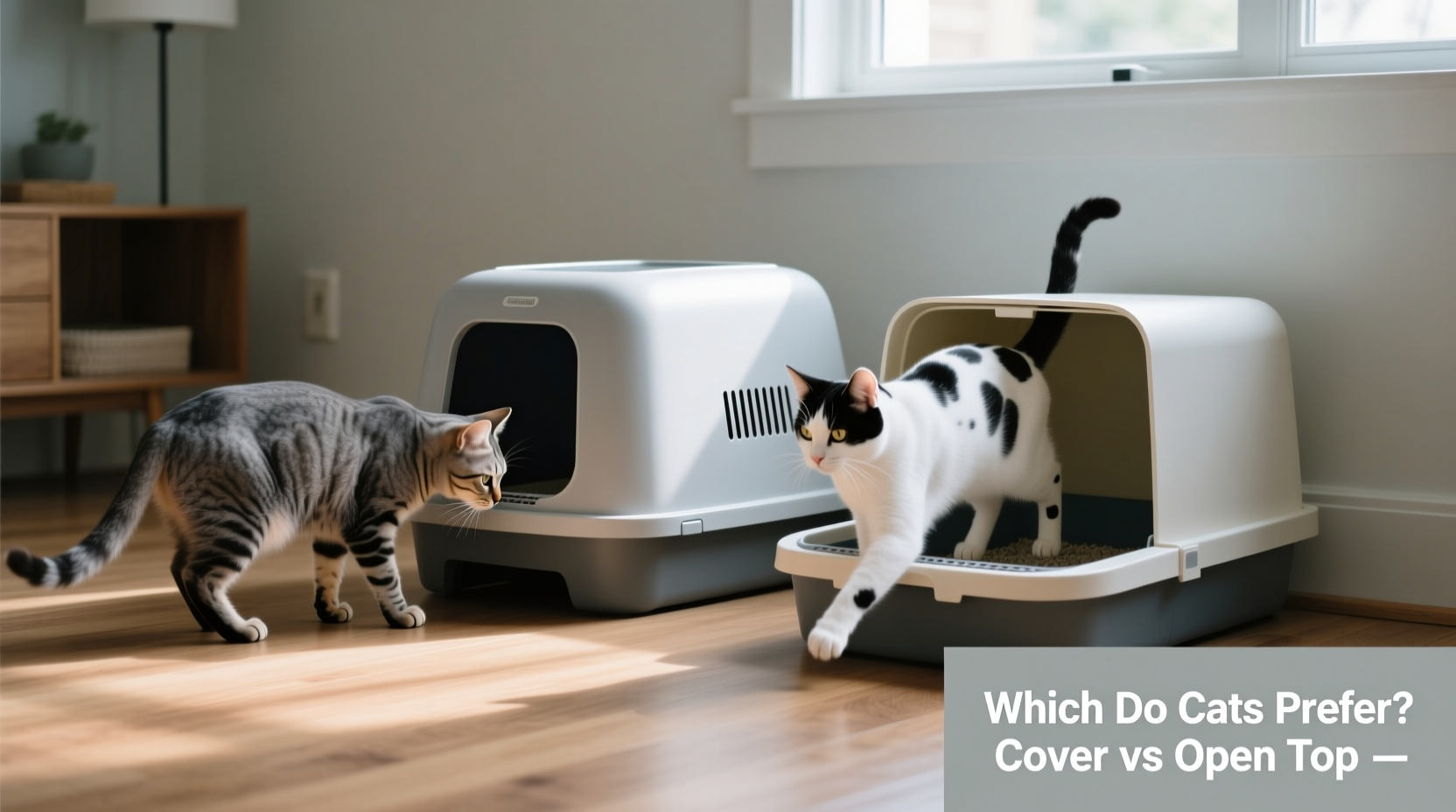
Cats are instinctively clean animals. In the wild, they bury their waste to avoid attracting predators and to mark territory discreetly. This natural tendency translates into domestic life through their use of litter boxes. However, not all cats respond the same way to different litter box designs.
One key factor influencing preference is a cat’s sense of security. Some cats feel safer in enclosed spaces, while others perceive a covered box as a trap with limited escape routes. A study published in the *Journal of Feline Medicine and Surgery* found that while some cats showed no strong preference, others consistently avoided covered boxes—especially in multi-cat households where competition for space increases anxiety.
Additionally, litter box height, entry point, and ease of access matter. Older cats or those with arthritis may struggle to climb into high-walled or hooded boxes. Conversely, kittens and energetic cats might kick litter out of open boxes but benefit from the containment a lid provides.
Tip: Observe your cat’s behavior during and after using the litter box. Signs of hesitation, scratching at the door, or eliminating nearby may indicate discomfort with the current design.Pros and Cons: Covered Litter Boxes
Litter boxes with lids are often marketed as the superior choice for odor control and mess reduction. While they offer certain advantages, they also come with drawbacks that may affect your cat’s willingness to use them consistently.
Advantages of Covered Litter Boxes
- Odor containment: The lid helps trap smells, making the environment more pleasant for humans.
- Litter scatter reduction: High walls and hoods minimize the amount of litter kicked outside the box.
- Privacy: Some cats appreciate the enclosed space, especially in busy or noisy homes.
- Visual discretion: A covered box blends better into living spaces, particularly in shared rooms.
Disadvantages of Covered Litter Boxes
- Poor ventilation: Stale air and concentrated ammonia fumes can build up, deterring sensitive cats.
- Difficulty cleaning: Smaller openings make scooping and full changes more cumbersome.
- Entrapment risk: Cats may feel cornered, especially if another pet or person approaches while they’re inside.
- Height barriers: Older or disabled cats may find it hard to step over the high threshold.
“While owners love covered boxes for reducing odors, many cats dislike the confined space and poor airflow. Forcing a cat into a hooded box they reject can lead to inappropriate elimination.” — Dr. Sarah Ellis, Certified Feline Behavior Specialist
Open-Top Litter Boxes: Simplicity That Works
Open litter boxes are the original design—simple, accessible, and straightforward. Despite being less popular among owners concerned about aesthetics, they remain the preferred choice for many cats.
Benefits of Open Litter Boxes
- Easy access: Low sides allow quick entry and exit, ideal for kittens, seniors, and mobility-impaired cats.
- Better visibility: Cats can see their surroundings, reducing fear of surprise attacks—a critical instinct for prey animals.
- Improved airflow: No lid means odors dissipate faster, preventing buildup of unpleasant scents.
- Easier maintenance: Full access makes daily scooping and deep cleaning quicker and more thorough.
Drawbacks of Open Litter Boxes
- Litter tracking: Active diggers can fling litter across the floor, requiring frequent sweeping.
- Less privacy: In high-traffic areas, some cats may feel exposed and avoid using the box.
- Odor dispersion: Without containment, smells spread more easily throughout the home.
- Aesthetic concerns: Owners may find open boxes less visually appealing in common living areas.
Comparative Analysis: Key Features at a Glance
| Feature | Covered Litter Box | Open-Top Litter Box |
|---|---|---|
| Odor Control | High (when cleaned regularly) | Low to moderate |
| Litter Scatter | Reduced | Higher, especially with vigorous digging |
| Cat Accessibility | Lower (high entry, confined space) | High (easy in/out) |
| Ventilation | Poor (stale air builds up) | Excellent |
| Ease of Cleaning | More difficult (limited access) | Easier (full visibility and reach) |
| Feline Preference (Average) | Mixed (some like privacy, others avoid) | Generally higher acceptance |
Real-World Case Study: Two Cats, Two Preferences
In a household in Portland, Oregon, a couple adopted two rescue cats: Luna, a shy 7-year-old tabby, and Milo, a bold 2-year-old tuxedo. They initially set up a single covered litter box to minimize odor in their small apartment. Within days, Luna began urinating beside the box, while Milo used it without issue.
After consulting a veterinary behaviorist, the owners introduced a second, open-top box placed in a quiet corner. They removed the cover from the first box and now offer both options. Luna immediately began using the open box, while Milo alternated between both. The inappropriate elimination stopped completely within a week.
This case illustrates a common truth: even within the same home, cats can have vastly different preferences. Providing choices often resolves litter box aversion issues more effectively than enforcing a one-size-fits-all solution.
Actionable Checklist: Choosing the Right Litter Box
Use this checklist to evaluate which type of litter box suits your cat(s):
- Assess your cat’s age and mobility—are they agile or showing signs of stiffness?
- Observe how they enter and exit the current box—do they hesitate or struggle?
- Note any signs of stress, such as excessive grooming or avoidance of the litter area.
- Consider your home layout—is the box in a high-traffic area or a quiet retreat?
- Test both types: Place an open and a covered box side-by-side (if space allows) and monitor usage.
- Ensure there are enough boxes—one per cat plus one extra—is a widely recommended rule.
- Keep the box meticulously clean; cats are more likely to reject dirty boxes, regardless of design.
- Experiment with placement—sometimes location matters more than lid type.
Frequently Asked Questions
Do most cats prefer open litter boxes?
Studies and anecdotal evidence suggest that the majority of cats show no strong preference or slightly favor open boxes due to better ventilation and easier access. However, individual personalities vary—some shy or anxious cats may feel safer in enclosed models.
Can a covered litter box cause litter box avoidance?
Yes. Poor ventilation leads to ammonia buildup, which many cats find intolerable. Additionally, the confined space can trigger stress, especially in multi-cat homes. If your cat suddenly stops using a covered box, try switching to an open one to see if behavior improves.
How can I reduce litter tracking with an open box?
Place a large litter mat underneath and around the box to catch stray granules. Choose low-tracking litter formulas, and consider positioning the box on an easy-to-clean surface like tile or laminate. Some owners use semi-enclosed trays that capture litter without fully covering the box.
Expert Recommendations and Final Considerations
Veterinarians and feline behaviorists consistently emphasize that the best litter box is the one your cat will use reliably. Dr. Mikel Delgado, a cat behavior researcher at the University of California, Davis, advises: “The number one rule of litter box management is to think from the cat’s perspective. Cleanliness, location, and accessibility outweigh human convenience every time.”
If odor is your primary concern, focus on solutions that don’t compromise feline comfort—such as using highly absorbent, clumping litter, scooping twice daily, and placing an air purifier nearby. Automatic self-cleaning boxes, whether open or covered, can also reduce maintenance while improving hygiene.
Ultimately, the choice between a covered and open-top litter box should be guided by observation, not assumption. Your cat’s body language, usage patterns, and overall demeanor are the most reliable indicators of satisfaction.
Tip: Never force a cat into a new litter box. Allow gradual introduction by keeping both old and new options available for at least a week.Conclusion: Prioritize Your Cat’s Comfort Over Convenience
The debate between litter boxes with lids and open-top models isn’t about which is objectively better—it’s about which one your cat prefers. While covered boxes offer benefits for human occupants, they often fall short in meeting feline needs for safety, scent control, and freedom of movement. Open boxes, though messier for owners, align more closely with natural feline instincts.
The most effective approach is to offer choices, maintain impeccable cleanliness, and remain attentive to behavioral cues. By respecting your cat’s preferences, you foster trust, prevent litter-related issues, and create a healthier, happier living environment for everyone in the household.
🚀 Take action today: Watch your cat’s next few litter box visits. Are they confident or hesitant? Consider trying an alternative design—even temporarily—to see if it improves their experience. Share your findings with other cat owners and help spread awareness: when cats are comfortable, everyone wins.








