Chapped, dry lips are more than just uncomfortable—they can undermine even the most carefully curated makeup look. As beauty brands flood the market with glossy lip oils and rich hydrating lipsticks, consumers are left wondering: which product truly delivers long-lasting moisture? While both promise soft, supple lips, their formulations, textures, and mechanisms of action differ significantly. Understanding these differences is key to choosing the right product for your skin type, lifestyle, and lip-care goals.
The Science Behind Lip Moisture Loss
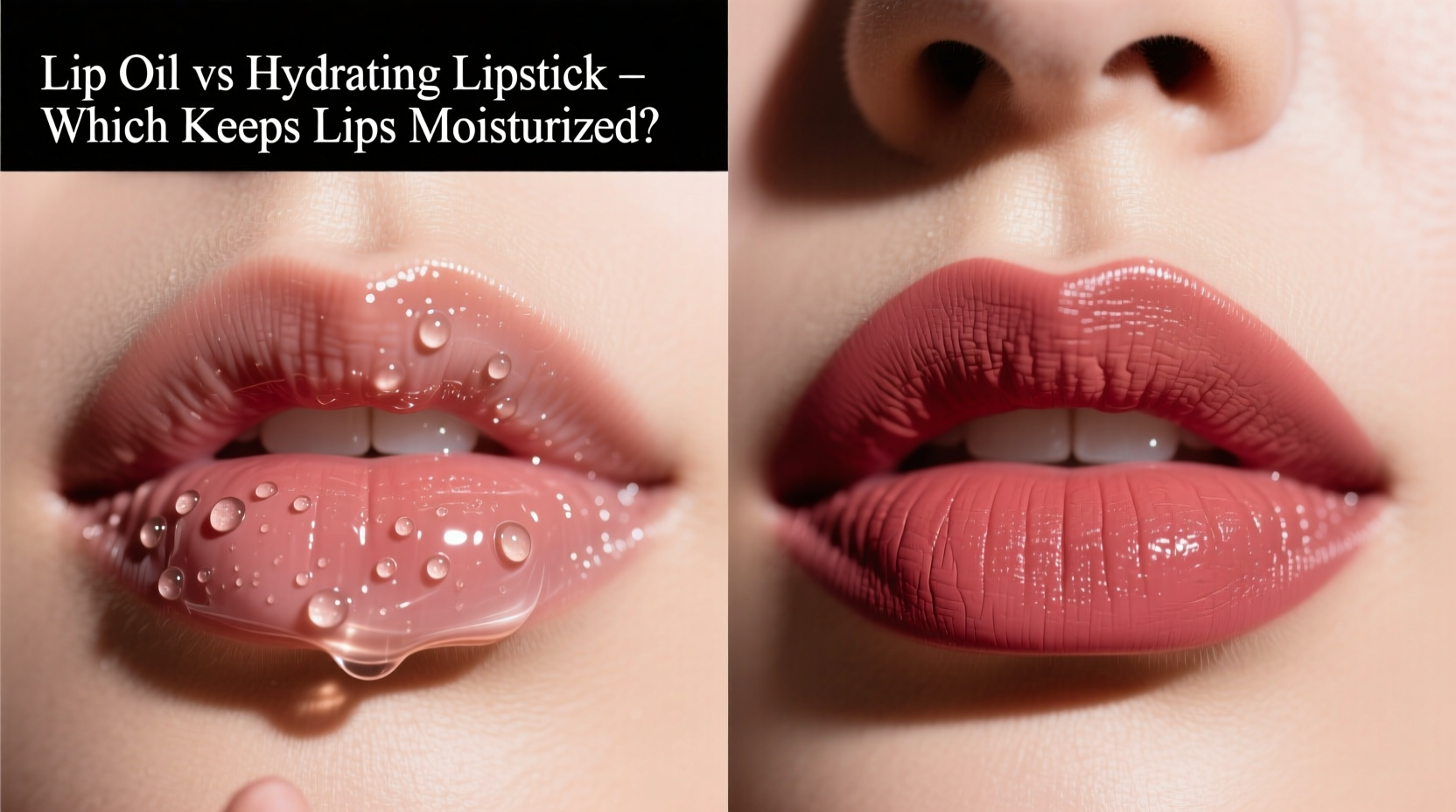
Lips lack sebaceous glands, the tiny oil-producing structures found in other areas of facial skin. This means they don’t produce their own protective lipid barrier, making them especially vulnerable to environmental stressors like wind, cold, UV exposure, and dehydration. Without proper care, lips quickly become dry, cracked, and sensitive.
Moisturizing lip products work by either occluding (sealing in moisture), humecting (attracting water), or emolliating (softening and smoothing). The best formulations combine all three functions, but not all products achieve this balance equally.
“Lips are among the most delicate parts of our skin. They need consistent hydration, especially in harsh climates.” — Dr. Nina Patel, Board-Certified Dermatologist
How Lip Oils Work: Shine Meets Function
Lip oils have surged in popularity over the past few years, praised for their glossy finish and lightweight feel. Unlike traditional balms, they often contain a blend of plant-based oils—such as jojoba, rosehip, and argan—along with silicones like dimethicone to create a smooth, non-sticky texture.
These oils penetrate deeply due to their small molecular structure, delivering essential fatty acids that nourish the lip surface. Many also include hyaluronic acid or squalane to attract and bind moisture from the air. Because they’re typically applied in liquid or gel form, lip oils spread evenly and absorb quickly without leaving a heavy residue.
Tip: Apply lip oil on damp lips to lock in extra hydration—similar to how you’d use a face serum after misting.However, despite their nourishing ingredients, lip oils may not provide sufficient occlusion for extremely dry conditions. Their fluid nature means they can wear off faster, especially when eating or drinking, requiring frequent reapplication.
Hydrating Lipsticks: Makeup That Cares
Hydrating lipsticks aim to bridge the gap between color cosmetics and skincare. These formulas are typically wax- and oil-based, enriched with shea butter, vitamin E, ceramides, and sometimes SPF. Unlike matte or long-wear lipsticks, which can be drying, hydrating versions prioritize comfort and moisture retention.
The thicker consistency of hydrating lipstick creates a semi-occlusive barrier that slows moisture loss. This makes them particularly effective in low-humidity environments or during winter months. Additionally, many contain polymers that adhere well to the lip surface, offering longer wear time than lip oils.
That said, the very ingredients that make hydrating lipsticks moisturizing—like lanolin or high concentrations of waxes—can feel heavy or greasy to some users. And because they often include pigments and dyes, those with sensitive skin may experience irritation over time.
Head-to-Head Comparison: Key Differences
| Feature | Lip Oil | Hydrating Lipstick |
|---|---|---|
| Molecular Penetration | High – oils absorb quickly into lip tissue | Moderate – heavier formula sits more on the surface |
| Occlusive Properties | Low to moderate – depends on added silicones | High – waxes and butters form a protective layer |
| Wear Time | 1–2 hours (requires frequent reapplication) | 3–5 hours (longer-lasting due to adhesion) |
| Finish | Glossy, wet-look shine | Semi-sheer to opaque with satin finish |
| Best For | Daily hydration, under-lipstick prep, summer use | Dry climates, extended wear, color + care combo |
Real-World Scenario: A Week in the Life of Two Users
Case Study 1: Maya, Office Worker in Chicago
Maya commutes daily in cold, dry winter air. She initially switched to a trendy lip oil for its lightweight feel but noticed her lips felt tight by midday. After switching to a hydrating lipstick with shea butter and SPF, she reported less flaking and longer comfort—even through coffee breaks and meetings.
Case Study 2: Jordan, Freelancer in Los Angeles
Jordan spends mornings outdoors and prefers minimal makeup. Using a tinted lip oil with avocado oil and hyaluronic acid, they found their lips stayed soft throughout the day without feeling weighed down. However, they still applied a balm at night for deeper repair.
These examples highlight that effectiveness depends heavily on environment, routine, and personal preference—not just product claims.
When to Use Each Product: A Practical Guide
Relying solely on marketing buzzwords won’t tell you what works best. Instead, match the product to your needs using this step-by-step approach:
- Assess your lip condition: Are they chronically dry, peeling, or generally healthy?
- Evaluate your environment: Cold and windy? Opt for occlusion. Humid and mild? Lightweight oils may suffice.
- Consider your routine: Do you eat frequently? Lipstick may wear off faster. Prefer no-makeup days? Lip oil adds subtle glow.
- Layer strategically: Use lip oil as a base under hydrating lipstick for maximum moisture retention.
- Night care matters: Neither product replaces a dedicated overnight treatment. Use a thick balm or mask before bed.
Expert-Backed Checklist for Healthy Lips
- ✅ Drink plenty of water throughout the day
- ✅ Avoid licking your lips (saliva evaporates and worsens dryness)
- ✅ Use a humidifier indoors during winter
- ✅ Reapply lip product every 2–3 hours if exposed to elements
- ✅ Choose fragrance-free formulas if you have sensitive skin
- ✅ Always remove lip color before sleeping
- ✅ Incorporate a nighttime lip mask weekly
Frequently Asked Questions
Can I use lip oil under lipstick?
Absolutely. Applying a thin layer of lip oil before your lipstick enhances comfort, prevents patchiness, and boosts shine. Just blot lightly before applying color to avoid sliding.
Do hydrating lipsticks expire?
Yes. Most last 12–24 months after opening. Signs of expiration include changes in smell, texture, or increased irritation. Bacteria can grow in moist, waxy environments—especially if applied directly to the mouth.
Is it better to use lip oil at night?
While possible, most lip oils aren’t occlusive enough for overnight healing. For nighttime, choose a thicker balm with beeswax, petrolatum, or ceramides to seal in moisture while you sleep.
The Verdict: Which One Actually Keeps Lips Moisturized?
There’s no universal winner. Lip oils excel at delivering fast-absorbing nutrients and enhancing natural lip texture, making them ideal for daytime hydration and gloss lovers. Hydrating lipsticks, on the other hand, offer superior protection and longer wear, particularly in harsh conditions.
The most effective strategy isn't choosing one over the other—it's combining both. Use lip oil during the day for refreshment and hydration, and reach for a nourishing lipstick when you want color with care. For severely dry lips, neither should replace a dedicated treatment balm used consistently at night.
“Think of lip oil as a serum and hydrating lipstick as a moisturizer with benefits. Layering them gives you the best of both worlds.” — Lena Cho, Cosmetic Chemist & Formulation Expert
Take Action Today for Healthier Lips Tomorrow
Your lips deserve more than temporary fixes. Whether you lean toward the dewy allure of lip oils or the lasting comfort of hydrating lipsticks, the key is consistency and informed choices. Start paying attention to ingredient lists, adjust your routine with the seasons, and don’t underestimate the power of layering. With the right approach, you can maintain soft, hydrated lips year-round—without compromise.
💬 What’s your go-to lip product for moisture? Share your favorite brand or routine in the comments below!








