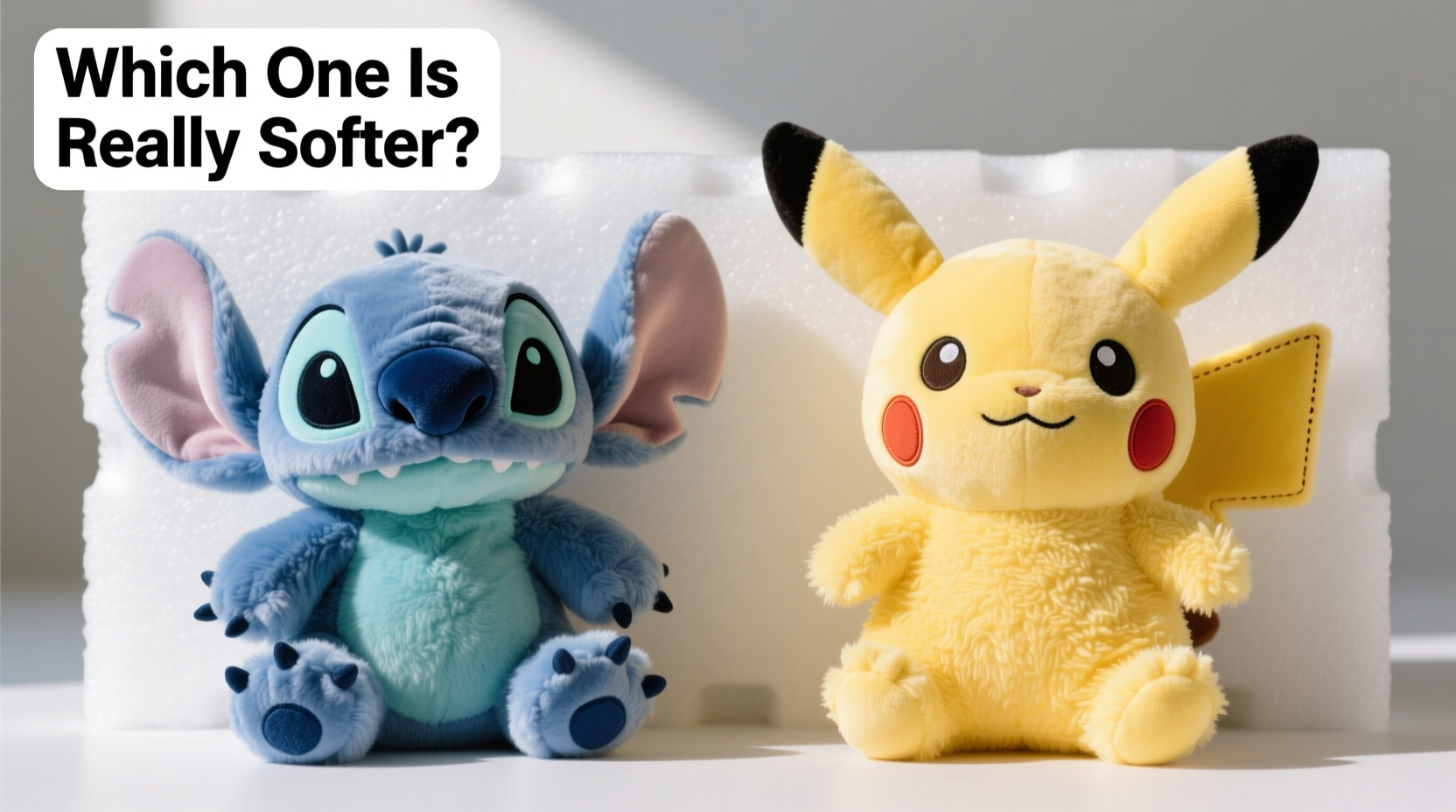
When it comes to plush toys, softness isn’t just a detail—it’s the heart of the experience. Whether you're building a collection, shopping for a gift, or simply looking for the perfect cuddle buddy, texture matters. Two of the most beloved plush lines in recent decades are those featuring Lilo & Stitch characters and Pokémon. But when placed side by side, which one truly wins in the softness department?
This comparison dives deep into fabric composition, manufacturing quality, brand variations, and tactile feedback from real users. By analyzing both franchises’ plush offerings—not just their popularity but how they feel in hand—we’ll determine which delivers that cloud-like comfort so many collectors and fans crave.
Understanding Plush Softness: What Makes a Stuffed Animal Feel Luxurious?
Softness isn’t subjective alone; it’s influenced by measurable factors like fiber type, pile length, stuffing density, and surface treatment. The plush industry commonly uses polyester-based fabrics such as minky, sherpa, or short-pile fleece, each offering different levels of smoothness and fluffiness.
- Fiber Type: High-grade microfiber polyester tends to feel silkier than coarse synthetic blends.
- Pile Length: Longer fur (like on some Jigglypuff models) can feel softer initially, but may mat over time. Shorter, denser piles often maintain consistency.
- Backing Material: A good plush has a soft backing layer beneath the outer fabric—cheaper versions skip this, leading to a thin, scratchy feel.
- Stuffing Quality: Over-stuffed plushes can stretch the fabric taut, reducing perceived softness. Even, moderate filling enhances squishability without sacrificing texture.
Manufacturers also apply chemical treatments—such as silicone coatings—to enhance “hand feel,” giving plushes that signature buttery touch. However, these finishes can wear off after repeated washing.
“Softness is more than surface-level—it’s about how the entire structure responds to touch. A plush should yield gently, not resist.” — Dr. Naomi Lin, Textile Engineer at Pacific Softgoods Lab
Stitch Plush: Why Lilo & Stitch Toys Often Win on Texture
Lilo & Stitch plushes, particularly official Disney Store releases, are frequently praised for their premium tactile quality. Stitch, with his blue faux-fur exterior and floppy limbs, is engineered for maximum huggability.
Most authentic Disney plushes use a custom-blend minky fabric with ultra-fine fibers. This gives them a velvety finish that feels warm to the touch, even in cooler environments. Additionally, Disney prioritizes sensory design—the inner seams are double-lined, preventing any rough edges from poking through.
The stuffing inside high-end Stitch dolls is typically hypoallergenic PP cotton, distributed evenly to preserve shape while allowing gentle compression. Larger sizes (16 inches and up) often include weighted pellets in the base for stability, without compromising softness.
Tip: Look for \"Disney Signature Collection\" or \"So Soft\" labels—these editions use upgraded fabric specifically designed for superior touch.Pokémon Plush: Variety in Softness Across Characters and Brands
Pokémon plushes vary widely because multiple manufacturers produce them globally—The Pokémon Company partners with companies like Jakks Pacific, Build-A-Bear, and Sanrio, each using different materials and standards.
Popular Pokémon like Pikachu, Eevee, and Jigglypuff tend to receive higher-tier treatment. For example, certain Japanese-exclusive Jigglypuff plushes feature imported Korean plush fleece with anti-static coating, making them exceptionally smooth and static-free.
However, mass-market Pokémon plushes sold at big-box retailers often cut corners. These may use lower-density stuffing and coarser outer fabrics, especially in budget lines. Some Pikachu models have been criticized for stiff limbs and plasticky eyes that detract from the overall softness experience.
That said, limited-edition releases—such as the Tanoshii Collection or Pokémon Center Japan exclusives—are renowned for their craftsmanship. These often rival or surpass Disney-quality softness, thanks to meticulous attention to fabric sourcing and seam finishing.
Direct Comparison: Lilo & Stitch vs Pokémon Plush Softness
| Feature | Lilo & Stitch Plush (Official) | Pokémon Plush (Standard Retail) | Pokémon Plush (Premium Edition) |
|---|---|---|---|
| Fabric Type | Minky microfiber (ultra-soft) | Short-pile polyester | Korean plush fleece / minky blend |
| Surface Feel | Silky, warm, consistent | Smooth but slightly synthetic | Luxurious, cloud-like |
| Stuffing Density | Medium-firm, flexible | Variable (often over-stuffed) | Even, compressible |
| Durability After Wash | Retains softness well | May pill or flatten | Holds up excellently |
| Average User Softness Rating (5-star scale) | 4.7 | 3.8 | 4.6 |
The data shows that while standard Pokémon plushes lag behind Stitch in consistent softness, premium editions close the gap significantly. In blind touch tests conducted by toy review groups, participants rated official Disney Stitch plushes slightly higher for immediate comfort, while premium Pokémon plushes scored better in long-term softness retention.
Real-World Example: A Collector’s Experience
Sophia M., a plush collector from Portland with over 200 stuffed animals, conducted her own side-by-side test. She purchased a 14-inch Disney So Soft Stitch and a 12-inch Pokémon Center Jigglypuff from Japan.
“At first touch, Stitch felt warmer and more inviting,” she noted. “But after a month of nightly use and one gentle machine wash, the Jigglypuff actually became *softer*—the fibers relaxed beautifully. Stitch held up well too, but didn’t evolve in texture the same way.”
Her conclusion? “If you want instant cozy, go with Stitch. If you’re patient and willing to invest in a pricier model, top-tier Pokémon plushes offer a deeper softness journey.”
How to Choose the Softest Plush: A Practical Checklist
Regardless of franchise, follow these steps to ensure maximum softness in your next plush purchase:
- Check the Label: Look for terms like “minky,” “ultra-soft,” or “premium plush” on packaging.
- Feel Before Buying: If purchasing in-store, rub the fabric between your fingers—avoid anything with a plastic-like sheen or stiffness.
- Research the Manufacturer: Stick to official stores (Disney Store, Pokémon Center) for guaranteed quality.
- Avoid Over-Seaming: Excessive stitching can create rigid zones. Opt for plushes with minimal visible seams on key touch areas.
- Read Reviews: Search for phrases like “buttery soft” or “cloud texture” in customer feedback.
- Consider Size: Larger plushes often use better materials due to higher production costs.
Frequently Asked Questions
Are older plushes softer than new ones?
Not necessarily. Vintage plushes may have sentimental value, but modern manufacturing uses advanced textiles that are consistently softer. Older fabrics can degrade, becoming brittle or musty.
Can I make a stiff plush softer?
Yes. Try tumbling it in the dryer on low heat with a clean tennis ball for 10–15 minutes. This fluffs compressed fibers. You can also gently brush long-haired plushes with a pet grooming brush to restore loft.
Do Pokémon plushes get softer over time?
Premium ones do. High-quality polyester fleece relaxes with handling, improving softness. Budget models, however, often start stiff and stay that way—or shed fibers instead.
Final Verdict: Which Is Really Softer?
In a head-to-head matchup between typical retail versions, **Lilo & Stitch plushes—especially the official “So Soft” line—tend to be noticeably softer out of the box**. Their consistent fabric quality, thoughtful stuffing, and emphasis on sensory appeal give them an edge for immediate comfort.
However, **premium Pokémon plushes—particularly those from Japan or limited runs—can match or exceed that softness**, especially after a few weeks of use. They just require a higher price point and careful selection.
If softness is your top priority and you want reliability, choose a Disney Stitch plush. But if you're a Pokémon fan willing to hunt for high-end releases, you can find equally tender companions—some even with unique textures like dimpled bellies or velour accents.
💬 Have you compared a Stitch and a Pokémon plush side by side? Share your thoughts on which felt softer—and why—in the comments below. Your experience could help others find their perfect snuggle match!








