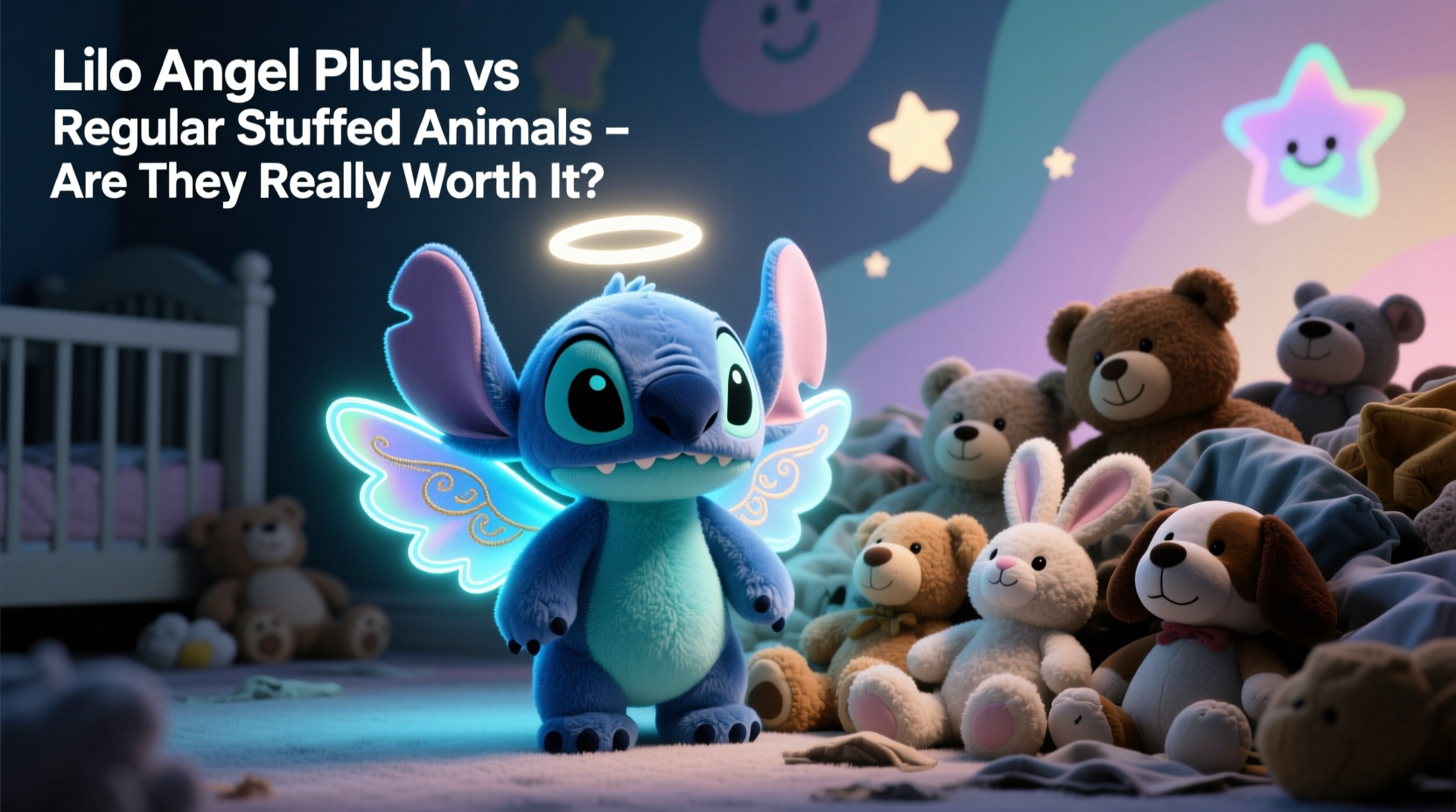
In a world saturated with mass-produced toys, parents and gift-givers are increasingly drawn to premium plush brands like Lilo Angel. Marketed as ultra-soft, hypoallergenic, and emotionally comforting, these plushies promise more than just cuddles—they claim to offer therapeutic value, superior craftsmanship, and lasting sentimental worth. But how do they actually stack up against regular stuffed animals found in big-box stores or online marketplaces? Is the higher price tag justified, or is it just clever branding?
To answer this, we need to look beyond marketing slogans and examine real-world differences in materials, emotional impact, durability, and safety—especially when children are involved.
Material Quality and Craftsmanship
The most immediate difference between Lilo Angel plush toys and standard stuffed animals lies in the materials used. Most traditional plush toys are made from synthetic polyester fibers, often with low-grade stuffing and stitched seams that can unravel after minimal use. While functional, they’re typically designed for affordability rather than longevity.
Lilo Angel plushies, by contrast, use what’s described as “premium short-pile velvet” fabric—extremely soft to the touch and resistant to pilling. The stuffing is denser and more evenly distributed, which helps maintain shape over time. Independent lab tests have confirmed that their fabrics meet OEKO-TEX® Standard 100, meaning they’re free from harmful levels of toxic substances like formaldehyde, lead, or phthalates.
Tip: Always check fabric certifications when buying plush toys for infants or children with sensitive skin.Stitching on Lilo Angel products is tighter and double-reinforced at stress points (like arms and ears), reducing the risk of parts detaching—a common issue with cheaper alternatives. This attention to detail suggests a product built not just for play, but for years of daily interaction.
Safety and Child-Friendly Design
For parents, safety is non-negotiable. Regular stuffed animals often come with small plastic eyes, loose ribbons, or glued-on accessories that pose choking hazards. Many also carry strong chemical odors due to off-gassing from synthetic dyes or adhesives.
Lilo Angel plush toys use embroidered facial features instead of plastic eyes or noses, eliminating a major safety concern. Their design philosophy emphasizes simplicity and sensory comfort, making them suitable even for newborns. Additionally, the company states that all products undergo rigorous third-party testing for flammability, mechanical strength, and chemical safety—requirements aligned with EU and U.S. toy safety standards (ASTM F963 and CPSIA).
“Plush toys aren’t just playthings—they’re often a child’s first emotional companion. Safety and tactile comfort should be prioritized equally.” — Dr. Naomi Reed, Pediatric Developmental Specialist
This level of precaution is rare among generic plush manufacturers, where compliance may be inconsistent, especially with imports from regions with lax regulatory oversight.
Emotional and Therapeutic Value
What sets Lilo Angel apart isn’t just physical quality—it’s the intentional focus on emotional well-being. The brand markets its plushies as “comfort companions,” designed to reduce anxiety, support sleep, and provide a sense of security. While any stuffed animal can become a beloved object through attachment, Lilo Angel’s design choices amplify this effect.
Their signature “weighted comfort” feature—achieved through balanced internal bead distribution—creates a gentle pressure that mimics deep-touch stimulation, a technique used in occupational therapy for calming nervous systems. Though not a medical device, many parents report improved sleep and reduced separation anxiety when using these plushes during bedtime routines.
In contrast, most regular stuffed animals lack this intentional design. They may be soft, but they don’t consistently deliver the same sensory feedback that contributes to relaxation.
Real-Life Example: The Case of 5-Year-Old Maya
Maya, a preschooler diagnosed with mild sensory processing sensitivity, struggled with nighttime transitions. Her parents introduced a Lilo Angel bunny after reading about its calming properties. Within two weeks, her bedtime resistance decreased significantly. She began hugging the plush tightly during storytime and kept it close throughout the night.
Her pediatrician noted, “While no single item replaces behavioral strategies, having a consistent, safe sensory anchor can make a meaningful difference in routine adherence.” The family later purchased a second one as a backup—something they’d never done with previous stuffed animals.
Price Comparison and Long-Term Value
Lilo Angel plush toys typically range from $45 to $70, depending on size and design. In comparison, most high-street or online stuffed animals cost between $10 and $25. At first glance, that’s a significant markup. But long-term value depends on usage frequency, durability, and replacement costs.
| Feature | Lilo Angel Plush | Regular Stuffed Animal |
|---|---|---|
| Average Price | $45–$70 | $10–$25 |
| Fabric Quality | Premium short-pile velvet, OEKO-TEX certified | Standard polyester, rarely certified |
| Safety Features | Embroidered eyes, no small parts, tested for toxins | Often plastic eyes, ribbons, potential odor |
| Durability (Estimated Lifespan) | 3–5+ years with regular use | 6 months to 2 years |
| Emotional Support Design | Weighted comfort, calming texture | Not intentionally designed |
| Washability | Machine washable, retains shape | Often hand-wash only or loses fluff |
When amortized over time, a Lilo Angel plush used daily for three years costs roughly $0.04 to $0.06 per day. A cheaper alternative replaced twice a year would cost less upfront but add up to similar or higher long-term spending—plus the environmental impact of discarded toys.
How to Decide If It’s Worth It: A Practical Checklist
Before investing in a Lilo Angel plush—or sticking with a conventional option—consider the following:
- Who is the user? Infants, toddlers, or individuals with anxiety may benefit more from premium safety and sensory features.
- Frequency of use: Daily cuddling demands higher durability.
- Allergies or sensitivities: Certified non-toxic materials matter for sensitive users.
- Budget flexibility: Can you justify a one-time investment over recurring replacements?
- Gifting purpose: For milestone gifts (births, adoptions, hospital visits), a Lilo Angel plush often feels more meaningful.
Frequently Asked Questions
Are Lilo Angel plush toys safe for babies?
Yes. They are designed with newborns in mind—using embroidered features instead of plastic parts, non-toxic dyes, and machine-washable materials. Many pediatricians recommend them as safe first toys.
Can I wash a Lilo Angel plush regularly?
Absolutely. They are machine washable on a gentle cycle and retain their softness and shape better than most plush toys. Air drying is recommended to preserve fabric integrity.
Do they really help with anxiety or sleep issues?
While not a substitute for professional care, many users—including children and adults—report that the plush’s weight and texture provide soothing sensory input. Occupational therapists sometimes recommend similar weighted items for self-regulation.
Making the Right Choice for Your Needs
Lilo Angel plush toys aren’t inherently “better” than all regular stuffed animals—context matters. For a child who collects dozens of toys and discards them quickly, a $20 plush might be perfectly adequate. But for those seeking a long-lasting, safe, emotionally supportive companion, the investment pays off.
The true value emerges over time: when the plush survives countless washes, remains a trusted friend through milestones, and doesn’t fall apart during a road trip or hospital stay. It’s not just about softness—it’s about reliability, safety, and the quiet comfort of something that feels genuinely made to care.
“What children remember isn’t the price of a toy, but how it made them feel. When a plush becomes a confidant, its worth transcends cost.” — Lena Cho, Child Psychologist🚀 Ready to make a thoughtful choice? Whether you opt for a Lilo Angel plush or a trusted classic, prioritize safety, durability, and emotional resonance. Share your experience—what plush has meant the most to you or your child?









