
In the immersive world of LifeAfter, your virtual dog is more than a companion—it’s a vital survival ally. Whether you're scavenging ruins, fending off infected creatures, or building your base, a well-fed and healthy dog significantly enhances your gameplay. However, many players overlook the nuanced mechanics of canine nutrition within the game, leading to stunted growth, reduced stamina, and diminished combat performance. Understanding how to properly feed your virtual pet isn’t just about dropping food into a bowl; it’s about strategic nourishment tailored to developmental stages, activity levels, and long-term loyalty.
Understanding Your Virtual Dog’s Nutritional Needs
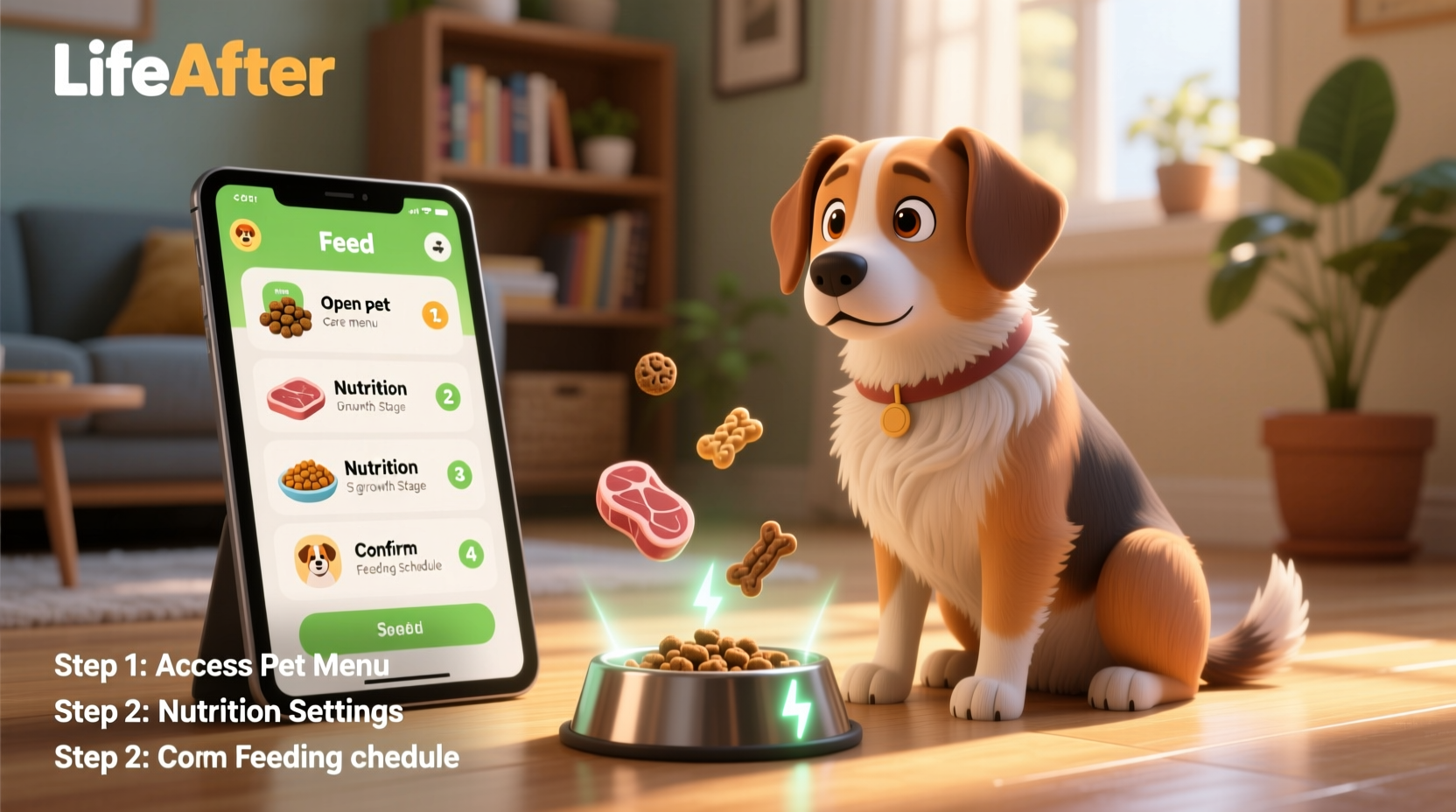
Like real animals, virtual dogs in LifeAfter respond to specific nutritional inputs. The game simulates biological systems where protein supports muscle development, fats fuel endurance, and carbohydrates aid recovery. Each food item carries a nutrient profile that affects your dog’s stats: HP regeneration, attack power, movement speed, and emotional stability (which influences obedience).
The key is not just feeding, but feeding wisely. Early-game players often give any available food, such as canned meat or raw fish, without considering balance. This leads to temporary satiety but poor long-term development. Optimal growth requires consistent access to high-value meals rich in protein and essential vitamins—items like cooked venison, nutrient paste, or fortified kibble crafted at advanced workbenches.
“Just like in real life, balanced nutrition determines how resilient and effective your dog will be under pressure.” — Dr. Lena Torres, Game Design Consultant specializing in AI companions
Step-by-Step Feeding Protocol for Maximum Growth
To ensure your dog reaches its full potential, follow this structured feeding timeline. This protocol spans from adoption to peak performance, aligning with in-game progression milestones.
- Day 1–3: Stabilization Phase
After rescuing your dog, it begins with low HP and trust. Feed simple, easily digestible foods like boiled chicken or canned beans. Avoid raw meat during this phase—it can trigger anxiety events. Goal: Build initial trust and stabilize energy. - Day 4–7: Growth Initiation
Introduce protein-rich meals. Cooked rabbit, grilled fish, or homemade dog stew (crafted using the Campfire) are ideal. Feed twice per in-game day. Monitor the ‘Vitality’ meter in the pet menu—aim for steady upward movement. - Week 2–3: Development Acceleration
Upgrade to high-tier foods. Use Nutrient Mix (crafted with vegetables, meat, and supplements) or Military Rations if available. These boost both physical stats and learning speed for new commands. Begin pairing meals with training drills for synergistic gains. - Week 4+: Peak Performance Maintenance
Your dog should now exhibit maxed-out size and responsiveness. Maintain with Premium Kibble or Survival Paste, which offer sustained energy release. Rotate food types weekly to prevent ‘diet fatigue,’ a mechanic that reduces absorption efficiency after prolonged monotony.
Do’s and Don’ts of Virtual Pet Nutrition
| Do’s | Don’ts |
|---|---|
| Feed at consistent in-game intervals (every 6–8 hours) | Overfeed in hopes of faster growth—excess calories convert to sluggishness |
| Use the “Favorite Food” indicator (heart icon) to strengthen bonding | Give spoiled or contaminated food—even virtual pathogens affect mood |
| Craft specialized meals at upgraded cooking stations | Rely solely on scavenged food; quality varies drastically |
| Pair feeding with verbal commands to reinforce obedience | Ignore hunger alerts—prolonged starvation triggers permanent stat penalties |
A Real Player’s Journey: From Stray to Sentinel
Consider the case of Maya R., a mid-level survivor who adopted a wounded German Shepherd near the Abandoned Highway zone. Initially, she fed it random scraps—canned peaches, stale bread, even chocolate bars (a known toxin). Within days, her dog became lethargic and failed to respond during a zombie ambush.
After researching community forums, Maya implemented a disciplined feeding plan. She began crafting Nutrient Mix using farmed carrots, hunted boar meat, and multivitamin tablets looted from clinics. Within two weeks, her dog’s HP increased by 40%, and it successfully detected and subdued an intruder at her base.
“I didn’t realize how much diet affected behavior,” Maya shared in a player interview. “Once I started feeding right, he wasn’t just stronger—he was smarter, more alert. It changed how I play.”
Essential Feeding Checklist
- ☑ Rescue dog during daylight hours (higher success rate)
- ☑ Stockpile at least 5 basic food items before adoption
- ☑ Unlock the Pet Menu interface to monitor hunger, mood, and growth
- ☑ Craft Nutrient Mix at Campfire or Kitchen Station
- ☑ Feed first meal within 30 minutes of adoption
- ☑ Introduce one new food type per week to test tolerance
- ☑ Upgrade to Premium Kibble by Day 15
- ☑ Rotate food sources every 7 in-game days
Frequently Asked Questions
Can I feed my dog human food from my inventory?
Yes, but selectively. While some human-grade foods like grilled meat or vegetable soup are excellent, others—especially sugary or processed items—can cause hyperactivity followed by crashes. Always review the nutritional tooltip before feeding.
What happens if I miss a feeding?
A single missed meal results in mild mood drop and slower stamina regen. Two consecutive misses trigger a “Neglect Warning” and reduce obedience. After three, your dog may temporarily leave your side until trust is restored through grooming and high-quality meals.
Is there a way to automate feeding?
Not directly, but players with upgraded bases can place a “Pet Feeder” module (unlocked at Tech Level 4). When stocked with kibble, it dispenses portions automatically every 8 in-game hours. Highly recommended for active raiders or explorers.
Optimizing Long-Term Canine Health
Feeding doesn’t end at growth. Sustained performance depends on dietary variety and adaptation. As you progress into late-game zones with higher threats, your dog faces increased stress and injury risk. At this stage, supplement regular meals with Recovery Biscuits or Stamina Chews—craftable items that enhance healing and focus.
Additionally, observe behavioral cues. A dog that whines at the food bowl or refuses meals may be signaling illness or dissatisfaction. In such cases, revert to bland foods like boiled chicken and rice for 24 in-game hours before reintroducing complex diets.
Tip: Combine feeding with voice commands like “Stay” or “Search” to reinforce training. Positive reinforcement triples learning retention.Conclusion: Nourish to Empower
Your virtual dog in LifeAfter is only as strong as the care you invest. Proper feeding isn’t a minor side task—it’s a core survival strategy. By following a disciplined, stage-based nutrition plan, you transform a vulnerable stray into a loyal, high-performance partner capable of detecting threats, carrying supplies, and defending your base.
Start today: audit your current feeding habits, upgrade your food stockpile, and implement the step-by-step protocol. A well-fed dog isn’t just healthier—it’s more intelligent, more obedient, and infinitely more valuable in the post-apocalyptic wilds.
💬 Have a feeding strategy that worked wonders for your dog? Share your experience in the comments and help fellow survivors raise stronger companions!








