
Choosing the right feeding setup for your dog isn’t just about convenience—it can impact their digestion, mental stimulation, and even emotional well-being. For owners of large or fast-eating breeds, the decision between a single large dog bowl and multiple smaller ones goes beyond aesthetics. It touches on canine psychology, physical health, and daily routine efficiency. While tradition favors one bowl per meal, modern pet care increasingly supports alternative feeding strategies that mimic natural foraging behaviors. The real question isn't just about capacity—it's whether your dog feels more satisfied, calm, and engaged with one approach over the other.
The Psychology Behind Canine Feeding Patterns
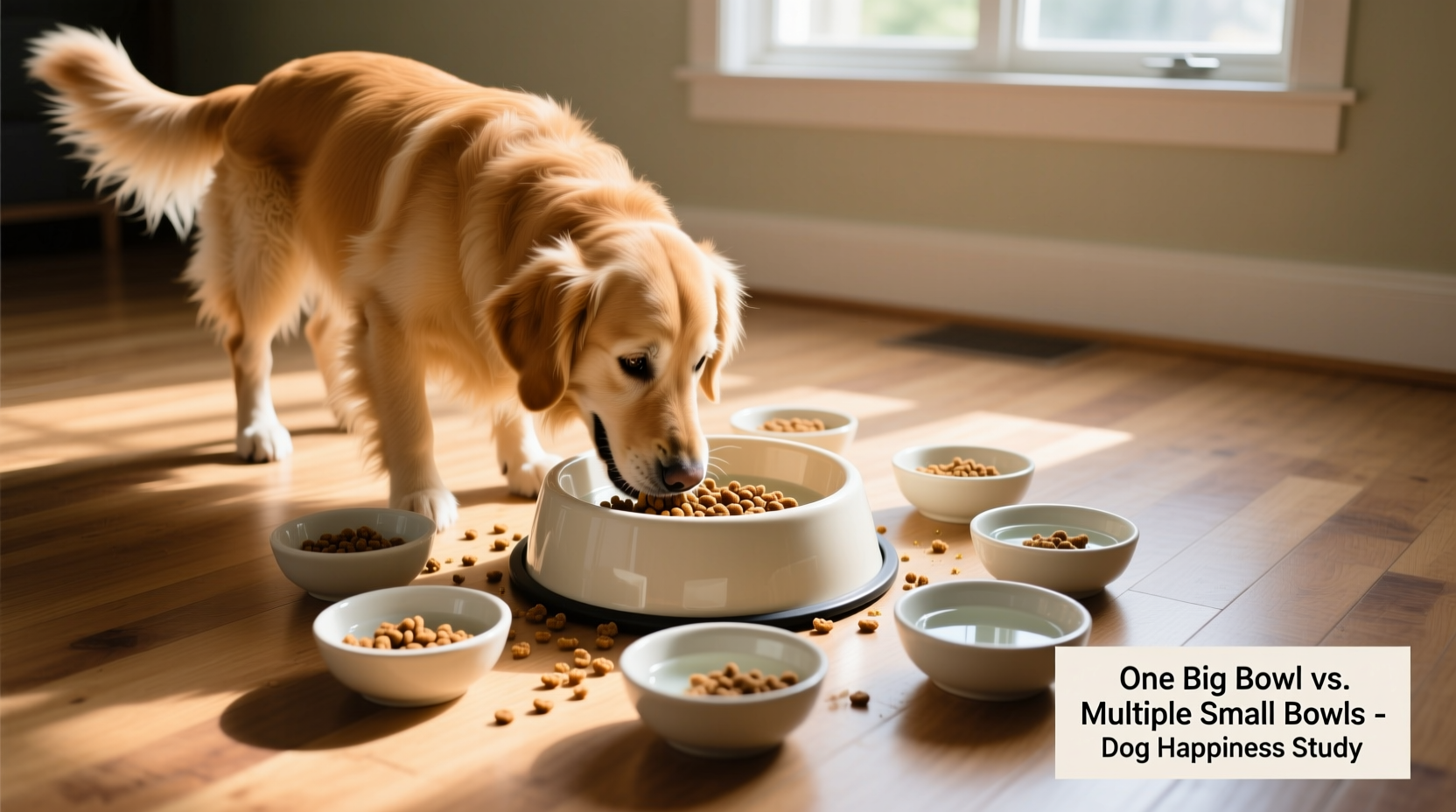
Dogs are descendants of wolves, animals that historically consumed meals intermittently and often competed for food. Even domesticated dogs retain instinctual behaviors around eating, such as speed, guarding, and preference for privacy. A single large bowl may unintentionally trigger competitive instincts—especially in multi-dog households—or encourage gulping due to perceived scarcity. In contrast, distributing food across several small bowls can simulate scavenging, which mentally engages the dog and slows consumption.
Studies in animal behavior suggest that environmental enrichment, including varied feeding methods, reduces stress and boredom. When dogs work slightly for their food—by moving from bowl to bowl or solving simple puzzles—they experience lower cortisol levels and increased satisfaction. This doesn’t mean every dog needs complexity, but for high-energy or anxious breeds, multiple feeding points can serve as low-effort enrichment.
Tip: Place small bowls in different quiet areas of the house to reduce competition and promote mindful eating.Health Implications: Bloat, Digestion, and Portion Control
One of the most serious concerns for large-breed dog owners is gastric dilatation-volvulus (GDV), commonly known as bloat. This life-threatening condition occurs when a dog eats too quickly, swallows excessive air, and experiences stomach expansion and twisting. Dogs fed from a single large bowl at ground level are statistically more prone to rapid eating, especially if they’re eager or stressed during mealtimes.
Using multiple small bowls naturally breaks up the meal into smaller portions, encouraging slower ingestion. This method acts like a built-in slow feeder without requiring special equipment. Veterinarians often recommend slowing down eating as a preventive measure against bloat, particularly in deep-chested breeds like Great Danes, German Shepherds, and Boxers.
“Slowing down food intake is one of the simplest and most effective ways to reduce the risk of bloat in susceptible breeds.” — Dr. Lena Torres, DVM, Veterinary Internal Medicine Specialist
Practical Comparison: One Bowl vs. Multiple Bowls
| Factor | Single Large Bowl | Multiple Small Bowls |
|---|---|---|
| Eating Speed | Often fast; encourages gulping | Slower due to movement and portion breaks |
| Digestive Risk | Higher risk of bloat and indigestion | Reduced risk through paced consumption |
| Mental Stimulation | Limited; routine-based | Enhanced; mimics foraging behavior |
| Cleanliness & Maintenance | One item to wash; easier to manage | More cleanup, but individual bowls dry faster |
| Suitability for Multi-Dog Homes | Risk of resource guarding | Reduces tension with spaced-out options |
Real-Life Example: Max, the Fast-Eating Labrador
Max, a four-year-old yellow Labrador, had a habit of finishing his dinner in under 30 seconds. His owner, Sarah, noticed he frequently regurgitated food shortly after meals and seemed restless afterward. Concerned about bloat, she consulted her vet, who suggested breaking his meal into three smaller portions placed in separate bowls around the living room and kitchen.
Within days, Max’s eating pace slowed dramatically. He began sniffing each location, walking between bowls deliberately. Not only did regurgitation stop, but Sarah also observed that Max napped more peacefully after meals. “It’s like he finally feels ‘done’ instead of always looking for more,” she said. The change required minimal effort but led to noticeable improvements in Max’s comfort and behavior.
Step-by-Step Guide to Transitioning to Multiple Bowls
If you're considering switching from one large bowl to several smaller ones, follow this gradual process to ensure your dog adapts positively:
- Assess your dog’s current eating behavior: Note how fast they eat, whether they gulp, and if they show signs of anxiety around food.
- Choose appropriate bowls: Use lightweight, non-slip bowls that are easy to place in different locations. Stainless steel or ceramic works best.
- Divide the daily ration: Split your dog’s total food amount into 2–4 portions depending on meal size and activity level.
- Start with two locations: Place bowls a few feet apart initially to avoid confusion. Gradually increase distance and number of stations.
- Maintain consistency: Keep the same number of bowls and feeding times daily to establish routine.
- Monitor and adjust: Watch for changes in digestion, energy, and mood. If your dog seems confused or stressed, simplify the setup.
When One Large Bowl Makes More Sense
While multiple small bowls offer advantages for many dogs, they aren’t universally ideal. Some situations favor a single large bowl:
- Senior dogs with mobility issues: Older or arthritic dogs may struggle to walk between feeding stations.
- Dogs with cognitive decline: Confusion or disorientation can make scattered bowls stressful rather than stimulating.
- Households with strict routines: Busy families may find multiple bowls logistically difficult to manage.
- Dogs already eating slowly: If your dog chews thoroughly and shows no digestive issues, a single bowl is perfectly adequate.
The key is observation. A dog that walks away from food, eats mindfully, and shows no interest in guarding likely doesn’t need multiple bowls. But a dog that inhales meals, paces after eating, or seems obsessed with food may benefit from a more distributed approach.
Frequently Asked Questions
Can using multiple bowls cause confusion or anxiety?
Generally, no—most dogs adapt quickly, especially if introduced gradually. However, dogs with high anxiety or cognitive dysfunction may become stressed by changes in routine. Monitor your dog closely during the first few days and revert if signs of distress appear.
How many small bowls should I use?
Start with two or three, depending on your dog’s portion size. For large meals, splitting into three 10-ounce bowls is often more effective than two larger ones. Adjust based on your dog’s pace and comfort.
Do I need special bowls for this method?
No. Standard food-safe bowls work fine. Consider non-tip designs or weighted bases if your dog tends to push bowls around. Elevated feeders can be combined with this method but should still encourage slow eating.
Final Thoughts: Happiness Is in the Details
Dog happiness isn’t measured solely by wagging tails at mealtime—it’s reflected in calm digestion, relaxed body language, and consistent behavior. Whether your dog thrives with one large bowl or several small ones depends on their breed, temperament, health history, and lifestyle. There’s no universal rule, but there is a reliable principle: observe, experiment, and respond.
For dogs prone to gulping, anxiety, or bloat, multiple small bowls offer a simple, science-backed way to improve well-being. For others, tradition works just fine. The goal isn’t to overhaul your routine unnecessarily, but to make informed choices that align with your dog’s needs—not just your convenience.
💬 Have you tried multiple bowls for your dog? Share your experience in the comments—your insight could help another pet parent make a better choice today.








