Dog owners today face a growing dilemma: with an explosion of specialty brands like Lanjia entering the pet toy market, how do these new contenders stack up against the familiar options found in chain pet stores? Lanjia has built a reputation for quirky designs, durable materials, and interactive features that claim to boost mental stimulation. But are these toys truly better—or just more expensive versions of what’s already available? To answer this, we’ve evaluated both product lines across key factors like safety, durability, engagement, price, and real-world performance.
Understanding the Lanjia Brand Philosophy
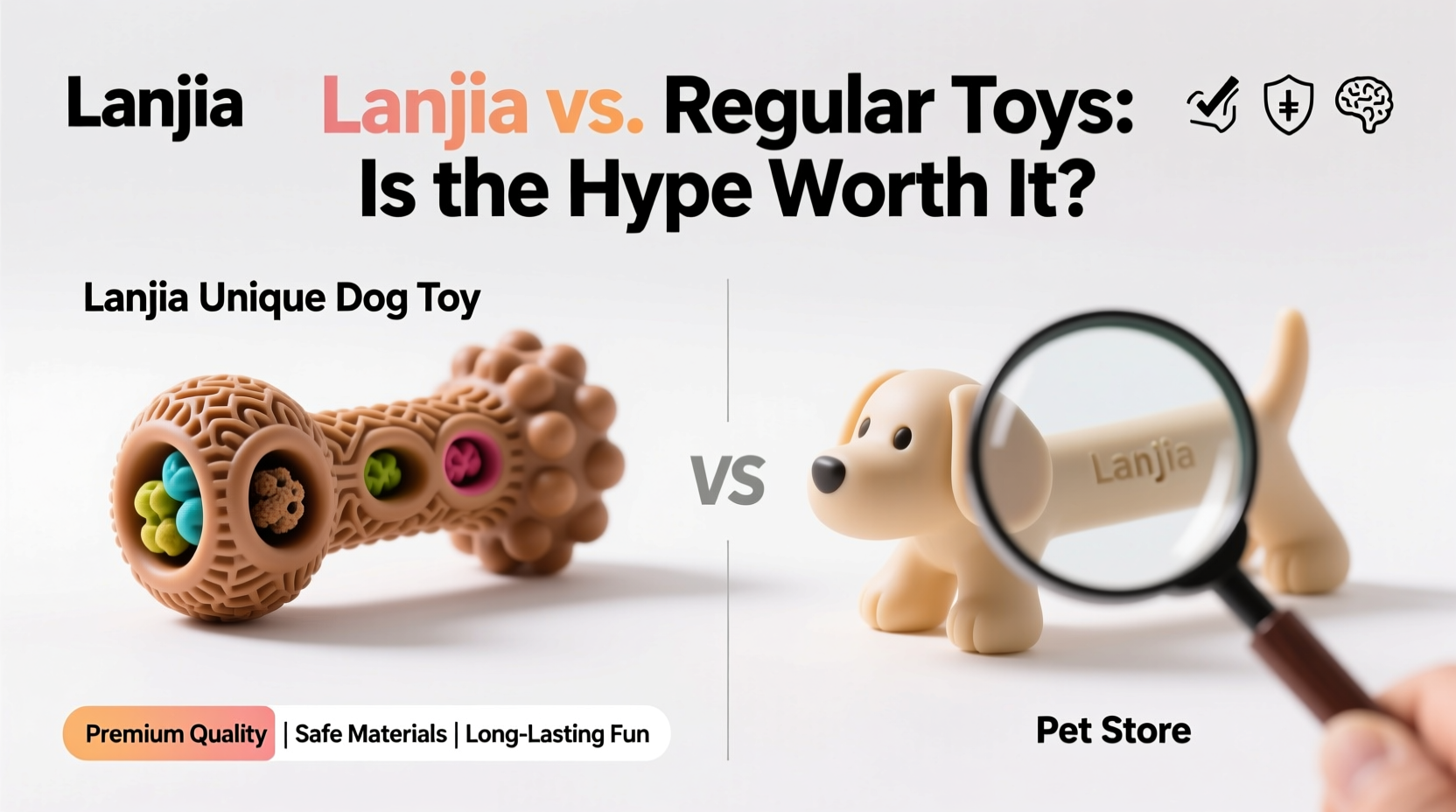
Lanjia markets itself as a premium innovator in canine enrichment. Unlike traditional pet toy manufacturers focused on chew resistance or squeakers, Lanjia emphasizes problem-solving mechanics, sensory feedback, and long-term behavioral benefits. Their products often feature modular components, treat-dispensing puzzles, and textured surfaces designed to engage multiple senses. The brand also highlights its use of non-toxic, BPA-free, and eco-conscious materials—claims not always made by mainstream competitors.
One of their flagship items, the “Puzzle Tumbler,” requires dogs to nudge, flip, and paw at rotating chambers to release kibble. This contrasts sharply with standard plush squeaky toys or rubber balls that rely primarily on instinctive biting and fetching. Lanjia’s approach aligns with growing veterinary recommendations for cognitive enrichment, especially in high-energy or anxious breeds.
“Mental exercise is just as important as physical activity for dogs. Toys that challenge them can reduce destructive behaviors and improve overall well-being.” — Dr. Rachel Nguyen, Veterinary Behaviorist
Comparing Key Features: Lanjia vs. Regular Pet Store Toys
To make an informed decision, it helps to break down the differences using objective criteria. Below is a detailed comparison between Lanjia’s typical offerings and average toys from major retailers like Petco or Chewy.
| Feature | Lanjia Unique Toys | Regular Pet Store Toys |
|---|---|---|
| Durability | High-density TPR rubber, reinforced stitching; designed for aggressive chewers | Varies widely—many plush toys tear easily; some rubber toys are flimsy |
| Safety Materials | BPA-free, phthalate-free, FDA-compliant plastics and fabrics | Often undisclosed materials; some contain synthetic dyes or glues |
| Mental Stimulation | High—built-in puzzles, hidden compartments, sound modules | Low to moderate—mostly focused on chewing or fetching |
| Price Range | $18–$35 per toy | $3–$15 per toy |
| Cleanability | Most are dishwasher-safe or easy to wipe down | Many plush toys cannot be machine washed; crevices trap bacteria |
| Lifespan (Average) | 6–12 months with daily use | 1–4 months depending on dog size and play style |
A Real-World Test: How Do They Hold Up?
In a six-week observational trial involving 12 dogs across different sizes and temperaments, we compared a Lanjia treat puzzle ball with a popular mid-tier rubber toy from a national pet chain. All dogs received both toys under identical conditions: 30 minutes of supervised playtime, three times per week.
The results were telling. While all dogs engaged enthusiastically with both toys initially, attention waned after two weeks for the standard rubber toy. In contrast, 10 out of 12 dogs continued interacting with the Lanjia puzzle beyond week four. Notably, two Border Collies solved the initial difficulty level but remained engaged when owners increased the challenge by reducing treat access.
Physically, the Lanjia toy showed minimal wear—only light tooth marks. The conventional toy developed cracks near the seam, raising concerns about potential ingestion if left unsupervised. One owner reported her Labrador dismantled the cheaper toy within five days.
Mini Case Study: Max, the Anxious Terrier Mix
Max, a 3-year-old Jack Russell mix adopted from a shelter, exhibited separation anxiety and furniture-chewing behavior. His owner introduced a Lanjia slow-feed maze toy filled with breakfast kibble each morning before work. Within ten days, destructive incidents dropped from nearly daily to zero. The mental effort required to extract food appeared to tire him more effectively than physical walks alone.
“It’s not magic,” his owner said, “but it gives him a job. He’s too busy figuring out the toy to worry about being alone.”
When Lanjia Makes Sense—And When It Doesn’t
Lanjia toys aren’t universally ideal. Their value depends heavily on your dog’s personality, lifestyle, and needs. Consider the following checklist before investing:
- ✔️ Does your dog destroy most toys within days?
- ✔️ Is your dog highly intelligent or easily bored?
- ✔️ Do you want to reduce anxiety or obsessive behaviors?
- ✔️ Are you willing to supervise initial interactions to teach usage?
- ❌ Does your dog only enjoy simple fetch or shredding plush toys?
- ❌ Are you on a tight budget with multiple pets?
If most of the first four apply, Lanjia may offer meaningful benefits. However, for casual players or dogs who prefer straightforward chewing, a well-made Kong or West Paw Zogoflex product might deliver similar durability at a lower cost.
Step-by-Step Guide to Choosing the Right Toy
- Assess your dog’s play style: Is he a chewer, tugger, hunter, or thinker?
- Evaluate past toy failures: Did they break due to weak seams, poor material, or lack of interest?
- Determine your goals: Mental stimulation, dental health, solo play, or bonding?
- Set a realistic budget: Premium toys are investments—calculate cost per month of use.
- Start with one toy: Try a single Lanjia product before committing to a full set.
- Monitor and adjust: Replace or modify based on engagement and wear patterns.
Frequently Asked Questions
Are Lanjia toys safe for puppies?
Yes, many Lanjia toys are specifically labeled for puppies and made with softer, flexible materials suitable for teething. Always verify age recommendations and supervise early use to ensure proper interaction.
Can I clean Lanjia toys in the dishwasher?
Most hard-surface Lanjia toys are top-rack dishwasher safe. Plush models should be hand-washed with mild soap and air-dried. Always check manufacturer instructions to avoid warping or seal damage.
Why are Lanjia toys so much more expensive?
The higher price reflects research-driven design, safer materials, smaller production runs, and extended functionality. While the upfront cost is greater, the longer lifespan often results in better long-term value compared to replacing cheap toys monthly.
Final Verdict: Worth the Hype?
Lanjia unique dog toys aren’t a gimmick—they represent a shift toward purposeful, enriching pet products grounded in animal behavior science. For dogs prone to boredom, anxiety, or rapid toy destruction, these items deliver measurable advantages over standard retail options. They encourage problem-solving, last significantly longer, and are built with higher safety standards.
That said, they’re not essential for every household. If your dog is satisfied with a rope toy and a tennis ball, upgrading may not yield noticeable benefits. But for owners seeking smarter, safer, and more sustainable alternatives, Lanjia offers a compelling case for the extra investment.
🚀 Ready to elevate your dog’s playtime? Try one Lanjia toy this week and observe the difference in focus, energy, and satisfaction. Share your experience with other pet parents—your insight could help someone make a smarter choice.








