Lace cat collars have surged in popularity, often seen on social media as adorable fashion statements. With intricate designs and soft textures, they appeal to owners who want their cats to look elegant. But beyond aesthetics, a growing debate questions whether these delicate accessories serve any functional purpose—or if they're simply unsafe trends disguised as charm. The truth lies somewhere in between, depending on design, material, and usage.
While no collar should compromise a cat’s safety, some lace-style collars are thoughtfully engineered with breakaway clasps and breathable fabrics. Others, however, prioritize appearance over function, posing risks during outdoor adventures or indoor escapades. Understanding the balance between style and safety is essential for responsible pet ownership.
The Allure of Aesthetics: Why Lace Collars Are Popular
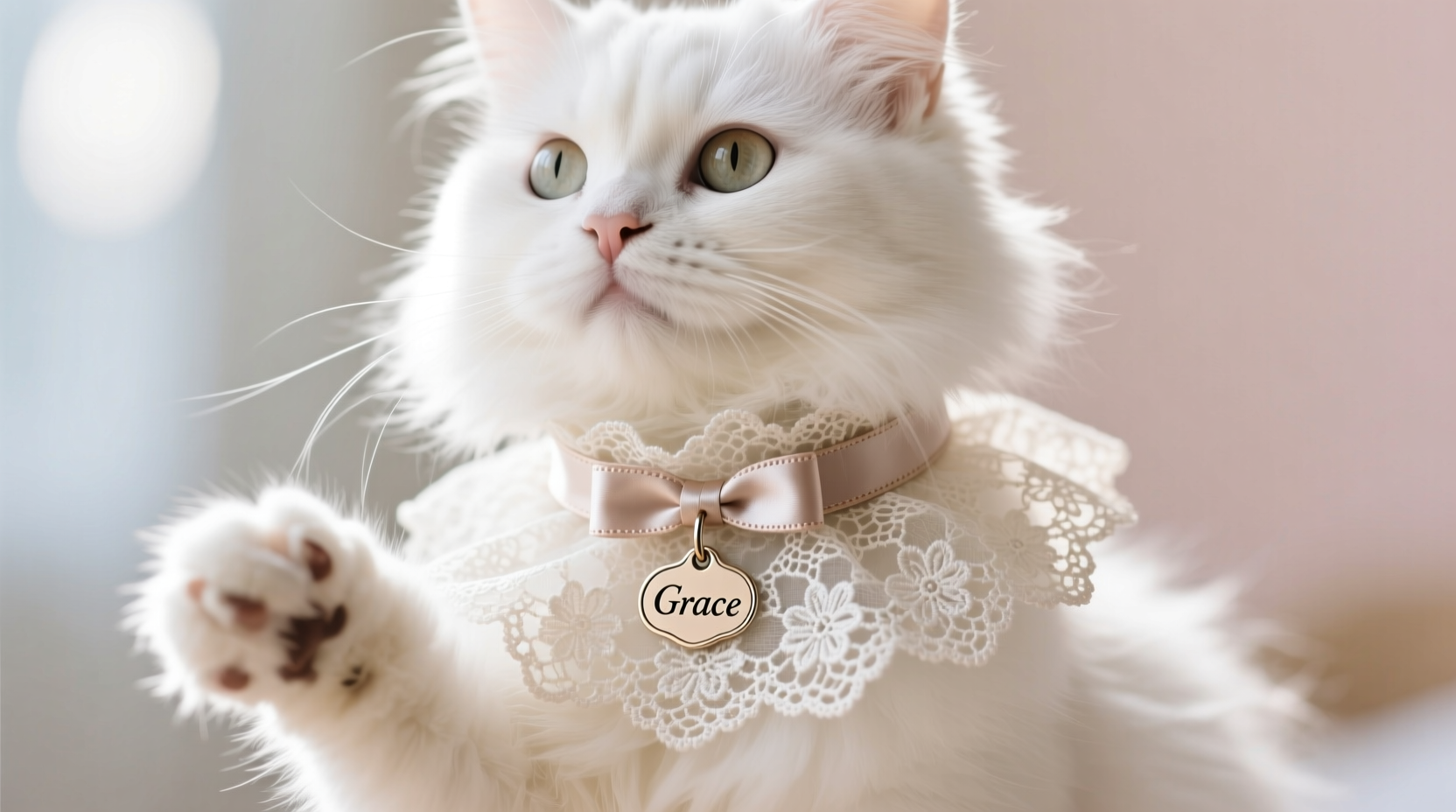
Cat owners increasingly treat their pets as family members, investing in personalized gear that reflects their bond. Lace collars fit into this trend perfectly—offering vintage-inspired elegance, soft pastel hues, and dainty embellishments like bows or beads. For many, dressing up their cats is an extension of self-expression, especially when sharing photos online.
However, aesthetic appeal doesn’t equate to functionality. Lace, by nature, is a fragile textile. Traditional lace used in human fashion lacks durability and stretch resistance, making it ill-suited for active animals. That said, modern pet accessory brands now use synthetic lace-like materials designed to mimic the look without sacrificing too much strength.
Tip: If you choose a lace-style collar, ensure it’s made from reinforced fabric with a secure but breakable clasp.Safety First: Can Lace Collars Be Safe?
The primary concern with any cat collar—especially decorative ones—is entanglement risk. Cats climb, squeeze through tight spaces, and get snagged on furniture or branches. A non-breakaway lace collar could trap a cat, leading to injury or worse.
Veterinarians and animal behaviorists consistently recommend breakaway collars. These feature a quick-release buckle that pops open under pressure, allowing the cat to escape if caught. According to Dr. Rebecca Green, DVM, “A collar should never be tighter than two fingers beneath the neck, and must release under tension. Style should never override safety.”
“Even the most beautiful collar isn’t worth risking your cat’s life. Always prioritize breakaway mechanisms and proper fit.” — Dr. Rebecca Green, Feline Veterinarian
Lace collars without breakaway clasps are inherently dangerous. Even those labeled “breakaway” may not perform reliably if constructed with weak stitching or flimsy fasteners. Owners must inspect both the clasp and fabric integrity regularly.
Functional Comparison: Lace vs. Plain Collars
To evaluate whether lace collars are truly better—or worse—than plain ones, consider key performance factors. The table below compares typical features across both types.
| Feature | Lace Cat Collars | Plain (Standard) Cat Collars |
|---|---|---|
| Durability | Low to moderate; prone to fraying and tearing | High; made from nylon, polyester, or biothane |
| Safety Mechanism | Often missing or poorly integrated | Routinely includes reliable breakaway clasps |
| Comfort | Soft texture may feel pleasant, but can chafe if wet | Smooth, lightweight, and moisture-resistant |
| Weather Resistance | Poor; absorbs moisture, may mildew | Good; dries quickly, resists elements |
| Maintenance | Difficult to clean; hand-wash only | Easy to wipe down or machine wash |
| Best Use Case | Short-term indoor wear, photo sessions | Daily wear, ID tags, outdoor access (if supervised) |
This comparison shows that while lace collars win in visual appeal, they fall short in nearly every functional category. They are not suitable for continuous wear or unsupervised activity.
When (and How) to Use a Lace Collar Responsibly
That doesn’t mean lace collars are entirely without merit. Used appropriately, they can be part of a rotating accessory collection. Think of them like jewelry: fine for special moments, but not for everyday tasks.
For example, Sarah M., a cat owner from Portland, shares her routine: “I put a lace collar on my cat Bella only when we’re having a ‘photo day’ indoors. She wears it for about 30 minutes while I take pictures, then I switch back to her regular breakaway collar with her ID tag. It’s safe, fun, and keeps her looking cute without risk.”
This approach illustrates a balanced mindset—valuing both safety and expression. To replicate this safely, follow a simple protocol:
- Limit lace collar wear to short durations (under one hour).
- Supervise your cat at all times while wearing it.
- Ensure the collar has a breakaway clasp—even if decorative.
- Remove before bedtime, playtime, or outdoor access.
- Inspect for loose threads or damage after each use.
Essential Checklist Before Buying Any Cat Collar
Whether choosing lace or plain, use this checklist to ensure safety and suitability:
- ✅ Has a certified breakaway clasp
- ✅ Adjustable to fit snugly (two fingers should fit beneath)
- ✅ Lightweight (shouldn’t exceed 5% of your cat’s body weight)
- ✅ Free of small, detachable parts (beads, charms) that could be swallowed
- ✅ Made from non-irritating, breathable material
- ✅ Easy to clean and maintain
- ❌ Avoid glued-on decorations or stitched lace overlays that peel
Frequently Asked Questions
Can I attach an ID tag to a lace collar?
It’s not recommended. Most lace collars aren’t built to support the weight or movement of a tag, which can cause strain on seams and increase tangling risk. Instead, use a plain, sturdy collar for tags and reserve the lace one for brief, tag-free wear.
Are there any safe lace collars on the market?
A few brands produce lace-look collars using durable, flexible synthetics combined with tested breakaway buckles. Look for products explicitly labeled as “safety collars” with independent reviews confirming reliability. Avoid handmade or unbranded options lacking safety certifications.
My cat seems to like her lace collar—does that make it safe?
Not necessarily. Cats often tolerate uncomfortable or risky items due to their stoic nature. Liking a collar doesn’t mean it’s safe. Monitor for signs of irritation, hair loss, or restricted movement. When in doubt, opt for proven functional designs over novelty styles.
Final Thoughts: Beauty Without Compromise?
Lace cat collars aren’t inherently bad—but they are inherently limited. Their role should be ceremonial, not practical. No amount of cuteness justifies compromising a cat’s well-being. Responsible pet ownership means recognizing the difference between adornment and utility.
The best solution? Own both. Keep a high-quality plain collar with a breakaway clasp and ID tag for daily use. Reserve the lace version for fleeting moments of fun, always under supervision. In doing so, you honor both your cat’s personality and their need for safety.
If manufacturers invest in safer materials and transparent testing, we may one day see lace collars that are both beautiful and functional. Until then, let style serve memory—not replace necessity.
💬 Have experience with decorative collars? Share your story or safety tip in the comments—your insight could help another cat parent make a smarter choice.








