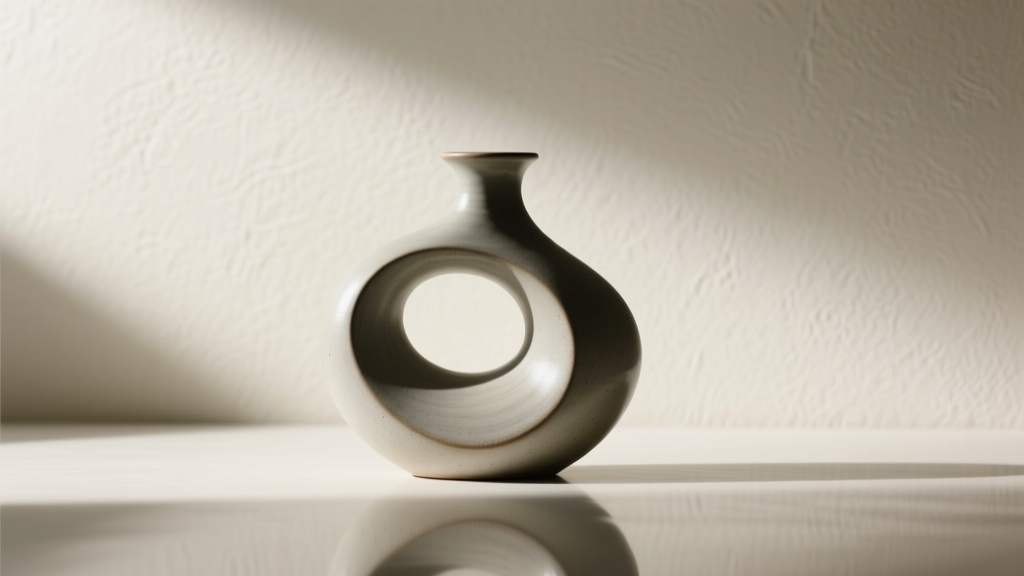
Types of Korean Hot Pot Bowls
A Korean hot pot bowl is more than just a serving dish—it's an essential part of the dining experience, designed to maintain high temperatures and enhance flavor development during cooking. The material used in these bowls significantly influences heat retention, durability, cooking performance, and even the aesthetic presentation of traditional Korean dishes like jjigae, stews, and bibimbap. Understanding the differences between bowl types helps you choose the right one for your culinary needs, whether you're enjoying a home-cooked meal or preparing food in a professional kitchen.
Clay Bowls (Onggi)
Made from natural clay and fired at high temperatures, traditional Korean clay bowls are celebrated for their excellent thermal properties and rustic charm.
Advantages
- Superior heat retention keeps food warm for extended periods
- Safe for direct stovetop or flame use
- Natural, earthy appearance enhances traditional presentation
- Promotes gentle, even simmering ideal for slow-cooked stews
Limitations
- Heavy and fragile—prone to cracking if mishandled
- Requires careful temperature transitions to avoid thermal shock
- May absorb odors over time without proper cleaning
Best for: Slow-simmered soups, traditional Korean stews (like doenjang jjigae), and authentic dining experiences
Cast Iron Bowls
Known for their exceptional durability and heat control, cast iron bowls are a modern favorite for both cooking and serving.
Advantages
- Unmatched heat distribution ensures even cooking
- Retains heat longer than most metals
- Durable and long-lasting with proper care
- Seasoning builds over time, enhancing flavor depth
Limitations
- Extremely heavy—less convenient for everyday handling
- Requires regular seasoning to prevent rust
- Not dishwasher safe; needs hand washing and thorough drying
Best for: High-heat cooking, sizzling dishes, and flavorful reductions like kimchi jjigae or spicy pork stew
Stainless Steel Bowls
A practical choice for modern kitchens, stainless steel bowls combine functionality with sleek design, making them ideal for everyday use.
Advantages
- Lightweight and easy to handle and clean
- Highly resistant to rust, corrosion, and staining
- Dishwasher safe and low maintenance
- Polished finish offers a clean, professional look
Limitations
- Poor heat retention—food cools quickly
- Can develop hot spots without proper heat control
- Lacks the traditional aesthetic of clay or stone
Best for: Casual dining, buffet-style service, and households prioritizing convenience and hygiene
Stone Bowls (Dolsot)
Perhaps the most iconic Korean serving vessel, the dolsot is crafted from heated stone or agalmatolite and is famed for its ability to cook food at the table.
Advantages
- Retains extreme heat, continuing to cook food after serving
- Creates a delicious crispy rice crust (nurungji) in bibimbap
- Impressive sizzling presentation that enhances dining experience
- Naturally non-stick when properly preheated
Limitations
- Very hot to touch—requires protective trivets or mats
- Fragile; can crack if dropped or cooled too quickly
- Needs preheating for optimal performance
Best for: Bibimbap, stone pot stews, and dramatic tableside presentations
| Type | Heat Retention | Durability | Cooking Performance | Best For |
|---|---|---|---|---|
| Clay Bowls | Excellent | Medium | Excellent (slow cooking) | Traditional stews, home dining |
| Cast Iron | Very Good | Excellent | Excellent (high-heat searing) | Sizzling dishes, flavor development |
| Stainless Steel | Fair | Very Good | Good (with careful heat control) | Everyday use, easy maintenance |
| Stone (Dolsot) | Exceptional | Medium | Excellent (residual cooking) | Bibimbap, dramatic presentation |
Expert Tip: When using dolsot or clay bowls, always preheat them gradually and avoid placing a cold bowl directly on a hot stove to prevent cracking. After use, allow the bowl to cool naturally before washing.
Designs of Korean Hot Pot Bowls: Function Meets Tradition
Korean hot pot bowls, known as dubu-jjigae or jjigae pots, are more than just cooking vessels—they are thoughtfully designed pieces that blend functionality, safety, and cultural aesthetics. While material choices like cast iron, stoneware, and ceramic play a crucial role in heat retention and durability, the design elements of these bowls significantly enhance the dining experience. From ergonomic features to artistic detailing, each design aspect serves a purpose in both everyday use and traditional presentation.
Handles and Double Handles: Safety and Shared Dining
Single Handle Design
Many Korean hot pot bowls feature a single sturdy handle, typically made of heat-resistant material such as cast iron or wrapped in bamboo. This design allows for precise control when moving the pot on and off the heat source, making it ideal for individual servings or small stovetop cooking.
Single handles are commonly found in home kitchens and restaurants where dishes are prepared tableside, offering ease of use without compromising balance.
Double Handle (Twin Grip) Design
Double-handled bowls are engineered for stability and safety when transporting large, boiling-hot pots from kitchen to table. These symmetrical handles make it easier to carry heavier meals—especially communal hot pots meant for sharing among family or friends.
The dual-grip design reduces the risk of spills and improves balance, which is essential when serving broths at high temperatures. It also reflects the communal nature of Korean cuisine, where meals are often enjoyed collectively.
Divided Bowls: Flavor Separation and Culinary Versatility
Divided hot pot bowls are increasingly popular for their ability to offer multiple flavor experiences in one dish. These bowls feature internal partitions—either full dividers or perforated sections—that allow different broths or ingredients to cook simultaneously without mixing.
Textured and Patterned Exteriors: Beauty and Practicality Combined
Beyond function, Korean hot pot bowls often showcase intricate exterior designs that reflect cultural heritage and craftsmanship. These artistic elements are not merely decorative—they also improve usability.
Aesthetic Appeal
Traditional patterns such as lotus blossoms, bamboo motifs, or hand-painted calligraphy add elegance to the table setting. These designs often draw inspiration from nature and Korean pottery traditions like Onggi or Joseon white porcelain, enhancing the overall dining atmosphere.
Functional Texture
Embossed or carved surfaces provide better grip, reducing the chance of slipping when handling hot pots. Textured exteriors also help dissipate heat slightly more evenly and can mask minor scratches over time, preserving the bowl’s appearance with regular use.
Lidded Bowls: Heat Retention and Presentation
Lidded Korean hot pot bowls are designed to maintain optimal temperature and moisture levels throughout the meal. The lid traps steam, ensuring ingredients continue to simmer gently even after removal from direct heat.
| Design Feature | Primary Benefit | Common Use Case |
|---|---|---|
| Single Handle | Precise handling and control | Individual servings, tableside cooking |
| Double Handles | Stability and safe transport | Communal dining, large family meals |
| Divided Compartments | Multiple flavors in one pot | Mixed-preference groups, fusion broths |
| Textured Exterior | Improved grip and visual appeal | Traditional settings, giftware |
| Lidded Design | Heat and moisture retention | Slow dining, presentation-focused service |
Important: Always use heat-resistant gloves or cloth when handling hot pot bowls, regardless of handle design. Avoid sudden temperature changes (e.g., placing a hot bowl on a cold surface) to prevent thermal shock and cracking—especially with ceramic or stoneware models. Proper care ensures longevity and safety during every meal.
Scenarios for Korean Hot Pot Bowls
Korean hot pot bowls are more than just serving dishes—they are central to a dynamic and communal dining experience that blends cooking, sharing, and tradition. These versatile bowls are designed to retain heat efficiently, allowing food to simmer and cook at the table. As a result, they play a vital role in various social, cultural, and practical settings. Below is a detailed exploration of the key scenarios where Korean hot pot bowls shine.
Family and Home Dining
In Korean households, hot pot bowls are a staple of everyday meals, especially during colder months. They are often used to prepare dishes like dubu jjigae (soft tofu stew), kimchi jjigae (kimchi stew), or sundubu jjigae (unpressed tofu stew), which are simmered and served directly at the dining table.
- Family members can customize their portions by adding preferred ingredients such as vegetables, seafood, or meat directly into the pot
- The communal nature of the meal encourages conversation and bonding, making dinner time more interactive and engaging
- Hot pot bowls maintain high temperatures, ensuring food stays warm throughout the meal—ideal for slow, shared dining
- Traditional stoneware or cast iron bowls enhance flavor development through even heat distribution
Cultural insight: This style of eating reflects the Korean value of jeong—deep emotional connection fostered through shared meals.
Restaurants and Street Food Stalls
Across Korea, from upscale dining establishments to bustling night markets, hot pot bowls are a signature feature of many popular menu items. Their use enhances both efficiency and customer experience in food service environments.
- Stainless steel or enameled metal pots are commonly used for durability, hygiene, and quick turnover between customers
- Dishes like jjigae and tteokbokki (spicy rice cakes) are often served in individual or shared hot pots for continuous cooking and warmth
- Interactive dining allows patrons to adjust spice levels, add ingredients, or control cooking times for personal preference
- Street vendors use compact, heat-retaining pots to serve steaming meals quickly, even in outdoor conditions
Business advantage: Hot pot service increases perceived value and customer satisfaction due to its theatrical and customizable nature.
Social Gatherings and Events
During festivals, holiday celebrations, or casual get-togethers, large hot pot bowls become the centerpiece of group dining. These gatherings often feature multiple pots cooking different stews simultaneously, creating a vibrant and festive atmosphere.
- Big, wide clay or ceramic pots are used to serve dishes like gamjatang (pork backbone stew) or haejangguk (hangover soup) to groups of 4–6 people
- Guests gather around the table, serving themselves and interacting as the stew continues to bubble and develop flavor
- The shared cooking process acts as an icebreaker, promoting conversation and a relaxed social environment
- Perfect for seasonal events like Lunar New Year or Chuseok, where family unity and tradition are emphasized
Event tip: Use heat-resistant trivets and insulated gloves to ensure safety when handling hot pots at gatherings.
Camping and Outdoor Cooking
Korean hot pot bowls are increasingly popular for outdoor adventures due to their portability and functionality. Whether on a mountain trail or a lakeside campsite, these bowls enable campers to enjoy hearty, home-style meals in the wild.
- Cast iron and stainless steel pots are ideal for outdoor use—resistant to high heat and compatible with campfires or portable gas stoves
- Compact designs make them easy to pack and clean, fitting well in camping gear
- Perfect for preparing warming meals like soondubu or instant ramen upgrades with fresh ingredients
- Retains heat for extended periods, keeping food hot even in cold weather
Outdoor pro tip: Pre-cut ingredients at home and store them in containers for quick, mess-free cooking at the campsite.
Cultural & Practical Insight: The Korean hot pot bowl transcends its role as mere cookware—it symbolizes warmth, hospitality, and togetherness. Whether in a cozy kitchen, a lively restaurant, a festive party, or a remote campsite, it brings people together through the shared ritual of cooking and eating. When recommending or using these bowls, consider not just the material and size, but also the experience they create.
| Usage Scenario | Recommended Bowl Material | Typical Dish Examples | Key Benefits |
|---|---|---|---|
| Family & Home Dining | Clay, Stoneware, Cast Iron | Kimchi Jjigae, Dubu Jjigae | Flavor enhancement, heat retention, traditional aesthetic |
| Restaurants & Street Food | Stainless Steel, Enameled Metal | Tteokbokki, Sundubu, Budae Jjigae | Durable, hygienic, fast heating |
| Social Events & Parties | Large Ceramic or Metal Pots | Haemul Pajeon Jjigae, Gamjatang | Group sharing, visual appeal, interactive dining |
| Camping & Outdoor Use | Cast Iron, Lightweight Stainless Steel | Instant Jjigae, Campfire Stews | Heat-resistant, portable, multi-functional |
Additional Considerations
- Heat Safety: Always use trivets or insulated pads when placing hot pots on tables to prevent damage and burns
- Cleaning Tips: Allow pots to cool before washing; avoid sudden temperature changes to prevent cracking (especially for clay and ceramic)
- Material Choice: Cast iron offers superior heat retention but is heavier; stainless steel is lighter and easier to maintain
- Eco-Friendliness: Reusable pots reduce waste compared to disposable serving containers
- Modern Variants: Electric hot pots with temperature control are gaining popularity for indoor and apartment use
Specification & Maintenance of Korean Hot Pot Bowls
Korean hot pot bowls, known for their ability to retain heat and enhance the dining experience, come in a variety of materials—each with unique properties, care requirements, and safety considerations. Whether you're using a traditional dolsot or a modern stainless steel version, understanding the technical specifications and proper maintenance is essential for both performance and longevity. This guide covers the most common types of Korean hot pot bowls and provides detailed care instructions to help you get the most out of your cookware.
Safety Warning: Always handle hot pot bowls with heat-resistant gloves or mitts, especially after cooking. Sudden temperature changes (such as placing a hot bowl in cold water) can cause thermal shock and lead to cracking. Allow bowls to cool naturally before cleaning.
Clay and Stone Bowls
Clay and natural stone bowls are prized for their rustic charm and excellent heat retention, making them ideal for sizzling bibimbap and stews. However, they are porous and require proper seasoning to protect against moisture absorption and staining.
- Seasoning: Before first use, apply a thin layer of neutral oil (like vegetable or flaxseed oil) to the interior. Heat the bowl gradually in an oven at 300°F (150°C) for about 30 minutes to polymerize the oil and create a protective barrier.
- Usage Tips: Avoid cooking or serving highly acidic foods such as tomatoes, citrus-based sauces, or vinegar-heavy dishes, as these can erode the seasoned surface over time.
- Cleaning: Hand wash only using warm water and a soft sponge or brush. Never use abrasive cleaners, scouring pads, or dish soap, as they can strip the seasoning and damage the surface.
- Drying: Dry thoroughly with a towel and allow to air-dry completely before storage to prevent mold or odors.
Cast Iron Bowls
Cast iron hot pot bowls offer exceptional heat distribution and durability, often used in both home and restaurant settings. Like cast iron skillets, they require seasoning to maintain a non-stick surface and prevent rust.
- Seasoning: Season with a high-smoke-point oil (such as grapeseed or canola oil) and bake at 375°F (190°C) for one hour. Repeat 2–3 times for best results.
- Heat Management: Avoid exposing cast iron bowls to extreme temperature fluctuations. Do not place a cold bowl directly into a hot stove or oven, and avoid direct sunlight when storing, as this can cause warping or cracking.
- Cleaning: Wipe clean with a damp cloth or soft brush. Avoid soaking in water or using a dishwasher, as prolonged moisture exposure leads to rust.
- Storage: Store in a dry place with a light coating of oil to preserve the seasoning and prevent oxidation.
Stainless Steel Bowls
Stainless steel bowls are highly durable, non-reactive, and easy to maintain, making them a favorite for commercial kitchens and busy households. They resist corrosion and do not require seasoning.
- Cleaning: Safe for dishwasher use, but can also be cleaned with a soft brush and non-abrasive cleaner. Rinse thoroughly and dry immediately to prevent water spots and mineral deposits.
- Avoid: Harsh scouring pads (like steel wool) or abrasive cleaners, which can scratch the polished surface and dull its appearance.
- Stain Removal: For stubborn stains or discoloration, use a mixture of baking soda and water or a specialized stainless steel cleaner.
- Heat Use: While heat-resistant, avoid prolonged dry heating, which can cause discoloration or warping. Always use with liquid or food to distribute heat evenly.
Stone Bowls (Dolsot)
The traditional Korean dolsot is a stone bowl typically made from volcanic rock or agalmatolite, designed to maintain high temperatures for sizzling dishes. It is a staple in Korean cuisine for serving bibimbap and other hot dishes.
- Cleaning: Rinse with warm water only—never use detergent or soap, as the porous stone can absorb chemicals and impart off-flavors to food.
- Seasoning Maintenance: Periodically apply a small amount of oil to the interior and heat gently to reinforce the natural non-stick layer formed over time.
- Heat Safety: Always preheat the bowl gradually. Avoid placing a cold dolsot directly on a high flame or into a hot oven, as rapid temperature changes can cause cracks.
- Storage: Store in a dry, cool place. If stacking, place a soft cloth between bowls to prevent chipping.
| Bowl Type | Heat Tolerance | Seasoning Required | Cleaning Method | Special Care Tips |
|---|---|---|---|---|
| Clay & Stone | High (gradual heating) | Yes (initial and periodic) | Hand wash, no soap | Avoid acidic foods; dry thoroughly |
| Cast Iron | Very High | Yes (regular maintenance) | Wipe clean, no soaking | Oil after use; store dry |
| Stainless Steel | High | No | Dishwasher safe | Avoid abrasives; dry after washing |
| Stone (Dolsot) | High (with preheating) | Yes (occasional oiling) | Water only, no detergent | Prevent thermal shock; hand dry |
Expert Tip: For all porous bowls (clay, stone, dolsot), re-seasoning every few months—or when food starts to stick—helps maintain performance. The more you use and care for your bowl, the better its natural non-stick properties become.
General Maintenance Recommendations
- Always allow hot bowls to cool to room temperature before cleaning to prevent cracking.
- Inspect your bowls regularly for cracks, chips, or signs of wear, especially around the rim and base.
- Use wooden or silicone utensils to avoid scratching delicate surfaces.
- Label your bowls if you have multiple types to avoid accidental misuse (e.g., putting a clay bowl in the dishwasher).
- Follow manufacturer guidelines when available, as material composition can vary between brands.
Proper care and understanding of your Korean hot pot bowl’s material will ensure it remains a reliable and enjoyable part of your culinary experience for years to come. Whether you're enjoying a sizzling meal at home or serving guests, the right maintenance enhances both safety and flavor. When in doubt, err on the side of gentle handling and avoid extreme conditions to preserve your cookware’s integrity.
Frequently Asked Questions About Korean Hot Pot Bowls
Q1: Are Korean hot pot bowls dishwasher-safe?Most modern Korean hot pot bowls made from stainless steel are dishwasher-safe and can withstand regular machine washing without damage. However, traditional materials like clay, stone, or ceramic require special care—these should always be hand-washed to prevent cracking, discoloration, or weakening of the structure due to high heat and harsh detergents used in dishwashers.
- Stainless steel: Safe for dishwasher use; durable and resistant to rust and staining.
- Clay pots (e.g., ttukbaegi): Hand wash only—thermal shock from rapid temperature changes can cause cracks.
- Stone bowls: Not dishwasher-safe; hand cleaning preserves integrity and longevity.
Always check the manufacturer’s care instructions before placing any hot pot bowl in the dishwasher to ensure long-term usability.
Q2: How to season a cast iron hot pot bowl?Seasoning a cast iron Korean hot pot bowl creates a natural non-stick surface and protects against rust. Follow these detailed steps for best results:
- Clean thoroughly: Wash the bowl with warm water (no soap) to remove any residue or protective coating. Dry immediately and completely.
- Apply oil: Using a paper towel or cloth, apply a thin, even layer of high-smoke-point vegetable oil (such as flaxseed, grapeseed, or canola oil) to the entire surface, including the exterior and rim.
- Preheat oven: Set your oven to 350°F (175°C). Place the bowl upside down on the middle rack to allow excess oil to drip off.
- Bake: Place a baking sheet or aluminum foil on the lower rack to catch drips. Bake for one hour.
- Cool slowly: Turn off the oven and let both the oven and bowl cool completely (about 1–2 hours) to avoid thermal shock.
Repeat this process 2–3 times for a strong seasoning layer. Re-season periodically if food starts sticking or the surface looks dull.
Q3: Can Korean hot pot bowls be used in an oven?Yes, but only certain types are oven-safe. The material of the bowl determines its heat resistance:
- Stone and clay pots: Designed to endure high temperatures, making them ideal for oven use. They distribute heat evenly and retain warmth for extended periods, enhancing cooking performance.
- Cast iron bowls: Highly oven-safe and excellent for searing, baking, or finishing dishes in the oven.
- Stainless steel: Generally oven-safe up to 500°F (260°C), but avoid models with plastic or wooden handles unless specified as heat-resistant.
- Non-oven-safe materials: Avoid placing glass-lidded bowls or those with synthetic components in the oven unless explicitly labeled as oven-safe.
Always verify the manufacturer’s guidelines to prevent cracking, warping, or safety hazards when using hot pot bowls in the oven.
Q4: What is the ideal method to clean stainless steel hot pot bowls?Stainless steel Korean hot pot bowls are low-maintenance and easy to clean. For everyday use:
- Hand washing: Use warm soapy water and a soft sponge or cloth. Rinse thoroughly and dry immediately to prevent water spots.
- Dishwasher option: Place in the top rack of the dishwasher to minimize exposure to intense heat and strong detergents.
- Tough stains or residue: Soak the bowl in warm water with mild detergent. Use a non-abrasive scrubber or baking soda paste to gently remove stuck-on food without scratching the surface.
- Avoid: Steel wool, chlorine-based cleaners, or leaving acidic foods (like tomato-based stews) in the bowl for prolonged periods, which may cause pitting or discoloration.
Regular maintenance keeps stainless steel bowls shiny and hygienic for long-term use.
Q5: Do Korean hot pot bowls have a lid?Yes, most traditional and modern Korean hot pot bowls come with lids designed to enhance the cooking and dining experience. Lids help trap heat and moisture, allowing ingredients to simmer evenly and flavors to develop fully—essential for dishes like jjigae (stew) or dak-doritang (spicy braised chicken).
Lids are typically made from matching materials:
- Clay pots (ttukbaegi): Come with heavy clay lids that seal in steam and maintain consistent temperature.
- Cast iron skillets or bowls: Often paired with cast iron or glass lids for durability and visibility.
- Stone bowls: Feature stone or ceramic lids that complement the aesthetic and functional design.
The lid not only improves cooking efficiency but also keeps food hot at the table, offering a restaurant-quality, steamy meal experience at home. Always handle lids with care, especially when hot, and store them properly to avoid chipping or breakage.









