For decades, towering stilettos have symbolized power, elegance, and femininity in fashion. From boardrooms to red carpets, high heels have been a staple in women’s wardrobes, often worn as a non-negotiable element of professional or formal attire. But in recent years, a quieter revolution has taken root—one that favors practicality without sacrificing polish. Enter the kitten heel: modest in height, rich in charm, and increasingly dominant on runways and city streets alike. As comfort becomes a non-negotiable factor in fashion choices, many are asking: Are high heels going out of style?
The answer isn’t a simple yes or no. Instead, it reflects a broader cultural shift toward functionality, inclusivity, and long-term wearability. This article explores the evolving dynamics between kitten heels and high heels, examining their design, comfort, social significance, and future in modern fashion.
The Rise of the Kitten Heel: A Quiet Comeback
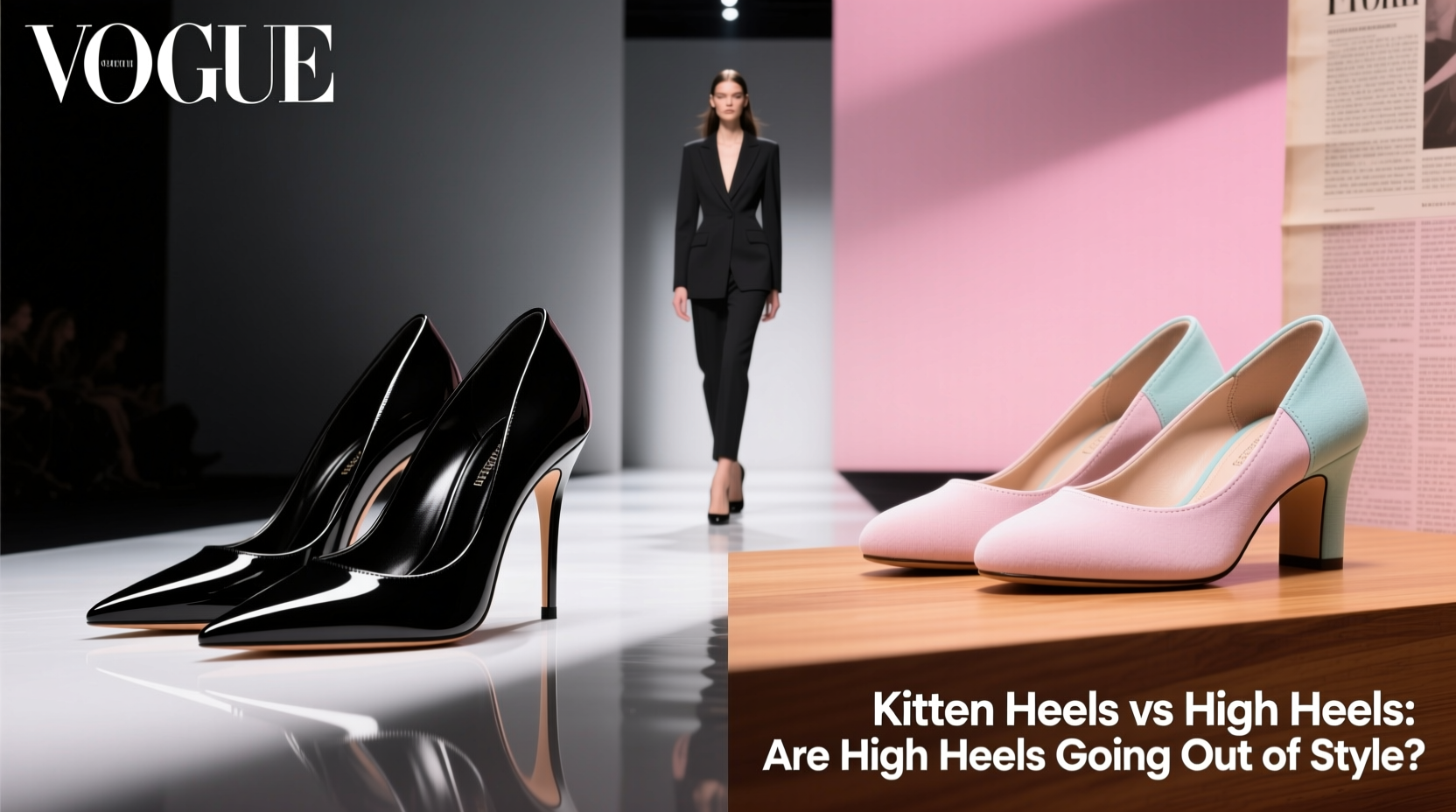
Kitten heels, typically ranging from 1.5 to 2 inches in height, were first introduced in the 1950s as a training heel for young women. Designed to offer a subtle lift without the instability of higher heels, they quickly became a favorite among European couture houses. Though they faded in prominence during the stiletto-dominated eras of the 1980s and 2000s, kitten heels have made a strong resurgence since the early 2010s.
Designers like Prada, Miu Miu, and The Row have consistently featured kitten heels in their collections, often pairing them with tailored trousers, midi dresses, and even business suits. Their appeal lies in versatility—elegant enough for formal events, yet comfortable enough for all-day wear. Unlike sky-high stilettos, which can restrict movement and cause foot strain, kitten heels distribute weight more evenly, reducing pressure on the ball of the foot.
Tip: If you're transitioning from high heels, try a kitten heel with a cushioned insole for added comfort during long walks.High Heels: Symbolism vs. Sustainability
High heels, particularly those above 3 inches, remain iconic. They elongate the leg, alter posture, and project confidence—qualities that have cemented their place in fashion history. However, their dominance is being questioned not just by consumers, but by health professionals and workplace advocates.
Studies show that prolonged use of high heels can lead to shortened Achilles tendons, bunions, and lower back pain. A 2023 survey by the American Podiatric Medical Association found that over 60% of women reported foot pain directly linked to wearing heels at work. As awareness grows, so does resistance. In countries like France and Scotland, legislation has been proposed to ban mandatory high heel policies in workplaces—a move inspired by the 2016 “#KillTheHeel” campaign sparked by Nicola Thorp’s protest against forced high heel dress codes.
“Fashion should empower, not injure. The demand for comfortable, functional footwear isn’t a trend—it’s a cultural correction.” — Dr. Lena Reyes, Podiatrist & Footwear Consultant
Comfort Meets Couture: A Style Comparison
To understand the shift, it helps to compare the two styles across key categories. The following table outlines the differences between kitten heels and high heels in terms of comfort, versatility, occasion suitability, and long-term wearability.
| Feature | Kitten Heels | High Heels |
|---|---|---|
| Height | 1.5–2 inches | 3–6+ inches |
| Comfort Level | High – suitable for all-day wear | Low to moderate – best for short durations |
| Versatility | Excellent – works with jeans, skirts, suits | Moderate – limited by terrain and activity |
| Fashion Statement | Refined, retro-chic, understated elegance | Dramatic, bold, commanding presence |
| Foot Health Impact | Minimal strain on joints and tendons | Increased risk of long-term damage |
| Trend Longevity (2020–2024) | Rising steadily in mainstream adoption | Declining in daily wear; reserved for special events |
The data suggests a clear trajectory: while high heels retain symbolic value, kitten heels are winning in real-world usability.
Real-World Shift: A Mini Case Study
Consider Sarah Lin, a marketing director in Toronto who wore 4-inch heels five days a week for over a decade. “I thought looking polished meant enduring pain,” she recalls. “But after developing plantar fasciitis at 38, I had to rethink my choices.”
Sarah transitioned to kitten heels and block heels, pairing them with wide-leg pants and structured blazers. To her surprise, clients didn’t perceive her as less authoritative—in fact, one remarked, “You seem more approachable now, but just as confident.” Her productivity improved due to reduced fatigue, and she no longer needed orthotics.
Sarah’s experience mirrors a growing sentiment: professionalism doesn’t require discomfort. Companies embracing flexible dress codes report higher employee satisfaction and retention, particularly among women who previously felt pressured to conform to outdated norms.
Step-by-Step Guide: Transitioning Your Heel Wardrobe
If you’re considering shifting from high heels to more sustainable options, follow this practical timeline:
- Assess Your Needs (Week 1): Track how often you wear heels and for what purposes. Identify which occasions truly require elevation.
- Invest in Two Kitten Heel Pairs (Week 2): Choose neutral colors (black, nude, taupe) in classic silhouettes like pumps or slingbacks.
- Test in Low-Stakes Settings (Week 3): Wear them to casual meetings or weekend outings to build confidence.
- Evaluate Comfort & Feedback (Week 4): Note any physical relief and observe reactions from colleagues or friends.
- Gradual Replacement (Ongoing): Replace aging high heels with mid-height alternatives rather than buying new stilettos.
FAQ: Common Questions About Heel Trends
Are high heels completely out of style?
No, high heels are not obsolete. They remain popular for evening events, weddings, and fashion editorials. However, their role in everyday and professional wear is diminishing as comfort-driven styles gain favor.
Can kitten heels be professional?
Absolutely. When paired with tailored clothing, kitten heels project sophistication without compromising mobility. Many corporate environments now accept them as standard business attire.
Do men notice the difference between heel types?
Most people focus on overall presentation—posture, grooming, and fit—not heel height. A well-dressed person in comfortable shoes often appears more poised and self-assured than someone adjusting their stance due to pain.
Checklist: Building a Modern Heel Collection
- ✅ Own at least one pair of kitten heels in a neutral color
- ✅ Replace worn-out high heels with mid-height alternatives
- ✅ Prioritize arch support and cushioned insoles
- ✅ Choose pointed-toe or almond-toe designs for a sleek look
- ✅ Mix textures (suede, patent, metallic) for seasonal variety
- ✅ Limit high heel use to special occasions (3–4 hours max)
- ✅ Advocate for dress code flexibility in your workplace
Conclusion: Rethinking Elegance in the Modern Era
The debate between kitten heels and high heels isn’t just about fashion—it’s about values. As society prioritizes wellness, accessibility, and authenticity, footwear choices are evolving accordingly. High heels aren’t disappearing, but their reign as a wardrobe necessity is ending. Kitten heels, once seen as a compromise, are now celebrated as a smart fusion of style and sensibility.
This shift isn’t a loss of glamour; it’s a redefinition of it. True elegance includes the ability to walk confidently, stand comfortably, and move freely through the world. Whether you choose a 2-inch lift or go flat, the most powerful statement you can make is choosing footwear that supports your life—not hinders it.
💬 What’s your go-to heel for work or events? Share your favorite pair and why it works for you—we’d love to hear your story!








