
Jawline acne is more than just a cosmetic concern—it's often a sign of deeper imbalances in the body. Unlike occasional forehead or nose blemishes, jawline breakouts tend to recur, especially around hormonal shifts, stress periods, or lifestyle changes. They appear as deep cysts, inflamed papules, or persistent whiteheads along the lower face, particularly from the corners of the mouth down to the chin and jaw. Understanding why these form—and how to treat and prevent them—is essential for long-term skin health.
Why Jawline Breakouts Are Different
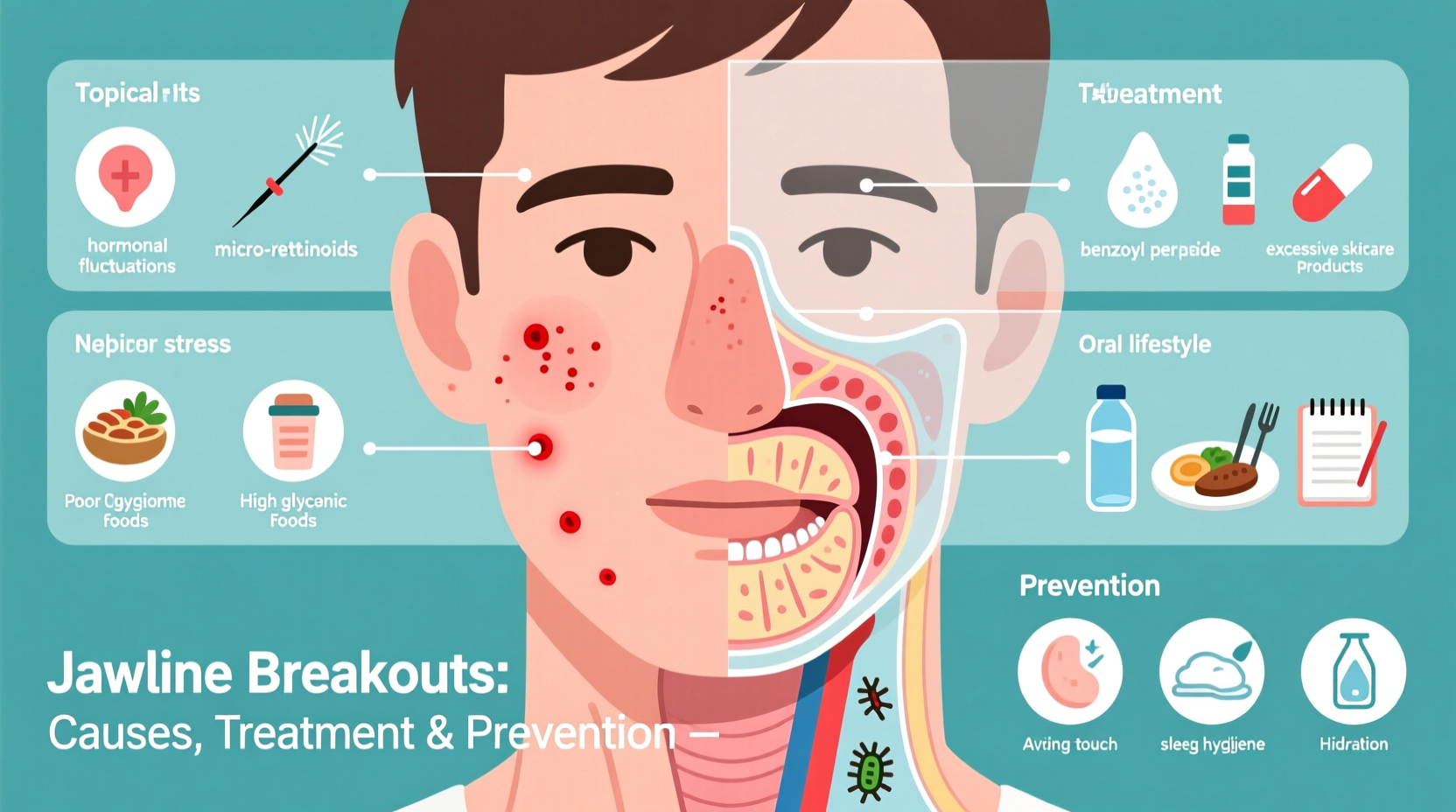
The jawline falls within the \"hormonal acne zone.\" This area is rich in oil glands that are highly sensitive to androgens—hormones like testosterone that both men and women produce. When hormone levels fluctuate, sebum (oil) production increases, leading to clogged pores and bacterial overgrowth. Because these breakouts originate beneath the surface, they’re often painful, slow to heal, and prone to scarring if not managed properly.
Unlike surface-level acne caused by dirt or poor hygiene, jawline acne is frequently linked to internal factors such as endocrine function, diet, and stress response. This means topical cleansers alone rarely resolve the issue without addressing root causes.
“Hormonal fluctuations make the jawline one of the most challenging areas to treat. Lasting improvement requires a combination of targeted skincare and lifestyle adjustments.” — Dr. Lena Torres, Board-Certified Dermatologist
Common Causes of Jawline Acne
Several interrelated factors contribute to recurring jawline breakouts. Identifying which apply to you can guide better treatment choices.
- Hormonal Imbalances: Androgen surges during menstruation, polycystic ovary syndrome (PCOS), or thyroid dysfunction often trigger jawline cysts.
- Diet High in Sugar and Dairy: Insulin spikes from refined carbohydrates increase IGF-1, a growth factor that stimulates oil production. Dairy, especially skim milk, contains hormones that may mimic androgens.
- Stress and Cortisol: Chronic stress raises cortisol, which in turn boosts sebum output and inflammation.
- Poor Skincare Habits: Over-washing, using comedogenic products, or touching the face transfers bacteria and oils.
- Phone and Pillowcase Contact: These surfaces collect bacteria, oils, and residues that press against the jawline throughout the day and night.
- Medications and Supplements: Some steroids, lithium, or even certain birth control pills can worsen acne in sensitive individuals.
Effective Treatment Options
Treating jawline acne effectively involves both topical interventions and systemic strategies. For mild cases, over-the-counter (OTC) ingredients may suffice. Moderate to severe cystic acne often requires prescription support.
Topical Treatments
These target surface bacteria, unclog pores, and reduce inflammation:
- Benzoyl Peroxide (2.5%–5%): Kills acne-causing bacteria (C. acnes) and reduces redness.
- Salicylic Acid (0.5%–2%): A beta-hydroxy acid that exfoliates inside pores and prevents buildup.
- Niacinamide (4%–10%): Calms inflammation, regulates oil, and strengthens the skin barrier.
- Retinoids (Adapalene, Tretinoin): Increase cell turnover and prevent pore blockage. Start slowly to avoid irritation.
Prescription Treatments
For stubborn or cystic jawline acne, consult a dermatologist for:
- Oral Antibiotics (e.g., doxycycline): Reduce bacterial load and inflammation short-term.
- Hormonal Therapy (e.g., spironolactone, birth control): Especially effective for women with hormonal acne. Spironolactone blocks androgen receptors.
- Isotretinoin (Accutane): Reserved for severe, treatment-resistant cystic acne. Requires close medical supervision.
Professional Procedures
Dermatologists may recommend in-office treatments for faster results:
- Corticosteroid injections to shrink large, painful cysts within 24–48 hours.
- Chemical peels using glycolic or salicylic acid to accelerate exfoliation.
- Laser therapy to reduce oil production and kill bacteria.
Prevention: A Daily Strategy That Works
Preventing jawline breakouts isn’t about perfection—it’s about consistency. The following checklist outlines daily habits that significantly reduce recurrence.
✅ Prevention Checklist
- Wash pillowcases every 3–4 days in hot water.
- Clean your phone screen daily with an alcohol wipe.
- Avoid resting your hand or phone on your jawline.
- Use non-comedogenic moisturizers and sunscreen.
- Limit dairy and high-glycemic foods (e.g., white bread, candy).
- Practice stress-reduction techniques (e.g., meditation, breathwork).
- Apply topical retinoid at night, starting 2–3 times per week.
- Stay hydrated and maintain regular sleep patterns.
Do’s and Don’ts: Skincare Around the Jawline
| Do | Don’t |
|---|---|
| Use oil-free, non-comedogenic products | Apply heavy facial oils or greasy sunscreens |
| Wash face twice daily with a gentle cleanser | Over-scrub or use harsh exfoliants daily |
| Treat early bumps with spot treatments | Pick or squeeze cystic lesions |
| Keep hair away from jawline if oily or styled with products | Let hairspray or pomade settle on skin |
| Consult a dermatologist for recurring cysts | Ignore persistent acne for months |
Real Example: How One Woman Cleared Her Jawline Acne
Sophia, a 29-year-old marketing professional, struggled with monthly jawline cysts for over five years. Despite trying dozens of skincare products, her breakouts returned like clockwork before each period. After tracking her symptoms and diet, she noticed a pattern: her worst flare-ups followed weekends with multiple lattes and desserts.
She consulted a dermatologist who tested her hormone levels and diagnosed mild PCOS. She was prescribed low-dose spironolactone and advised to eliminate dairy. Within three months, her cysts became less frequent and far less painful. Combined with nightly adapalene and weekly benzoyl peroxide spot treatments, her jawline cleared significantly. Today, she manages minor bumps with early intervention and maintains balance through diet and medication.
Step-by-Step Routine for Managing Jawline Breakouts
Follow this daily routine to address and prevent jawline acne:
- Morning: Cleanse with a gentle foaming wash. Apply niacinamide serum, then a lightweight, non-comedogenic moisturizer and SPF 30+.
- Midday: Blot excess oil with tissue; avoid reapplying product-heavy sunscreen directly on active areas.
- Evening: Double cleanse if wearing makeup. Use salicylic acid cleanser 3x/week. On alternate nights, apply adapalene or tretinoin after toning.
- Spot Treatment: At first sign of a bump, dab on 2.5% benzoyl peroxide. Cover with hydrocolloid patch overnight if needed.
- Weekly: Replace pillowcases, clean phone, and assess any dietary or stress triggers.
Frequently Asked Questions
Can jawline acne be a sign of PCOS?
Yes. Persistent cystic acne along the jawline, especially when paired with irregular periods, excess facial hair, or hair loss, may indicate polycystic ovary syndrome. Blood tests and ultrasound can confirm diagnosis. Early detection helps manage both skin and metabolic health.
Why won’t my jawline pimple go away?
Deep cystic acne forms beneath the skin’s surface and lacks a visible head. Picking or aggressive treatment can worsen inflammation. These lesions require time, consistent care, and sometimes oral medication. In-office steroid injections offer rapid relief for urgent cases.
Does drinking water help jawline acne?
While hydration alone won’t cure hormonal acne, it supports skin detoxification, cellular repair, and balanced sebum production. Pair adequate water intake (at least 2 liters daily) with other proven strategies for best results.
Take Control of Your Skin Health
Jawline breakouts don’t have to be a lifelong battle. With a clear understanding of their causes—from hormones to hygiene—and a structured plan combining science-backed treatments and preventive habits, lasting improvement is possible. Be patient: skin turnover takes 28–45 days, so results may take weeks. Stay consistent, avoid quick fixes, and seek professional guidance when needed.
💬 Have a success story or tip for managing jawline acne? Share your experience in the comments—your insight could help someone finally find relief.








