Itchy inner thighs are a surprisingly common complaint, affecting people of all ages and backgrounds. While often dismissed as a minor irritation, persistent itching can disrupt daily life, impact sleep, and even lead to skin damage from scratching. The root causes range from simple friction to underlying medical conditions. Understanding what’s behind the itch is the first step toward effective relief. This guide explores the most frequent triggers, evidence-based treatments, and practical prevention strategies to help you regain comfort and confidence.
Common Causes of Itchy Inner Thighs
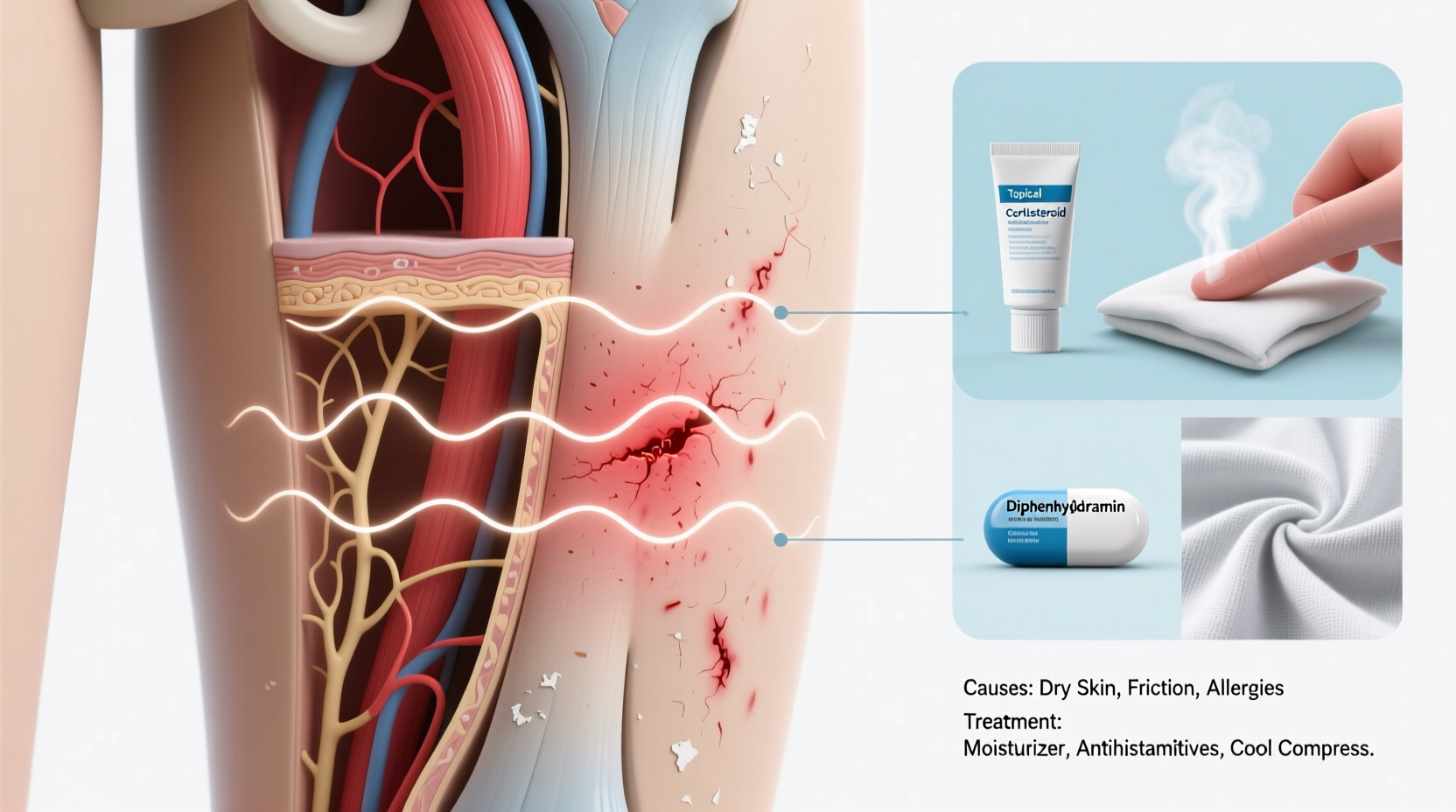
The inner thigh area is particularly prone to irritation due to its warm, moist environment and frequent skin-to-skin contact. Several factors can trigger or worsen itching in this sensitive region:
- Fungal infections (jock itch): Caused by dermatophytes like *Trichophyton*, jock itch thrives in warm, sweaty areas. It presents as a red, ring-shaped rash with raised edges and intense itching.
- Friction from chafing: Repetitive rubbing—especially during exercise or in hot weather—can cause raw, irritated skin that itches and stings.
- Eczema (atopic dermatitis): A chronic condition that leads to dry, inflamed, and itchy skin. In the inner thighs, eczema may flare due to sweat, heat, or allergens.
- Allergic reactions: Contact dermatitis can result from exposure to laundry detergents, soaps, fabrics, or personal care products containing fragrances or harsh chemicals.
- Heat rash (miliaria): Blocked sweat glands trap perspiration under the skin, causing small red bumps and prickly sensations.
- Bacterial or yeast infections: Overgrowth of organisms like *Candida* or *Staphylococcus* can lead to itching, redness, and sometimes discharge or odor.
- Psoriasis: An autoimmune condition that accelerates skin cell turnover, resulting in thick, scaly patches that may appear on the inner thighs.
Effective Relief and Treatment Options
Treatment depends on the underlying cause. Misdiagnosing the issue—such as treating eczema like a fungal infection—can worsen symptoms. Here’s how to address each common cause:
Fungal Infections
Over-the-counter antifungal creams containing clotrimazole, miconazole, or terbinafine are typically effective. Apply twice daily for at least two weeks, even after symptoms improve, to prevent recurrence. Keep the area dry and avoid sharing towels.
Chafing and Friction
Prevention is key. Use moisture-wicking clothing and apply anti-chafe balms or petroleum jelly before physical activity. For existing irritation, cool compresses and barrier creams like zinc oxide can soothe the skin.
Eczema and Dermatitis
Use fragrance-free moisturizers daily and apply topical corticosteroids (e.g., hydrocortisone 1%) for flare-ups. Identify and eliminate potential allergens in your skincare routine.
Yeast Infections
Candidiasis in skin folds responds well to antifungal creams such as nystatin or ketoconazole. Maintaining dryness and wearing breathable fabrics supports recovery.
“Accurate diagnosis is crucial—what looks like jock itch might actually be inverse psoriasis, which requires different treatment.” — Dr. Lena Patel, Board-Certified Dermatologist
Do’s and Don’ts: Skin Care Guidelines for Itchy Inner Thighs
| Do’s | Don’ts |
|---|---|
| Wear loose-fitting, breathable cotton underwear | Wear tight synthetic fabrics like nylon or polyester |
| Shower immediately after sweating | Stay in damp clothes for extended periods |
| Use mild, fragrance-free cleansers | Scratch the affected area aggressively |
| Apply antifungal or soothing creams as directed | Share towels, razors, or clothing with others |
| Keep nails short to minimize skin damage from scratching | Use scented wipes or douches in the groin area |
Step-by-Step Guide to Managing Inner Thigh Itch
Follow this five-step approach to identify, treat, and prevent recurring inner thigh itching:
- Assess the Symptoms: Note the appearance (rash, blisters, scaling), location, duration, and any triggers (exercise, new soap, etc.). Take photos if needed for a doctor’s visit.
- Clean Gently: Wash the area with lukewarm water and a hypoallergenic cleanser. Pat dry—never rub.
- Apply Targeted Treatment: Based on suspected cause, use OTC antifungal, hydrocortisone, or barrier cream. Avoid mixing multiple topical products unless advised.
- Reduce Moisture and Friction: Wear loose clothing, consider using talc-free powder, and avoid prolonged sitting without breaks.
- Monitor and Adjust: If no improvement within 7–10 days, or if symptoms worsen (pus, spreading rash, fever), consult a healthcare provider.
Real-Life Scenario: Resolving Recurring Itch
Mark, a 34-year-old runner, experienced recurring inner thigh itching every summer. He initially treated it with antifungal cream, which helped temporarily. However, the rash returned each time he resumed training. After consulting a dermatologist, he learned his issue was primarily chafing exacerbated by a mild fungal overgrowth. His solution included switching to moisture-wicking running shorts, applying a silicone-based anti-chafe gel before runs, and using antifungal powder post-shower. Within three weeks, his symptoms resolved, and he has remained itch-free with consistent preventive habits.
When to See a Doctor
While many cases resolve with self-care, certain signs warrant professional evaluation:
- Persistent itching lasting more than two weeks despite treatment
- Spreading rash, blistering, or oozing
- Pain, swelling, or signs of infection (fever, warmth)
- Symptoms that interfere with sleep or daily activities
- History of diabetes or immune compromise, which increases infection risk
A healthcare provider may perform a skin scraping, culture, or biopsy to confirm the diagnosis and prescribe stronger medications like oral antifungals or immunomodulators if needed.
FAQ
Can stress cause itchy inner thighs?
Stress doesn’t directly cause itching but can exacerbate conditions like eczema and psoriasis by weakening the immune response and increasing inflammation. Stress-related behaviors like scratching can also worsen skin irritation.
Is it safe to use hydrocortisone on the inner thighs long-term?
No. Prolonged use of topical steroids in thin-skinned areas like the inner thighs can cause skin thinning, discoloration, and increased susceptibility to infection. Limit use to 5–7 days unless directed otherwise by a doctor.
Can diet affect inner thigh itching?
In some cases, yes. High sugar intake can promote yeast overgrowth, potentially worsening fungal or candidal rashes. A balanced diet supporting immune and skin health may aid recovery, especially in chronic cases.
Conclusion and Next Steps
Itchy inner thighs are more than just a nuisance—they’re a signal from your body that something needs attention. Whether the cause is fungal, mechanical, or inflammatory, effective solutions exist. By identifying triggers, applying targeted treatments, and adopting preventive habits, most people find significant relief. Don’t ignore persistent symptoms or rely solely on temporary fixes. Your skin health matters.
💬 Have you found a remedy that works for you? Share your experience in the comments to help others navigate their journey to comfort and healing.








